Introduction
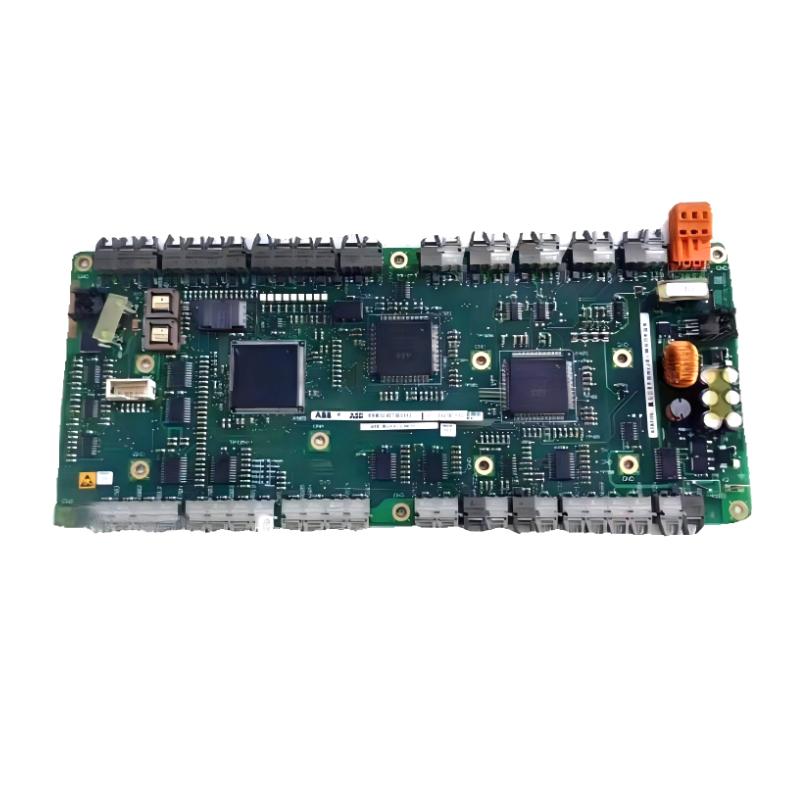
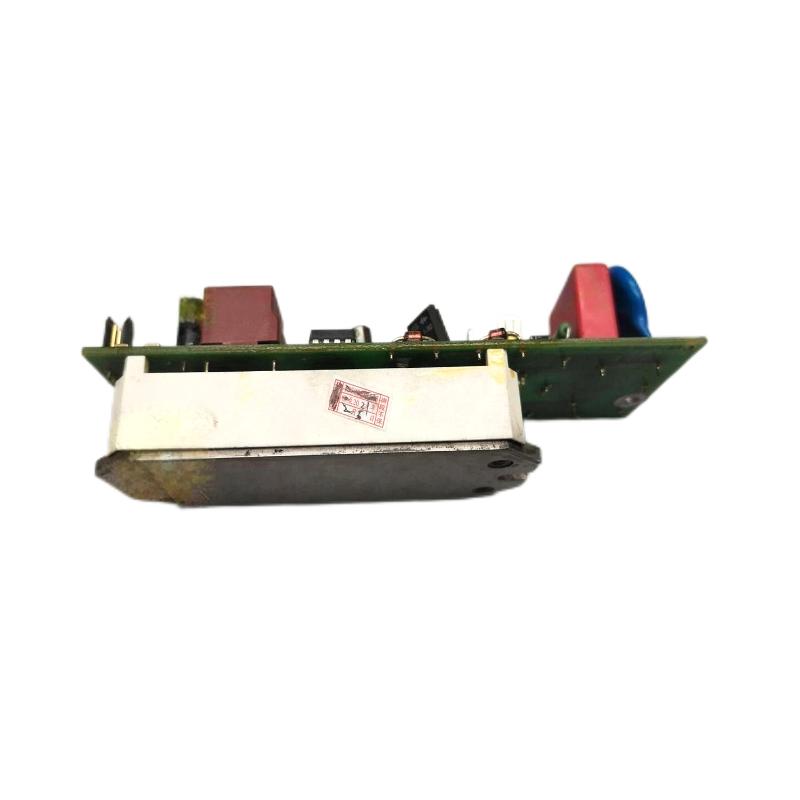
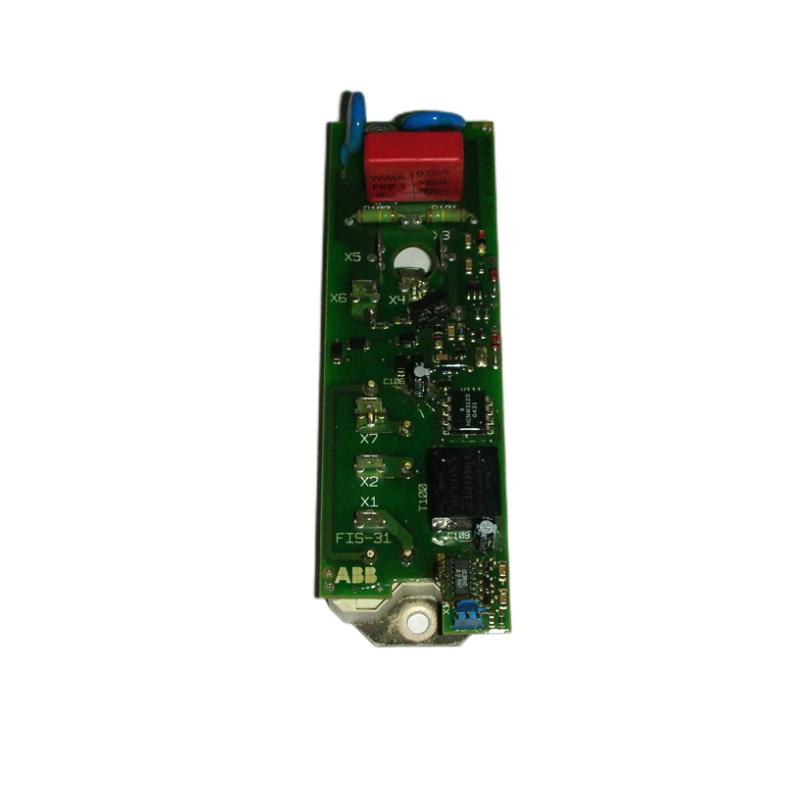
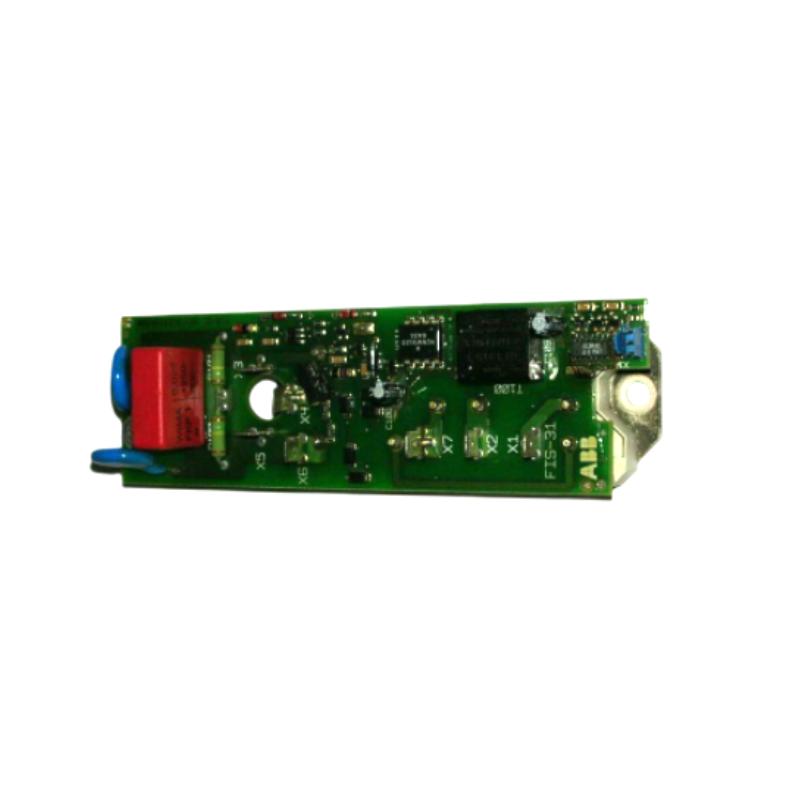
The ABB SDCS-FIS-3A DC Speed Regulator Excitation Module is a core field excitation unit designed for ABB DC drive systems, particularly within the DCS400 platform. It is engineered to manage and stabilize motor field excitation, enabling precise speed regulation, improved torque control, and smoother motor performance in demanding industrial environments.
Rather than acting as a general I/O device, this module plays a dedicated role in the excitation circuit—helping ensure the motor receives a stable and optimized field current, which directly impacts efficiency, commutation quality, and operational lifespan.
Technical Specifications
| Parameter | Specification |
|---|
| Model | SDCS-FIS-3A |
| Type | DC Speed Regulator / Field Excitation Module |
| System Compatibility | ABB DCS400 DC Drive Systems |
| AC Input Voltage | 230–500 V AC (3-phase) |
| DC Output Voltage | 50–440 V (programmable) |
| Output Current Range | Up to ~20 A (system-dependent) |
| Control Function | Field excitation regulation |
| Protection Features | Overvoltage & system protection via DC link design |
| Operating Principle | Smoothed field voltage generation |
| Operating Temperature | Industrial-rated range (system dependent) |
| Dimensions | Approx. 145 mm class module footprint |
| Weight | Approx. 0.3 – 0.8 kg (variant dependent) |
Industrial Applications
The SDCS-FIS-3A is widely used in high-demand DC drive environments where stable motor control is essential. Its excitation regulation capabilities make it suitable for:
-
Steel rolling and metal processing lines
-
Heavy-duty DC motor drive systems
-
Paper and pulp production machinery
-
Industrial hoisting and crane systems
-
Continuous production conveyor systems
By ensuring smooth field excitation, it helps reduce mechanical stress and improves motor efficiency under variable load conditions.
Engineering Advantages
This module is valued in industrial automation for its specialized excitation architecture and system-level integration.
-
Provides stable and smoothed field voltage output for better motor commutation
-
Improves brush life and reduces motor wear under heavy operation
-
Enhances thermal efficiency, reducing unnecessary heat generation
-
Supports integrated energy recovery behavior within DC drive systems
-
Reduces wiring complexity through built-in excitation design
-
Designed for continuous industrial operation with high reliability
Its role is not just control—but optimization of the entire DC motor excitation behavior.
Technical FAQs
1. What is the main function of the SDCS-FIS-3A module?
It controls and stabilizes field excitation in ABB DC drive systems.
2. Which ABB system is it used with?
It is primarily used in ABB DCS400 DC drive platforms.
3. Does it directly control motor speed?
It indirectly controls speed by regulating field excitation current.
4. What is the benefit of smoothed field voltage?
It improves commutation quality and reduces motor wear.
5. Is it suitable for heavy industrial environments?
Yes, it is designed for continuous-duty industrial applications.
6. Does it reduce motor heating?
Yes, optimized excitation reduces thermal losses in the motor.
7. Can it improve brush life?
Yes, smoother commutation reduces mechanical brush stress.
8. Is it part of a modular system?
Yes, it integrates within ABB SDCS drive architectures.
9. Does it require frequent maintenance?
No, it is designed for long-term stable operation.
10. What makes it different from standard control modules?
It focuses specifically on excitation control rather than general I/O processing.
 A DCS Q Co., Ltd. - PLC and DCS Industrial Control Equipment Wholesale