Industrial-Grade Output Control with Reliable Switching Performance
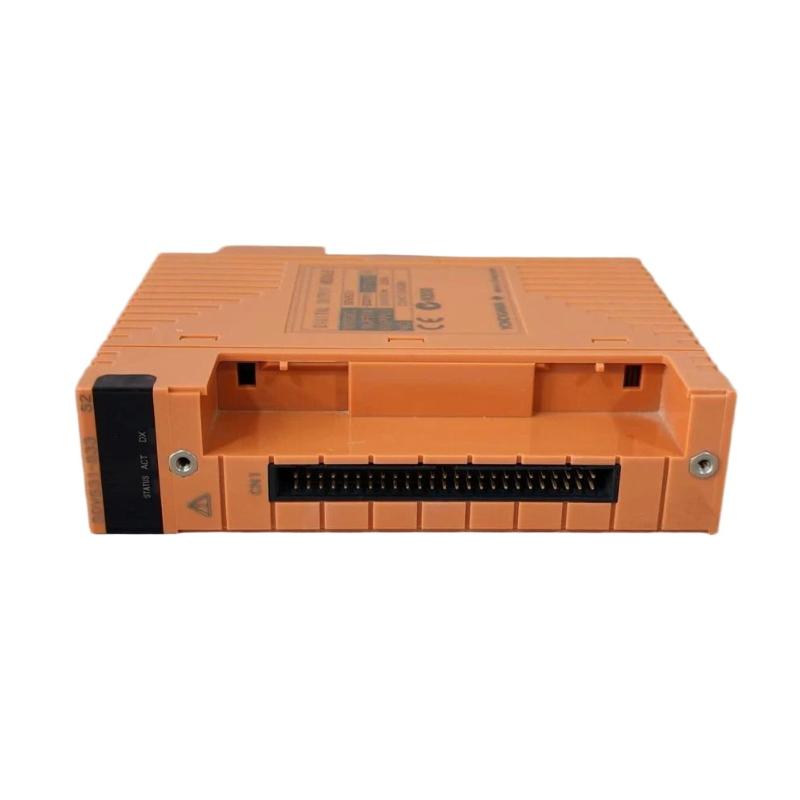
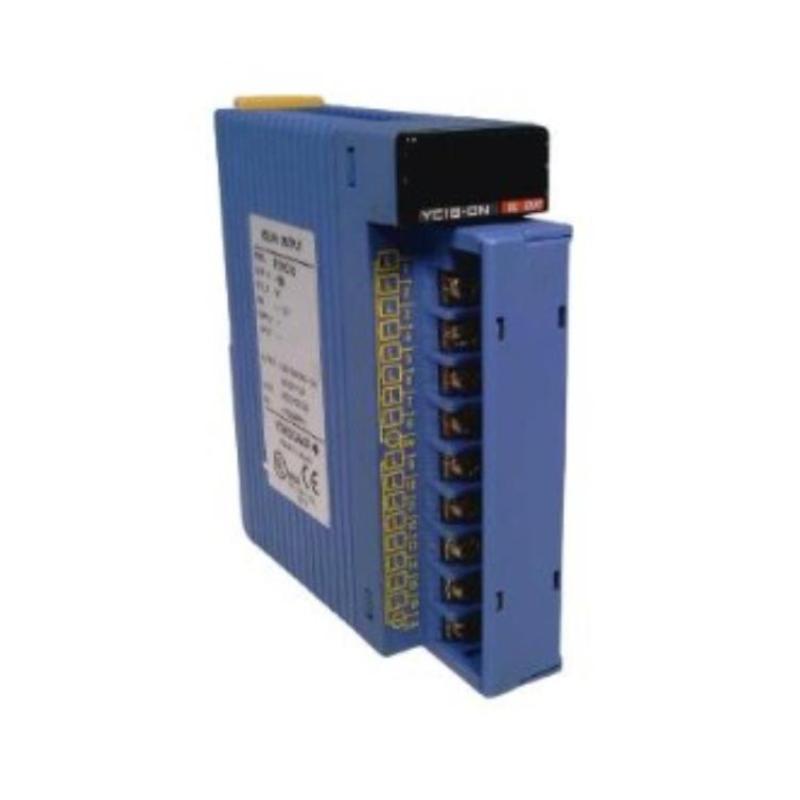
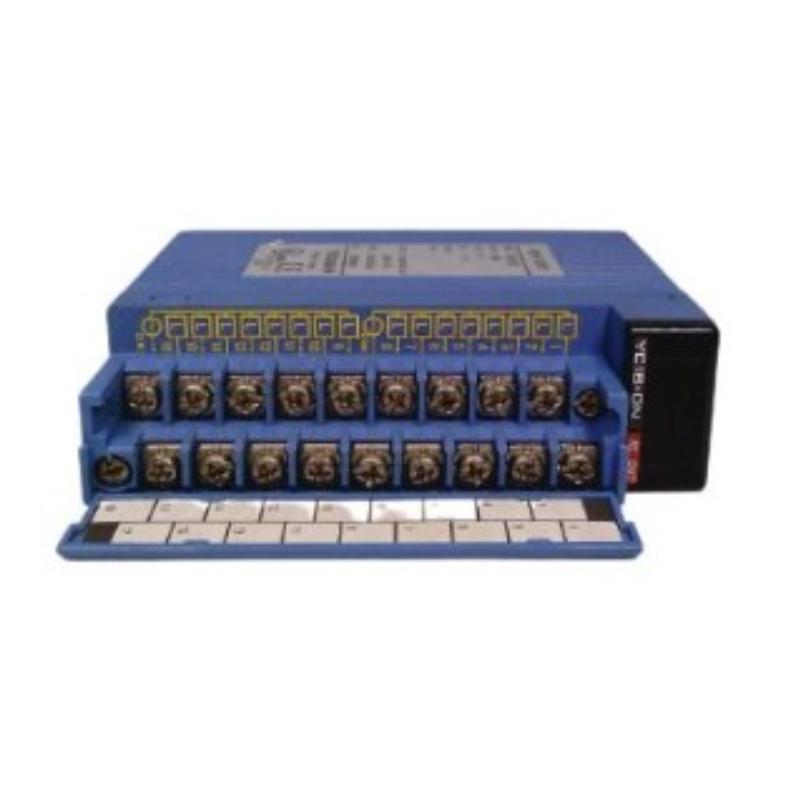
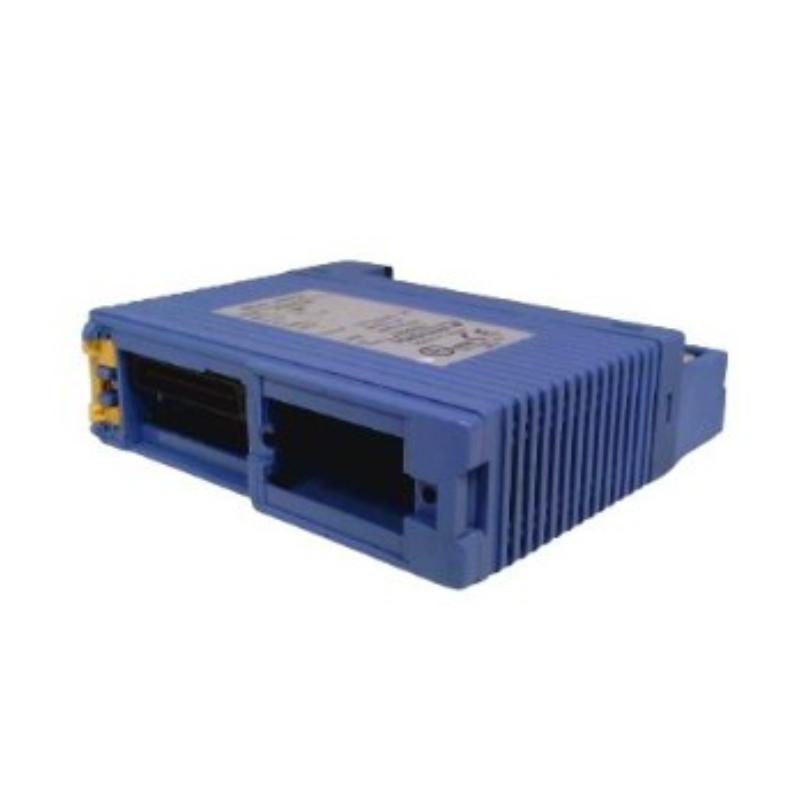
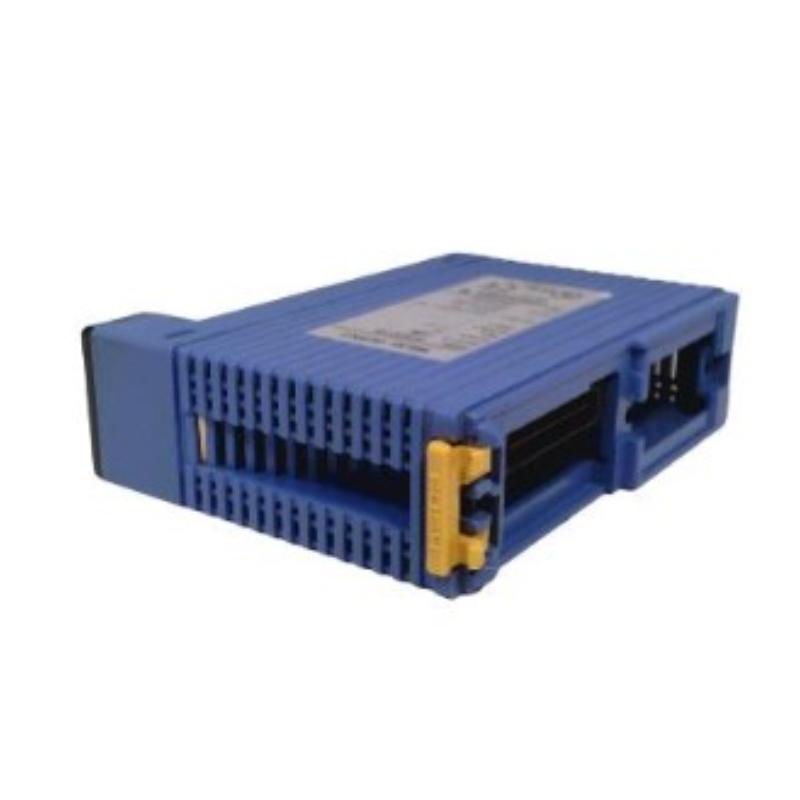
The Yokogawa F3YC16-0N Relay Output Module is designed for robust and flexible control within FA-M3 PLC automation systems. Built for industrial switching applications, it uses mechanical relay contacts to provide secure electrical isolation and dependable output control for a wide range of field devices. With 16 output channels, it delivers high-density switching capability while maintaining stable performance in demanding environments.
This module is particularly valued in systems where mixed-voltage control, strong isolation, and long operational life are essential for consistent automation performance.
Technical Specifications
| Parameter | Details |
|---|
| Manufacturer | Yokogawa |
| Model | F3YC16-0N |
| Module Type | Relay Output Module |
| Output Channels | 16 |
| Output Configuration | 8 points / common × 2 groups |
| Output Type | Relay Contact |
| Isolation Method | Mechanical Isolation |
| Rated Load Voltage | 5–24 V DC / 100–240 V AC |
| Maximum Load Current | 2 A per point / 8 A per common |
| Response Time | ≤ 10 ms (ON/OFF) |
| Contact Life (Mechanical) | ≥ 20 million operations |
| Contact Life (Electrical) | ≥ 100,000 operations |
| Power Consumption | Approx. 380 mA @ 5 V DC |
| External Power Supply | Not required |
| Connection Type | 18-point terminal block (M3.5 screw) |
| Operating Temperature | 0°C to 55°C |
| Dimensions (H×W×D) | Approx. 100 × 30 × 83 mm |
| Weight | Approx. 0.22 kg |
Application Scenarios
The F3YC16-0N is widely used in industrial automation systems requiring reliable switching of external devices. Typical applications include motor contactor control, solenoid valve actuation, alarm signaling systems, HVAC control, and general-purpose machine automation. Its ability to handle both AC and DC loads makes it suitable for hybrid industrial environments where different electrical standards coexist.
Key Advantages and Engineering Value
This module delivers strong versatility through its dual-group common design, simplifying wiring while maintaining high channel density. The mechanical relay isolation provides excellent electrical separation, protecting sensitive PLC circuitry from field-side disturbances.
Its ability to switch both AC and DC loads gives engineers greater flexibility in system design, reducing the need for additional interface components. The long relay lifespan and stable switching characteristics also contribute to lower maintenance requirements and improved system uptime.
Compact construction further enhances panel efficiency, making it suitable for dense control cabinets where space optimization is critical.
Technical FAQs
-
How many output channels does this module provide?
It provides 16 relay output channels.
-
What is the grouping configuration?
8 points per common, split into two groups.
-
What types of loads can it control?
Both AC and DC loads within rated specifications.
-
What is the maximum current per channel?
2 A per output point.
-
Is electrical isolation provided?
Yes, mechanical relay isolation is used for each channel.
-
Does it require an external power supply?
No, it is powered through the PLC backplane.
-
What is the switching response time?
Typically within 10 milliseconds.
-
Is it suitable for high-frequency switching?
It is intended for standard industrial switching, not rapid cycling.
-
How is field wiring connected?
Via an 18-point screw terminal block.
-
What maintenance is required?
Periodic inspection of relay wear and terminal tightening is recommended.
 A DCS Q Co., Ltd. - PLC and DCS Industrial Control Equipment Wholesale