Reliable ESB Bus Communication Interface for Distributed Control Systems
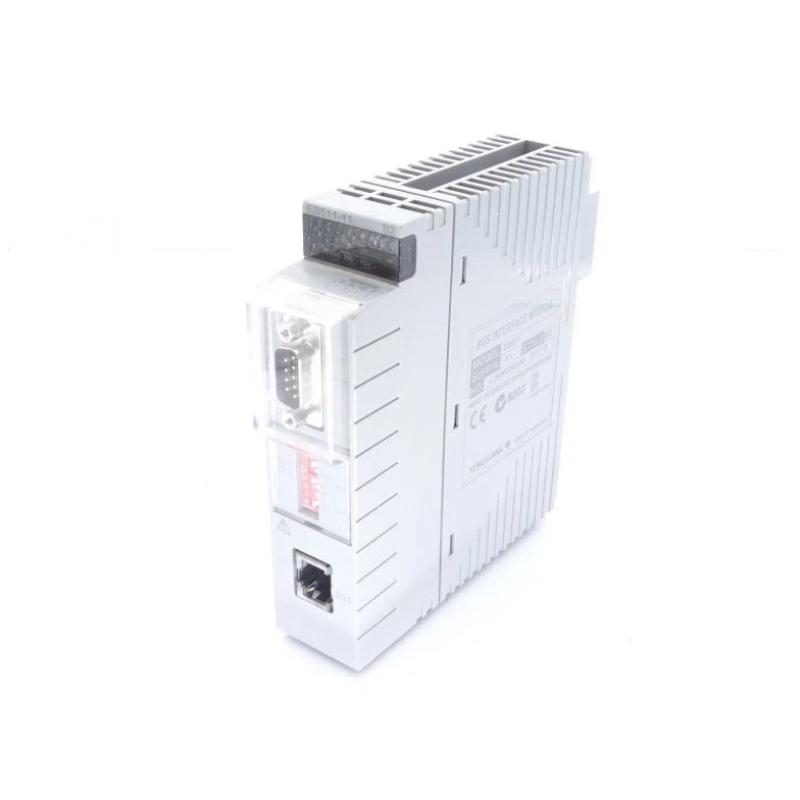
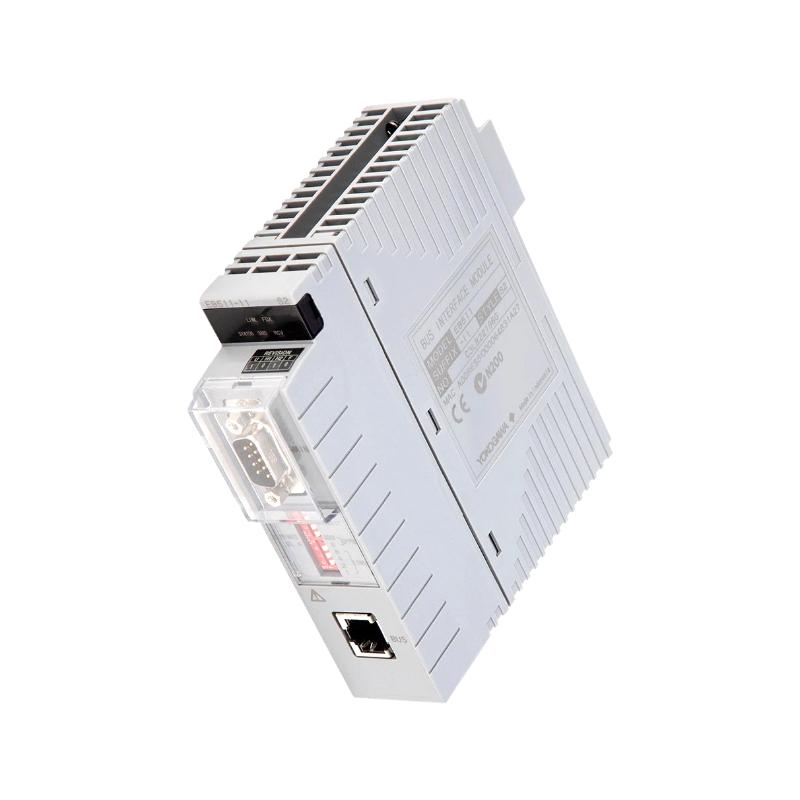
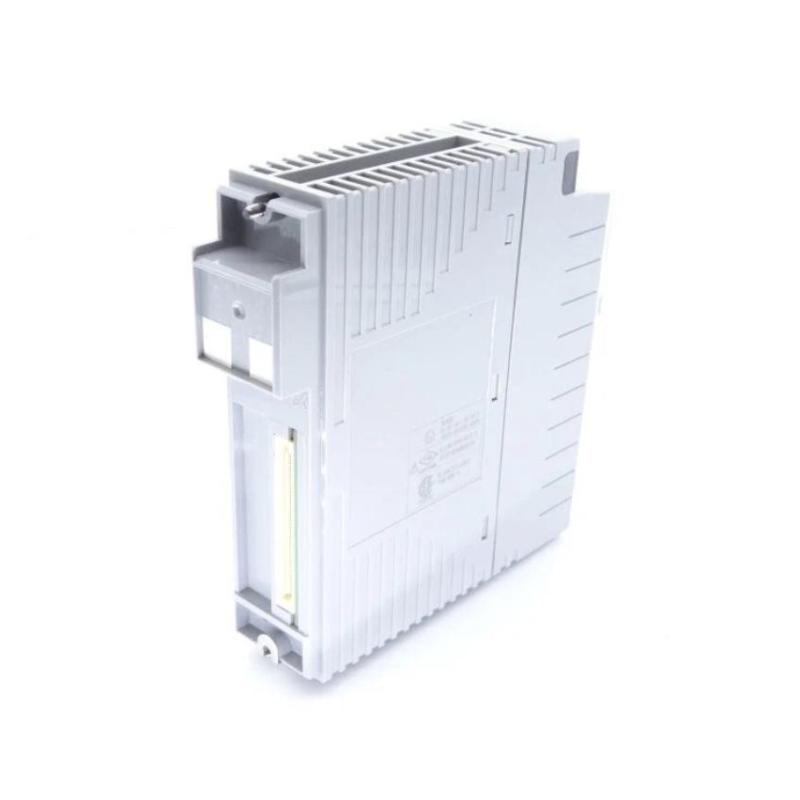
The Yokogawa EB511-11 Bus Interface Module is a high-performance communication interface designed for Yokogawa CENTUM distributed control systems. It provides a stable link between Field Control Stations (FCS) and field I/O subsystems through the ESB/ER bus architecture, ensuring fast and deterministic data exchange in industrial automation environments.
Built for long-term industrial reliability, this module supports real-time communication between controllers and field devices, making it a key component in scalable and redundant DCS architectures.
Technical Specifications
| Parameter | Details |
|---|
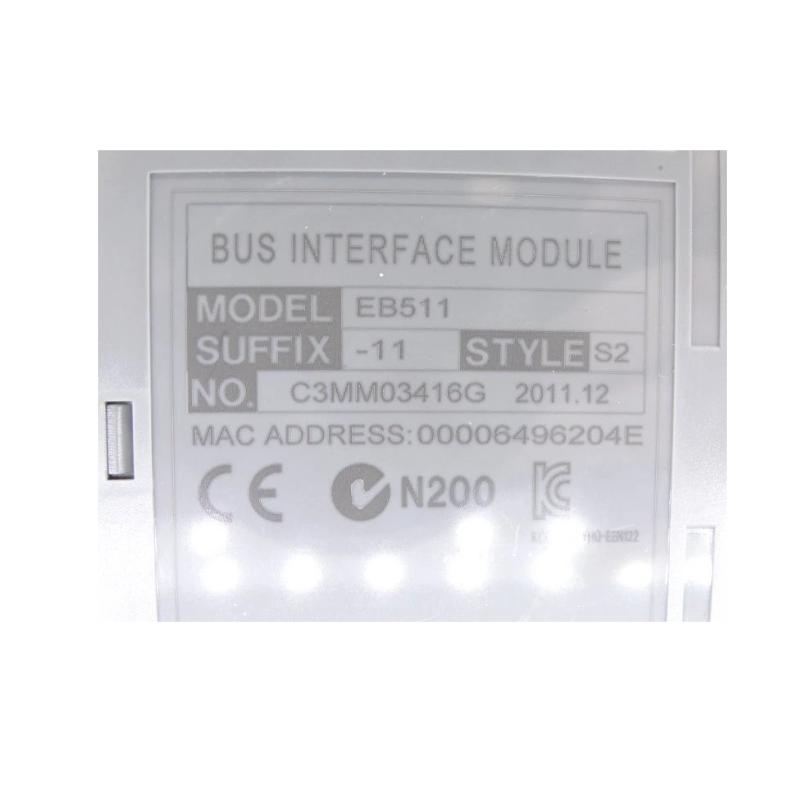
| Model | EB511-11 |
| Product Type | Bus Interface Module |
| System Compatibility | Yokogawa CENTUM VP / CS 3000 / FCS systems |
| Communication Protocol | ER bus / ESB bus architecture |
| Physical Layer | IEEE 802.3 10BASE-2 |
| Connector Type | BNC |
| Communication Speed | 10 Mbps |
| Transmission Distance | Up to 185 m (depending on cable type) |
| Channel Function | Field controller to I/O node communication |
| Redundancy Support | Supported in system configuration |
| Power Consumption | Approx. 0.7 A @ 5 V DC |
| Operating Temperature | Industrial-grade range (system dependent) |
| Dimensions (W × H × D) | 2.5 × 12.7 × 12.7 cm |
| Weight | Approx. 0.3 kg |
| Installation | Rack-mounted FCS module slot |
Application Areas
The EB511-11 is widely used in industrial process automation where stable and synchronized communication is essential:
-
Oil & gas production and refining systems
-
Petrochemical and chemical processing plants
-
Power generation and energy management systems
-
Water and wastewater treatment facilities
-
Large-scale distributed control systems (DCS)
-
Industrial SCADA monitoring and control networks
It acts as a critical communication bridge between controllers and field I/O modules.
Key Advantages
The EB511-11 delivers stable high-speed communication, strong system compatibility, and reliable industrial performance. Its ESB/ER bus architecture ensures deterministic data transfer, which is essential for real-time process control.
With support for redundant system configurations, it enhances overall plant availability and reduces downtime risk. The BNC-based physical layer provides robust noise resistance, making it suitable for electrically harsh industrial environments.
Its modular rack design allows easy integration into existing Yokogawa control systems, supporting both system expansion and modernization projects without major redesign.
Technical FAQs
1. What is the main function of this module?
It provides communication between FCS controllers and field I/O systems via ESB/ER bus.
2. What communication speed does it support?
Up to 10 Mbps.
3. What connector type is used?
BNC connector for coaxial communication.
4. What systems is it compatible with?
Yokogawa CENTUM VP, CENTUM CS 3000, and related FCS systems.
5. What is the maximum transmission distance?
Approximately 185 meters depending on cable type.
6. Does it support redundancy?
Yes, system-level redundancy is supported.
7. Is it a control or I/O module?
It is a communication interface module, not a signal processing module.
8. What industries commonly use it?
Oil & gas, chemical, power generation, and utilities.
9. What is its key advantage?
Stable deterministic communication between controller and field systems.
10. Why is it important in DCS systems?
It ensures synchronized, reliable data exchange across distributed control architecture.
 A DCS Q Co., Ltd. - PLC and DCS Industrial Control Equipment Wholesale