Product Introduction
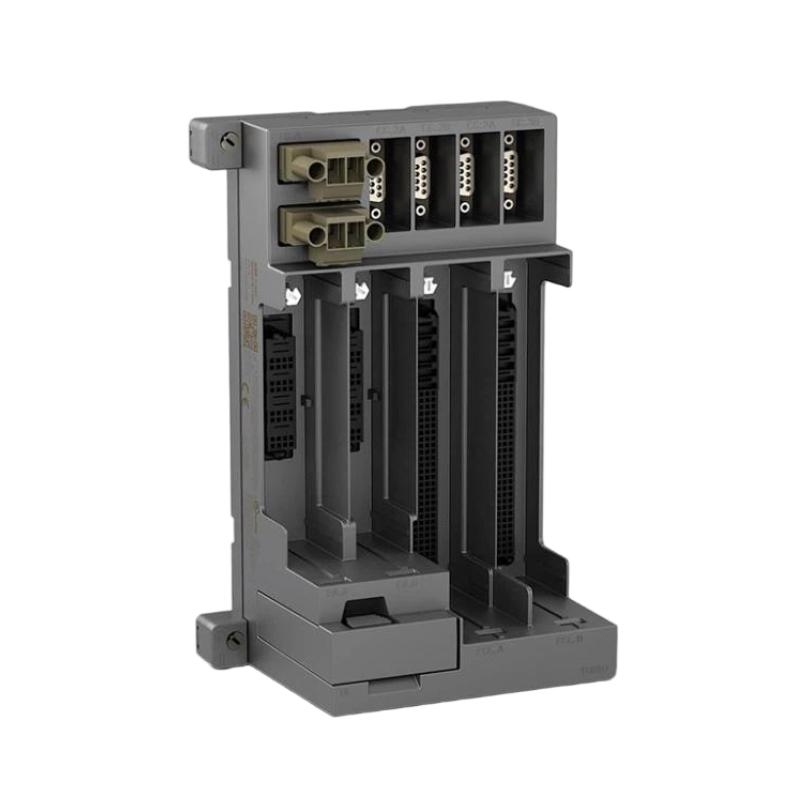
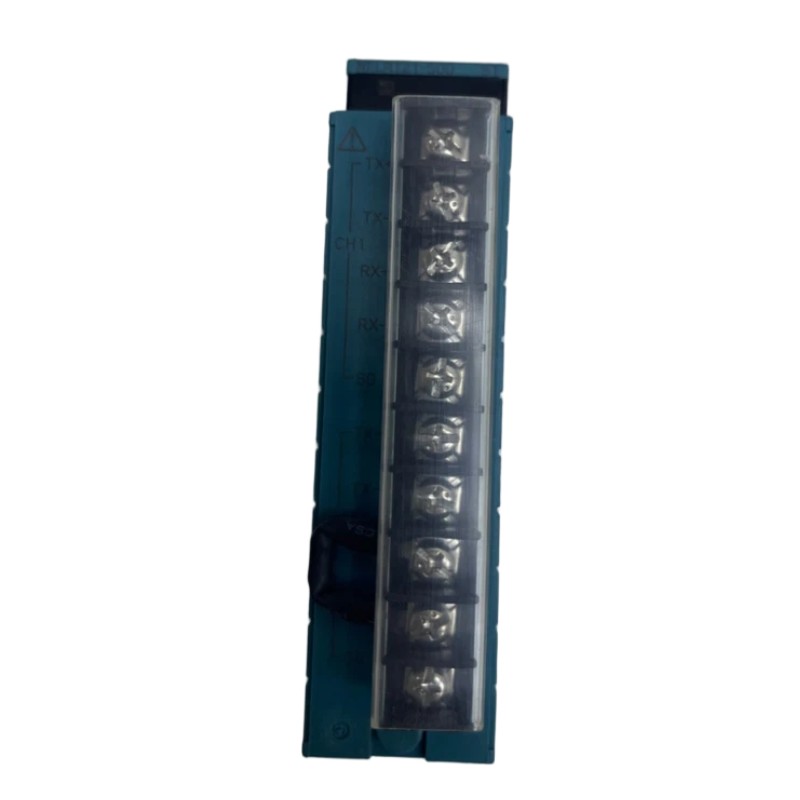
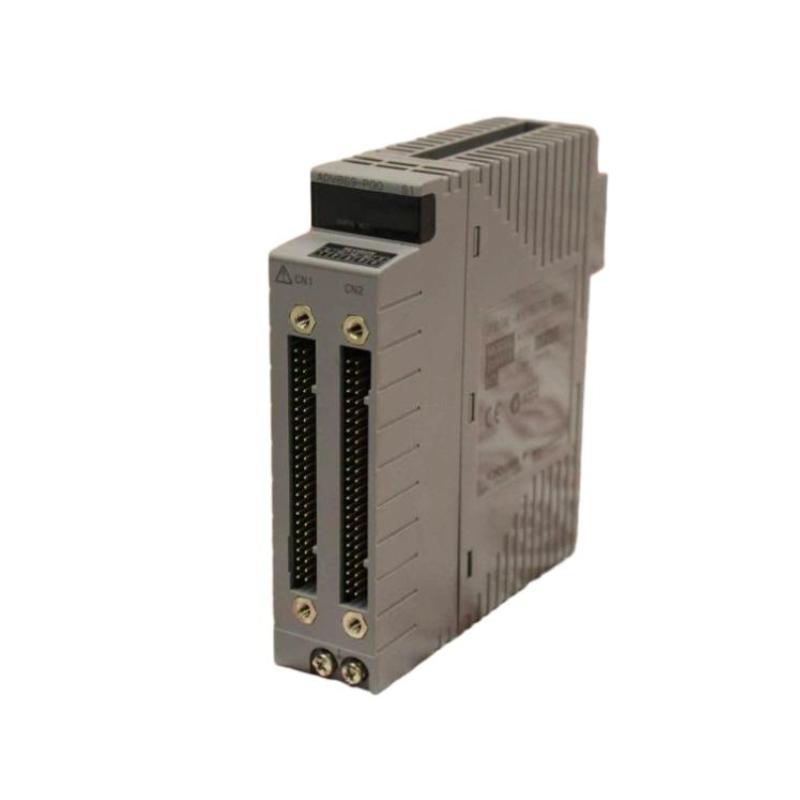
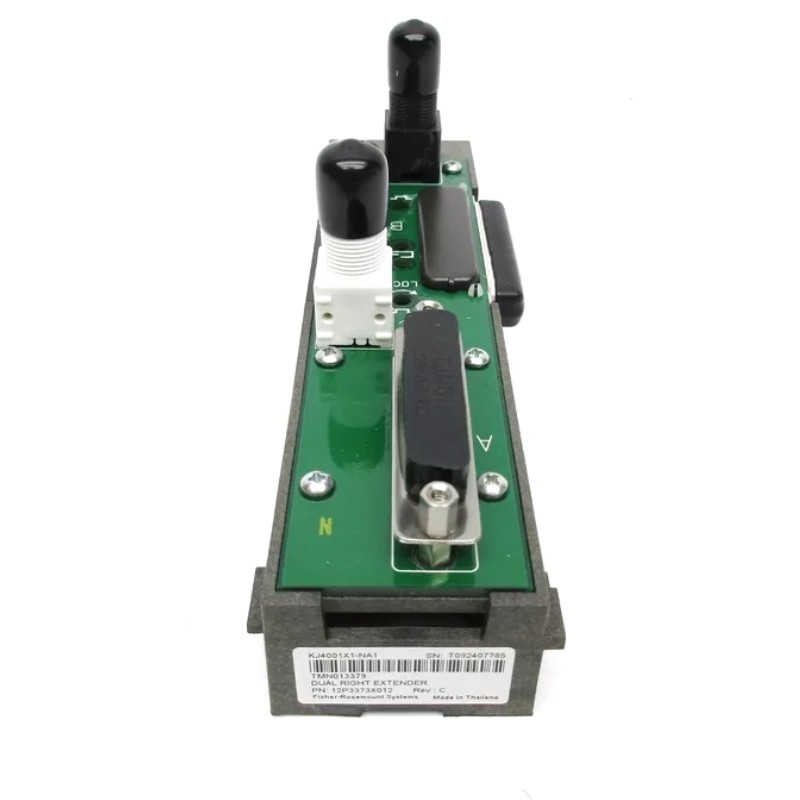
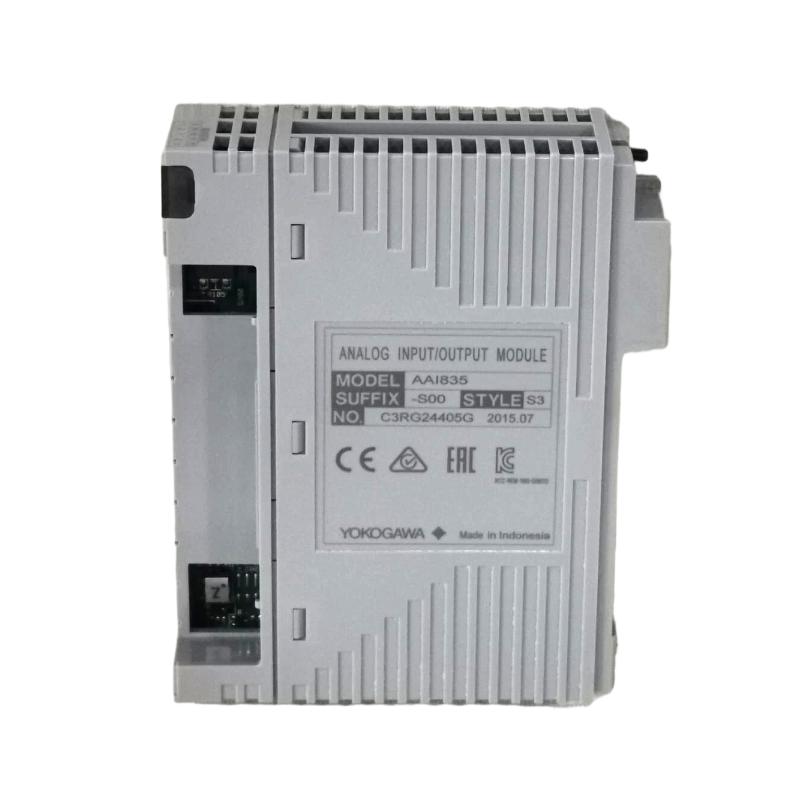
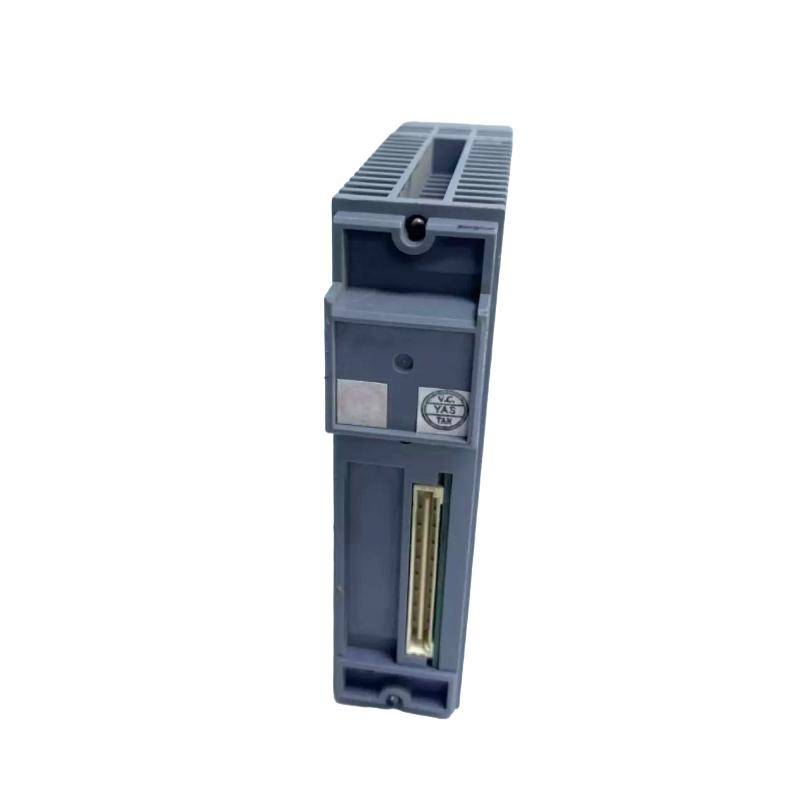
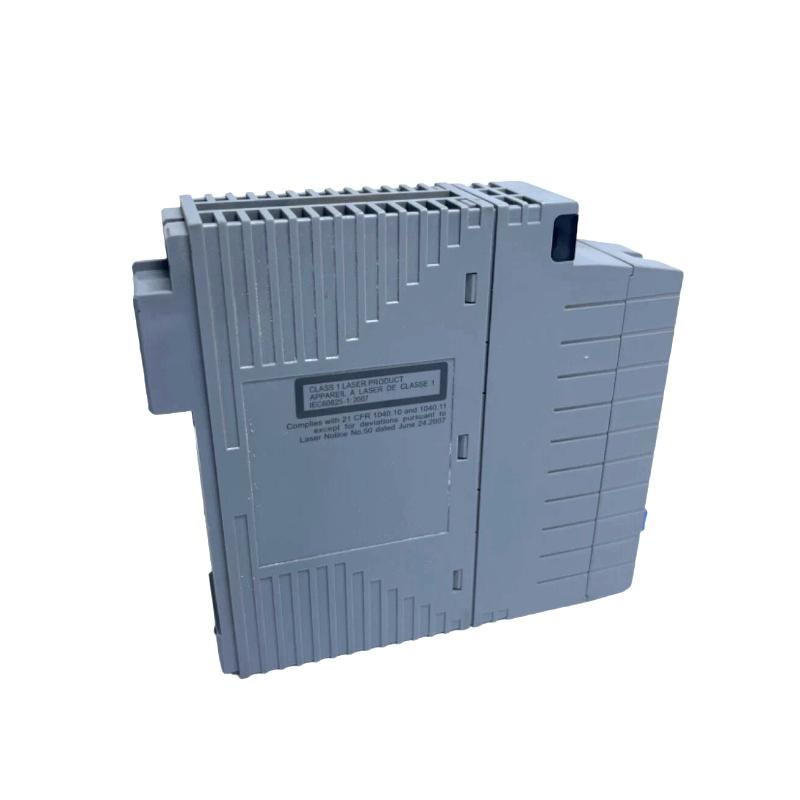
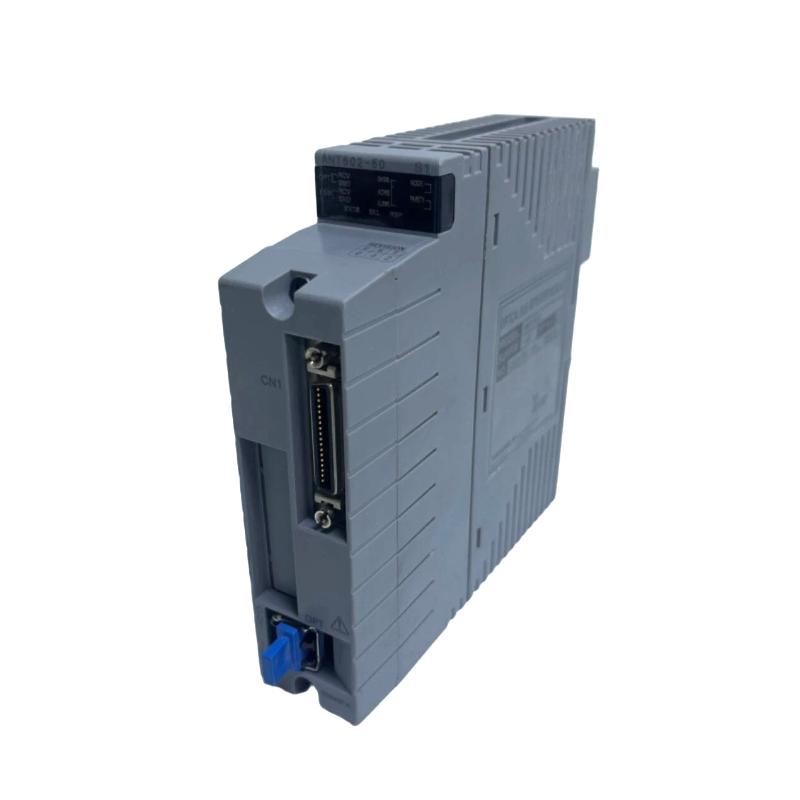
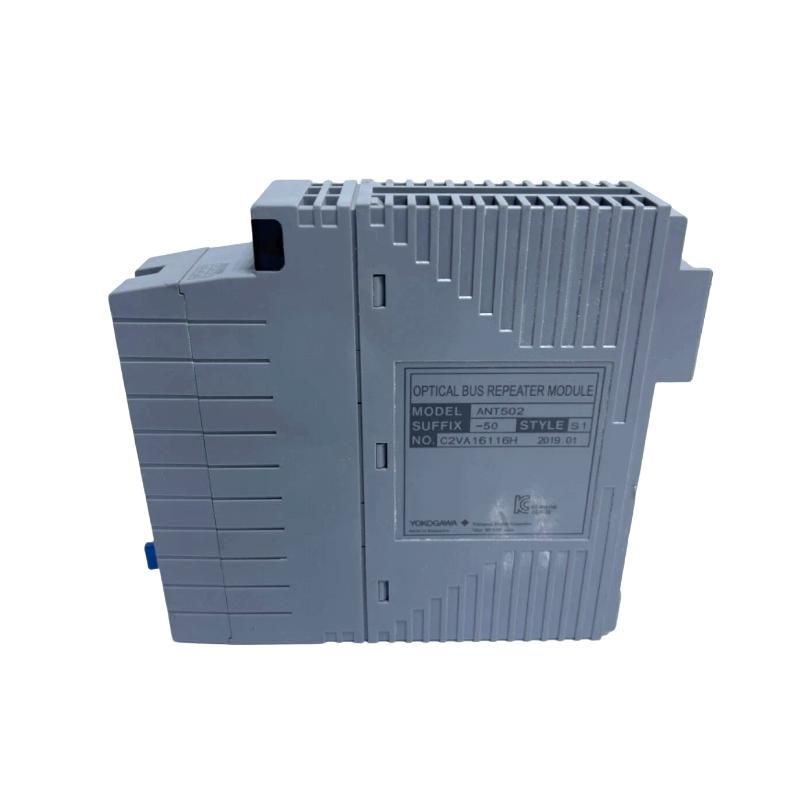
The Yokogawa ANT401-50/CU1N Optical ESB Bus Repeater Master Module is a high-performance communication interface designed to extend ESB (Enhanced Serial Bus) networks through optical fiber transmission in Yokogawa CENTUM distributed control systems.
By converting electrical ESB signals into optical signals, this module enables long-distance, noise-immune communication between field control units and remote I/O nodes. It is typically deployed in large-scale industrial plants where stable data transmission and system scalability are critical. The “/CU1N” variant includes a dedicated connector unit for direct ESB bus integration, ensuring simplified installation and reliable signal coupling.
Technical Specifications
| Parameter | Details |
|---|
| Manufacturer | Yokogawa |
| Model | ANT401-50/CU1N |
| Module Type | Optical ESB Bus Repeater Master Module |
| Function | ESB electrical-to-optical signal conversion |
| Communication System | ESB Bus (CENTUM VP / FCS architecture) |
| Transmission Medium | Single-mode optical fiber |
| Maximum Transmission Distance | Up to 5 km (system dependent) |
| Topology Support | Chain type / Star type |
| Maximum Chain Stages | 2 stages |
| Maximum Connections | Up to 8 paired modules (ANT401–ANT502) |
| Connector Type | LC optical connector (CU1N ESB adapter) |
| Current Consumption | ~0.5 A |
| Weight | Approx. 0.2–0.25 kg |
| Installation Location | Field Control Unit / Node Unit / Repeater Unit |
Application Overview
The ANT401-50/CU1N is designed for high-reliability distributed control environments where control cabinets and I/O stations are physically separated. It is widely used in:
-
Oil & gas processing facilities
-
Petrochemical and refinery automation systems
-
Power generation plants
-
Large-scale manufacturing and continuous process industries
-
Offshore and remote industrial control installations
Its optical communication design allows seamless expansion of ESB networks across long distances without signal degradation or electromagnetic interference.
Key Advantages
-
Extended Communication Range: Supports long-distance ESB transmission up to 5 km with stable performance
-
Optical Noise Immunity: Eliminates electromagnetic interference common in industrial environments
-
Flexible Network Architecture: Supports both chain and star topologies for scalable system design
-
High System Reliability: Ensures consistent communication between distributed control nodes
-
Compact Modular Design: Lightweight module suitable for dense control cabinet installation
-
Integrated Connector System (CU1N): Simplifies ESB bus connection and improves installation efficiency
This combination makes it an essential component in modern distributed control system architecture where reliability and scalability are priorities.
Technical FAQs
1. What is the main function of ANT401-50/CU1N?
It converts ESB bus electrical signals into optical signals for long-distance transmission.
2. What is the maximum transmission distance?
Up to 5 km depending on system configuration and fiber quality.
3. What does “/CU1N” mean?
It indicates a connector unit for ESB bus integration, enabling direct electrical interface.
4. Is it compatible with other Yokogawa modules?
Yes, it works with ANT502 slave modules and ANB series nodes.
5. What network topologies are supported?
Both chain and star-type ESB bus configurations.
6. How many modules can be connected?
Up to 8 paired ANT401–ANT502 connections.
7. What type of fiber is used?
Single-mode optical fiber with LC connectors.
8. What is the typical power consumption?
Approximately 0.5 A.
9. Where is it installed?
In field control units, node units, or optical repeater racks.
10. Why is optical ESB communication important?
It improves signal stability, reduces noise interference, and enables long-distance system expansion.
 A DCS Q Co., Ltd. - PLC and DCS Industrial Control Equipment Wholesale