Introduction
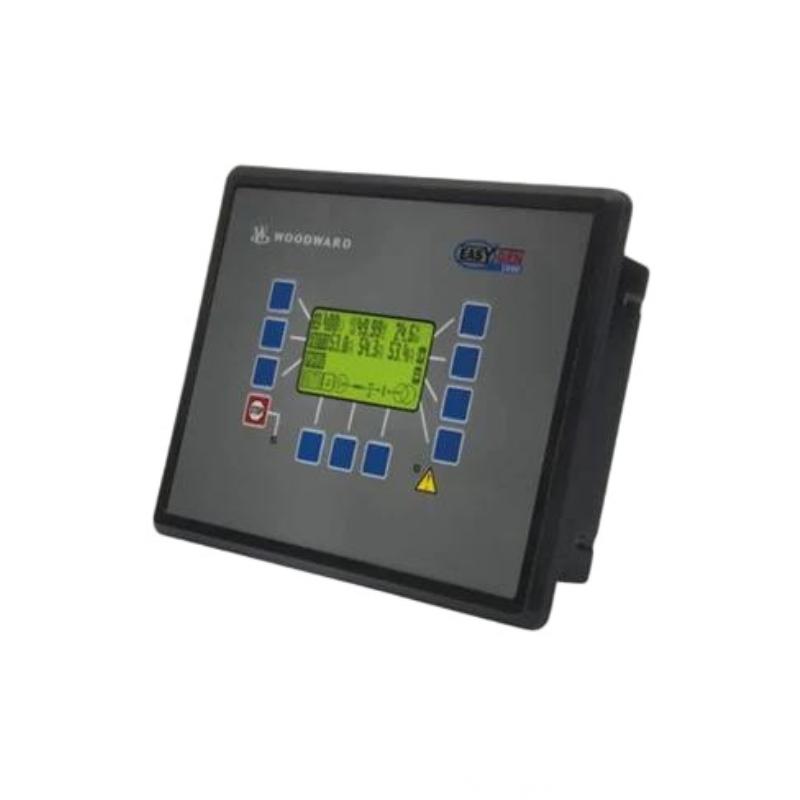
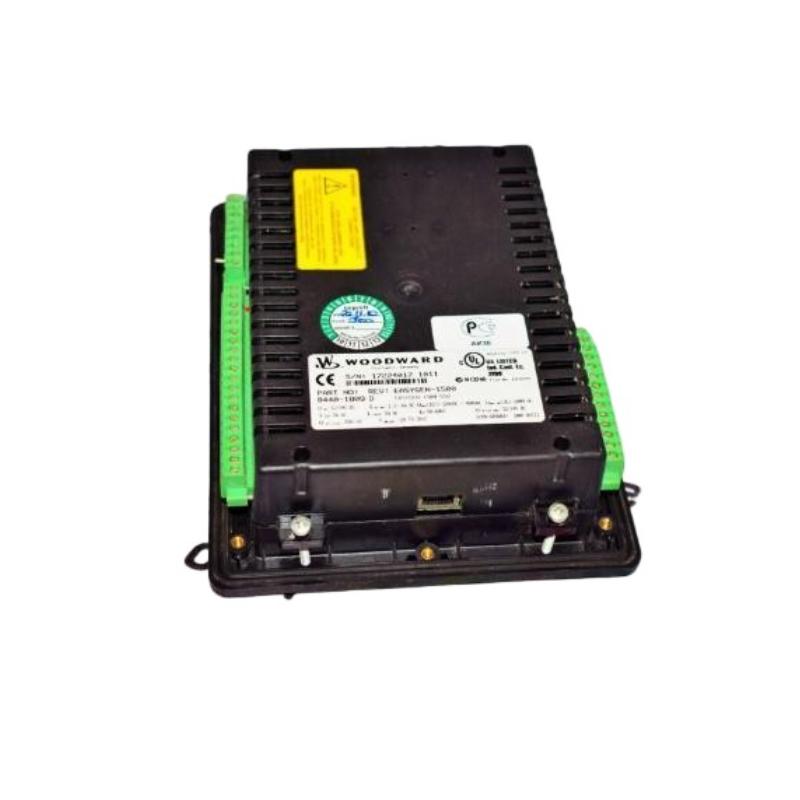
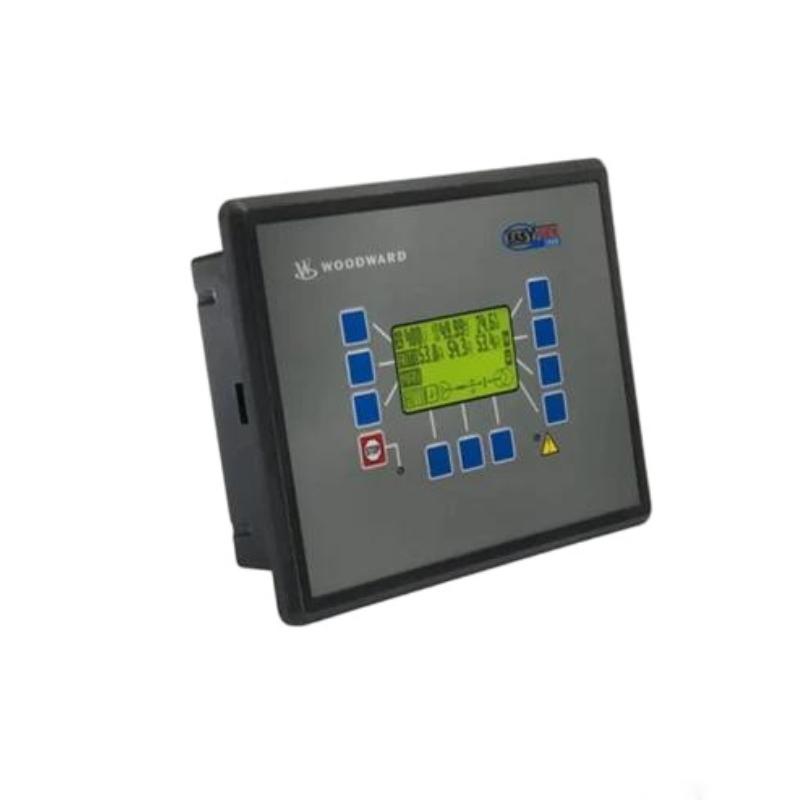
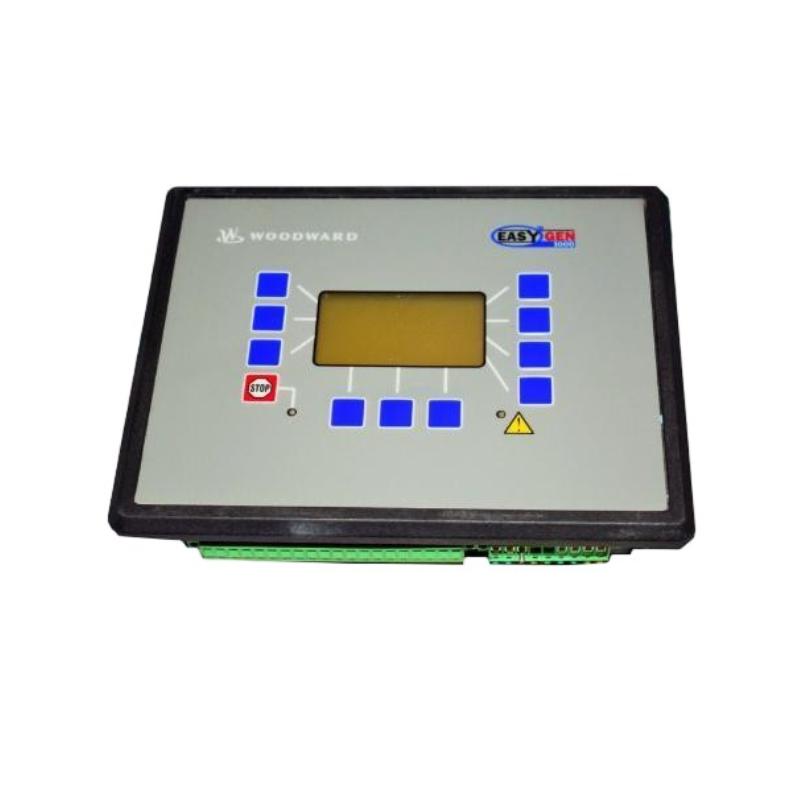
The Woodward 8440‑1750 Turbine Control Module is a high‑performance controller engineered for precise engine and turbine automation in industrial power generation, mechanical drive, and combined‑cycle applications. Designed as part of the Woodward 8440 family, this module provides deterministic logic execution, fast response times, and comprehensive system monitoring to ensure safe and efficient operation of gas turbines, steam turbines, and auxiliary equipment.
With rugged construction and industrial‑grade reliability, the 8440‑1750 delivers exceptional control performance in harsh environments where uptime and accuracy are critical.
Technical Specifications
| Parameter | Specification |
|---|
| Model | 8440‑1750 |
| Product Type | Turbine Control Module |
| Manufacturer | Woodward |
| Control Platform | 8440 Distributed Control Architecture |
| Processor | High‑speed embedded real‑time controller |
| Memory | Non‑volatile program storage + volatile RAM |
| I/O Interfaces | Digital I/O, Analog I/O, network communications |
| Communication Protocols | Modbus, CAN, Ethernet, Woodward proprietary |
| Supported Engines/Turbines | Gas turbines, steam turbines, reciprocating engines |
| Power Supply | 24 V DC (nominal) |
| Operating Temperature | −20 °C to +70 °C |
| Storage Temperature | −40 °C to +85 °C |
| Humidity | 5–95 % non‑condensing |
| Mounting | DIN‑rail or panel mount |
| Dimensions (approx.) | ~230 × 150 × 70 mm |
| Weight | ~1.5 kg |
Applications
The 8440‑1750 Turbine Control Module is suited for applications demanding precise, real‑time control and monitoring of rotating machinery:
-
Industrial and utility gas turbine control
-
Steam turbine speed and load regulation
-
Combined‑cycle power plants with coordinated controllers
-
Mechanical drive systems requiring fast torque/speed control
-
Integrated turbine protection and sequencing systems
Its deterministic performance and extensive I/O capability make it ideal for systems where both safety and efficiency are required.
Advantages
-
Real‑Time Deterministic Control: Built for predictable execution of complex control logic with low latency.
-
Flexible I/O Integration: Supports a wide range of digital and analog interfaces for comprehensive machine monitoring.
-
Robust Industrial Design: Wide operating temperature range and environmental tolerance for demanding conditions.
-
Extensive Protocol Support: Integrates with Modbus, CAN, Ethernet, and proprietary Woodward communication layers.
-
Scalable Architecture: System expandability with operator interfaces, gateways, and auxiliary modules.
These strengths make the 8440‑1750 an adaptable and dependable solution for advanced turbine and engine control tasks.
Technical FAQs
1. What types of turbines can this module control?
It is designed for gas, steam, and hybrid turbine applications, as well as reciprocating engines in industrial settings.
2. Which communication interfaces does it support?
It supports standard industrial interfaces such as Modbus, CAN, Ethernet, and proprietary Woodward communication protocols.
3. What power supply is required?
A nominal 24 V DC industrial supply powers the module.
4. Is the module suitable for harsh environments?
Yes — it operates across −20 °C to +70 °C and in high‑humidity environments.
5. How is it mounted?
It is suitable for DIN‑rail or panel mounting, depending on system architecture.
6. Does it support redundant configurations?
Redundancy can be implemented at the system level with additional modules and appropriate architecture.
7. Can it interface with operator panels?
Yes — it integrates with Woodward operator interfaces and HMIs for status and control.
8. How does it handle safety logic?
Safety and protection logic sequences are implemented within its deterministic control firmware.
9. What makes it different from standard PLCs?
It is optimized for high‑speed, low‑latency turbine control with precise coordination of I/O and protection logic.
10. How does it communicate with field devices?
Through supported industrial protocols (Ethernet, CAN, Modbus) and direct digital/analog I/O connections.
 A DCS Q Co., Ltd. - PLC and DCS Industrial Control Equipment Wholesale