Applications
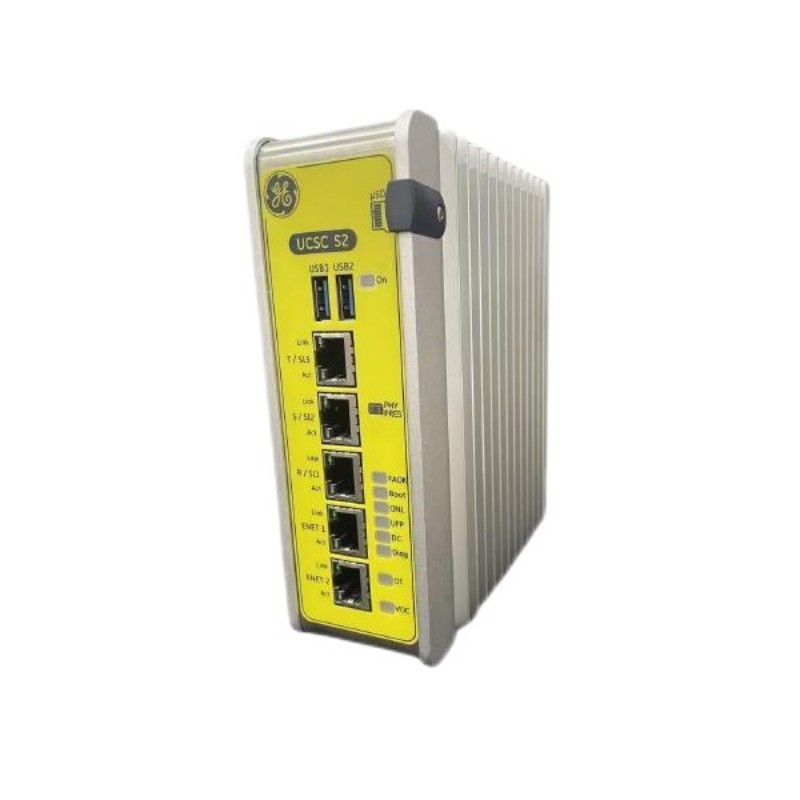
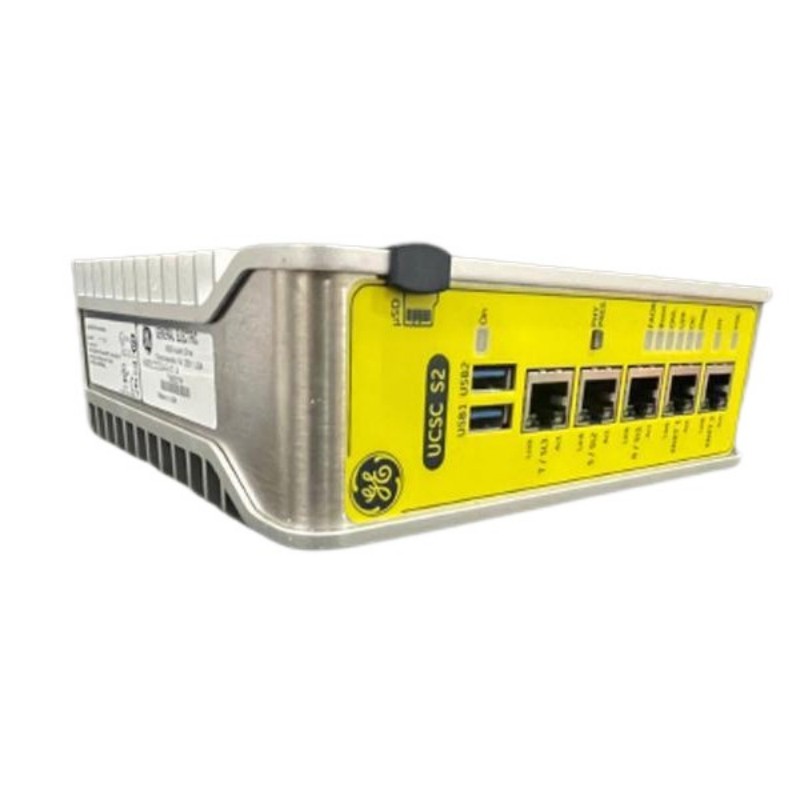
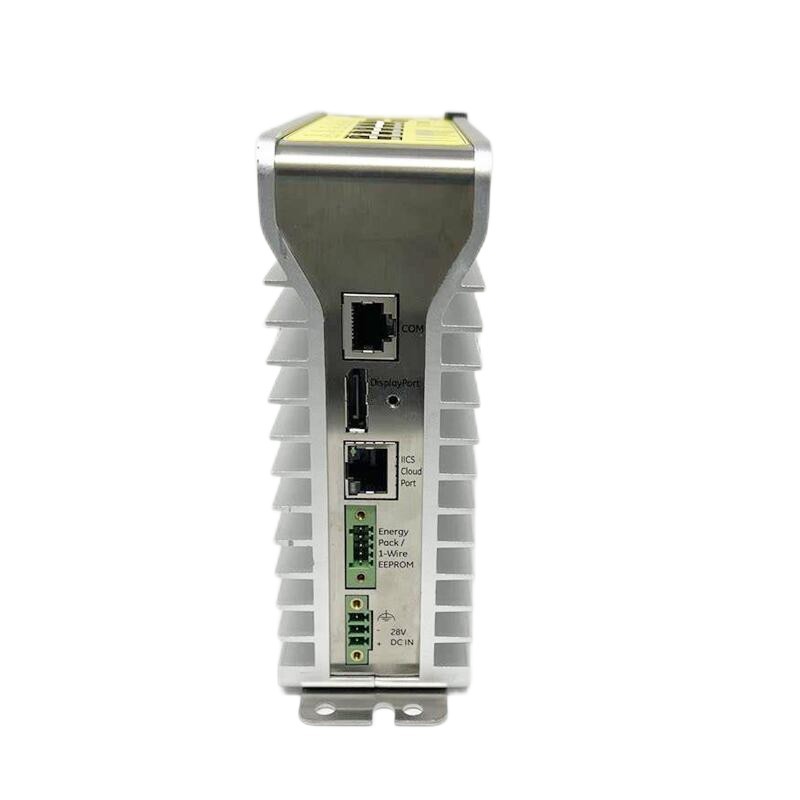
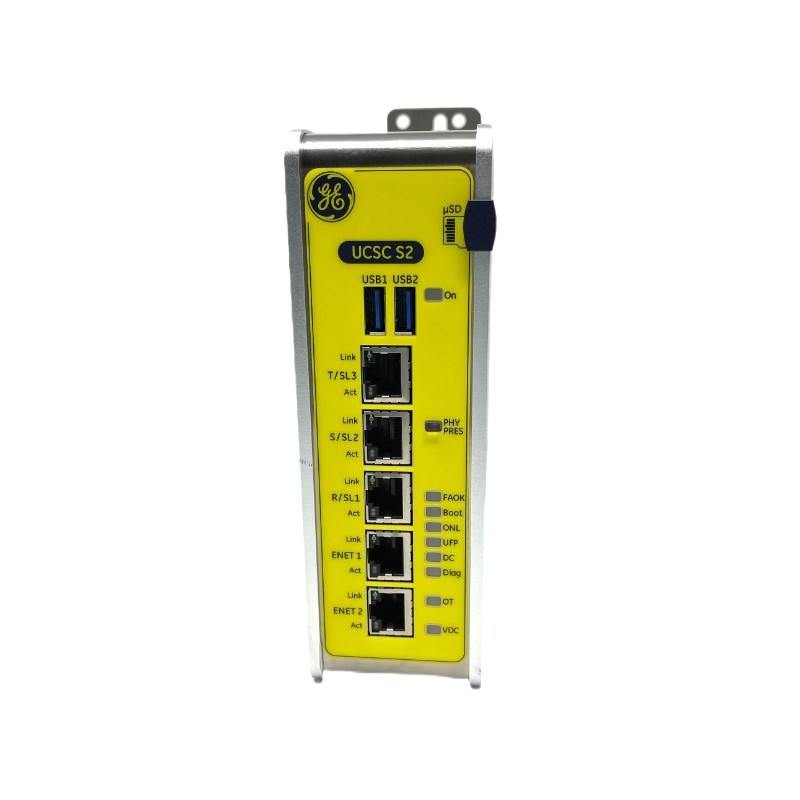
The IS420UCSCS2A is designed for environments that require reliable processing, deterministic communication, and integrated network coordination:
-
Real‑time turbine control in gas and steam power plants
-
Distributed control systems (DCS) with high‑throughput logic
-
Critical process automation in oil & gas facilities
-
Energy management systems requiring synchronized operations
-
Retrofit projects upgrading legacy controllers to modern architectures
Its deterministic performance and network‑ready design make it suitable for both greenfield installations and upgrades in complex control landscapes.
Advantages
-
Dual‑Core Performance: The embedded dual‑core CPU handles concurrent control tasks efficiently, improving responsiveness in advanced applications.
-
Deterministic Real‑Time Processing: QNX Neutrino ensures predictable and timely execution, critical for synchronized control loops across distributed systems.
-
Precision Synchronization: IEEE 1588 time protocol delivers microsecond‑level timing accuracy between networked I/O devices.
-
High Reliability: The passive, fanless design and wide temperature tolerance reduce mechanical failure risk and maintenance requirements.
-
Network Integration: IONet industrial Ethernet enables robust communication and simplified integration with surrounding automation infrastructure.
Together, these strengths provide a robust foundation for industrial control systems where stability and performance cannot be compromised.
Technical FAQs
1. What does the “Dual‑Core” architecture mean for this controller?
It means the module uses two processing cores to handle control logic and system tasks in parallel, improving performance and responsiveness.
2. What operating system does the IS420UCSCS2A use?
It runs QNX Neutrino, a real‑time operating system designed for deterministic control applications.
3. How is network synchronization achieved?
Synchronization is handled via IEEE 1588 Precision Time Protocol to ensure coordinated timing across distributed systems.
4. Is redundancy supported?
Yes, this controller can be integrated into redundant configurations within Mark VIe/Mark VIeS systems where supported.
5. What networking does it support?
IONet industrial Ethernet is the primary communication interface for deterministic data exchange.
6. Does it include onboard I/O?
No — it communicates with external I/O modules over the network, enabling flexible system design.
7. What are the power requirements?
The module operates on 18–32 V DC power, with 24 V DC being typical.
8. Can it operate in harsh environments?
Yes — its wide temperature range and industrial design allow use in challenging conditions.
9. How is maintenance handled?
Fanless, passive cooling and flash memory reduces maintenance needs, and firmware updates are applied via network or service interface.
10. What makes it suitable for turbine control?
Its deterministic processing, synchronization precision, and network performance deliver the real‑time characteristics required for turbine and plant operations.
 A DCS Q Co., Ltd. - PLC and DCS Industrial Control Equipment Wholesale