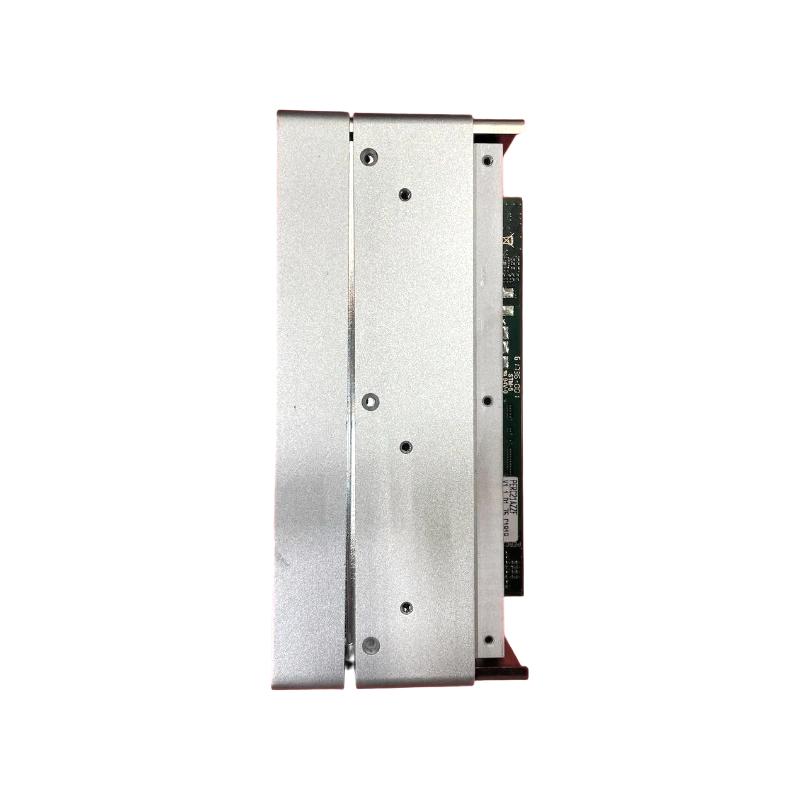
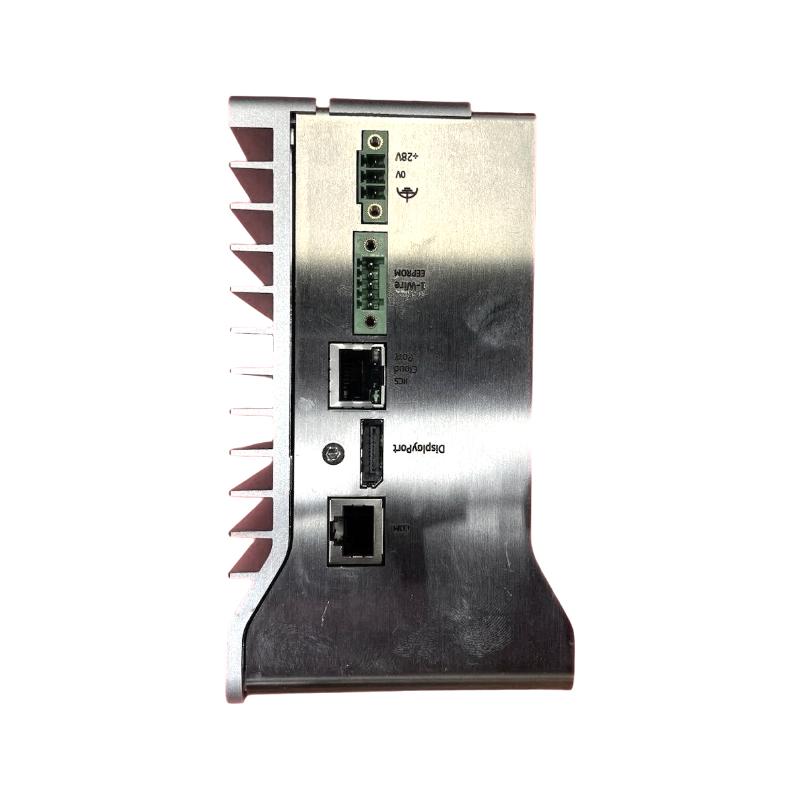
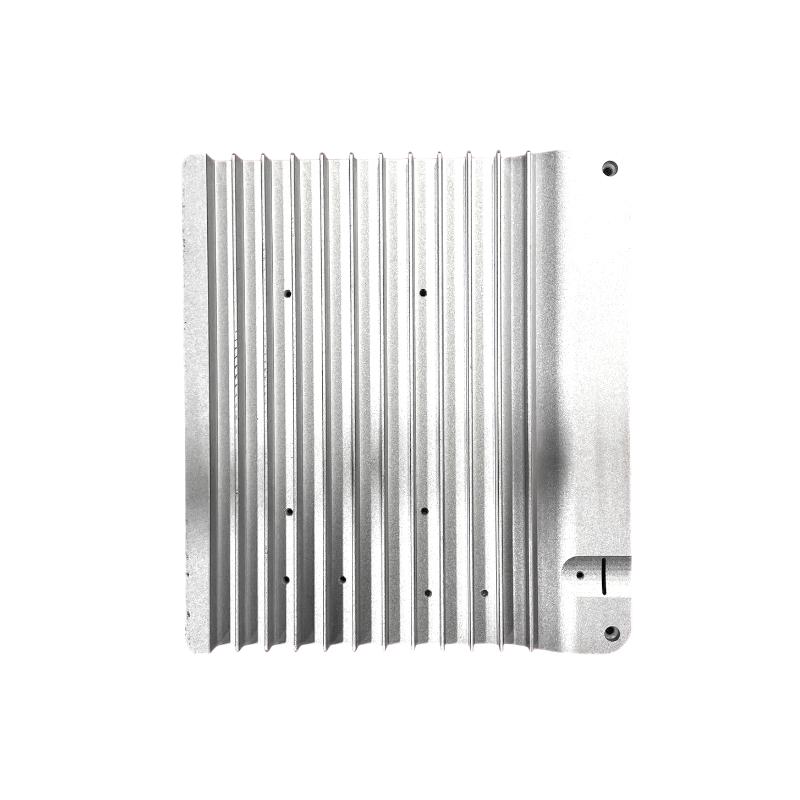
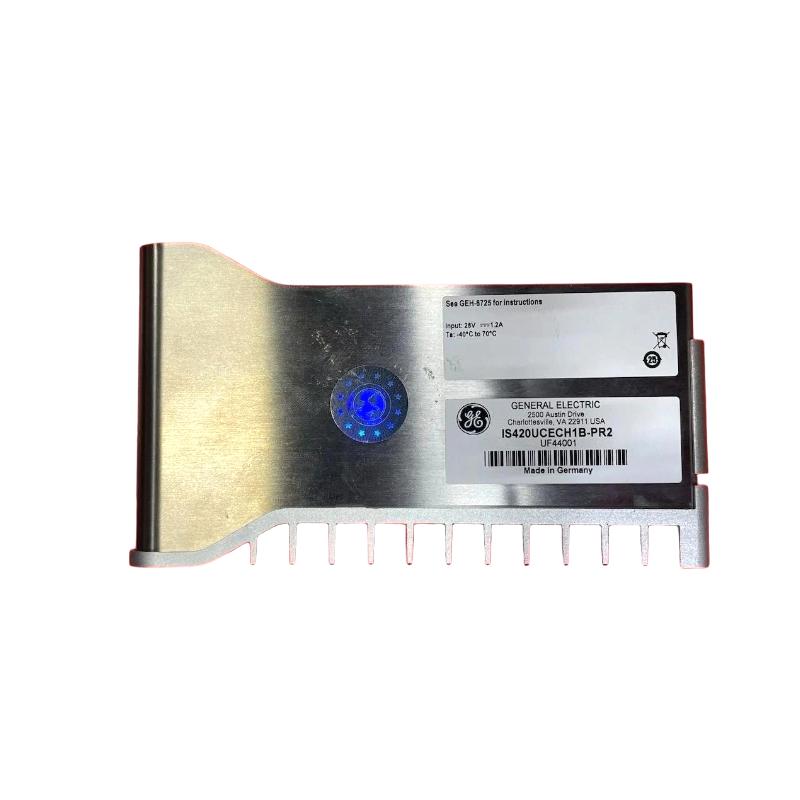
Applications
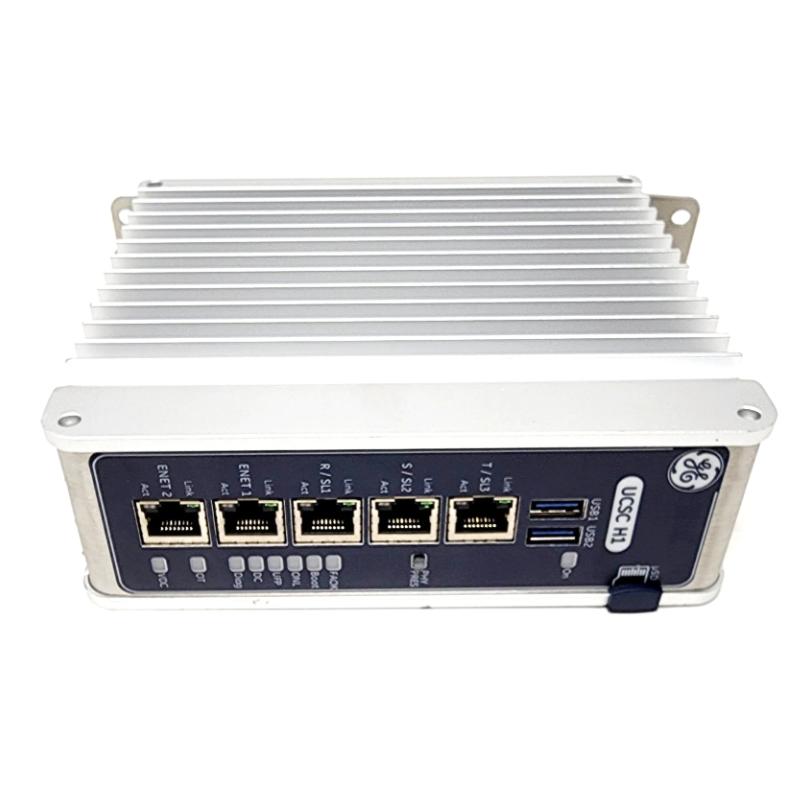
The IS420UCSCH1C is widely deployed in industrial applications that require deterministic control and high reliability:
-
Gas and steam turbine automation systems
-
Power generation and energy management facilities
-
Industrial process automation with distributed I/O
-
Safety‑critical environments requiring fast, synchronized control
-
Mark VIe system retrofits or expansions
Designed for deterministic network communication, this controller ensures precise timing and coordination across complex control topologies.
Advantages
-
Deterministic Performance: IEEE 1588 time synchronization ensures real‑time control fidelity across distributed devices.
-
High Reliability: Passive, fanless design eliminates moving parts, reducing maintenance and enhancing longevity.
-
Stand‑Alone Architecture: UCSB form‑factor simplifies integration with networked I/O infrastructure.
-
Robust Industrial Design: Broad operating temperature range and rugged construction support harsh environments.
-
Compact Footprint: Small module size saves space in control racks and simplifies installation.
The combination of real‑time responsiveness and industrial durability makes the IS420UCSCH1C ideally suited for mission‑critical automation tasks.
Technical FAQs
1. What distinguishes this UCSB controller from other control modules?
The IS420UCSCH1C is a standalone UCSB controller optimized for deterministic communication with network I/O, rather than hosting local I/O directly.
2. What operating system does it use?
It runs QNX Neutrino Real‑Time OS for deterministic execution of control tasks.
3. What type of processor powers this module?
An Intel EP80579 embedded processor at approximately 800 MHz.
4. How does it handle network synchronization?
It uses IEEE 1588 Precision Time Protocol for accurate synchronization across distributed I/O.
5. Does it support redundancy?
Yes, it can operate within redundant control schemes when integrated within Mark VIe architectures.
6. What communication interfaces are included?
IONet Industrial Ethernet supports deterministic communication layers across the control system.
7. What are its power requirements?
Typically 18–32 V DC, with nominal 24–28 V DC operation.
8. Can it operate in harsh environments?
Yes, its design supports industrial temperature ranges and conditions.
9. Does it include built‑in I/O?
No; it relies on networked I/O modules connected via IONet.
10. How is maintenance managed?
The fanless, battery‑free design reduces maintenance, and firmware updates are applied via flash memory.
 A DCS Q Co., Ltd. - PLC and DCS Industrial Control Equipment Wholesale