Applications in Industrial Automation Networks (Applications)
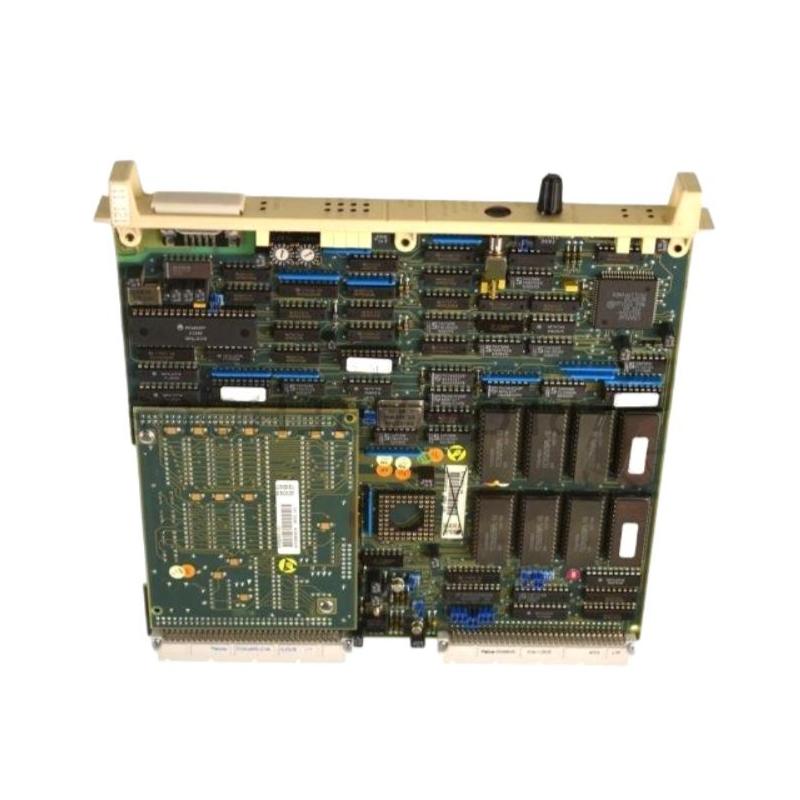
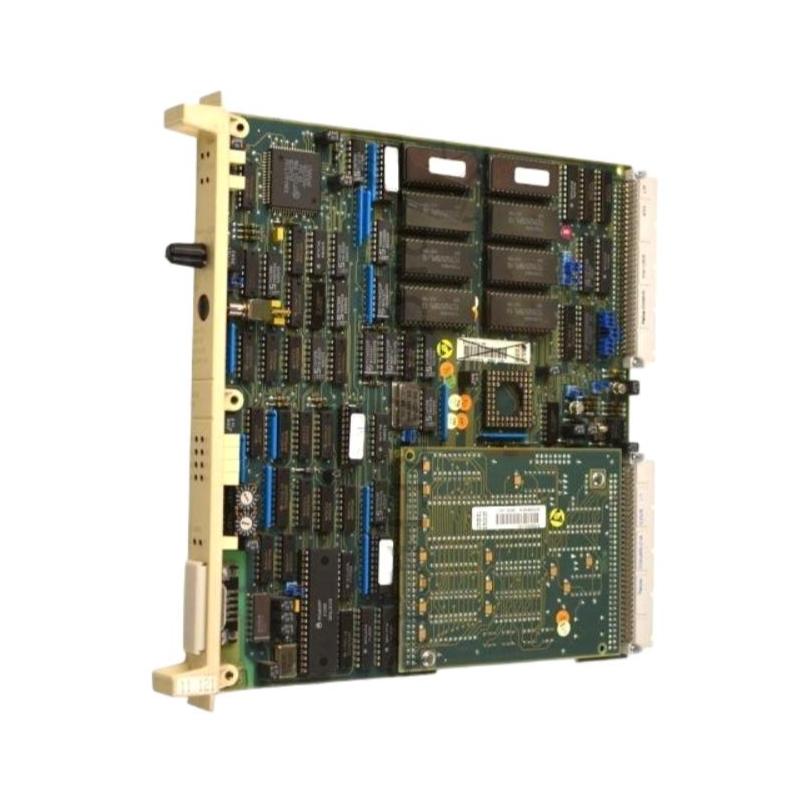
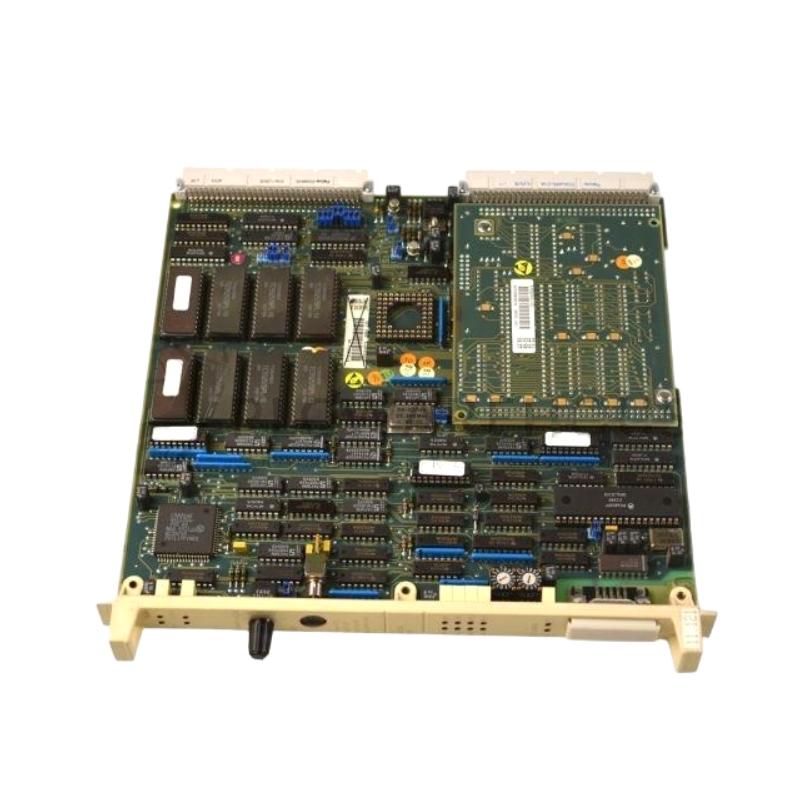
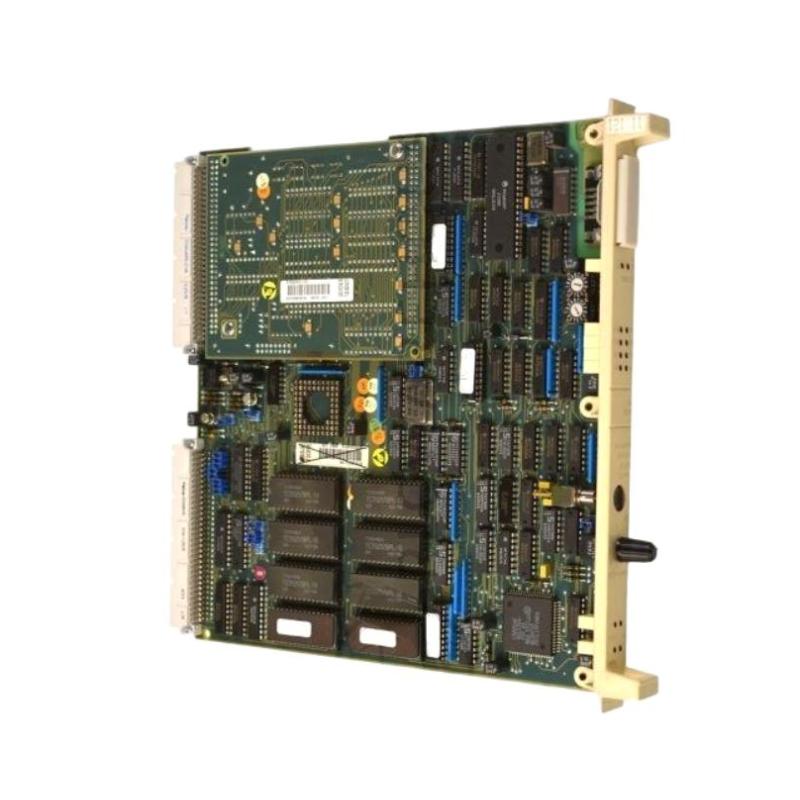
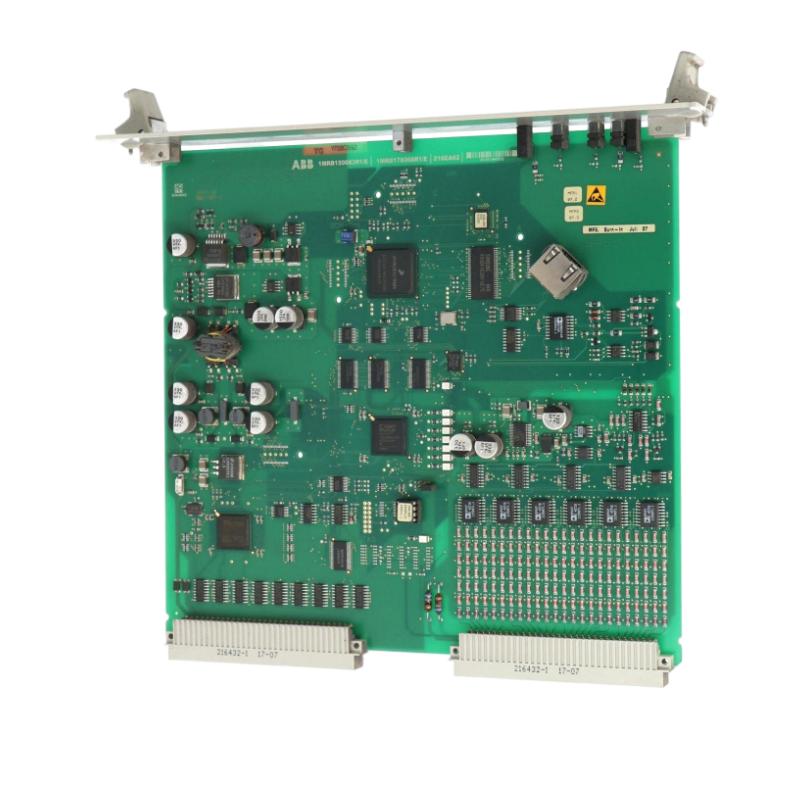
The ABB DSCS 145 57520001-KX Communication Processor is designed to manage, route, and coordinate data flow between distributed control system modules. It acts as a central communication hub, ensuring reliable signal exchange and system-wide synchronization across automation networks.
Typical deployment scenarios include:
-
Distributed control systems in process and manufacturing industries
-
Automation in chemical, petrochemical, and pharmaceutical plants
-
Power generation and energy management systems
-
Water and wastewater treatment automation
-
Industrial facilities requiring centralized communication management
-
Infrastructure automation with synchronized multi-module operation
By enabling centralized and efficient communication, the DSCS 145 enhances system reliability, coordination, and process performance.
Operational Advantages (Advantages)
-
Centralized Communication Management
Acts as a hub to coordinate data flow between multiple modules.
-
Seamless Integration with ABB Systems
Fully compatible with ABB distributed control and automation platforms.
-
Reliable Industrial Performance
Maintains stable operation under vibration, temperature variations, and electrical noise.
-
Supports Real-Time Data Processing
Ensures timely signal transmission and system synchronization.
-
Scalable Network Capability
Facilitates integration of additional modules without compromising communication performance.
Technical FAQs (Technical FAQs)
-
What is the primary function of the DSCS 145 processor?
It manages and coordinates communication between distributed control system modules.
-
Which systems commonly use this communication processor?
ABB distributed control and industrial automation platforms.
-
Can it support real-time signal transmission?
Yes, it ensures timely and accurate communication across the network.
-
Is it suitable for continuous industrial operation?
Yes, it is engineered for reliable long-term performance.
-
Where is the processor typically installed?
Inside control cabinets or automation racks.
-
Does it integrate with existing ABB architectures?
Yes, it is fully compatible with ABB distributed control systems.
-
Can it operate under industrial electrical interference?
Yes, it maintains reliable communication even in noisy industrial environments.
-
Which industries commonly deploy this module?
Manufacturing, process industries, utilities, energy, and infrastructure automation.
-
How does it improve system coordination?
By centralizing communication, it ensures synchronized operation of multiple modules.
-
Why are communication processors important in automation systems?
They provide centralized management of data flow, enhancing system reliability, efficiency, and synchronization.
 A DCS Q Co., Ltd. - PLC and DCS Industrial Control Equipment Wholesale