Product Insight
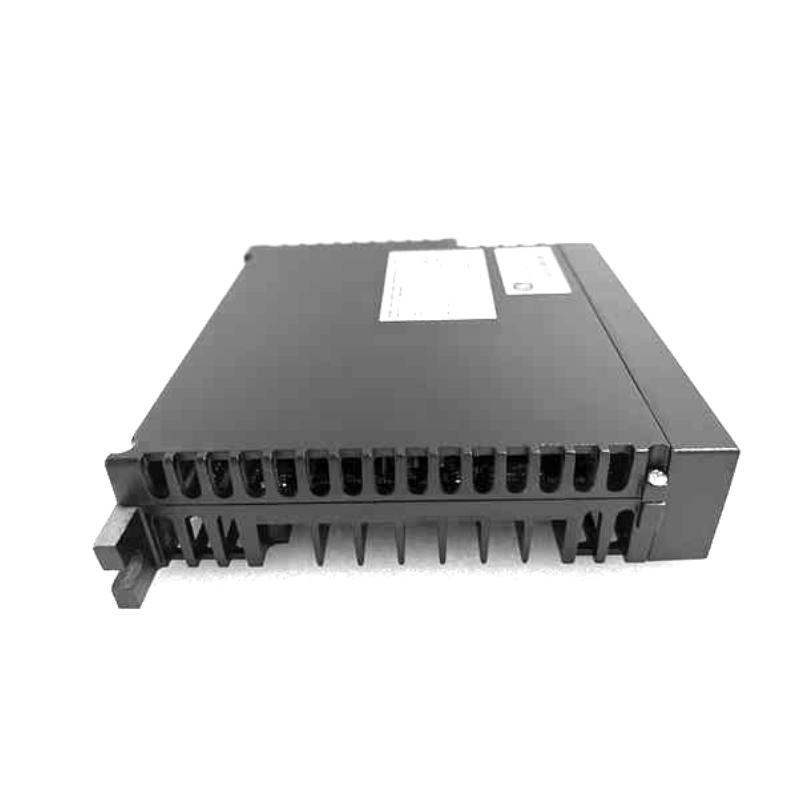
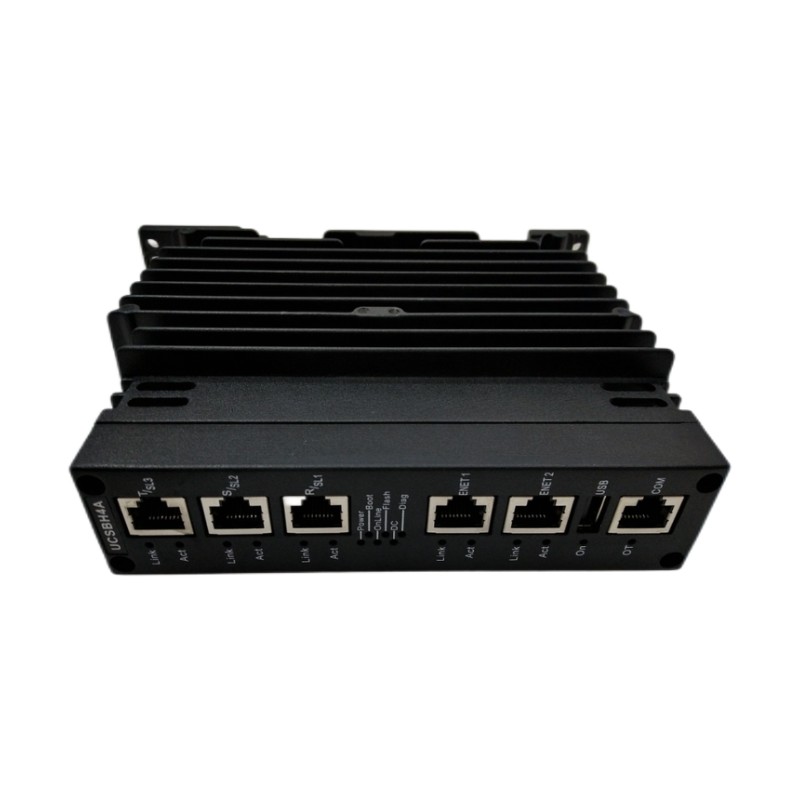
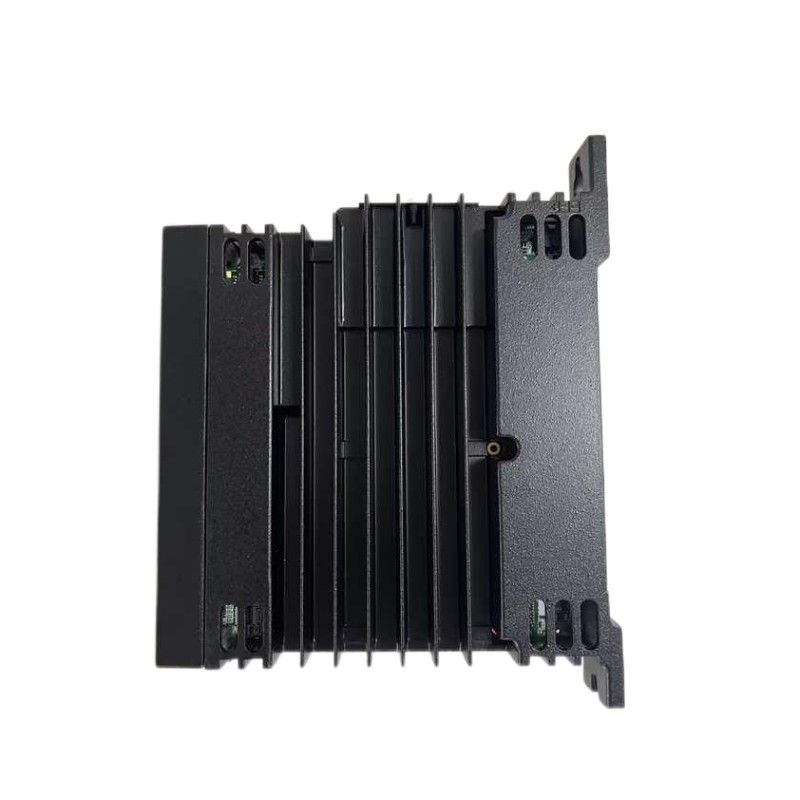
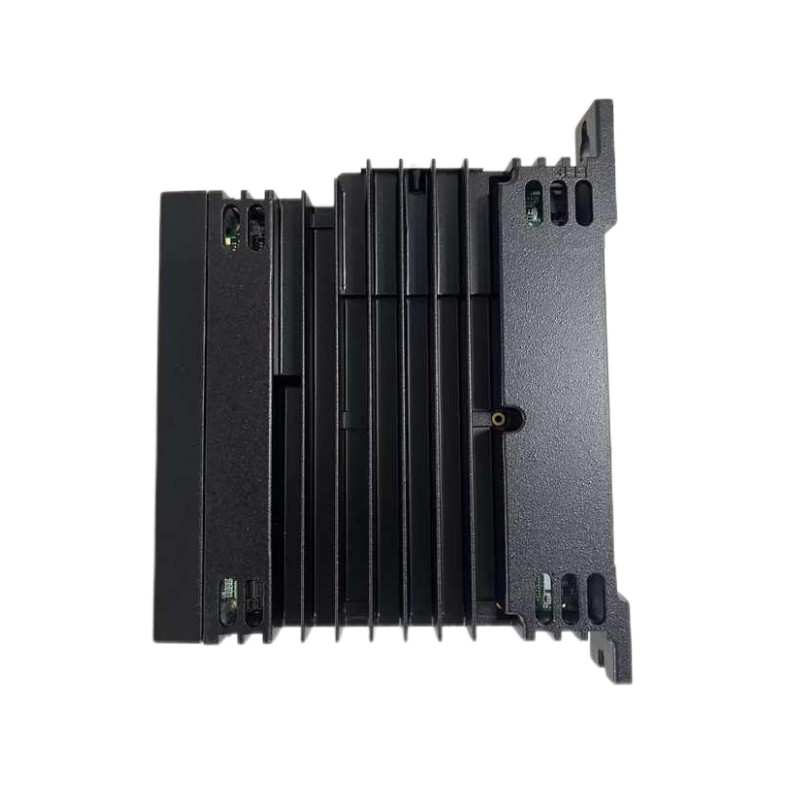
The GE IS420UCSBH1A UCSB Controller Module is a compact, standalone control processor developed for the Mark VIe control system platform. Unlike traditional PLC-based architectures, this module operates as an independent computing unit, executing application-specific control logic with exceptional speed and determinism.
Designed for turbine and safety-critical environments, it integrates advanced processing, real-time operating capabilities, and high-reliability architecture. Its streamlined hardware design—free of fans, batteries, and jumpers—reduces maintenance while maximizing long-term operational stability.
Technical Specifications
| Parameter | Specification |
|---|
| Model | IS420UCSBH1A |
| Product Type | UCSB Controller Module |
| Series | Mark VIe / EX2100e / LS2100e |
| Processor | Intel EP80579, 600 MHz |
| Memory | 256 MB DDR2 RAM (ECC) / 2 GB NAND Flash |
| Operating System | QNX Neutrino RTOS |
| Communication Interface | IONet (dedicated industrial Ethernet) |
| Synchronization | IEEE 1588 (≤100 μs accuracy) |
| Power Supply | 18–30 V DC (nominal 24–28 V DC) |
| Max Current | 1.5 A |
| Cooling | Passive (fanless design) |
| Mounting | Panel-mounted module |
| Operating Temperature | -30°C to +65°C |
| Dimensions (HxWxD) | 85 × 110 × 35 mm (approx.) |
| Weight | Approx. 1.1–1.2 kg |
Typical Applications
The IS420UCSBH1A is widely utilized in industries where real-time control, safety integrity, and redundancy are essential:
-
Gas and steam turbine control systems
-
Power generation and energy management plants
-
Oil & gas processing facilities
-
Industrial automation requiring SIL2/SIL3 safety loops
-
High-availability distributed control systems (DCS)
Its architecture ensures that all I/O networks are connected to each controller, eliminating single points of failure and enhancing system resilience.
Core Advantages
The IS420UCSBH1A delivers a unique combination of simplicity and performance. Its single-module design integrates power supply and processing, significantly reducing wiring complexity and installation time.
A key strength lies in its fault-tolerant architecture—ensuring no loss of application input data even during maintenance or controller shutdown scenarios.
The absence of moving parts such as fans enhances durability, while flash-based memory allows quick updates and long lifecycle support. Combined with deterministic IONet communication and precise IEEE 1588 synchronization, it guarantees stable and synchronized control across complex systems.
Technical FAQs
1. What distinguishes the UCSB controller from traditional PLCs?
It is a standalone computing controller without direct I/O hosting, relying on networked I/O for flexibility.
2. Which systems support this module?
It is designed for Mark VIe, EX2100e, and LS2100e control systems.
3. What type of processor is used?
A 600 MHz Intel EP80579 embedded processor.
4. Does it support real-time synchronization?
Yes, via IEEE 1588 with microsecond-level accuracy.
5. What operating system does it run?
QNX Neutrino real-time operating system.
6. Is redundancy supported?
Yes, including dual and Triple Modular Redundancy (TMR) configurations.
7. Does it include built-in I/O?
No, it communicates with distributed I/O packs via IONet.
8. What are the power requirements?
18–30 V DC, typically 24 V DC operation.
9. Is it suitable for hazardous environments?
Yes, it is designed to meet industrial standards for demanding environments.
10. How is maintenance handled?
Its fanless and battery-free design minimizes maintenance, while firmware can be updated easily via flash memory.
 A DCS Q Co., Ltd. - PLC and DCS Industrial Control Equipment Wholesale