Typical Industrial Applications
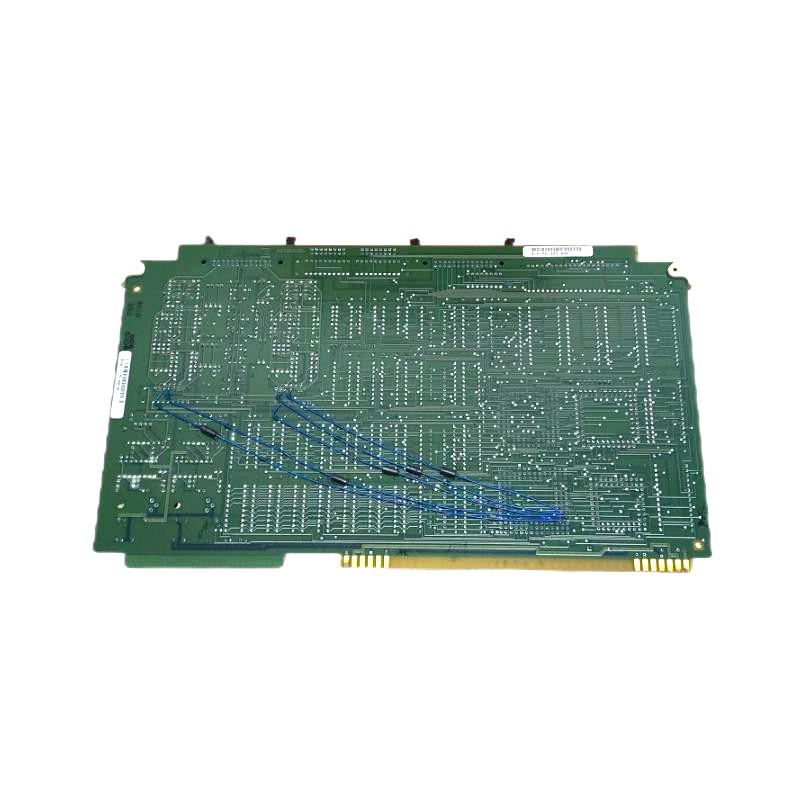
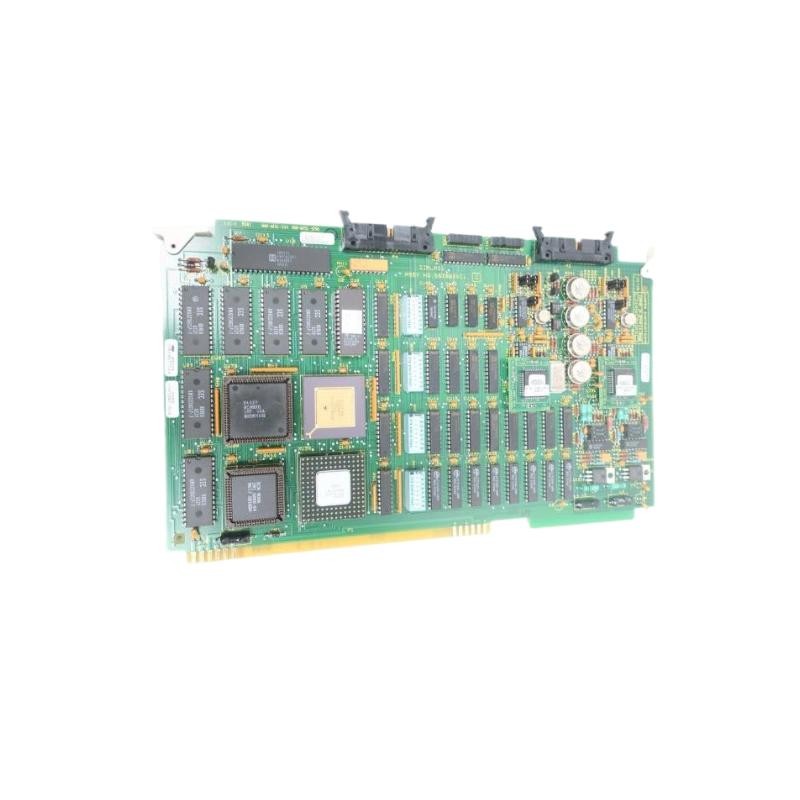
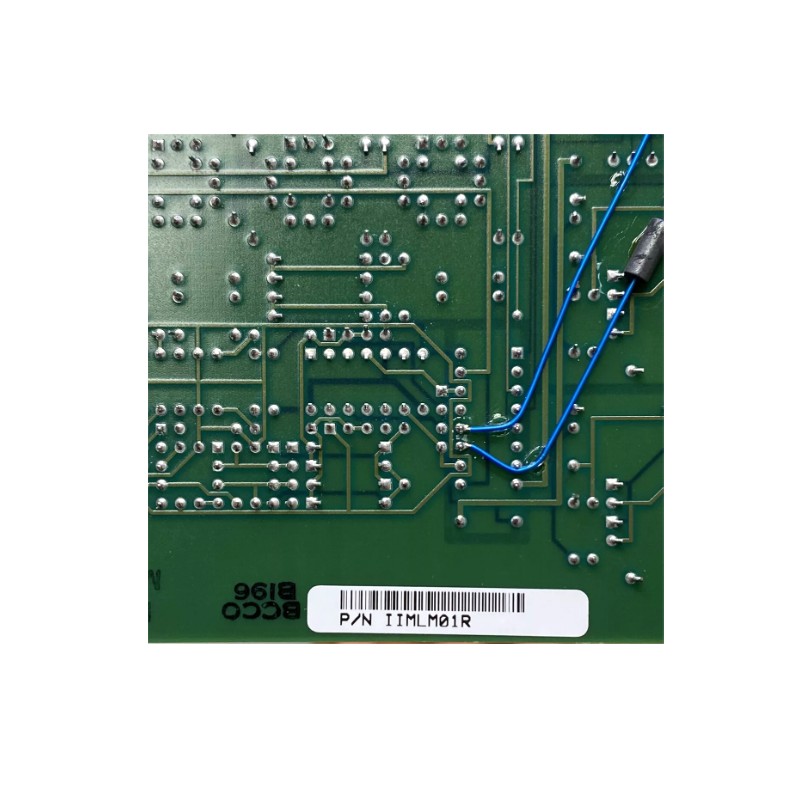
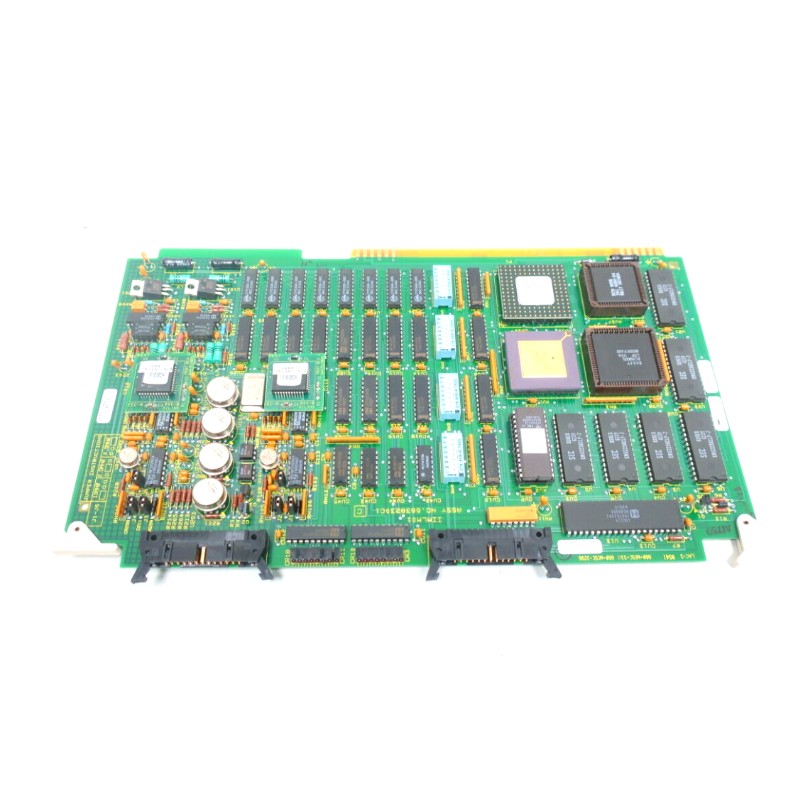
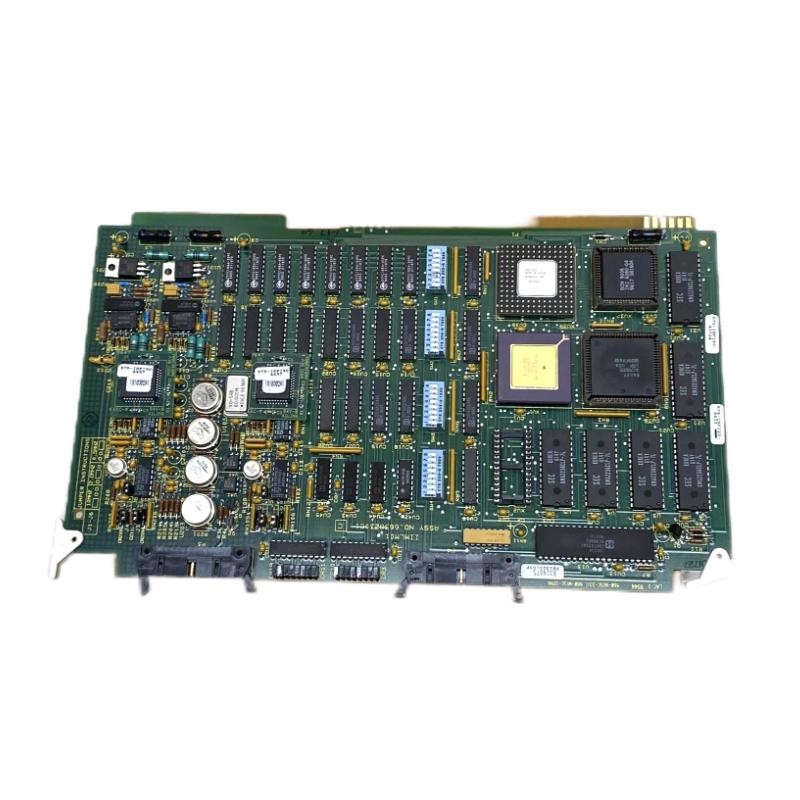
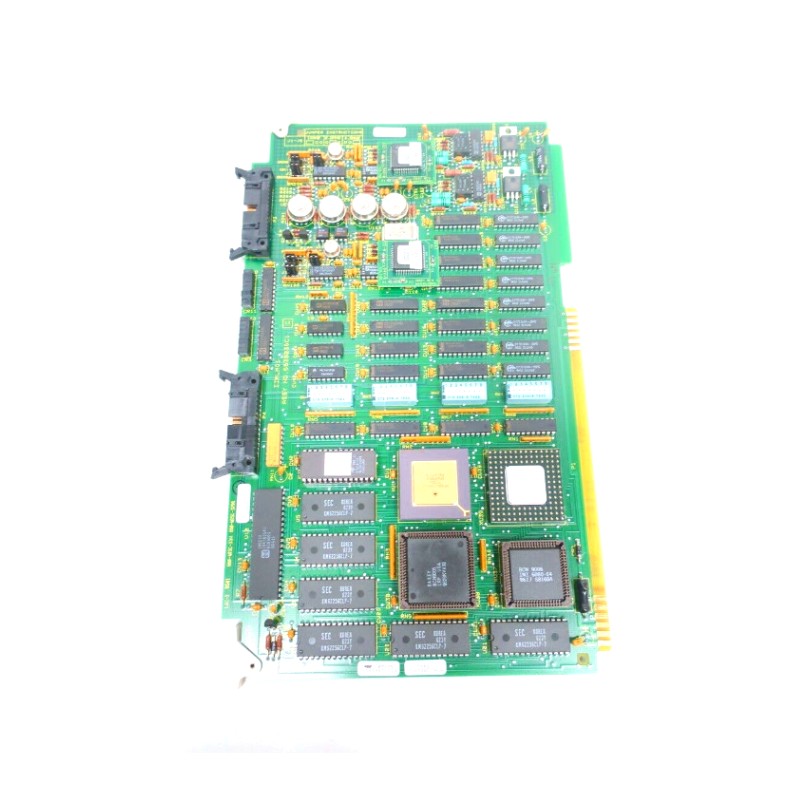
The IIMLM01 Multibus Loop Module is deployed wherever structured loop communication and distributed I/O functionality are important:
-
Distributed loop communication linking controllers and I/O racks
-
Scaling multibus segments across extended plant areas
-
Loop data aggregation for redundant or segmented networks
-
Communication coordination between field I/O and central processors
-
Real‑time synchronization across loop and bus segments
Its role is to maintain orderly, predictable communication flow for discrete and analog loops — helping engineers manage complex automation topologies with confidence.
Key Advantages & Features
-
Multibus Communication Support:
Handles loop‑level messaging over structured bus networks, keeping data exchange orderly and efficient.
-
Deterministic Interface:
Ensures predictable, real‑time communication essential for automated control functions.
-
Galvanic Isolation:
Signals are electrically isolated across communication paths to improve noise immunity and protect system integrity.
-
Industrial Robustness:
Built for vibration, temperature variation, and electrical noise common in manufacturing and process facilities.
-
Simplified Topology Integration:
Acts as a communications hub for loop segments, reducing wiring complexity and improving maintainability.
These strengths make the IIMLM01 Multibus Loop Module a practical communication core for engineers tasked with deploying scalable, high‑performance automation networks.
Technical FAQs
-
What is the primary function of the IIMLM01?
It serves as a loop‑level communication interface bridging multiple multibus segments in DCS architectures.
-
Which control systems is it compatible with?
ABB Bailey distributed control systems such as INFI‑90 and compatible automation platforms.
-
Does it support isolation between communication paths?
Yes — galvanic isolation is provided to help maintain signal integrity and reduce interference.
-
How is the module mounted?
It mounts within control cabinets or rack frames using standard industrial practices.
-
What environments can it operate in?
Designed for industrial environments with vibration, temperature swings, and plant electrical noise.
-
Does it require separate power?
The module typically uses backplane or bus power according to system wiring standards.
-
Can it support redundant communication topologies?
When used within properly configured systems, it can participate in redundant or segmented bus designs.
-
Is it suitable for remote I/O communication expansion?
Yes — it is used to extend loop communication segments to distributed I/O regions.
-
Does it handle analog and digital loops alike?
Yes — it supports communication across both discrete and analog loop data where configured.
-
Does it simplify system troubleshooting?
Yes — structured communication paths help reduce wiring confusion and assist in isolating issues
 A DCS Q Co., Ltd. - PLC and DCS Industrial Control Equipment Wholesale