Introduction
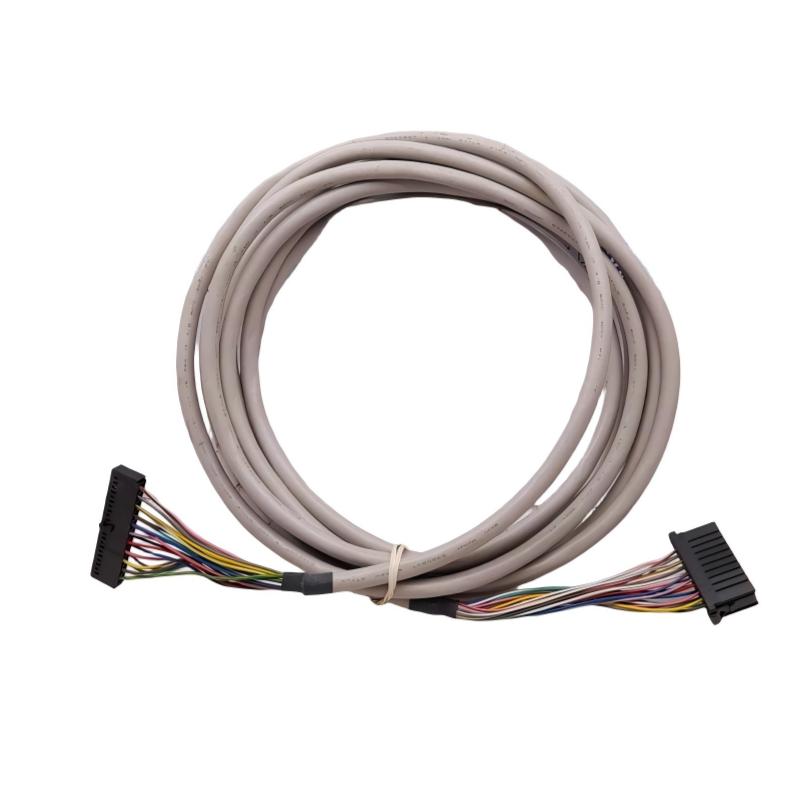
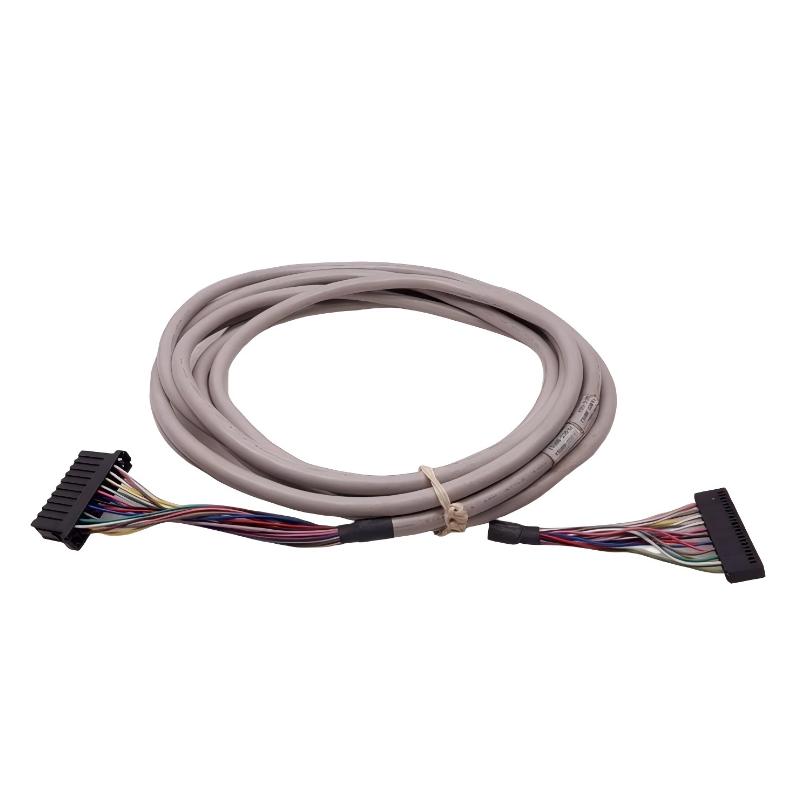
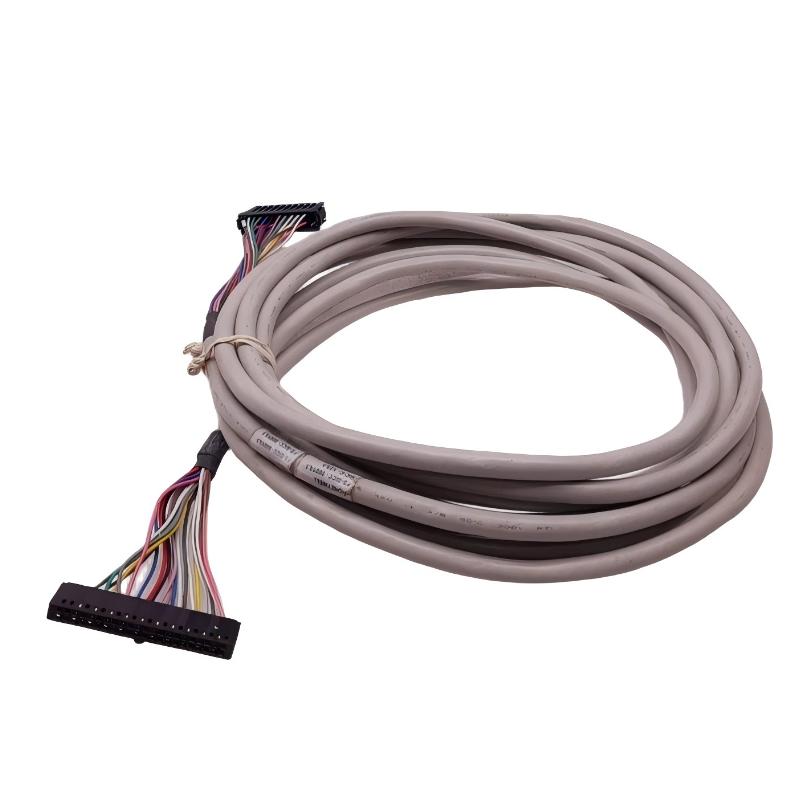
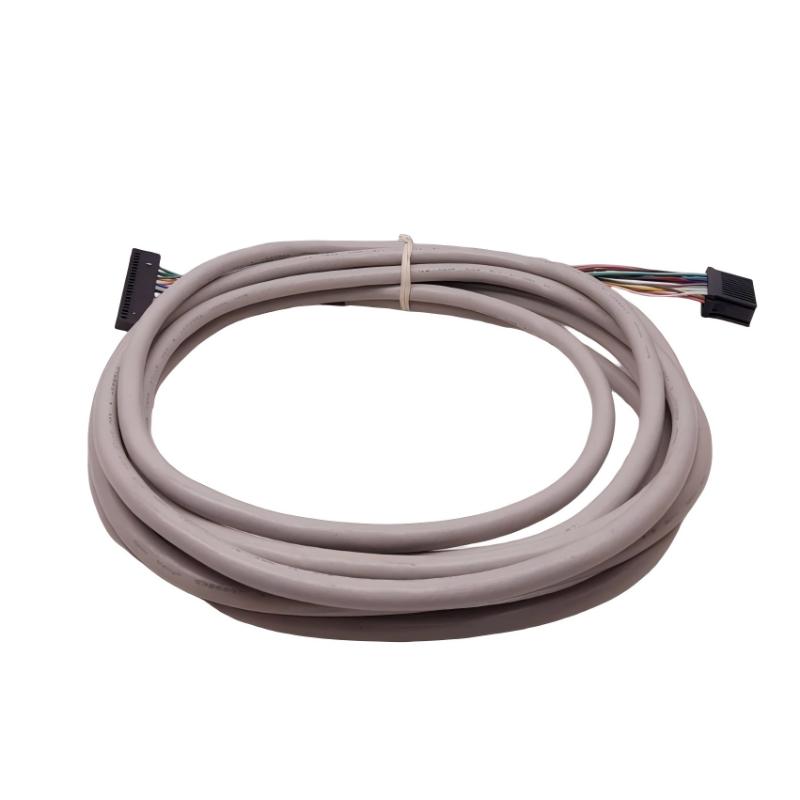
The Honeywell FS-SIC-C12/L6 SIC Cable is a dedicated interconnection component developed for structured signal transmission within Honeywell safety and control systems. Rather than serving as a flexible, general-purpose cable, it is engineered to support defined SIC communication paths where electrical consistency and system compliance are essential.
From a technical documentation and system design perspective, this cable is typically specified in projects that emphasize repeatable cabinet layouts and validated wiring schemes. Its optional length offering allows integration teams to match physical routing requirements without deviating from approved system architecture.
Technical Specifications
| Parameter | Description |
|---|
| Manufacturer | Honeywell |
| Model | FS-SIC-C12/L6 |
| Module Type | SIC Cable |
| Primary Function | Signal interconnection within SIC systems |
| Cable Construction | Factory-assembled industrial cable |
| System Compatibility | Honeywell safety and control platforms |
| Installation Location | Industrial control cabinets |
| Cable Length | Optional (project-specific) |
| Weight | Approx. 3 kg |
Technical FAQs
1. What is the main role of the FS-SIC-C12/L6 cable?
It provides a standardized signal connection between components within a SIC-based system.
2. Is this cable suitable for custom wiring applications?
No, it is intended for predefined Honeywell SIC system layouts.
3. Can the cable length be selected based on project needs?
Yes, it is available in optional lengths to suit different cabinet configurations.
4. Is on-site termination required?
No, the cable is supplied as a complete, factory-assembled unit.
5. Can it be used in safety-critical systems?
Yes, it is designed for use in Honeywell safety architectures.
6. How does it help with system standardization?
It ensures uniform cabling across multiple installations.
7. Is special installation training required?
Standard industrial installation practices are sufficient.
8. Can it be reused during system modifications?
It can be reused if interface and routing requirements remain unchanged.
9. Where is it typically installed?
Inside protected industrial control cabinets.
10. Why choose a dedicated SIC cable over a generic alternative?
It ensures compatibility, supports validation, and improves long-term reliability.
 A DCS Q Co., Ltd. - PLC and DCS Industrial Control Equipment Wholesale