Product Overview
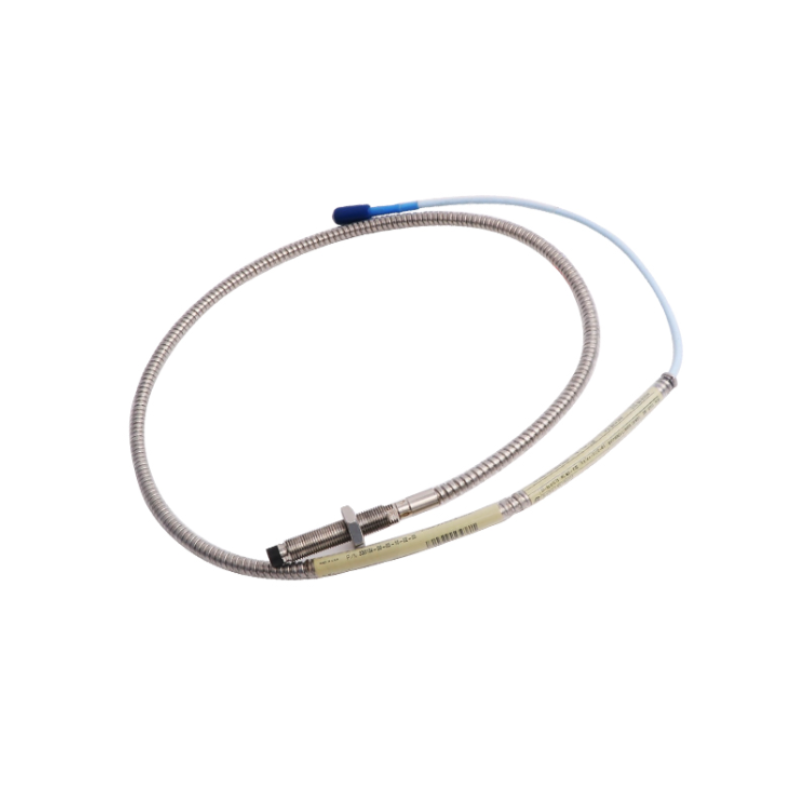
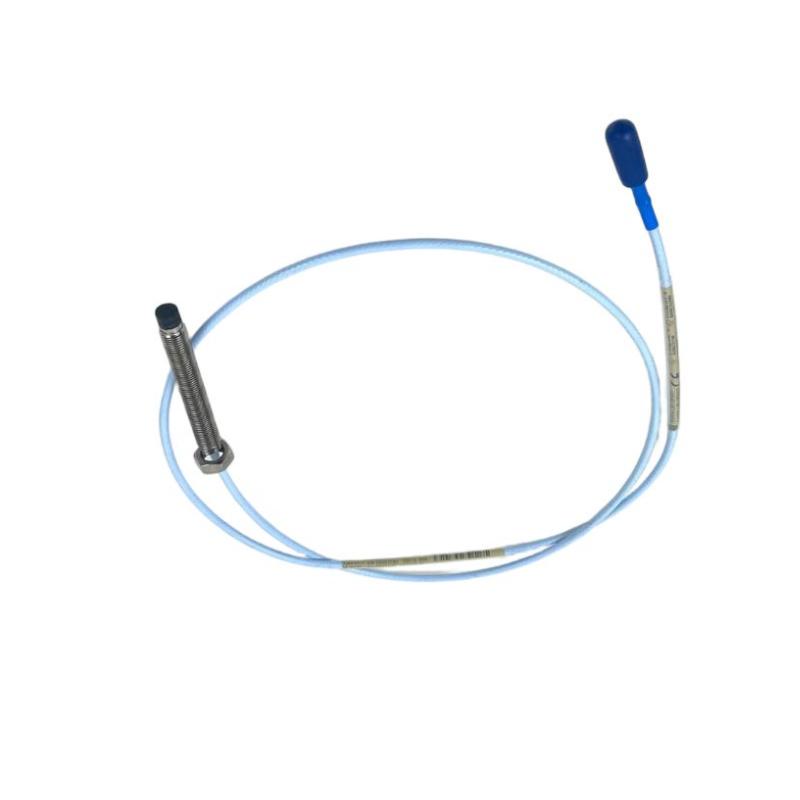
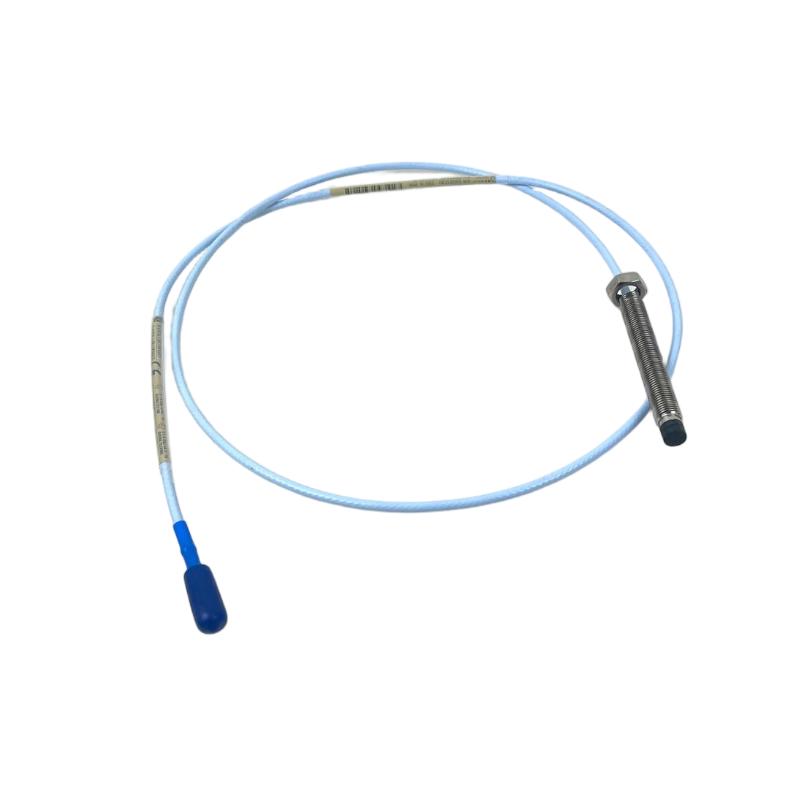
Modern rotating equipment requires precise condition monitoring to maximize uptime and minimize maintenance costs. The 330101-00-12-10-02-01 provides non-contact measurement capability, allowing accurate monitoring without introducing wear to the rotating shaft.
Its rugged construction and proven sensing technology make it suitable for demanding industrial environments where reliability and measurement consistency are critical.
Technical Specifications
| Parameter | Specification |
|---|
| Product Type | Proximity Probe |
| Model Number | 330101-00-12-10-02-01 |
| Measurement Technology | Eddy-current non-contact sensing |
| Probe Series | 3300 Series |
| Primary Measurements | Shaft vibration, displacement, position |
| Probe Diameter | 8 mm Class |
| System Type | Probe component of proximity transducer system |
| Housing Material | Stainless Steel |
| Probe Tip Material | High-performance engineered polymer |
| Cable Type | Integral coaxial cable |
| Cable Length | 1.0 m (configuration dependent) |
| Connector Type | Miniature coaxial connector |
| Operating Temperature | Industrial temperature range |
| Installation Method | Threaded mounting |
| Environmental Resistance | High resistance to vibration and contaminants |
| Approximate Dimensions | 140 × 8 × 8 mm |
| Approximate Weight | 0.15–0.30 kg |
Technical FAQs
1. What does the 330101-00-12-10-02-01 measure?
It measures shaft vibration, displacement, and position without contacting the rotating surface.
2. Is this probe suitable for continuous operation?
Yes. It is designed for permanent installation in machinery monitoring systems.
3. What sensing technology is used?
The probe uses eddy-current sensing technology for non-contact measurements.
4. Which industries commonly use this probe?
Power generation, oil and gas, petrochemical, manufacturing, and heavy industry.
5. Can it be installed near high-speed rotating shafts?
Yes. It is specifically designed for monitoring high-speed rotating equipment.
6. Does the probe require signal conditioning electronics?
Yes. It typically operates as part of a complete proximity transducer system.
7. Is the probe resistant to industrial environments?
Yes. Its construction is designed to withstand vibration, temperature variations, and industrial contaminants.
8. What maintenance does the probe require?
Routine inspection and verification of mounting condition and cable integrity are generally recommended.
9. Can it support predictive maintenance programs?
Yes. Continuous vibration monitoring enables early fault detection and condition-based maintenance.
10. Why choose a non-contact probe?
Non-contact measurement eliminates mechanical wear while providing highly accurate shaft motion data.
 A DCS Q Co., Ltd. - PLC and DCS Industrial Control Equipment Wholesale