Introduction
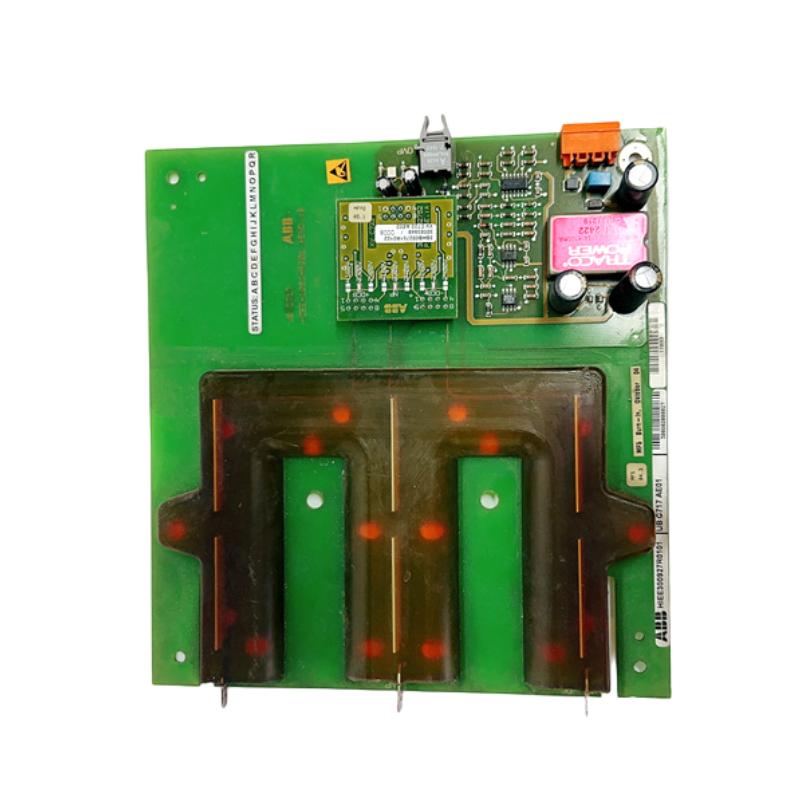
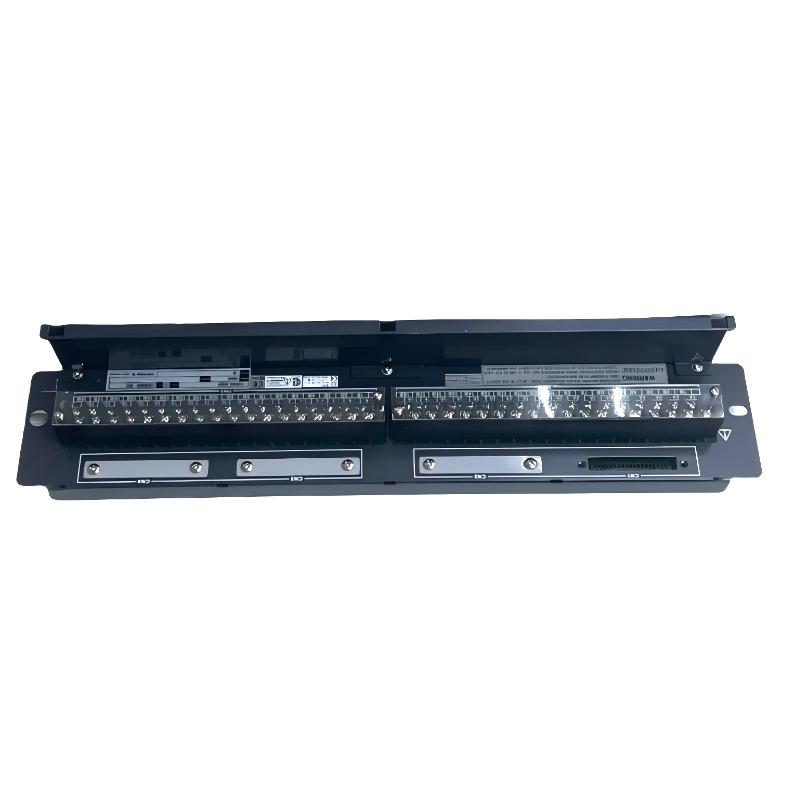
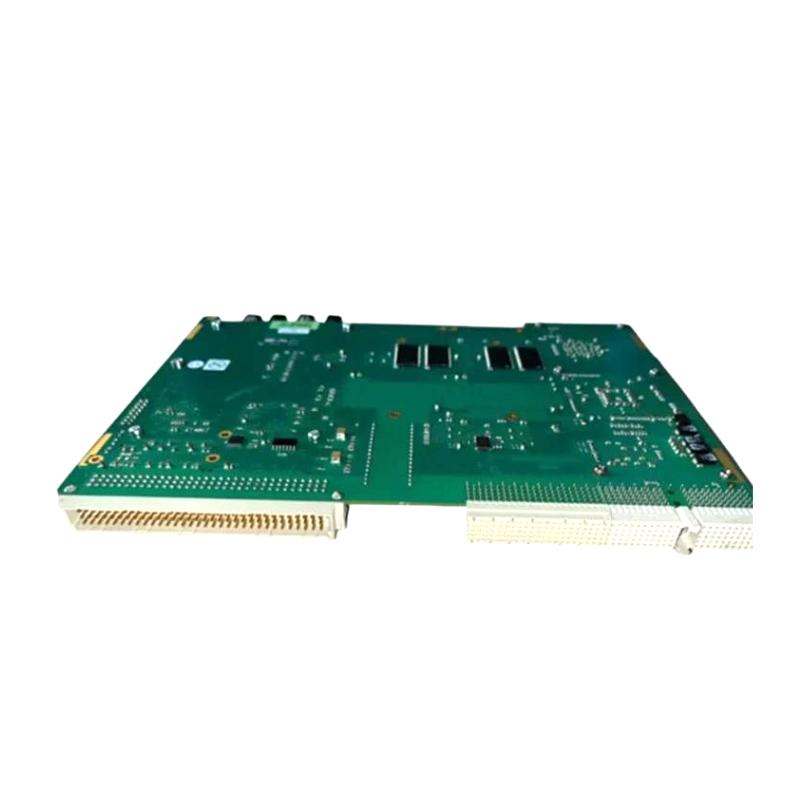
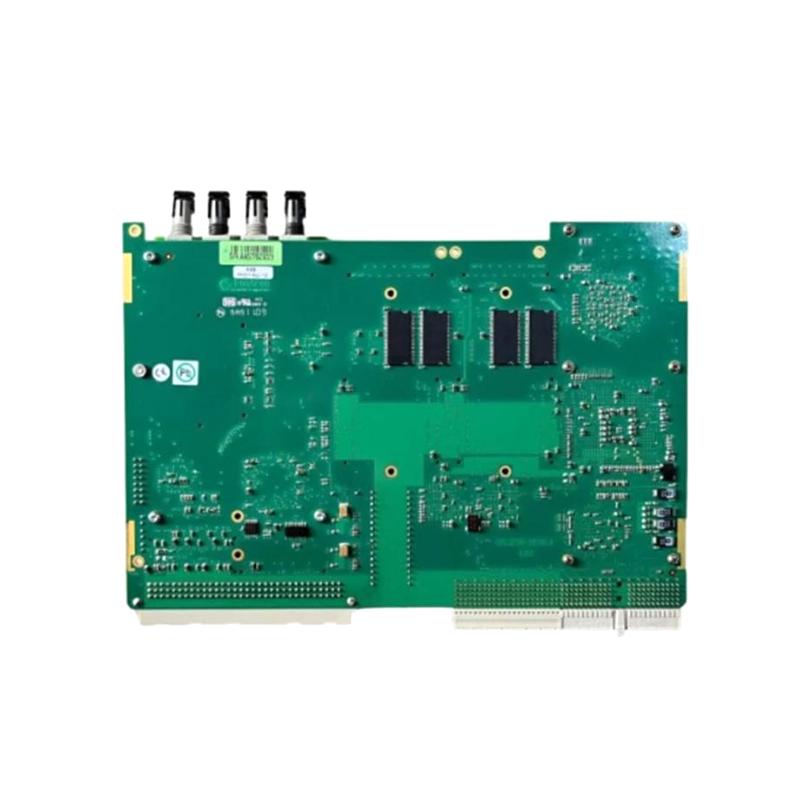
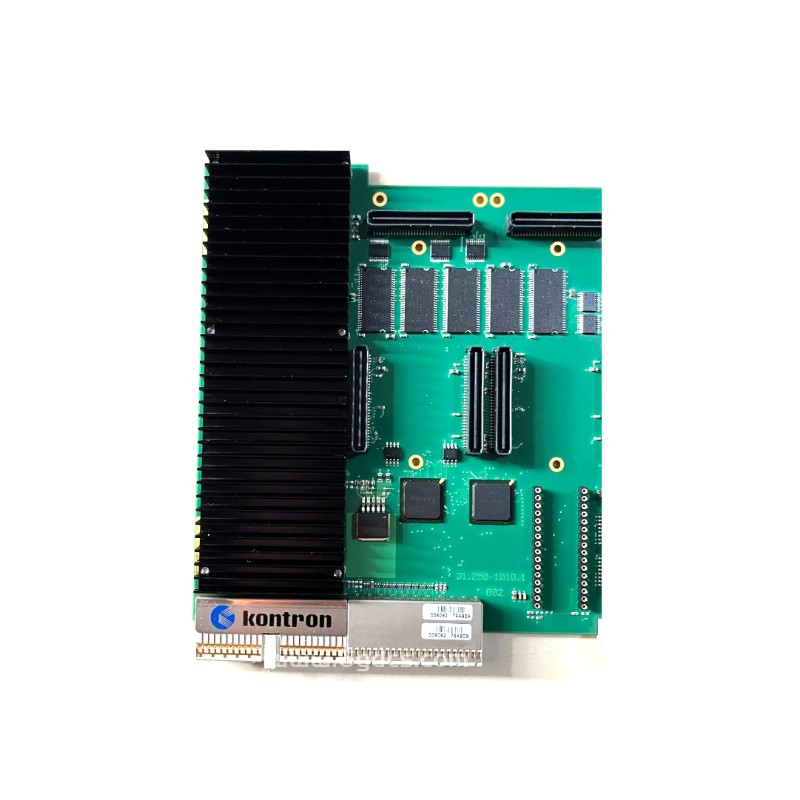
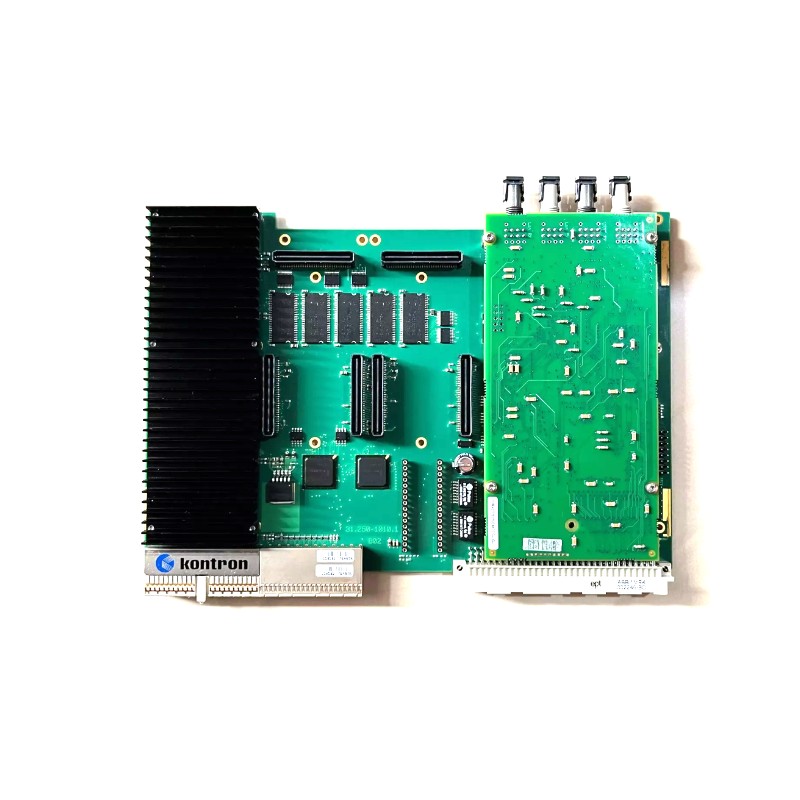
The ABB 1MRK001608-AAr02 Binary Input/Output Module is a compact industrial communication and control interface designed to manage reliable digital signal exchange between field devices and ABB automation systems. It is commonly deployed in distributed control and protection environments where stable binary signal acquisition and output switching are essential for safe and efficient operation.
This module is part of ABB’s industrial automation ecosystem and is widely used in power generation, substation control, and process automation systems. It is engineered for high electrical noise immunity, long service life, and consistent performance in mission-critical infrastructure.
Technical Specifications
| Parameter | Details |
|---|
| Model | 1MRK001608-AAr02 |
| Product Type | Binary Input/Output Module |
| Manufacturer | ABB |
| Function | Digital signal input and output processing |
| System Role | Control, monitoring, and communication interface |
| Signal Type | Binary (digital ON/OFF signals) |
| Communication | System internal bus / serial communication interface |
| Protocol Support | Industrial ABB communication protocols (system-dependent) |
| Power Supply | 24 V DC (typical industrial supply) |
| Power Consumption | Low-power embedded design |
| Operating Temperature | -20°C to +60°C |
| Storage Temperature | -40°C to +85°C |
| Humidity | 0–95% non-condensing |
| Dimensions | 120 mm × 100 mm × 60 mm (typical reference value from industry listings) |
| Weight | ~0.6–1.0 kg (configuration dependent) |
| Mounting Type | DIN rail / rack-mounted system integration |
Applications
The ABB 1MRK001608-AAr02 Binary I/O Module is widely used in industrial environments where fast and reliable digital signal exchange is required.
Typical applications include:
-
Power generation plant control systems
-
Electrical substations and grid automation
-
Industrial protection and relay systems
-
Oil & gas process control infrastructure
-
Water treatment and utility automation
-
Factory automation and machine control systems
-
ABB legacy protection and control architectures
-
Retrofit and modernization of existing ABB installations
Its strength lies in bridging field-level binary devices with higher-level control logic, ensuring accurate and real-time system response.
Advantages
This ABB binary I/O module offers several key benefits for industrial automation systems:
-
Reliable Digital Signal Handling – Ensures stable ON/OFF signal processing in critical environments
-
High Electrical Noise Immunity – Designed for harsh industrial electrical conditions
-
Compact System Integration – Saves cabinet space while maintaining full functionality
-
ABB Ecosystem Compatibility – Seamless integration with ABB control and protection systems
-
Industrial Durability – Built for long-term continuous operation
-
Fast Response Performance – Enables near real-time signal switching and monitoring
-
Low Maintenance Requirement – Reduces downtime and lifecycle cost
These characteristics make it a dependable choice for both legacy system maintenance and industrial upgrades.
Technical FAQs (10 Questions)
1. What is the main function of the ABB 1MRK001608-AAr02 module?
It manages binary (digital ON/OFF) signal input and output in industrial automation systems.
2. Where is this module commonly used?
It is used in power plants, substations, and industrial control systems.
3. Is it a communication or control module?
It functions as both a signal interface and communication-integrated control module.
4. What type of signals does it handle?
It handles binary digital signals only.
5. What is the operating voltage?
Typically 24 V DC depending on system configuration.
6. What is the operating temperature range?
From -20°C to +60°C.
7. Is it suitable for harsh environments?
Yes, it is designed for industrial-grade durability and electrical robustness.
8. Does it support modern industrial protocols?
It primarily operates within ABB proprietary or legacy communication systems.
9. What is its approximate weight?
Around 0.6–1.0 kg depending on configuration.
10. Is it still widely used today?
Yes, especially in installed base systems and industrial maintenance applications.
 A DCS Q Co., Ltd. - PLC and DCS Industrial Control Equipment Wholesale