Introduction
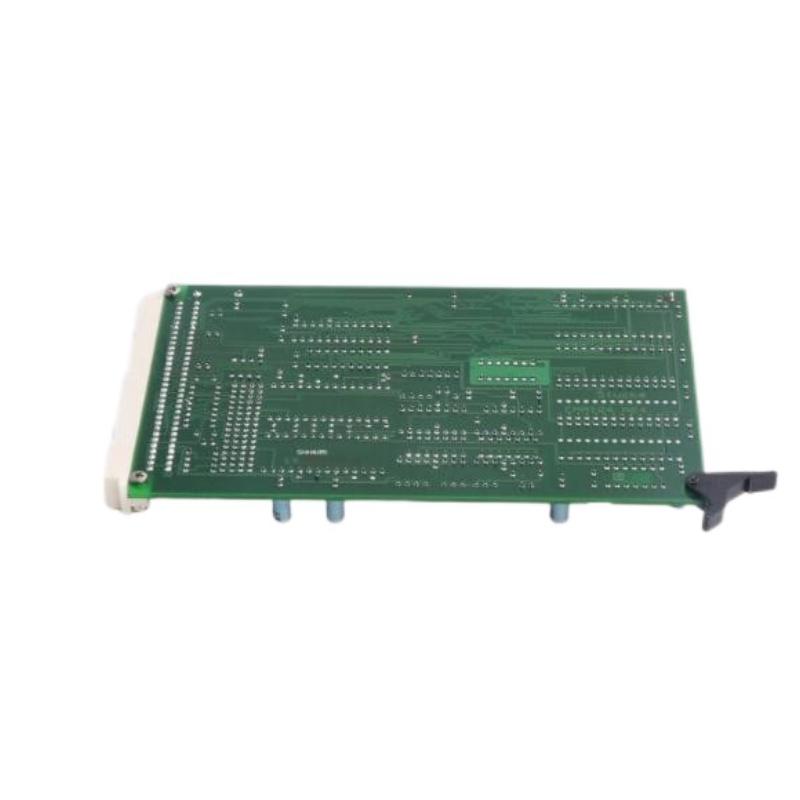
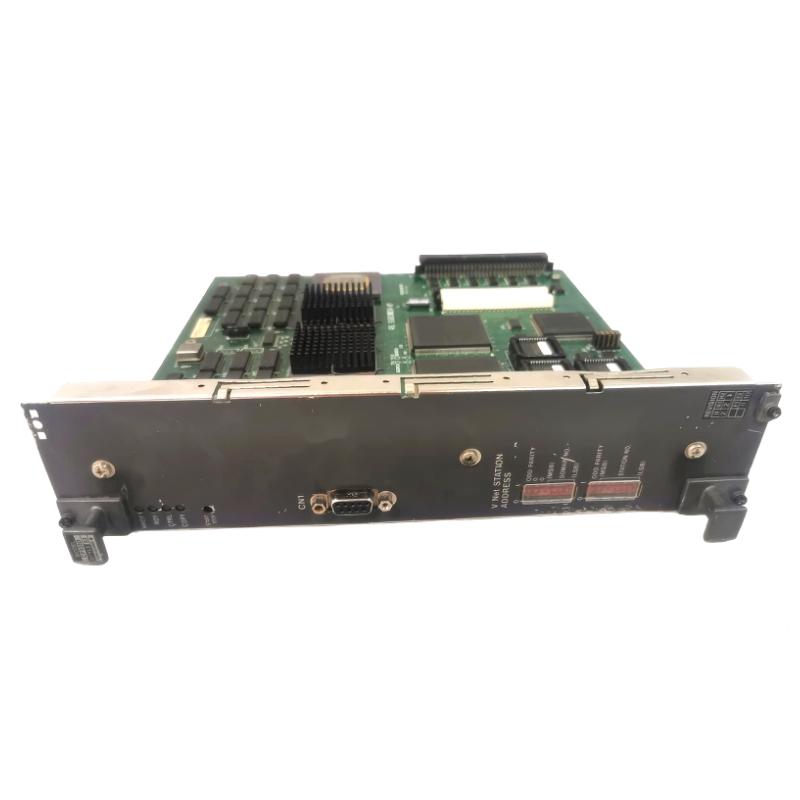
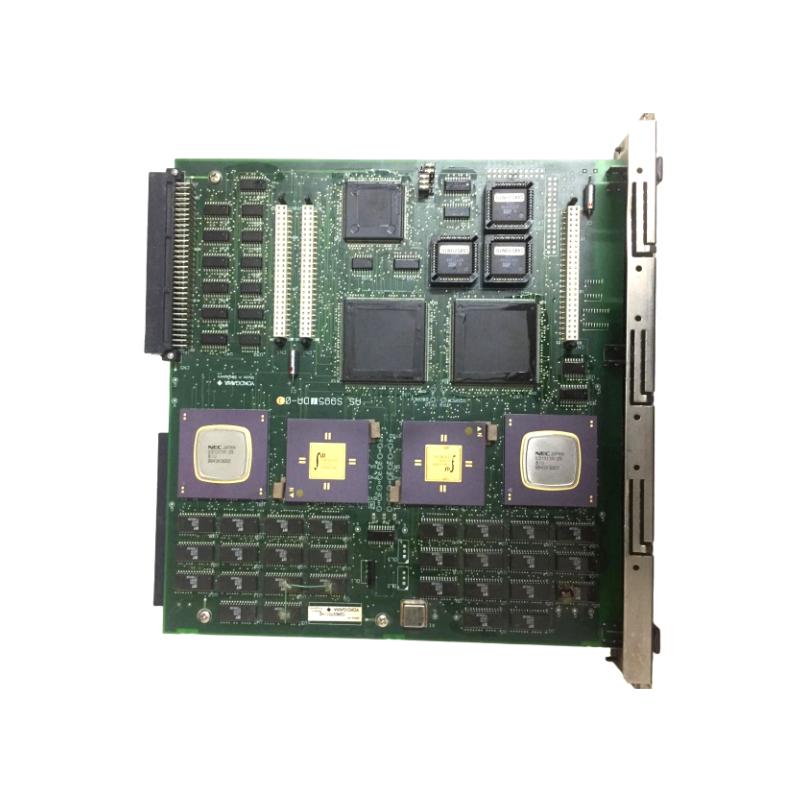
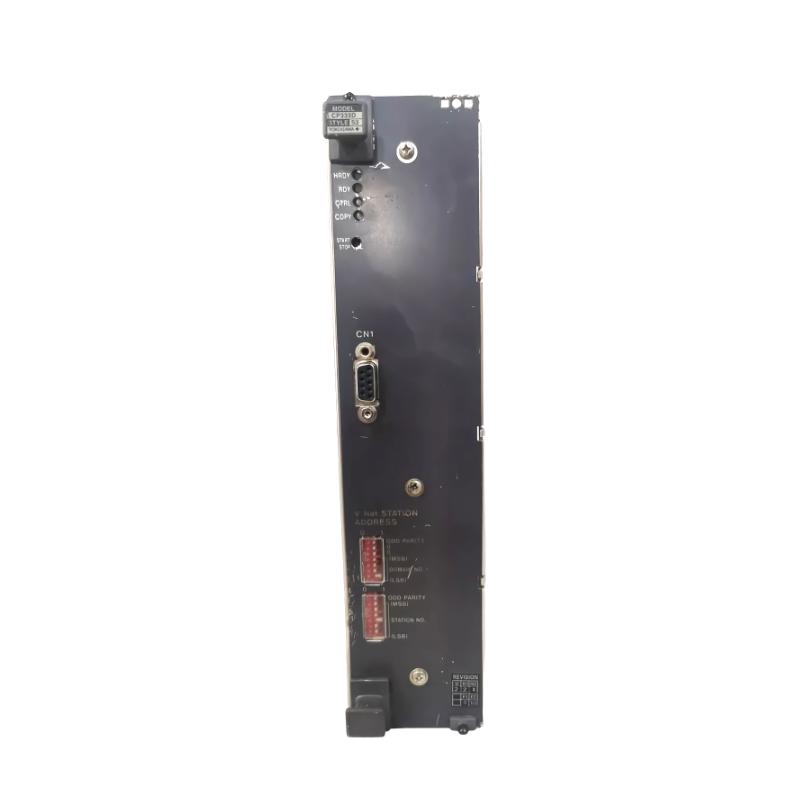
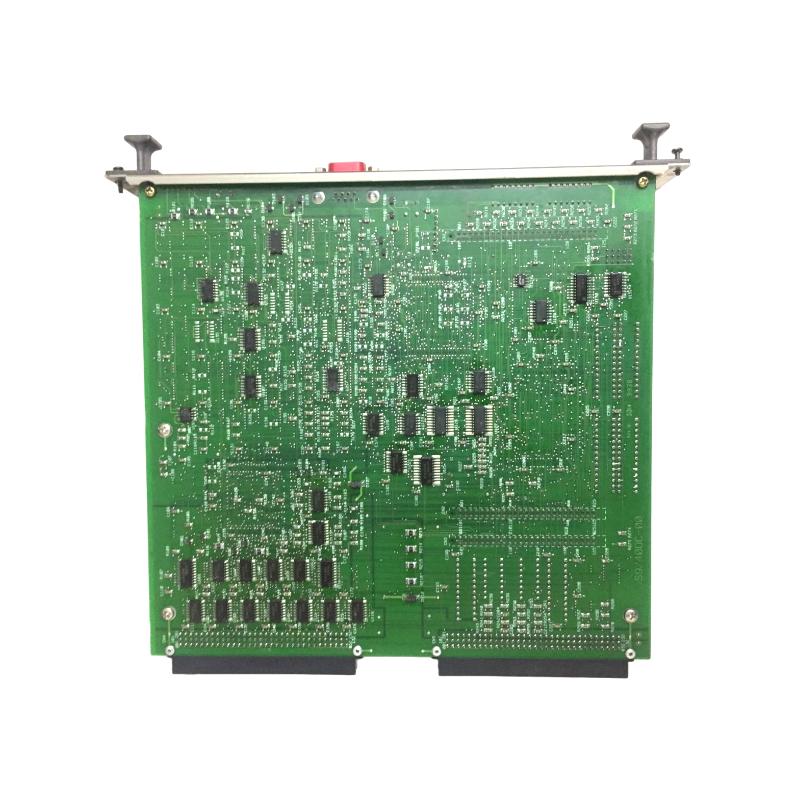
The Yokogawa CP333D Processor Module is a high-performance central processing unit designed for Yokogawa CENTUM CS / CENTUM VP Distributed Control Systems (DCS). It functions as the core execution engine of the control station, handling real-time process logic, I/O coordination, and system communication within large-scale industrial automation environments.
Engineered for mission-critical industries, the CP333D delivers stable deterministic control performance, making it a trusted component in continuous-process operations where reliability and uptime are essential.
Technical Specifications
| Parameter | Specification |
|---|
| Manufacturer | Yokogawa |
| Model Number | CP333D |
| Product Type | Processor Module (DCS CPU Unit) |
| System Compatibility | CENTUM CS / CENTUM VP |
| CPU Architecture | 32-bit RISC processor |
| Clock Speed | ~400 MHz |
| Memory Capacity | Up to 256 MB RAM |
| System Function | Process control logic execution & I/O management |
| Communication Ports | Dual Ethernet interfaces (system dependent) |
| Backplane Interface | Vnet/IP or system bus architecture |
| Power Supply | 3.3 V DC logic power (system regulated) |
| Power Consumption | ~2.5 A max |
| Operating Temperature | 0°C to 50°C |
| Storage Temperature | -20°C to 70°C |
| Humidity Range | 5–95% non-condensing |
| Redundancy Support | Supported in dual-redundant DCS configurations |
| Mounting Type | Rack-mounted DCS controller slot |
| Dimensions (H×W×D) | ~203 mm × 51 mm × 254 mm |
| Weight | ~1.0 kg |
Applications
The Yokogawa CP333D is widely deployed in high-reliability industrial process control systems:
-
Oil & gas refinery control systems
-
Petrochemical and chemical processing plants
-
Power generation and turbine control systems
-
Water treatment and desalination plants
-
Pharmaceutical and fine chemical production
-
Large-scale industrial DCS automation systems
-
Continuous process manufacturing environments
-
Critical infrastructure monitoring and control centers
Technical FAQs
Q1: What is the main function of the CP333D module?
A: It acts as the central processor executing control logic in Yokogawa DCS systems.
Q2: Which systems is it compatible with?
A: It is used in CENTUM CS and CENTUM VP distributed control systems.
Q3: Is it a PLC or DCS module?
A: It is a DCS processor module, not a standard PLC CPU.
Q4: Does it support redundancy?
A: Yes, it can operate in redundant configurations for higher system availability.
Q5: What industries use this module?
A: Oil & gas, petrochemical, power generation, and large-scale process industries.
Q6: What is its processing capability?
A: It uses a 32-bit RISC architecture optimized for real-time control tasks.
Q7: What is its typical operating environment?
A: Control room or industrial cabinet environments with controlled temperature.
Q8: Does it handle I/O directly?
A: It coordinates I/O through system modules rather than direct field wiring.
Q9: What makes it reliable in industrial systems?
A: Deterministic processing, redundancy support, and Yokogawa-grade hardware design.
Q10: Can it be replaced while running?
A: In redundant configurations, replacement may be possible under controlled procedures.
 A DCS Q Co., Ltd. - PLC and DCS Industrial Control Equipment Wholesale