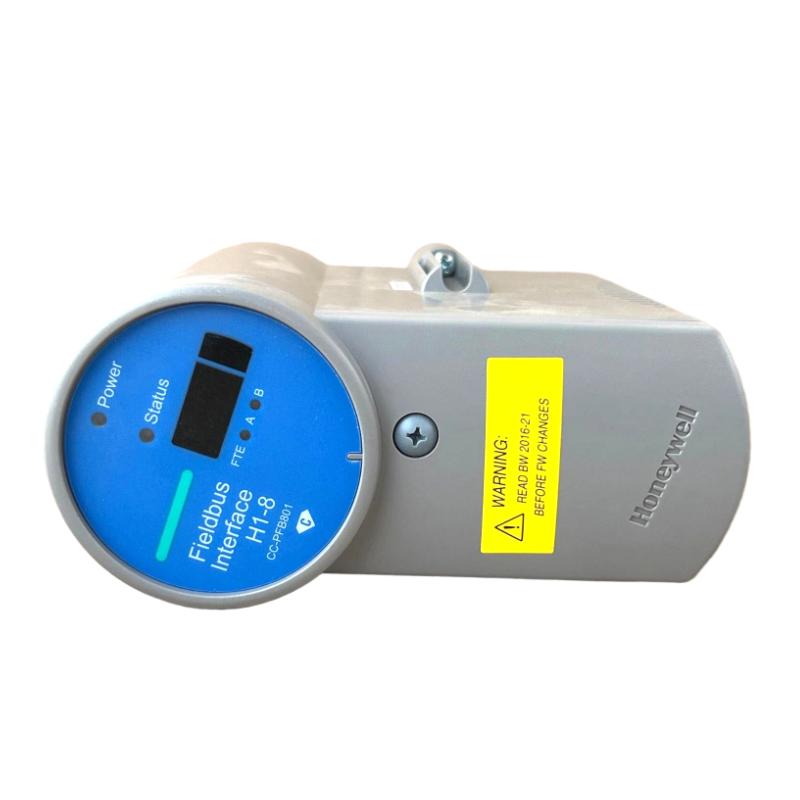
Application Areas
Process Automation Systems
Used in distributed control systems where stable signal termination and structured I/O wiring are required.
Industrial Manufacturing
Supports production lines, machinery control systems, and automated equipment integration.
Power and Utility Systems
Applied in monitoring and control infrastructure for stable signal transmission and system reliability.
Oil, Gas, and Chemical Plants
Used in harsh industrial environments requiring robust and organized field wiring solutions.
Building and Infrastructure Automation
Supports centralized control systems for HVAC, energy monitoring, and facility automation.
Key Advantages
Structured Signal Management
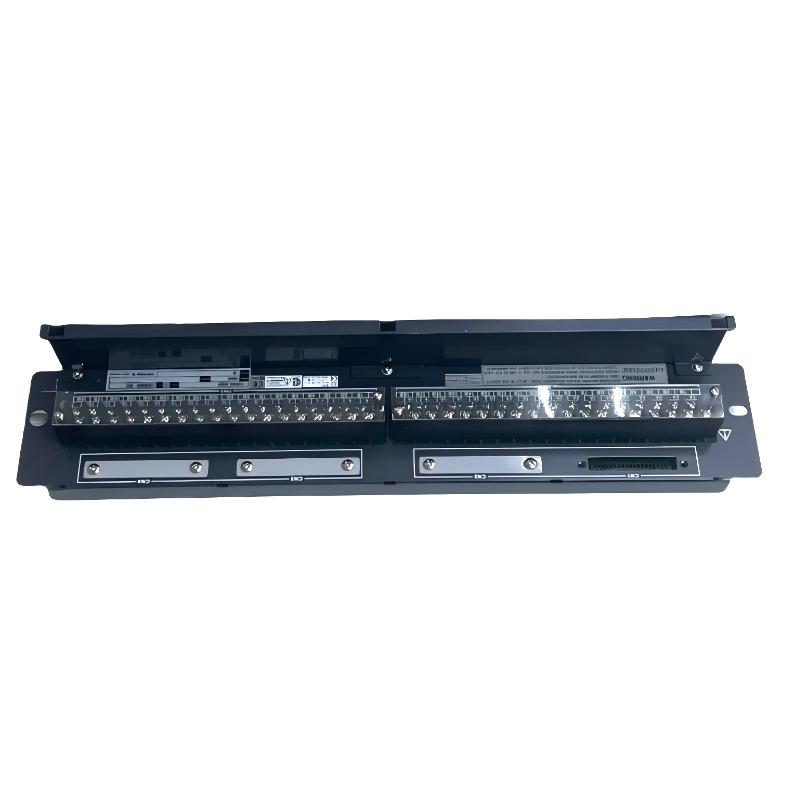
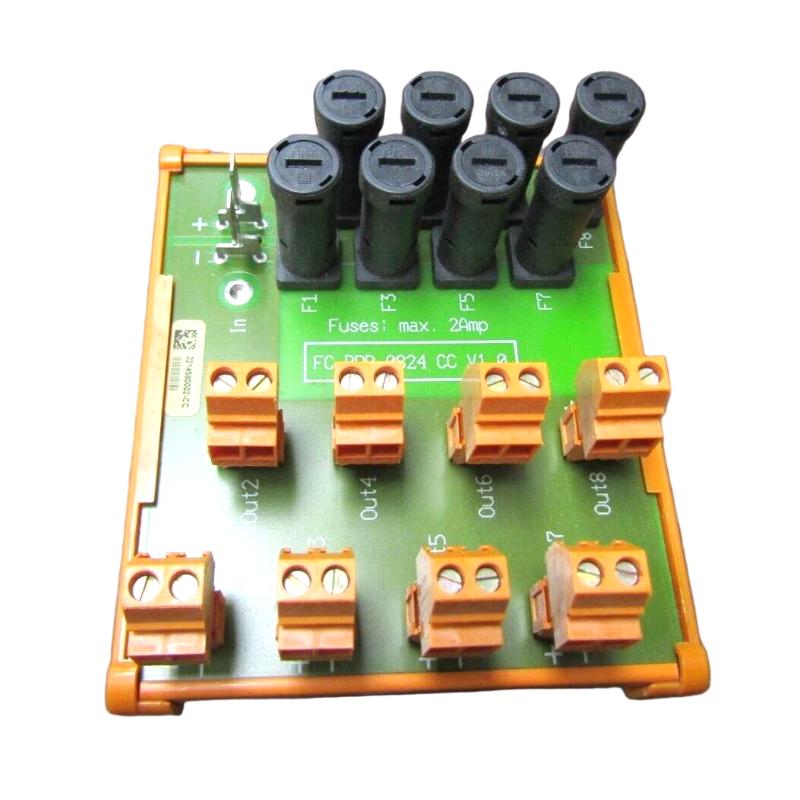
Provides clear and organized termination points for field wiring, improving system clarity and maintainability.
High System Compatibility
Designed for ABB S800 I/O systems, ensuring seamless integration with existing automation architectures.
Industrial Reliability
Built to operate consistently in demanding environments with long-term operational stability.
Simplified Installation
DIN rail mounting and modular design support fast installation and reduced engineering effort.
Maintenance Efficiency
Facilitates easier troubleshooting and replacement of I/O modules without rewiring complexity.
Stable Electrical Performance
Ensures secure connections for reliable signal transmission across automation systems.
Technical FAQs
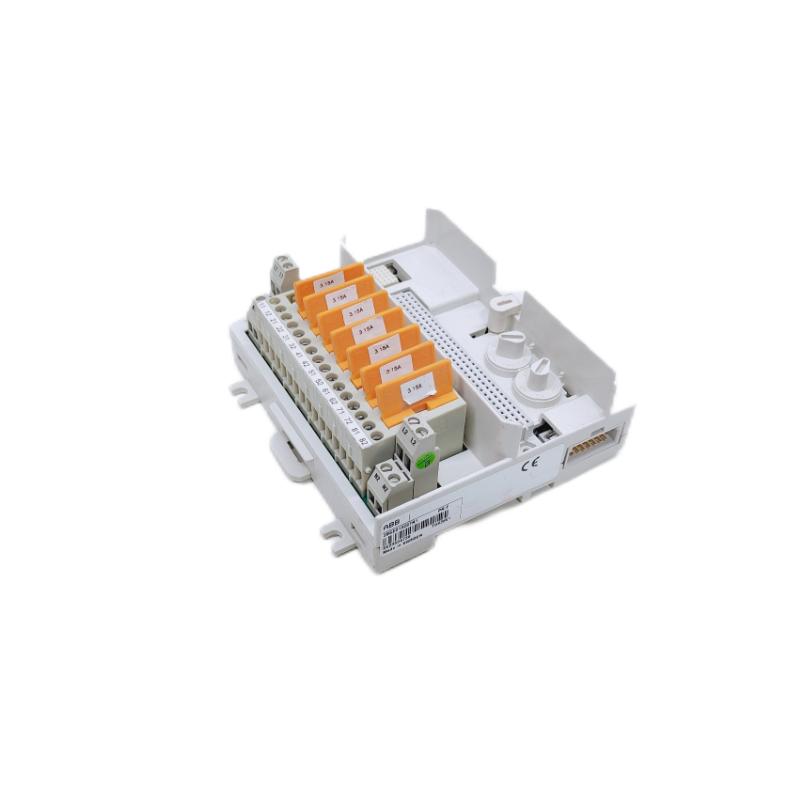
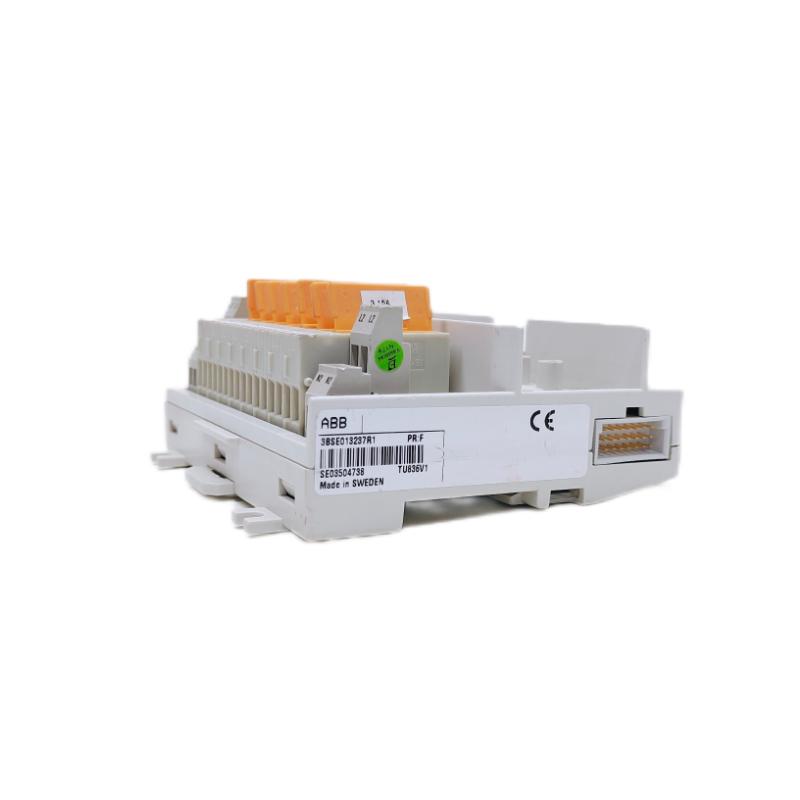
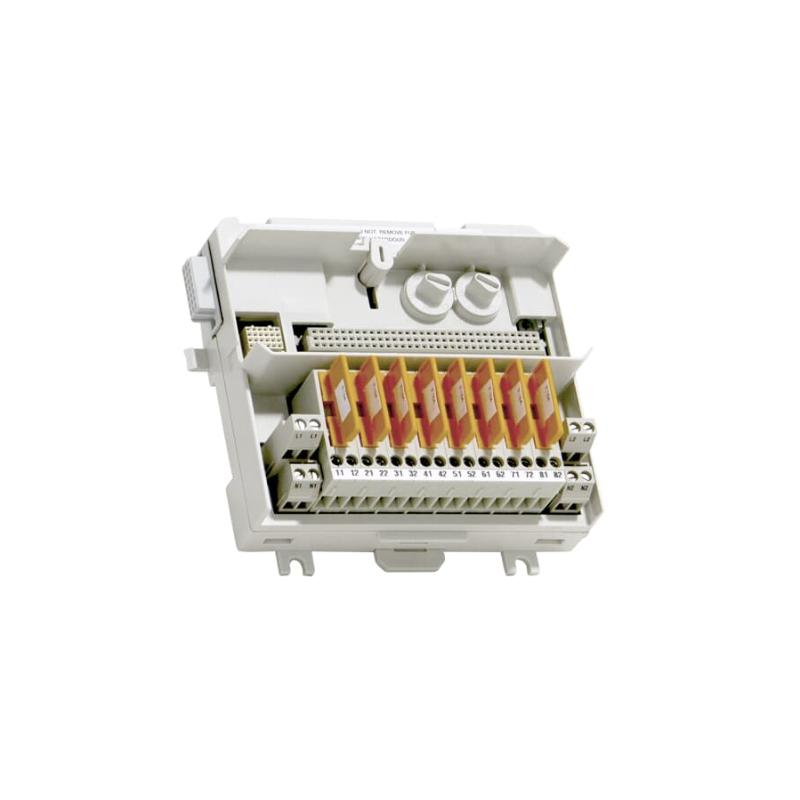
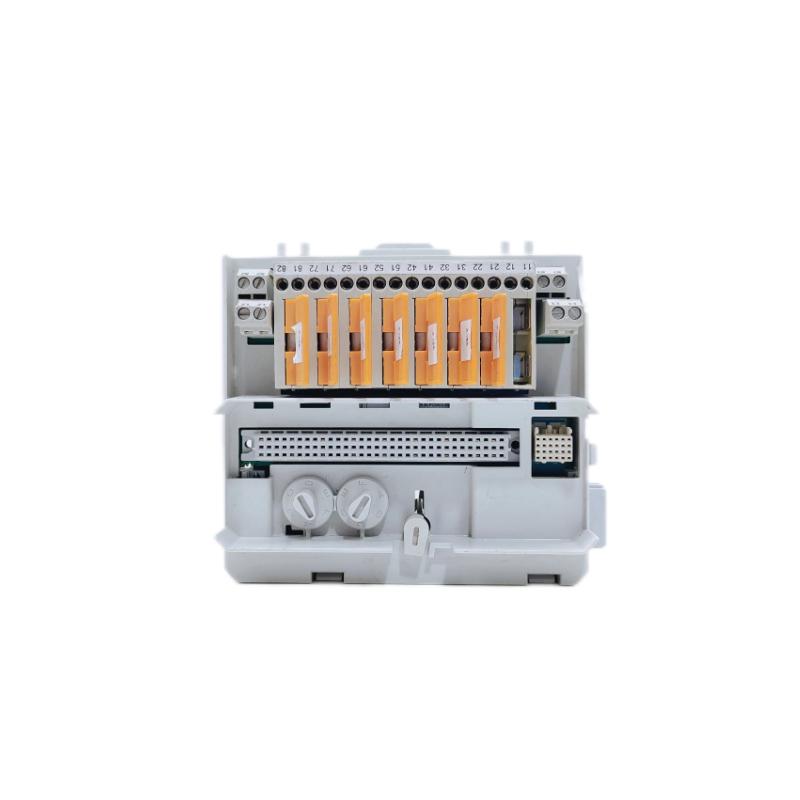
1. What is the main function of the TU836V1 MTU?
It provides signal termination and wiring interface between field devices and ABB I/O modules.
2. What system is it compatible with?
It is designed for ABB S800 I/O distributed control systems.
3. How many channels does it support?
It supports up to 8 I/O channels depending on configuration.
4. What is the rated voltage?
The unit supports up to 250 V industrial signal applications.
5. What is the installation method?
It is mounted on a standard DIN rail inside control cabinets.
6. What industries use this module?
It is used in manufacturing, utilities, oil & gas, and process automation industries.
7. Does it require programming?
No programming is required; it functions as a passive termination interface.
8. What is its role in system architecture?
It connects field wiring to I/O modules and distributes signals within the system.
9. What is its maintenance requirement?
Only periodic inspection and secure terminal tightening are recommended.
10. Why is this module widely used?
Because it improves wiring organization, system reliability, and maintenance efficiency.
 A DCS Q Co., Ltd. - PLC and DCS Industrial Control Equipment Wholesale