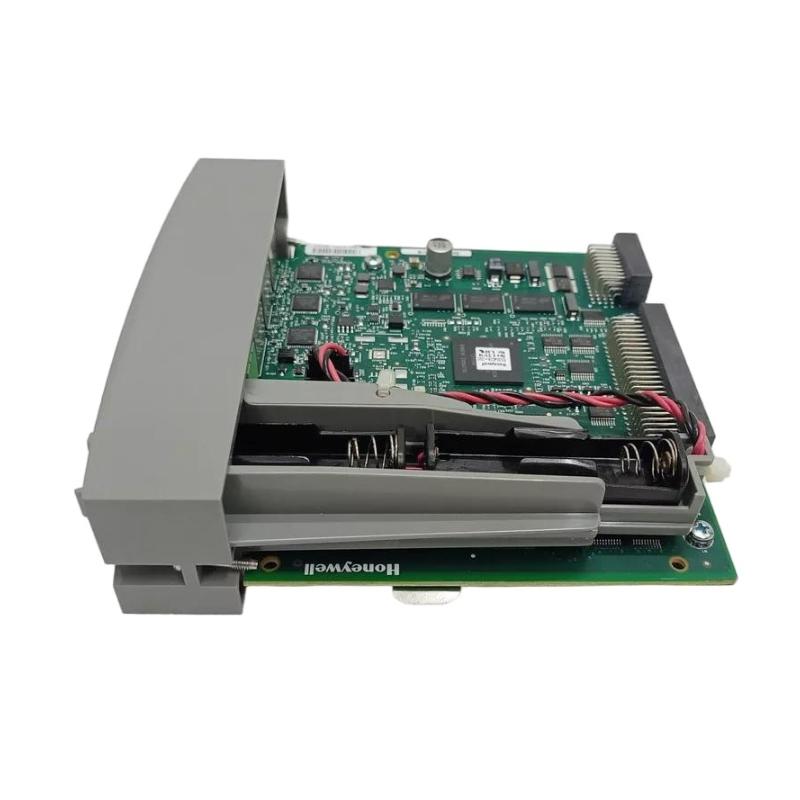
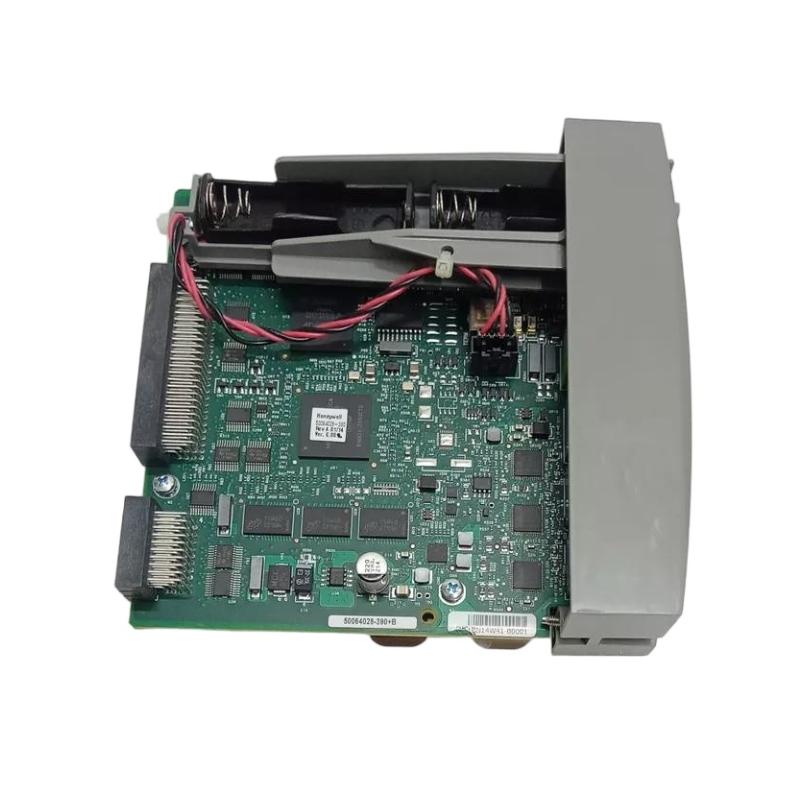
High-Availability Redundant Control Core for Mission-Critical Industrial Automation
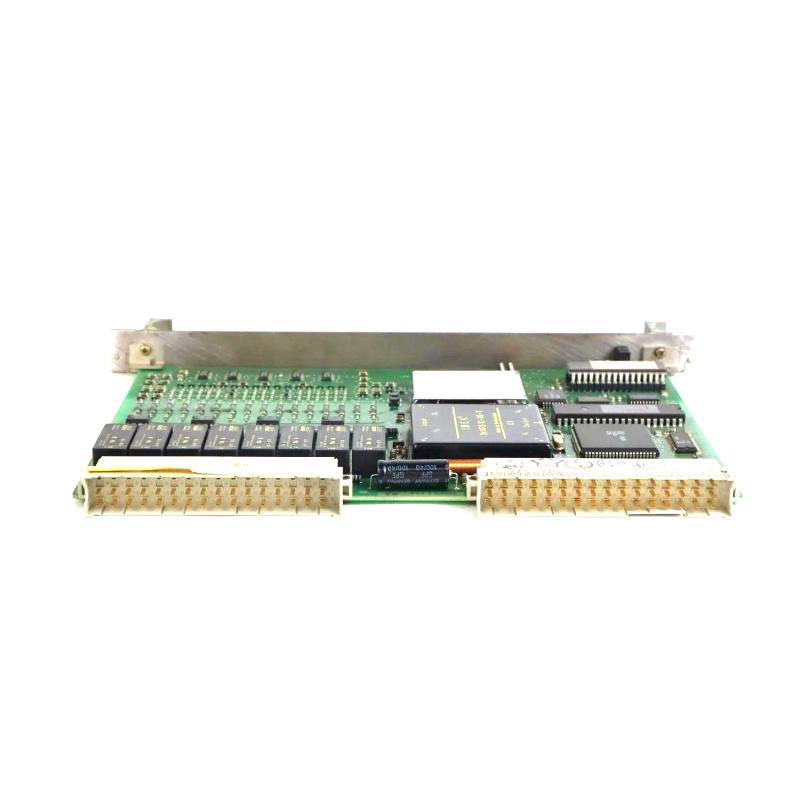
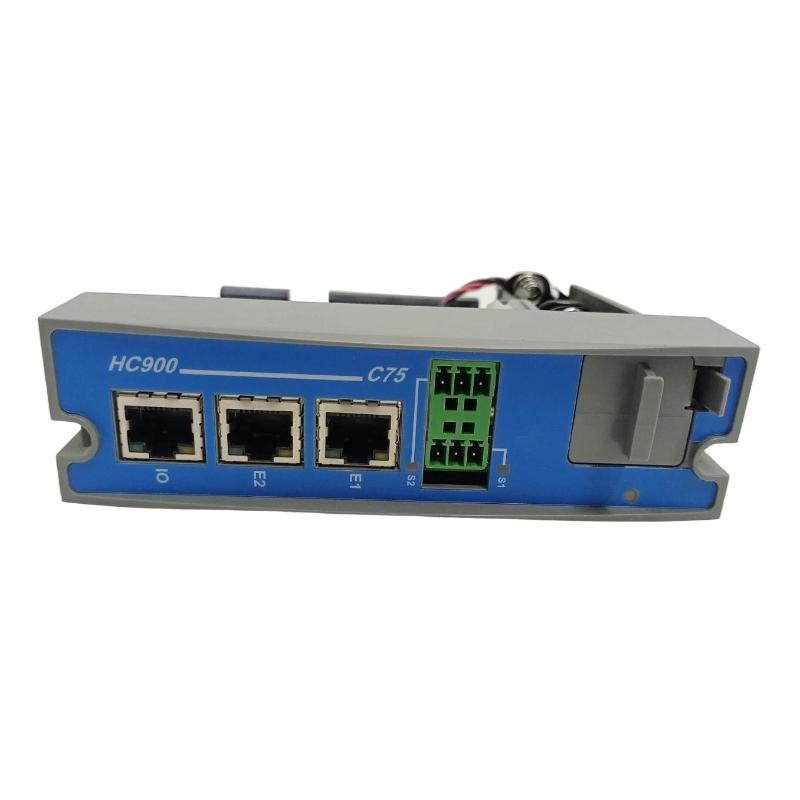
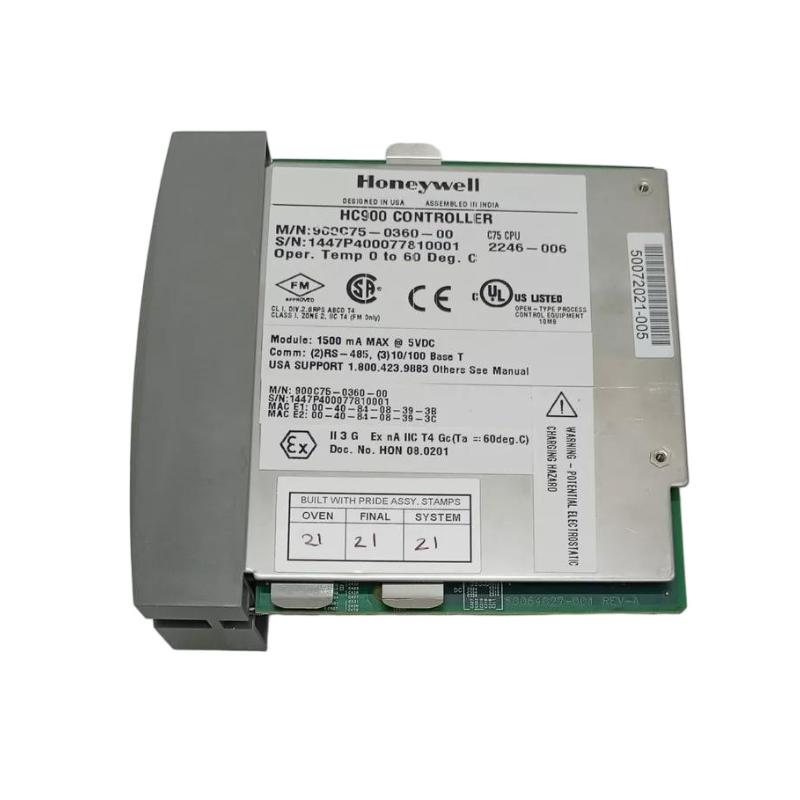
The Honeywell 900C75-0360-00 HC900 C75 Redundant Controller CPU is a high-performance central processing unit designed for redundant architecture within the Honeywell ControlEdge HC900 platform. Built for process industries requiring maximum uptime and fault-tolerant control, this CPU module ensures continuous operation by utilizing dual-controller redundancy, seamless failover logic, and synchronized execution.
Engineered for complex industrial environments, the C75 redundant CPU is widely deployed in safety-critical and continuous-process systems where downtime is not acceptable. Its advanced dual-processor architecture supports synchronized control execution between lead and reserve CPUs, ensuring stable operation even in the event of hardware or communication failure.
This controller is a premium choice for large-scale automation systems that demand reliability, scalability, and operational resilience.
Technical Specifications
| Parameter | Specification |
|---|
| Model | 900C75-0360-00 |
| Product Type | Redundant Controller CPU |
| Series | Honeywell ControlEdge HC900 |
| CPU Architecture | 32-bit RISC PowerPC-based platform |
| Redundancy Type | Hot standby dual CPU (Lead/Reserve) |
| Memory | Battery-backed DDR2 with ECC protection |
| Memory Capacity | 128 MB system memory |
| Function Block Capacity | Up to 15,000 function blocks |
| Communication Ports | Dual Ethernet + RS485 interfaces |
| Network Capability | Peer-to-peer + SCADA integration |
| Scan Method | Dual scan (fast digital + analog processing) |
| Power Supply | Dedicated redundant rack power inputs |
| System Bus | High-speed backplane communication |
| Operating Temperature | 0°C to 60°C |
| Humidity | 5%–95% non-condensing |
| Diagnostic System | Built-in watchdog + fault monitoring |
Applications
The C75 redundant CPU is designed for high-reliability process environments where continuous operation and fault tolerance are essential.
Typical Applications
-
Oil and gas production systems
-
Petrochemical processing plants
-
Power generation facilities
-
Boiler and burner management systems
-
Water treatment and wastewater plants
-
Large-scale chemical processing
-
Pharmaceutical manufacturing systems
-
Steel and metallurgy industries
-
Tunnel ventilation and infrastructure control
-
Critical HVAC and district energy systems
Its redundancy design makes it particularly suitable for continuous 24/7 operations with strict uptime requirements.
Advantages
True Redundant Architecture
Dual CPU configuration ensures automatic failover, maintaining uninterrupted control during hardware or communication faults.
High Processing Capacity
Supports up to 15,000 function blocks, enabling complex control strategies and large-scale automation logic.
Enhanced System Reliability
ECC memory, watchdog timers, and synchronized execution improve operational stability and reduce system risks.
Seamless Control Continuity
Lead and reserve CPUs operate in sync, ensuring real-time redundancy without process interruption.
Industrial Communication Flexibility
Supports Ethernet-based SCADA integration and peer-to-peer controller communication for distributed systems.
Scalable System Integration
Designed to integrate easily with HC900 I/O racks and remote scanner modules in large control architectures.
Technical FAQs
1. What is the main function of the 900C75-0360-00 CPU?
It acts as a redundant central controller for executing process logic and ensuring continuous industrial automation.
2. What does “redundant CPU” mean in this model?
It means two synchronized CPUs (lead and reserve) operate together to ensure failover protection.
3. What happens if the lead CPU fails?
The reserve CPU automatically takes over control to maintain uninterrupted system operation.
4. How much control logic can it handle?
It supports up to approximately 15,000 function blocks depending on system configuration.
5. Does it support Ethernet communication?
Yes, it includes dual Ethernet ports for SCADA and peer-to-peer communication.
6. What memory type is used?
It uses battery-backed DDR2 memory with ECC error correction for reliability.
7. Is it suitable for safety-critical applications?
Yes, it is widely used in high-availability and process safety environments.
8. What systems is it compatible with?
It is designed for Honeywell ControlEdge HC900 redundant architectures.
9. Can it be used without redundancy?
It is primarily intended for redundant systems and is not recommended for non-redundant applications.
10. What industries commonly use this CPU?
It is used in oil & gas, chemical processing, power generation, water treatment, and heavy industry automation.
 A DCS Q Co., Ltd. - PLC and DCS Industrial Control Equipment Wholesale