High-Availability Dual CPU Solution for Mission-Critical Industrial Process Control
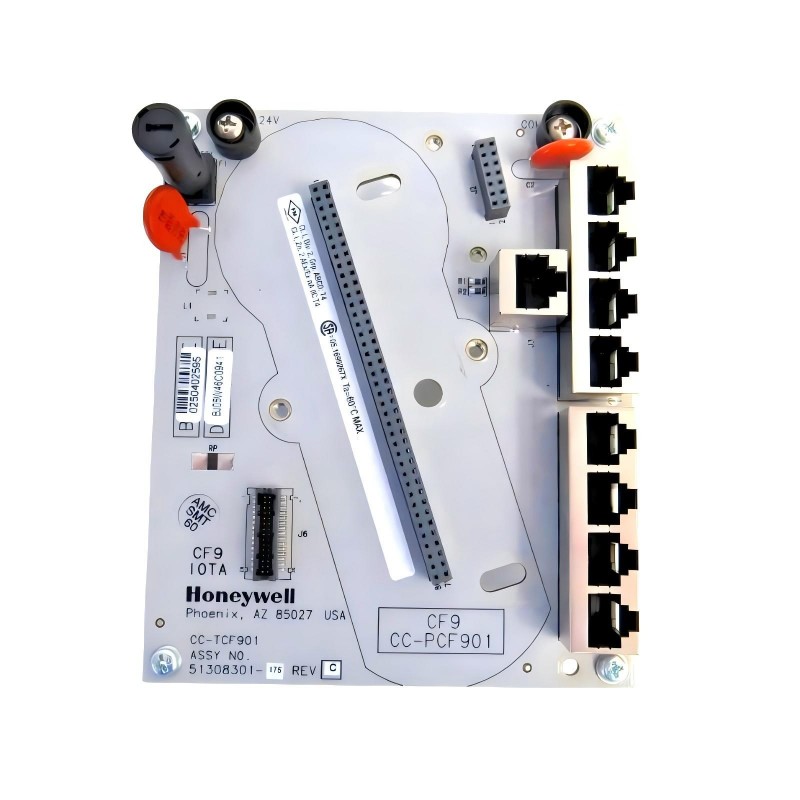
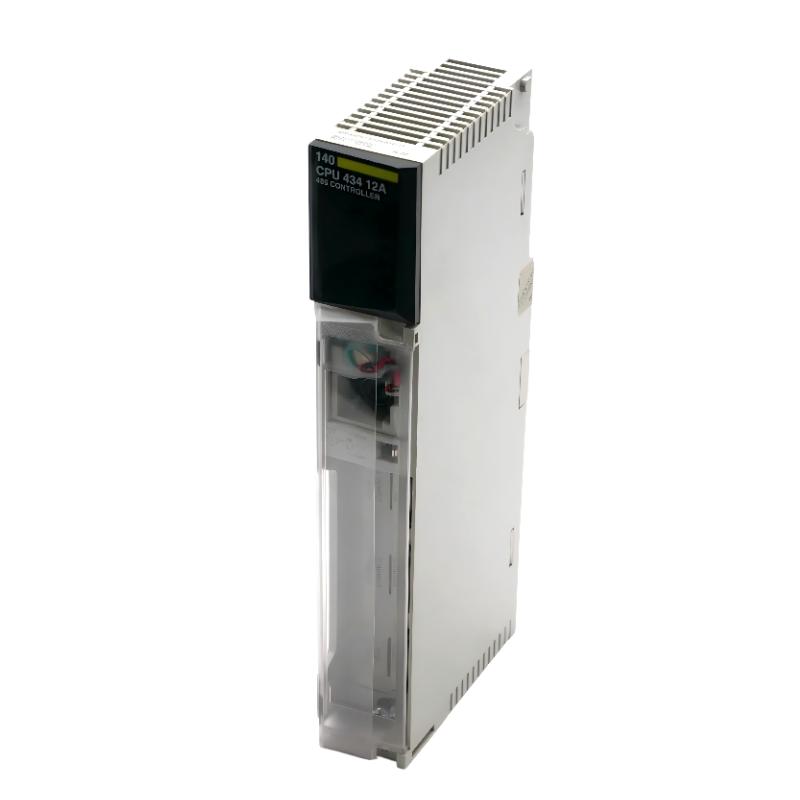
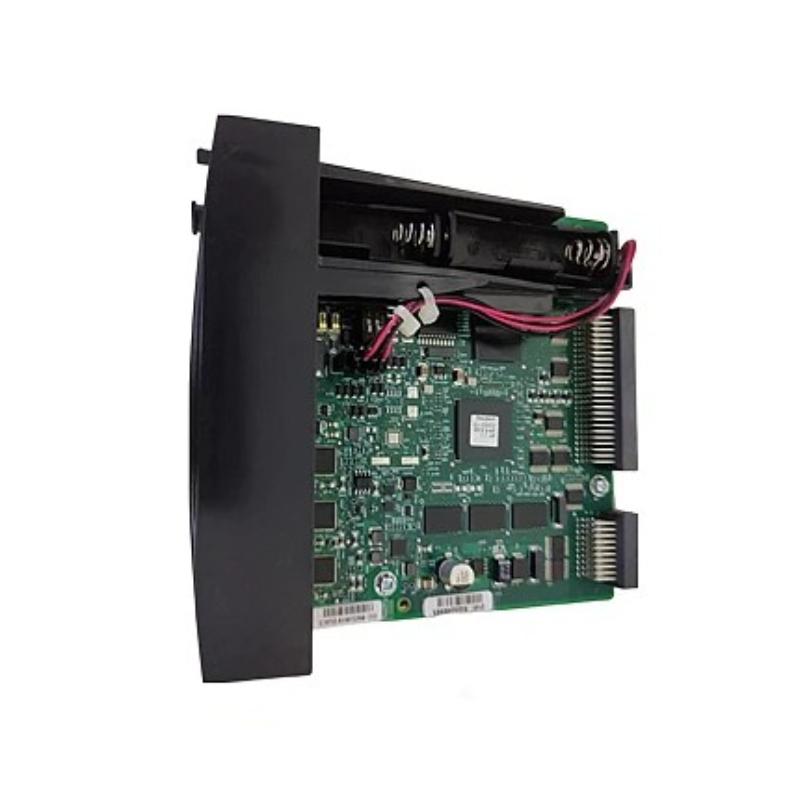
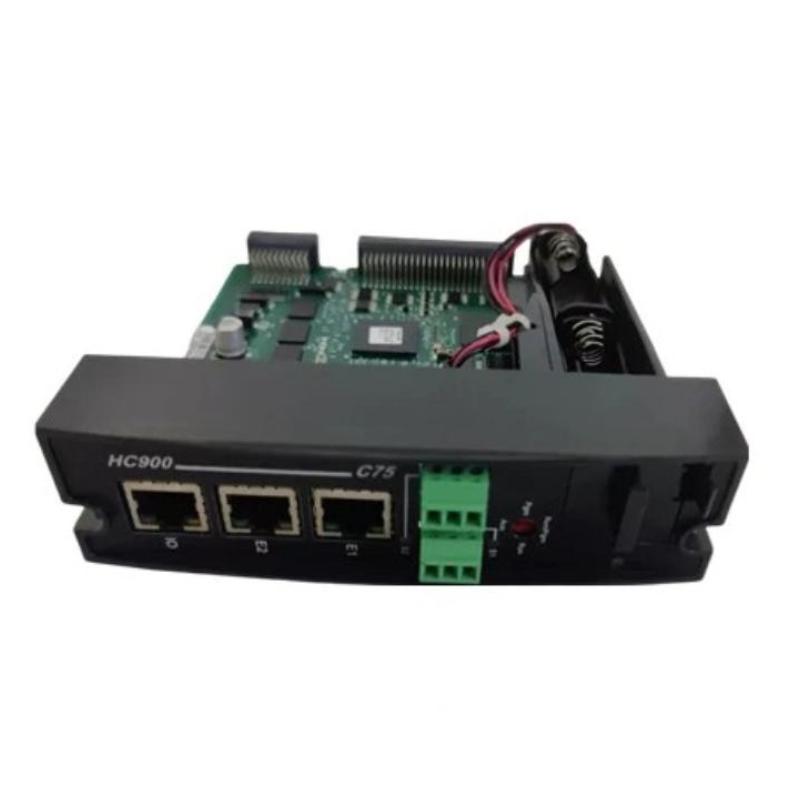
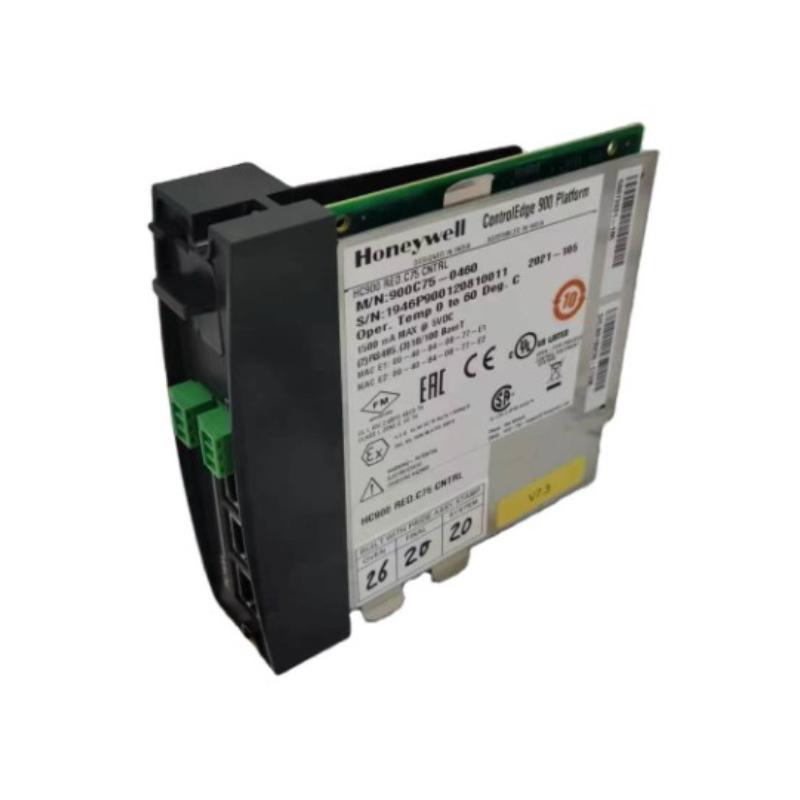
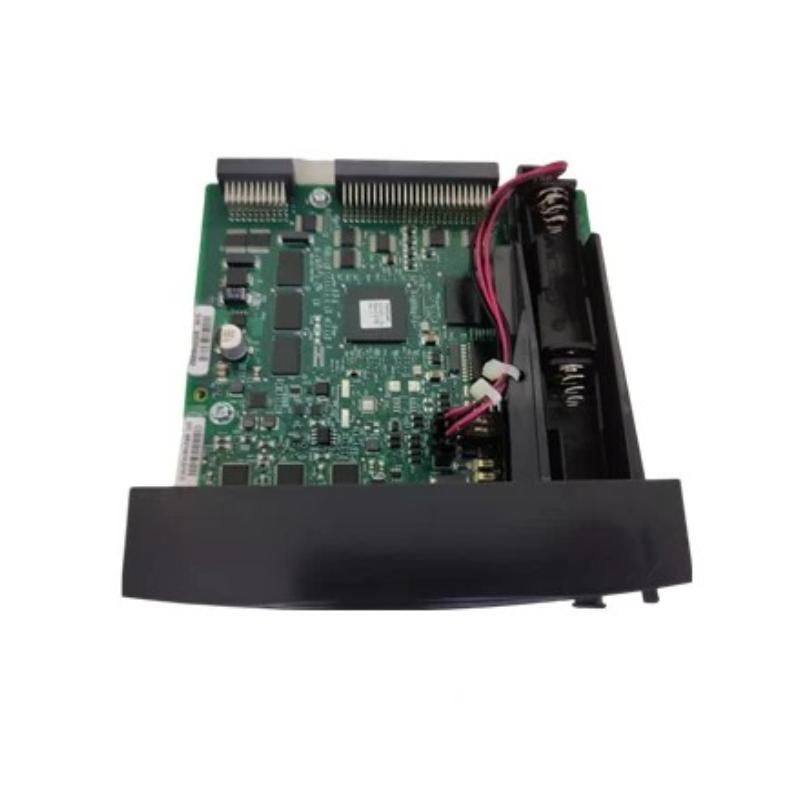
The Honeywell 900C75S-0460 HC900 C75 Redundant Controller CPU is a high-reliability industrial processor module designed for the Honeywell ControlEdge HC900 automation platform. It is engineered specifically for redundant control architectures, ensuring continuous operation even in the event of a CPU fault. This makes it a key component in safety-critical and high-uptime process industries.
The C75 series represents the most advanced HC900 controller class, combining dual-network communication, synchronized dual CPU operation, and deterministic real-time control execution for complex industrial systems.
Technical Specifications
| Parameter | Specification |
|---|
| Manufacturer | Honeywell |
| Model | 900C75S-0460 |
| Product Type | Redundant Controller CPU Module |
| Platform | Honeywell ControlEdge HC900 |
| CPU Architecture | 32-bit RISC PowerPC-based industrial controller |
| Memory | Battery-backed DDR2 memory with ECC protection |
| System Role | Redundant primary/standby CPU control |
| Networking | Dual Ethernet ports (high availability) |
| Serial Communication | Dual RS-485 ports (Modbus RTU support) |
| Redundancy Mode | Hot standby dual CPU synchronization |
| Data Exchange | Real-time deterministic control scan system |
| Programming Tool | Honeywell HC Designer |
| I/O Compatibility | Remote I/O via I/O Scanner modules |
| Operating Temperature | 0°C to 60°C |
| Storage Temperature | -40°C to +85°C |
Industrial Applications
The Honeywell C75 redundant CPU module is designed for high-integrity industrial environments where system downtime is not acceptable. It ensures continuous control operation through automatic failover between primary and reserve CPUs.
Typical applications include:
-
Oil & gas production and refining systems
-
Petrochemical and chemical processing plants
-
Power generation and turbine control systems
-
Water and wastewater treatment facilities
-
Large-scale industrial manufacturing systems
-
SCADA and distributed control systems (DCS)
-
Safety-critical process automation
-
Continuous production and batch control systems
Its redundancy architecture ensures uninterrupted plant operation even during hardware failure scenarios.
Key Advantages
True Redundant CPU Architecture
Supports dual-controller operation with automatic failover to maintain continuous control.
High System Availability
Minimizes downtime risk in critical industrial processes through synchronized standby processing.
Dual Network Redundancy
Provides two Ethernet ports for reliable communication and network resilience.
Deterministic Real-Time Control
Ensures precise and predictable execution of industrial automation logic.
Advanced Memory Protection
ECC-protected memory and watchdog mechanisms enhance system stability and error detection.
Seamless System Synchronization
Automatic configuration transfer between lead and reserve CPUs ensures consistent operation.
Technical FAQs
1. What is the main function of the Honeywell 900C75S-0460 CPU?
It provides redundant real-time control processing for HC900 industrial automation systems.
2. What does “C75” mean in Honeywell HC900 systems?
C75 refers to a redundant controller CPU with dual networking and high availability capability.
3. Is this module redundant by default?
Yes, it is designed specifically for dual CPU redundancy systems.
4. What happens if one CPU fails?
The standby CPU automatically takes over control without interrupting system operation.
5. What industries commonly use this module?
Oil & gas, petrochemical, power generation, water treatment, and manufacturing industries.
6. Does it support remote I/O systems?
Yes, it integrates with remote I/O racks through I/O Scanner modules.
7. What communication protocols does it support?
It supports Ethernet-based communication and Modbus RTU via RS-485.
8. Can it operate in continuous 24/7 environments?
Yes, it is designed for continuous industrial operation.
9. Is configuration transferred automatically between CPUs?
Yes, synchronization is automatic between lead and reserve controllers.
10. Does it require frequent maintenance?
No, it is engineered for long-term stable industrial use with minimal maintenance.
 A DCS Q Co., Ltd. - PLC and DCS Industrial Control Equipment Wholesale