Product Overview (Introduction)
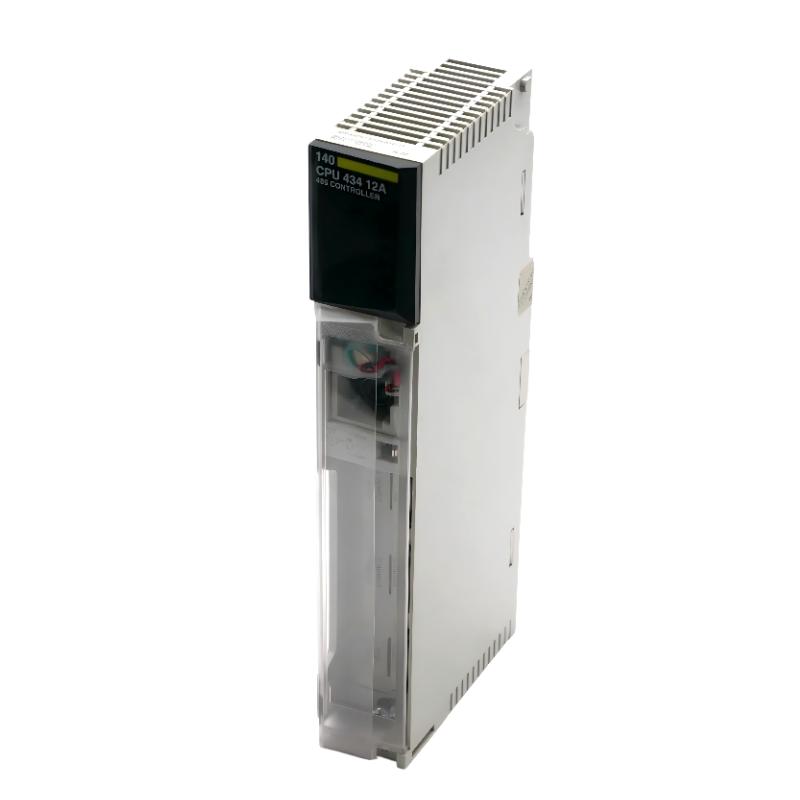
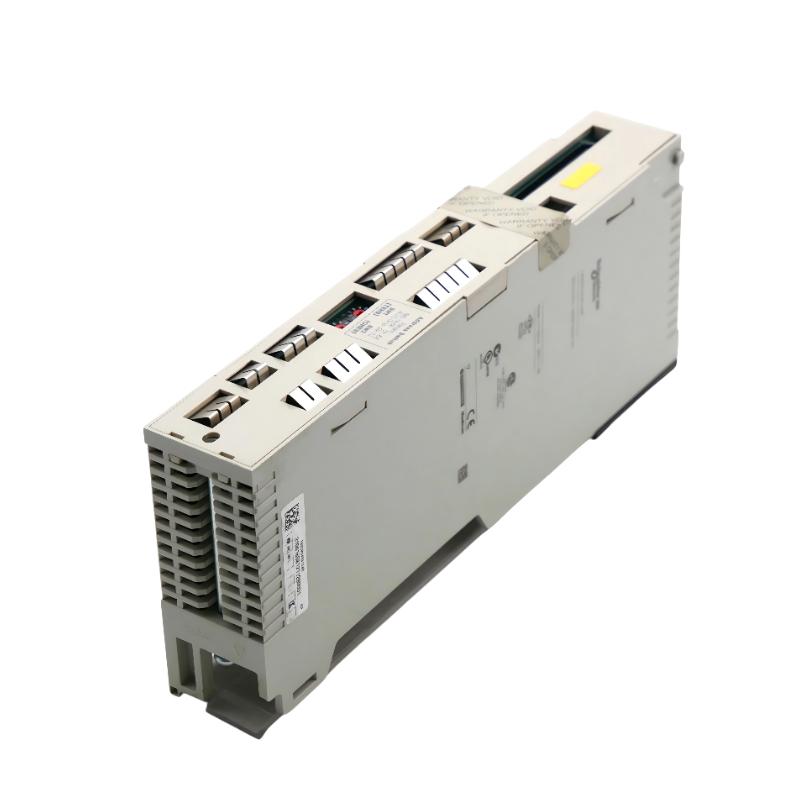
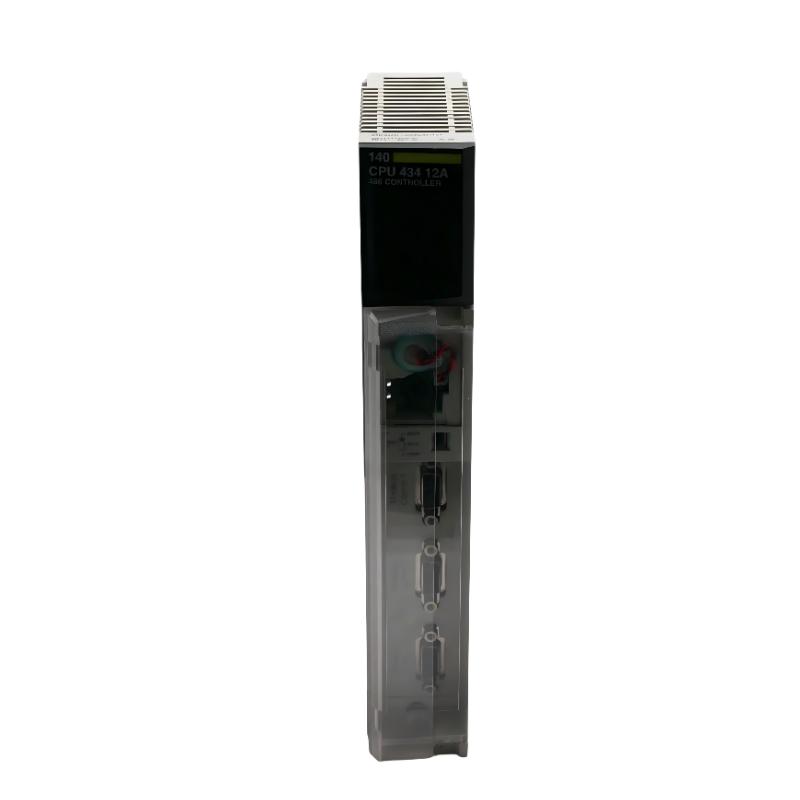
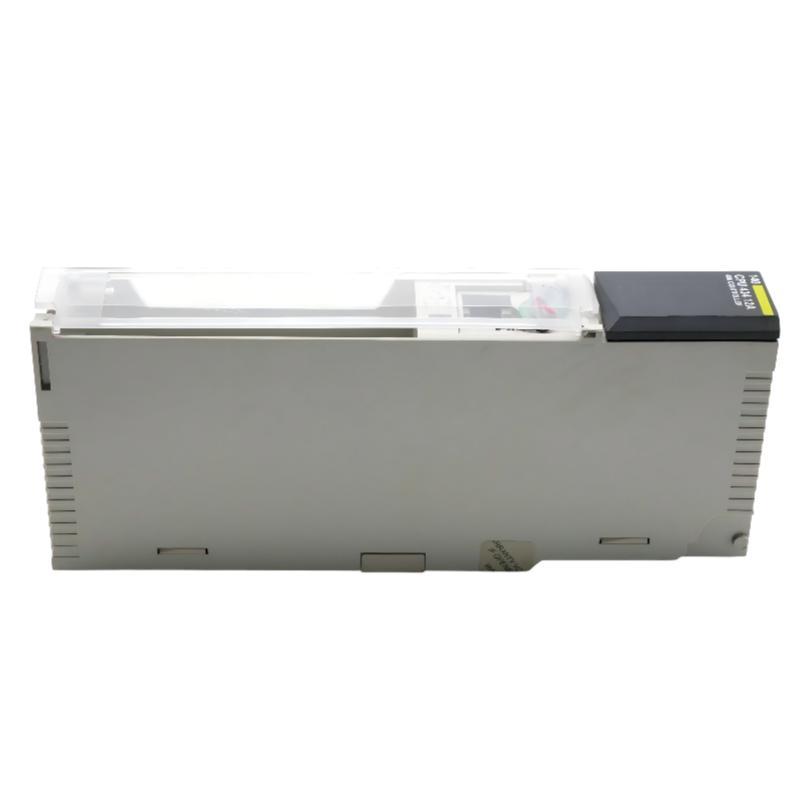
The Schneider 140CPU43412AR Processor is a central processing unit developed for the Modicon Quantum PLC platform,
This processor is designed for applications where stable and deterministic control is essential. Industrial sectors such as energy, water management, and manufacturing rely on controllers capable of managing complex operations without interruption.
Its architecture supports scalable automation systems, allowing engineers to integrate multiple I/O modules and communication interfaces within a single control framework. This flexibility makes the 140CPU43412AR processor suitable for both new installations and upgrades to existing Quantum automation infrastructure.
Because the processor sits at the core of the PLC system, it is engineered with strong reliability characteristics to maintain consistent operation under demanding industrial conditions.
Engineering Reference Table (Technical Specifications)
| Specification | Details |
|---|
| Manufacturer | Schneider Electric |
| Model Number | 140CPU43412AR |
| Module Type | Processor Module |
| Platform | Modicon Quantum PLC |
| Function | Central Processing Unit for Automation Control |
| Installation | Quantum Rack Mount |
| Communication | Backplane Communication with I/O and Network Modules |
| Operating Temperature | 0°C to 60°C |
| Storage Temperature | -40°C to 85°C |
| Dimensions | 103.9 mm × 40.3 mm × 250 mm |
| Weight | 0.85 kg (1.87 lb) |
Industrial Implementation Scenarios (Applications)
The Schneider 140CPU43412AR Processor is designed for high-performance control tasks within Modicon Quantum automation systems. It functions as the primary control unit responsible for executing automation logic, coordinating I/O communication, and managing industrial processes.
Typical deployment environments include:
-
Large-scale manufacturing automation systems
-
Oil & gas processing facilities
-
Power generation and energy distribution plants
-
Water treatment and environmental control infrastructure
-
Industrial packaging and material handling systems
-
Continuous production lines requiring deterministic PLC control
Its architecture supports complex logic operations and large distributed I/O systems, making it suitable for critical infrastructure and high-availability industrial control environments.
Performance Characteristics and Engineering Benefits (Advantages)
Reliable Industrial Processing Power
The module provides deterministic PLC execution capable of handling complex ladder logic, function blocks, and structured control algorithms in demanding automation systems.
Designed for Modicon Quantum Architecture
Fully integrated within the Quantum PLC platform, the processor ensures stable communication with distributed I/O modules and network interfaces.
Efficient System Integration
Engineers benefit from straightforward integration with existing Quantum racks, simplifying system expansion and controller replacement during modernization projects.
Stable Operation in Harsh Industrial Conditions
The processor is engineered for continuous operation in environments where electrical noise, temperature variations, and vibration may affect control hardware.
Support for Large Control Programs
The CPU architecture allows implementation of complex industrial control strategies without compromising system responsiveness.
Technical Questions Engineers Frequently Raise (Technical FAQs)
1. What control platform supports the 140CPU43412AR processor?
It operates within the Modicon Quantum PLC platform, supporting Quantum backplane communication and modular I/O expansion.
2. What programming environments are compatible with this processor?
It is typically configured and programmed using Schneider Electric industrial automation software platforms that support Quantum controllers.
3. Does the processor support distributed I/O systems?
Yes, it is designed to coordinate local and remote I/O modules within large industrial automation architectures.
4. What communication networks can be integrated with this CPU?
The processor supports industrial networking through compatible communication modules installed within the Quantum rack.
5. Can the processor execute complex automation logic?
Yes. It is capable of executing ladder logic, function block diagrams, and structured control sequences required in process automation.
6. How does the processor maintain system reliability?
The architecture incorporates robust industrial electronics designed for continuous operation in mission-critical control systems.
7. Is the module suitable for process control industries?
Yes. It is frequently deployed in continuous process industries where stable PLC execution is essential.
8. How does the processor interact with I/O modules?
Communication occurs through the Quantum backplane bus, allowing real-time data exchange between the CPU and connected modules.
9. Can the processor be used in large automation networks?
Yes. With appropriate communication modules, the CPU can coordinate large automation networks and distributed control components.
10. What is the typical role of this CPU in a Quantum rack?
It acts as the central controller, executing the automation program and managing communication with all system modules.
 A DCS Q Co., Ltd. - PLC and DCS Industrial Control Equipment Wholesale