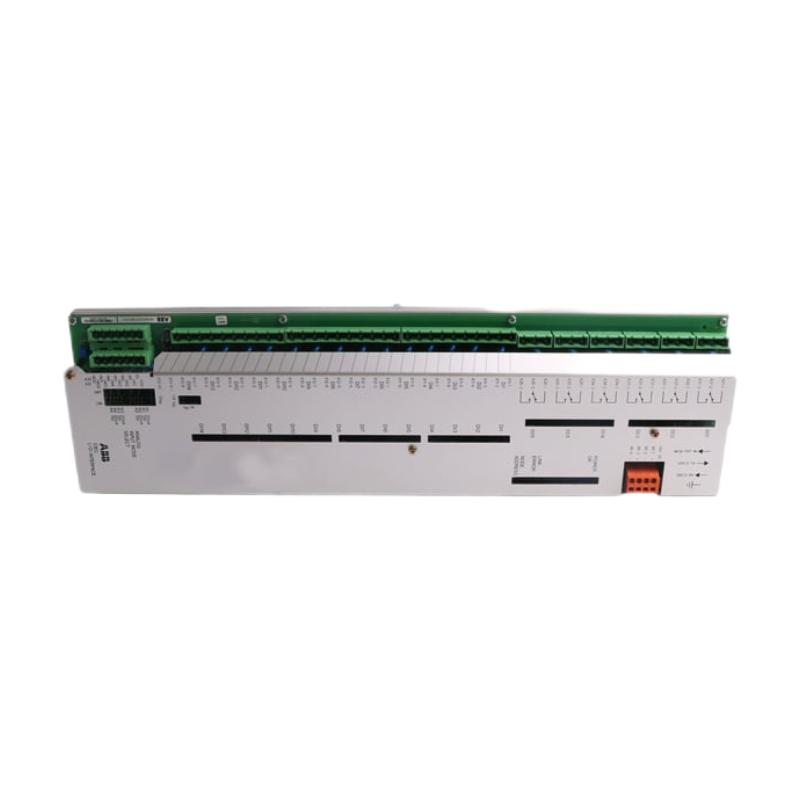
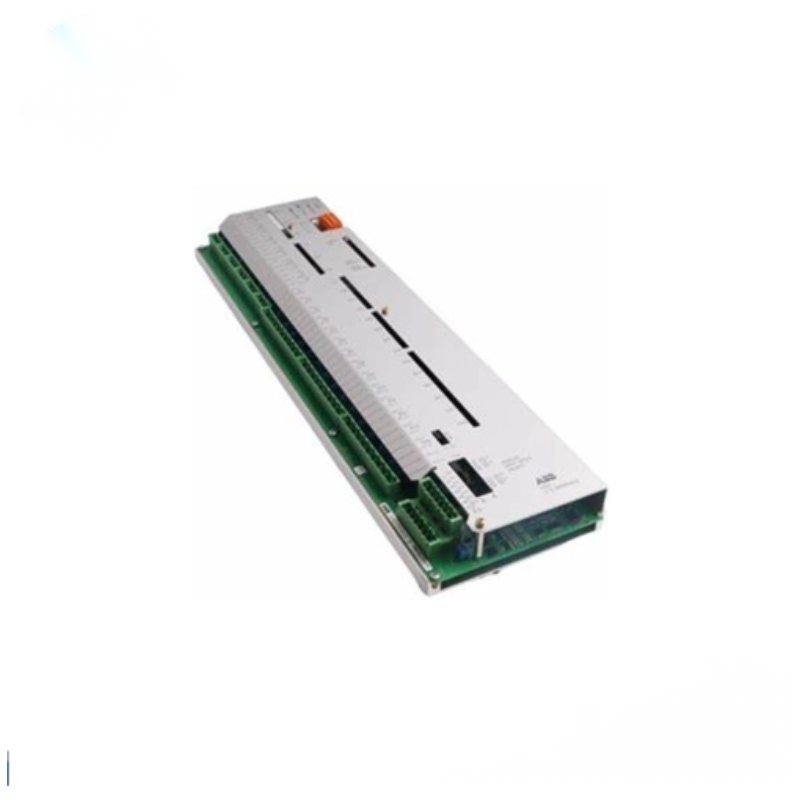
Industrial-Grade IO Communication Backbone for High-Reliability Automation Systems
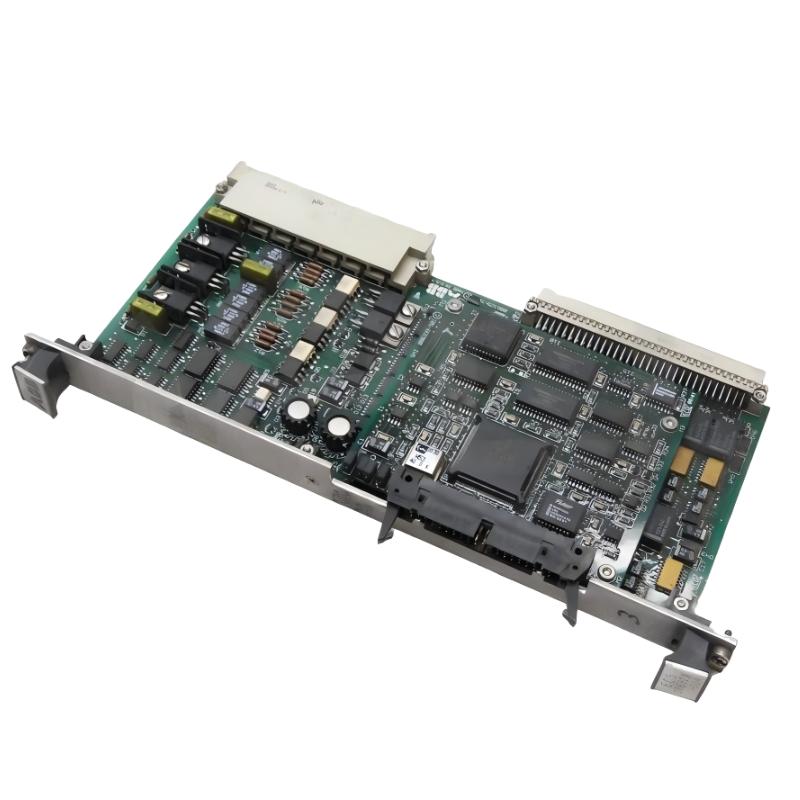
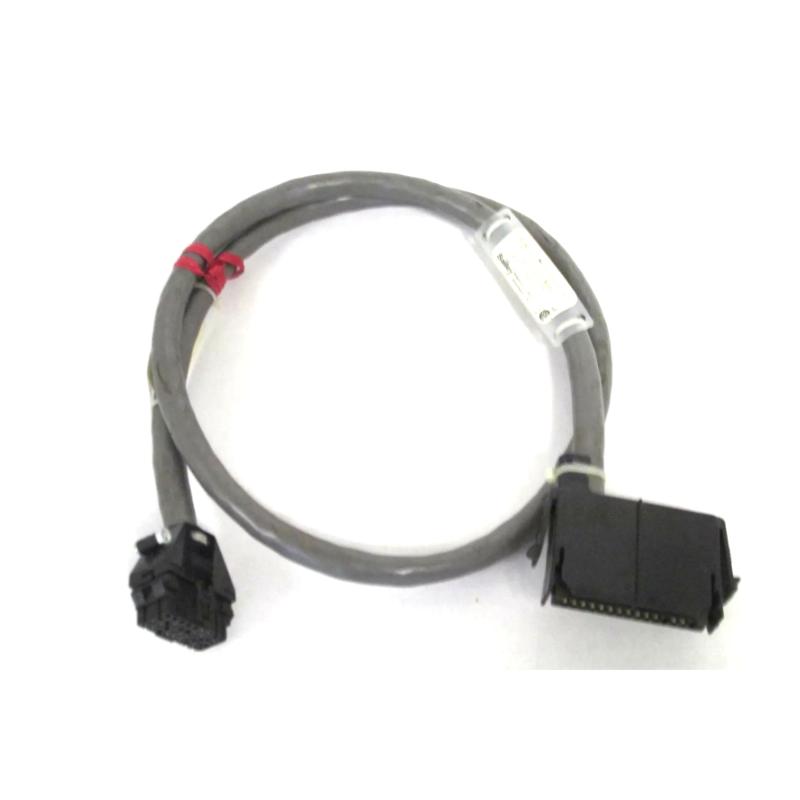
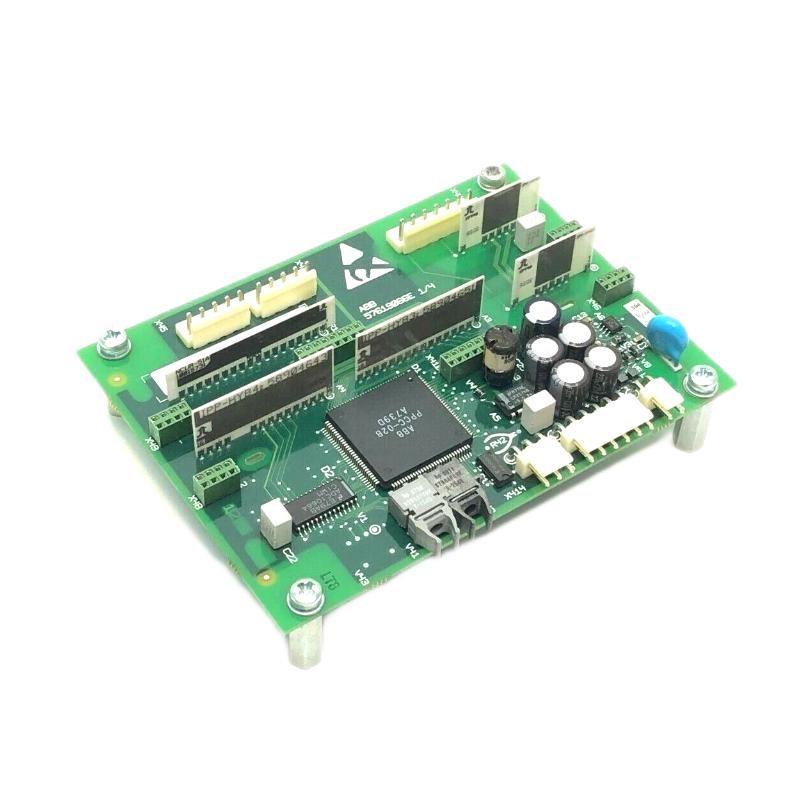
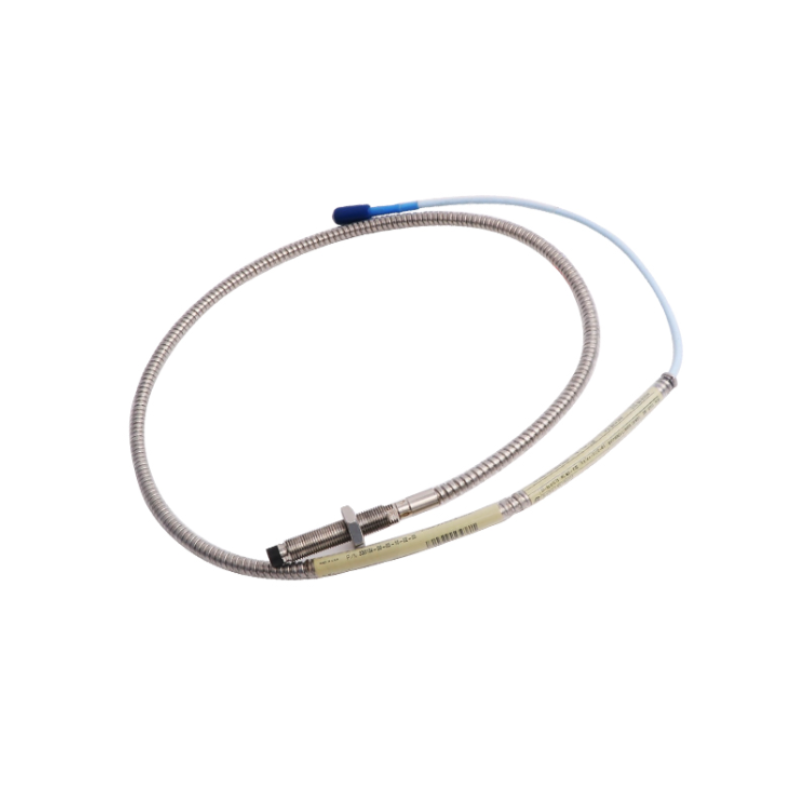
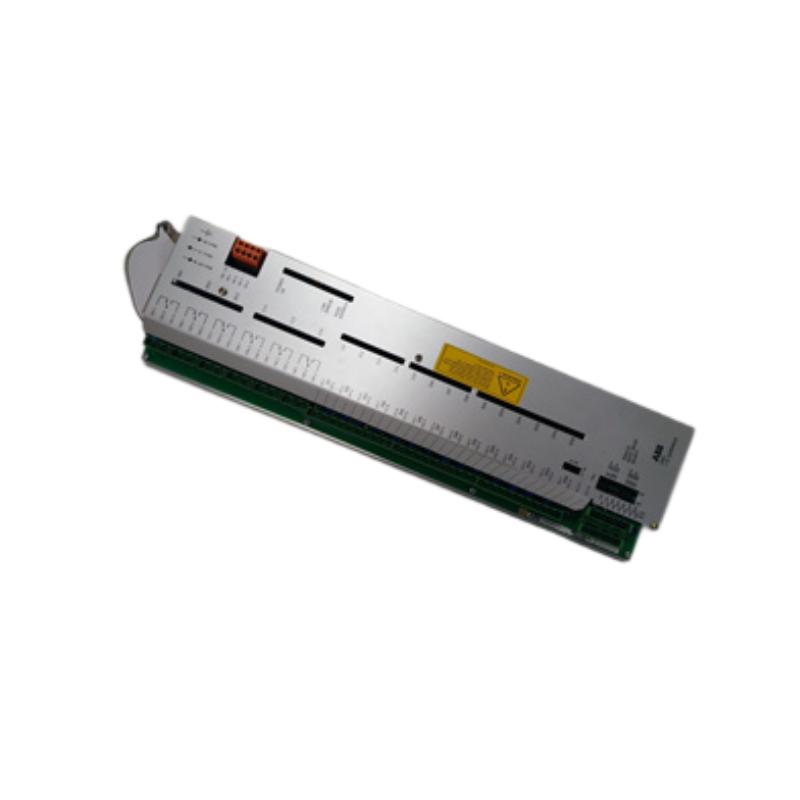
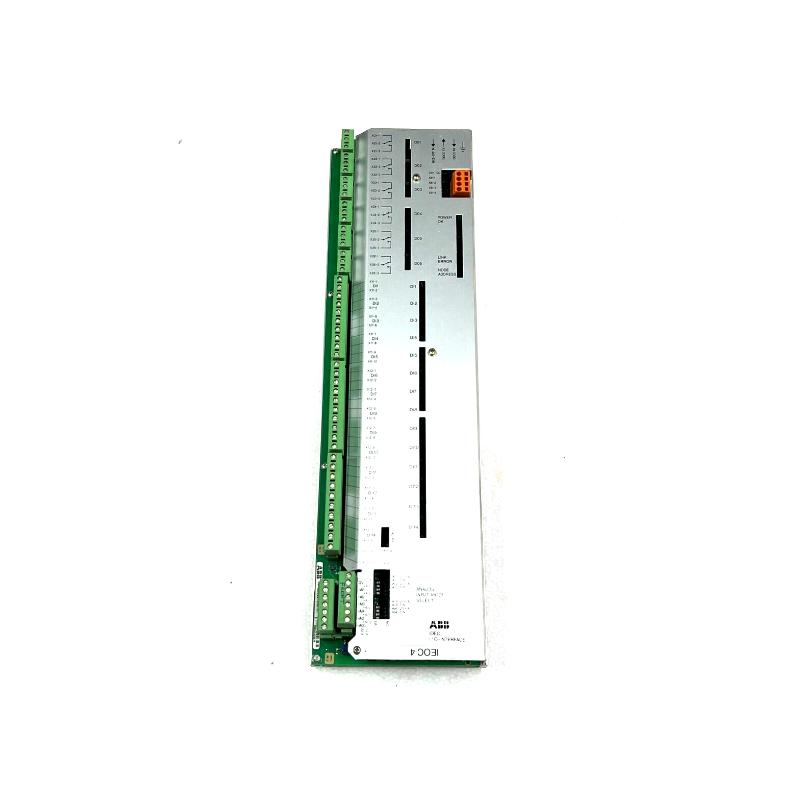
The ABB UFC719AE101 3BHB003041R0101 IOEC I/O Interface Module is a robust industrial communication unit designed to manage and synchronize input/output signals within advanced distributed control systems. Built for precision-driven industrial environments, it ensures stable data exchange between field devices and central controllers, enabling consistent automation performance even under demanding operating conditions.
This module is widely recognized for its strong integration capability within ABB IOEC architectures, making it a dependable choice for process industries where uninterrupted control, signal integrity, and system scalability are essential.
Technical Specifications
| Parameter | Specification |
|---|
| Manufacturer | ABB |
| Model | UFC719AE101 |
| Part Number | 3BHB003041R0101 |
| Product Type | IOEC I/O Interface Module |
| System Role | Industrial Input/Output Communication |
| Supported Signals | Digital & Analog I/O |
| Control System Compatibility | ABB IOEC / DCS Platforms |
| Communication Capability | Industrial Fieldbus Integration |
| Operating Temperature | -25°C to +70°C |
| Storage Temperature | -40°C to +85°C |
| Installation Type | Rack / Cabinet Mounted |
| Protection Design | Industrial Environment Rated |
Industrial Applications
The ABB UFC719AE101 IO Interface Module is engineered for complex automation ecosystems where multiple field devices must communicate seamlessly with central control systems. Its flexible architecture supports both analog and digital signal management, making it highly adaptable across various industries.
Typical applications include:
-
Power generation and distribution systems
-
Industrial process automation plants
-
Oil & gas control systems
-
Manufacturing production lines
-
Water treatment and utility networks
-
Heavy machinery monitoring systems
-
Electrical substations and control rooms
-
Large-scale infrastructure automation
Its stable performance ensures reliable system coordination, even in continuously operating industrial environments.
Key Advantages
High-Integrity Signal Communication
The module ensures accurate and stable transmission of I/O signals between field devices and controllers, reducing communication errors in automation systems.
Strong Environmental Resistance
Designed for harsh industrial conditions, it maintains operational stability under temperature variations, vibration, and electrical noise.
Seamless System Integration
Optimized for ABB IOEC ecosystems, enabling smooth compatibility with distributed control systems and automation platforms.
Flexible I/O Handling Capability
Supports multiple signal types, allowing integration of diverse industrial sensors and actuators within a single system architecture.
Compact & Industrial-Ready Design
Its streamlined structure supports efficient installation in standard control cabinets without requiring excessive space.
Improved Operational Continuity
By maintaining reliable data exchange, it helps reduce system interruptions and enhances overall process uptime.
Technical FAQs
1. What is the main function of the ABB UFC719AE101 module?
It serves as an interface for managing and transmitting I/O signals between field devices and industrial control systems.
2. Is this module suitable for continuous industrial operation?
Yes, it is designed for 24/7 operation in demanding industrial environments.
3. What systems is it compatible with?
It is primarily used with ABB IOEC and distributed control system (DCS) architectures.
4. Does it support both analog and digital signals?
Yes, it is designed to handle mixed I/O configurations.
5. Can it operate in harsh environments?
Yes, it is built for industrial-grade conditions including temperature and vibration stress.
6. Is the module easy to install?
Yes, it supports standard rack or cabinet mounting for simplified integration.
7. What industries commonly use this module?
It is widely used in energy, manufacturing, utilities, and process automation sectors.
8. Does it improve system reliability?
Yes, it enhances communication stability between control systems and field equipment.
9. Is the module suitable for large-scale systems?
Yes, it is designed for scalable industrial automation architectures.
10. Does it require frequent maintenance?
No, it is engineered for long-term stability with minimal maintenance requirements.
 A DCS Q Co., Ltd. - PLC and DCS Industrial Control Equipment Wholesale