Introduction
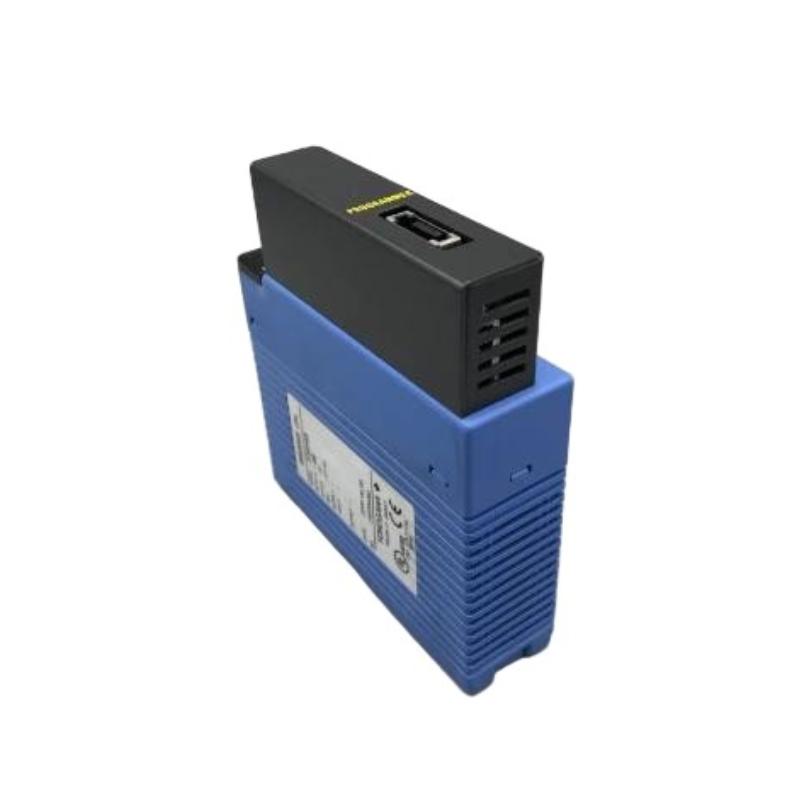
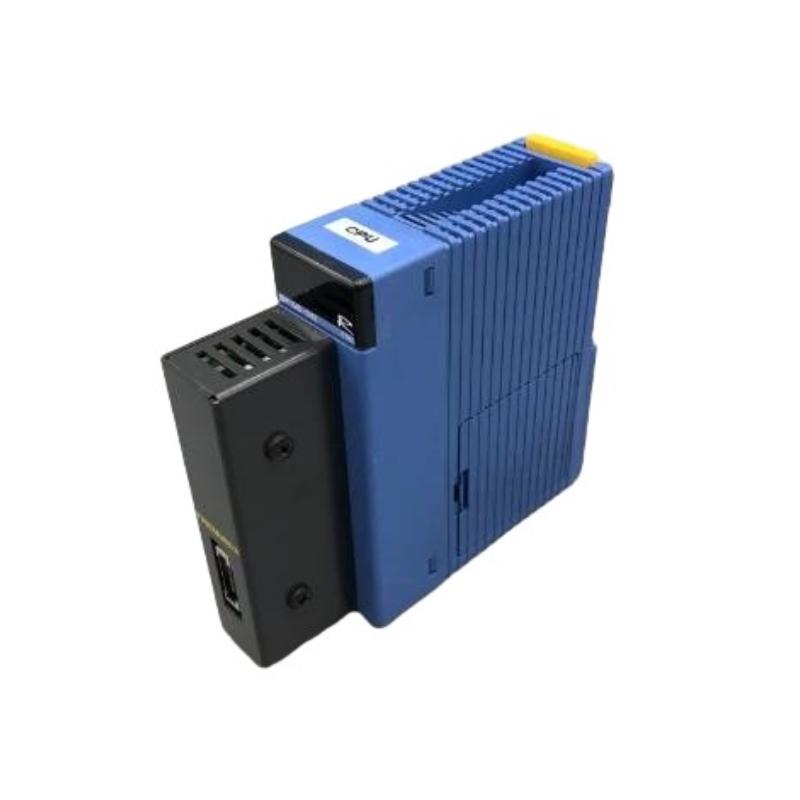
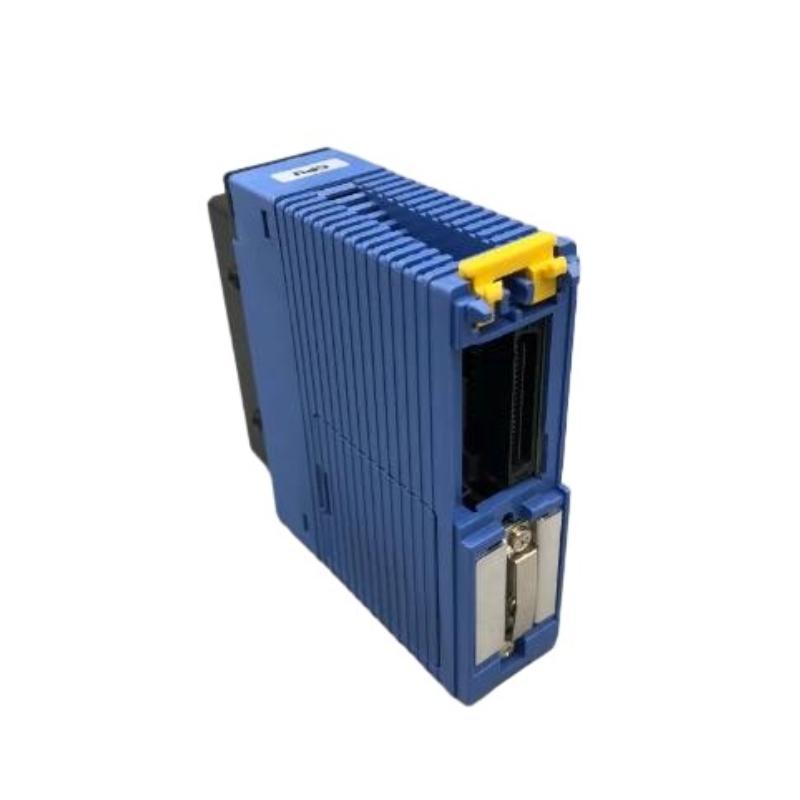
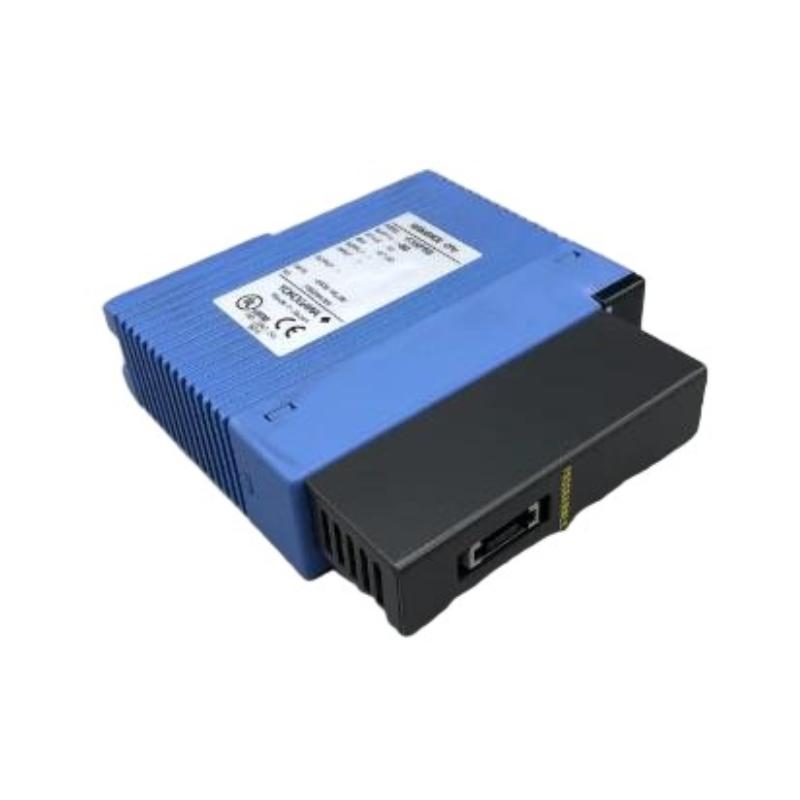
The Yokogawa F3SP58-6S CPU Module is a flagship high-performance sequence controller designed for FA-M3 PLC systems, delivering ultra-fast processing speed, large program capacity, and advanced system scalability for complex industrial automation environments.
Engineered for high-demand applications, this CPU module is built to handle large-scale control logic, high-speed I/O processing, and multi-system coordination with exceptional stability. It is widely used in mission-critical manufacturing lines where precision, responsiveness, and continuous uptime are essential.
With its powerful 32-bit processing architecture and expanded memory resources, the F3SP58-6S represents one of the most advanced CPU options in the FA-M3 family.
Technical Specifications
| Parameter | Specification |
|---|
| Model | F3SP58-6S |
| Module Type | Sequence CPU Module |
| Series | FA-M3 |
| Control Method | Stored program, cyclic scan execution |
| Processor Type | High-speed 32-bit CPU |
| Basic Instruction Speed | 0.0175–0.07 µs per instruction |
| Application Instruction Speed | ~0.07 µs per instruction |
| Program Capacity | 120K steps (writeable to ROM) |
| I/O Capacity | Up to 8,192 points |
| Internal Memory | 32K relay / 32K register / 256K file register |
| Programming Languages | Object ladder, mnemonic language |
| Communication Interfaces | Ethernet, RS-232C, RS-422/485 |
| Supported Protocols | Ethernet, Modbus (via expansion modules) |
| Sensor Control Function | Independent high-speed scan execution |
| Diagnostics | CPU, memory, and I/O self-diagnostics |
| Power Consumption | Approx. 5 V DC, 1.1 A |
| Mounting | FA-M3 base unit slot |
| Operating Temperature | 0°C to 55°C |
| Storage Temperature | -20°C to 75°C |
| Humidity | 10–90% RH (non-condensing) |
| Dimensions (W × H × D) | 28.9 × 100 × 83.2 mm |
| Weight | Approx. 0.12–0.30 kg |
Applications
The F3SP58-6S is designed for large-scale and high-speed automation systems requiring strong processing power and stable long-term operation. Typical applications include:
-
Semiconductor and precision manufacturing systems
-
High-speed packaging and assembly lines
-
Automotive production automation systems
-
Complex process control in chemical and energy industries
-
Large distributed PLC networks
-
Multi-system synchronized production environments
Its high processing speed and large memory capacity make it suitable for highly complex control logic environments.
Advantages
One of the key advantages of the F3SP58-6S is its ultra-fast instruction execution speed down to 0.0175 µs, enabling extremely responsive control performance in high-speed automation systems.
It supports a large program capacity of 120K steps, allowing engineers to implement highly complex control logic, diagnostics, and multi-layer automation strategies within a single controller.
The module includes a high-capacity file register (256K), providing extensive data handling capability for large-scale process tracking and industrial data management.
A key functional highlight is its sensor control mode, which enables an independent scan cycle alongside the main program execution, improving I/O responsiveness and real-time system performance.
Additionally, its robust FA-M3 integration architecture allows seamless coordination with motion, communication, and analog modules, making it ideal for fully integrated automation systems.
Technical FAQs
1. What is the main function of the F3SP58-6S?
It acts as the main CPU for FA-M3 PLC systems, executing control logic and system coordination.
2. How fast is its processing speed?
Basic instructions can execute as fast as 0.0175 µs per operation.
3. What is its program capacity?
Up to 120,000 steps of control logic.
4. How many I/O points can it handle?
Up to 8,192 I/O points.
5. Does it support Ethernet communication?
Yes, Ethernet is supported via built-in or expansion interfaces.
6. What programming languages are supported?
Object ladder and mnemonic programming languages.
7. Is it suitable for large systems?
Yes, it is designed for high-capacity, complex industrial systems.
8. Does it support real-time control?
Yes, it is optimized for deterministic real-time processing.
9. What is the scan cycle performance?
Approximately 1 ms for typical large programs.
10. What industries commonly use it?
Manufacturing, semiconductor, automotive, and process industries.
 A DCS Q Co., Ltd. - PLC and DCS Industrial Control Equipment Wholesale