Introduction
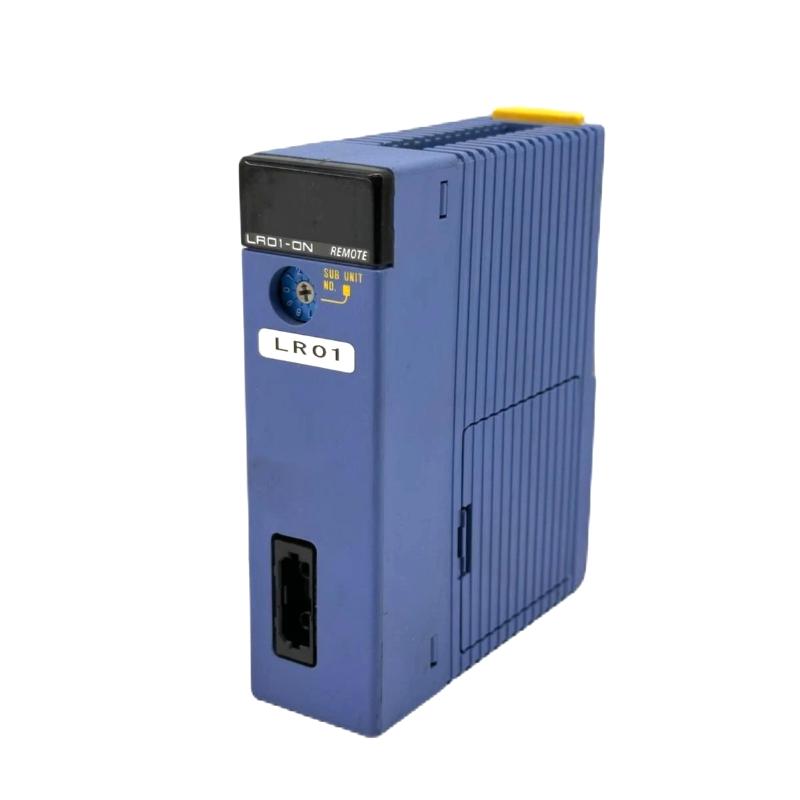
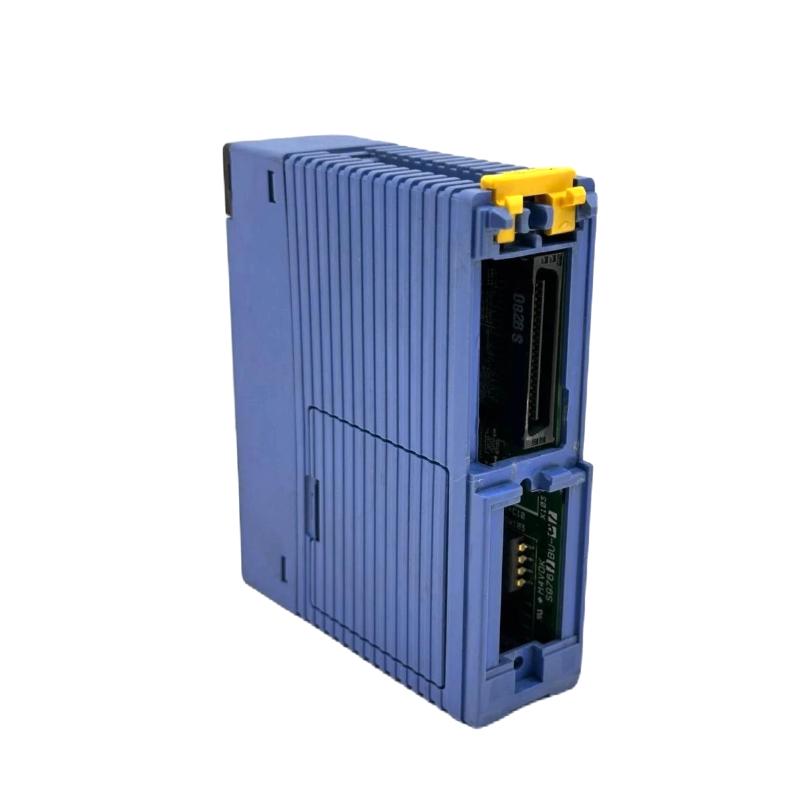
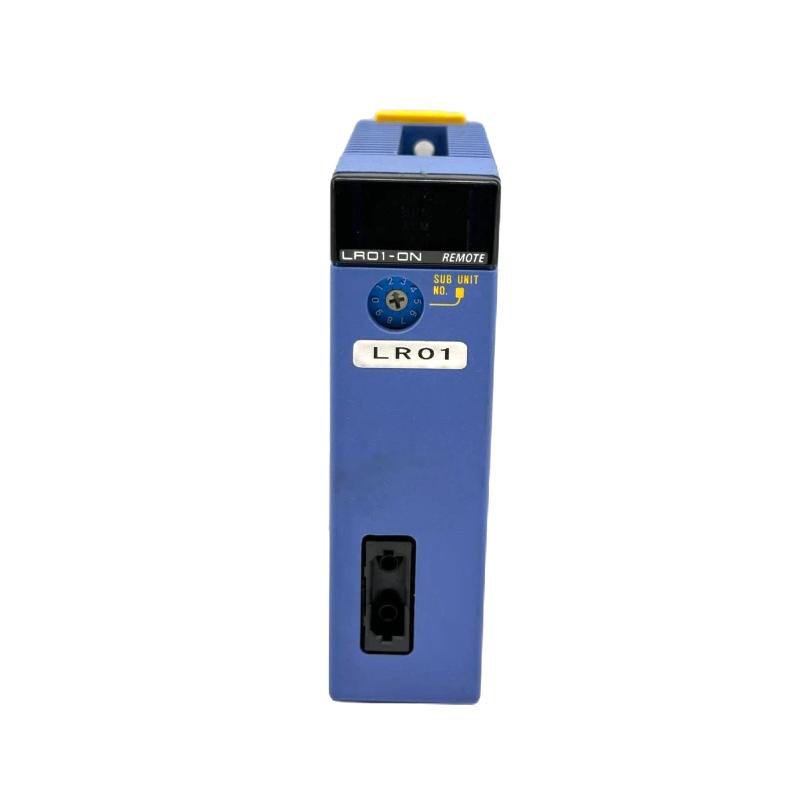
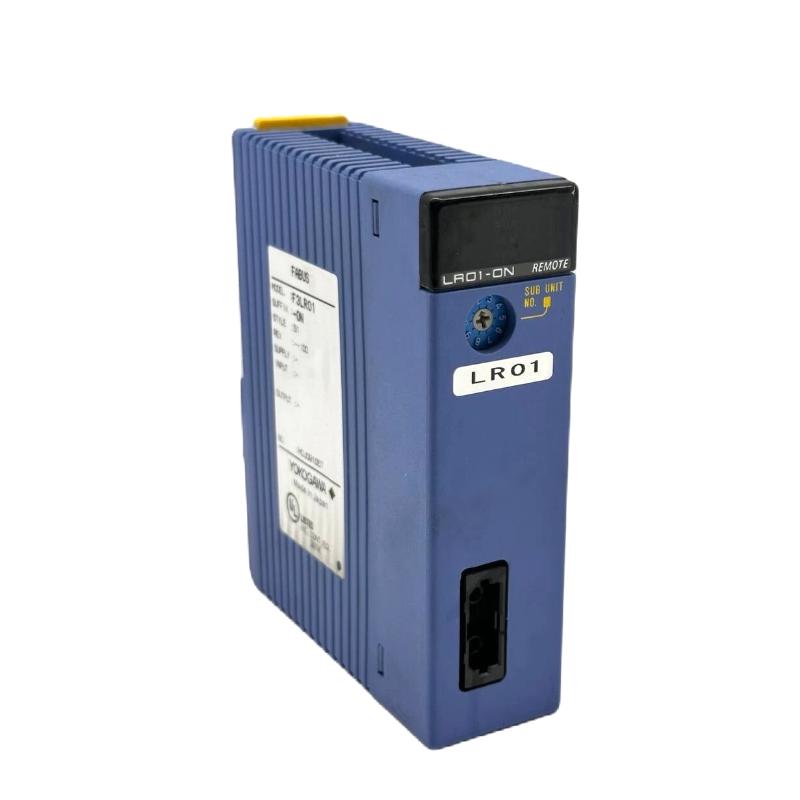
The Yokogawa F3LR01-0N Fiber Optic FA-Bus Interface Module is a dedicated high-reliability communication module designed for FA-M3 PLC systems, enabling robust data exchange between a main controller and distributed I/O or expansion units through optical fiber transmission.
Built for industrial environments with high electrical noise or long-distance wiring requirements, this module uses fiber optic communication to ensure stable, interference-free signal transmission. It is widely used in distributed control architectures where deterministic communication and electrical isolation are critical for system stability and safety.
By supporting multi-station expansion over a single FA-Bus optical network, it allows scalable system design while maintaining consistent synchronization between all connected units.
Technical Specifications
| Parameter | Specification |
|---|
| Model | F3LR01-0N |
| Module Type | Fiber Optic FA-Bus Interface Module |
| Series | FA-M3 |
| Communication Type | FA-Bus (Fiber Optic) |
| Transmission Medium | 2-core optical fiber |
| Transmission Speed | 10 Mbps |
| Network Capacity | Main unit + up to 7 expansion stations |
| Maximum Distance | Up to 200 m total bus length |
| Topology | Star / daisy-chain configuration |
| Isolation | Full optical galvanic isolation |
| Noise Immunity | High resistance to EMI/RFI |
| Diagnostic Functions | LED status indicators |
| Synchronization | Deterministic real-time communication |
| Power Consumption | Approx. 220 mA @ 5 V DC |
| Mounting | FA-M3 base unit slot |
| Operating Temperature | 0°C to 55°C |
| Storage Temperature | -20°C to 75°C |
| Humidity | 10–90% RH (non-condensing) |
| Weight | Approx. 0.22 kg |
Applications
The F3LR01-0N is designed for distributed automation systems that require stable and noise-immune communication between multiple control nodes. Its fiber optic architecture makes it ideal for harsh industrial environments.
Typical applications include:
-
Large-scale factory automation systems
-
Semiconductor manufacturing equipment
-
Packaging and assembly line control systems
-
Chemical and process industry distributed control
-
Multi-rack PLC expansion systems
-
High-noise environments with heavy electrical machinery
Its optical isolation ensures reliable operation even in environments with strong electromagnetic interference.
Advantages
One of the key advantages of the F3LR01-0N is its fiber optic communication architecture, which provides complete immunity to electromagnetic and radio frequency interference, ensuring stable operation in electrically noisy industrial environments.
It supports up to 7 expansion stations on a single FA-Bus network, enabling scalable system architecture without complex wiring redesign.
The module delivers deterministic 10 Mbps communication, ensuring synchronized real-time data exchange between the main controller and remote units.
Its full optical isolation design protects PLC systems from ground loops, voltage surges, and lightning-induced disturbances, significantly improving system reliability and lifespan.
Additionally, the modular architecture simplifies system expansion, allowing engineers to extend control capacity without changing the core PLC configuration.
Technical FAQs
1. What is the main function of the F3LR01-0N?
It provides fiber optic communication between FA-M3 PLCs and expansion or remote I/O units.
2. What is the transmission speed?
It operates at a fixed 10 Mbps communication speed.
3. How many stations can be connected?
Up to 7 expansion or sub-units per FA-Bus network.
4. What is the maximum communication distance?
Up to 200 meters total bus length depending on configuration.
5. What type of cable is used?
2-core multimode optical fiber cable.
6. Is the system immune to electrical noise?
Yes, fiber optic transmission provides full EMI/RFI immunity.
7. Does it support real-time communication?
Yes, it provides deterministic real-time data exchange.
8. What PLC system is it compatible with?
It is designed for Yokogawa FA-M3 PLC platforms.
9. Is installation complex?
No, it integrates directly into FA-M3 base unit slots.
10. What is its main advantage over copper bus systems?
Higher noise immunity, longer distance stability, and complete electrical isolation.
 A DCS Q Co., Ltd. - PLC and DCS Industrial Control Equipment Wholesale