Product Overview
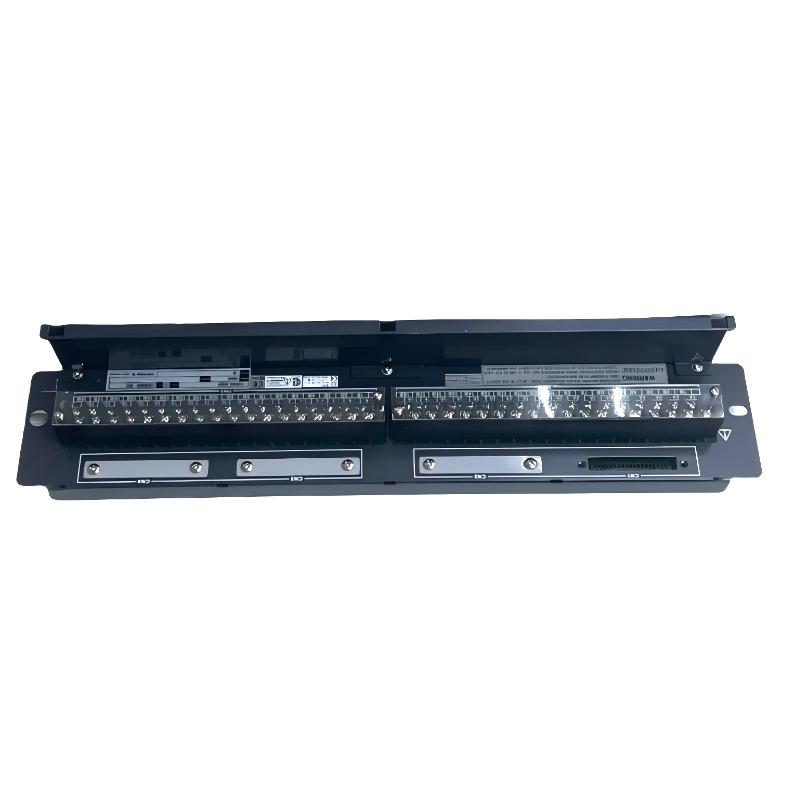
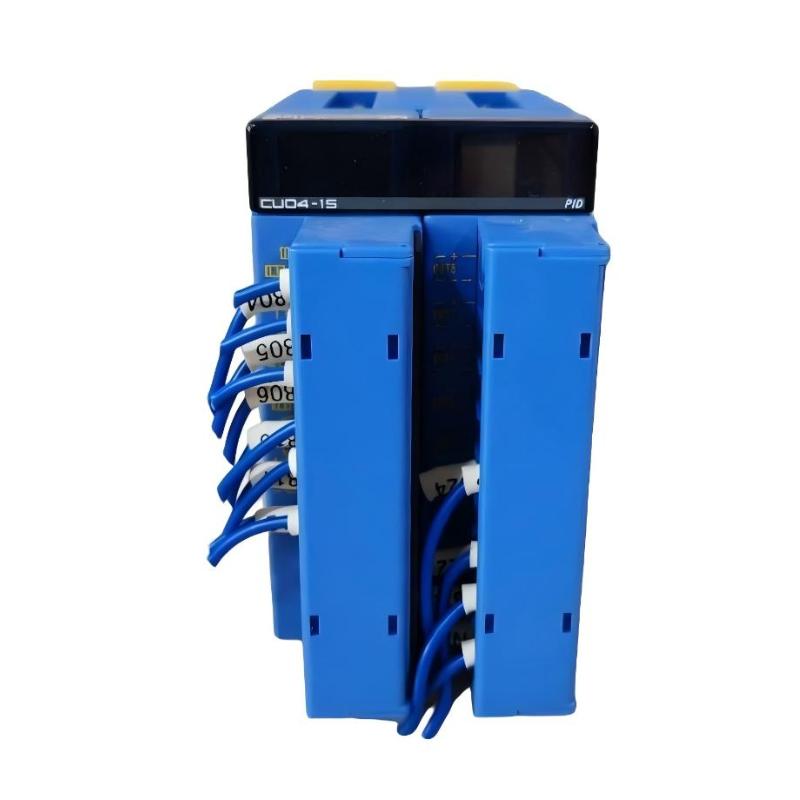
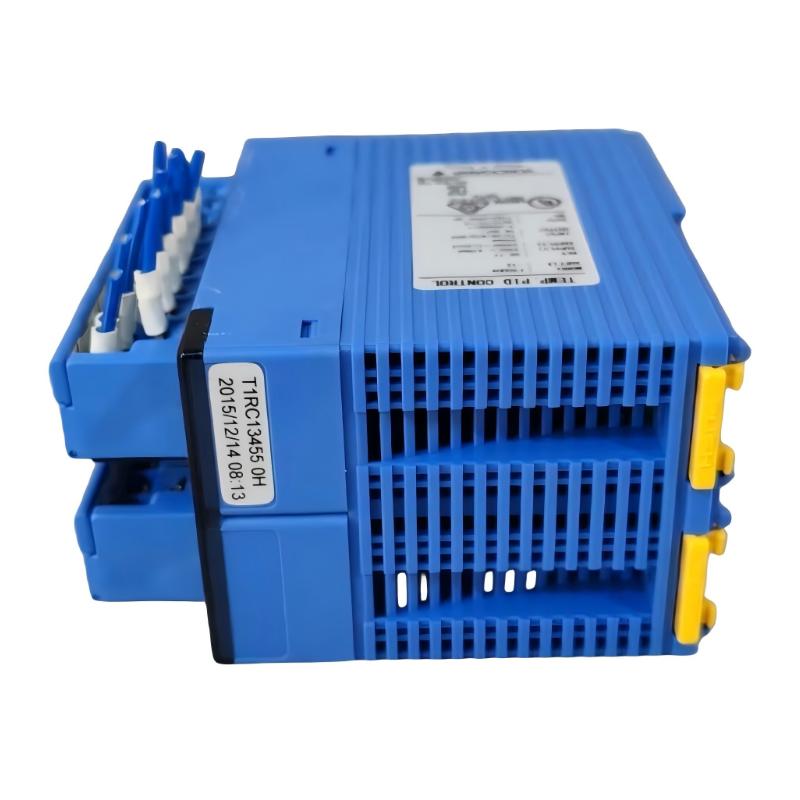
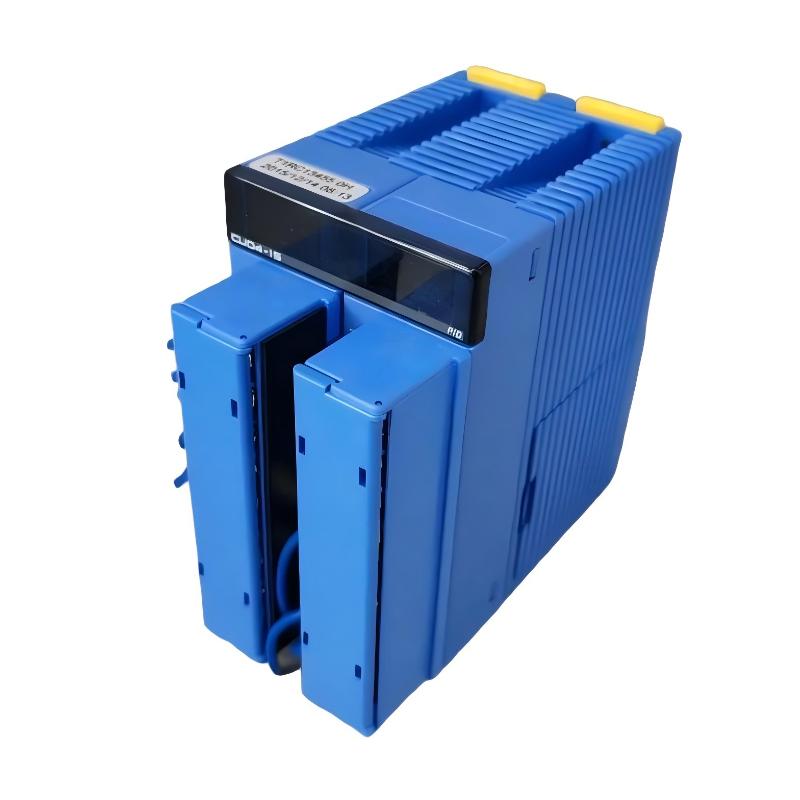
The Yokogawa F3CU04-1S Temperature PID Control Module is a high-precision, multi-loop control solution developed for the FA-M3 PLC platform. Designed to deliver stable and responsive thermal regulation, this module integrates advanced PID algorithms directly into hardware, allowing critical temperature processes to run independently from the main CPU cycle.
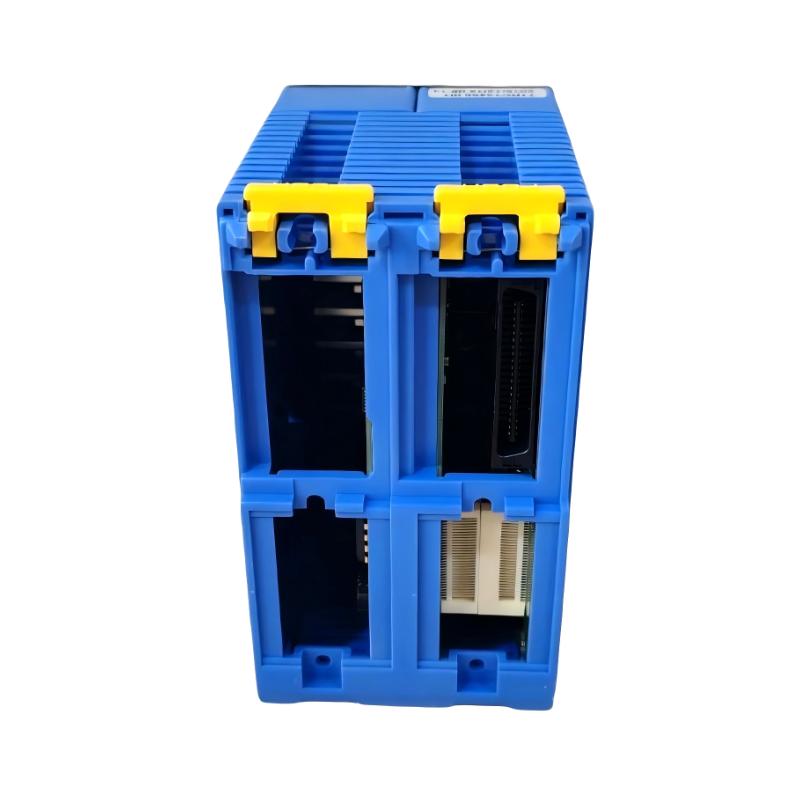
With support for both heating and cooling control, as well as continuous output capability, it is particularly suited for applications that demand tight process control and minimal temperature deviation. Its dual-slot architecture enhances functionality without compromising system flexibility, making it a powerful upgrade for complex automation environments.
Technical Data Sheet
| Parameter | Specification |
|---|
| Model | F3CU04-1S |
| Module Type | Temperature PID Control Module |
| Series | FA-M3 |
| Control Loops | 4 independent loops |
| Input Types | Thermocouple, RTD, DC voltage (universal input) |
| Control Modes | PID, ON/OFF, Cascade, Two-input switching |
| Sampling Period | Approx. 200 ms per loop |
| Input Accuracy | ±0.1% of full scale |
| Resolution | 0.1°C |
| Output Type | Time-proportional (open collector) + continuous 4–20 mA |
| Alarm Functions | 12 types with delay support |
| Alarm Outputs | 4 outputs per loop |
| Isolation | Channel-to-channel isolation |
| Power Supply | From FA-M3 base unit |
| Current Consumption | Approx. 470 mA @ 5V DC |
| Mounting | Occupies 2 slots in base unit |
| External Connection | Dual 18-point terminal blocks |
| Operating Temperature | 0°C to 55°C |
| Storage Temperature | -25°C to 70°C |
| Dimensions (W × H × D) | 58 × 100 × 106.1 mm |
| Weight | Approx. 0.35 kg |
Application Fields
The F3CU04-1S is widely deployed in industries where precise temperature control directly influences product quality and process efficiency. Its multi-loop capability enables centralized management of multiple heating or cooling zones.
Typical applications include:
-
Industrial furnaces and heat treatment systems
-
Plastic molding and extrusion processes
-
Semiconductor and electronics manufacturing
-
Chemical processing and reactor temperature control
-
Food processing and packaging lines
-
Environmental testing chambers
Its ability to maintain stable output under varying conditions makes it ideal for continuous production environments.
Core Advantages
One of the defining strengths of this module is its independent control processing, which ensures consistent PID performance regardless of PLC scan load. This results in smoother temperature curves and reduced overshoot during dynamic operations.
The inclusion of continuous 4–20 mA output alongside time-proportional control significantly expands integration possibilities, allowing compatibility with a wide range of actuators and control devices.
Additionally, its dynamic auto-tuning capability simplifies commissioning by automatically optimizing PID parameters in real time. This reduces engineering effort while improving control accuracy.
The module also supports simultaneous heating and cooling control without sacrificing loop capacity, providing greater flexibility in advanced thermal systems.
Technical FAQs
1. How many control loops are available?
The module supports four independent PID control loops.
2. What sensor types can be connected?
It supports thermocouples, RTDs, and DC voltage inputs.
3. Does it support both heating and cooling control?
Yes, it can manage heating and cooling outputs simultaneously.
4. Is auto-tuning included?
Yes, dynamic auto-tuning automatically adjusts PID parameters.
5. What is the sampling speed?
Approximately 200 ms per loop for fast response.
6. Can it output analog signals?
Yes, it supports continuous 4–20 mA output in addition to time-proportional signals.
7. Does it reduce PLC CPU workload?
Yes, control processing is handled internally within the module.
8. How is it installed?
It is mounted in an FA-M3 base unit and occupies two slots.
9. Are alarm functions available?
Yes, multiple alarm types with delay settings are supported.
10. Is it suitable for high-precision processes?
Yes, with ±0.1% accuracy and fine resolution, it is ideal for precision applications.
 A DCS Q Co., Ltd. - PLC and DCS Industrial Control Equipment Wholesale