Safety-Critical Processing Core for High-Integrity Automation Systems
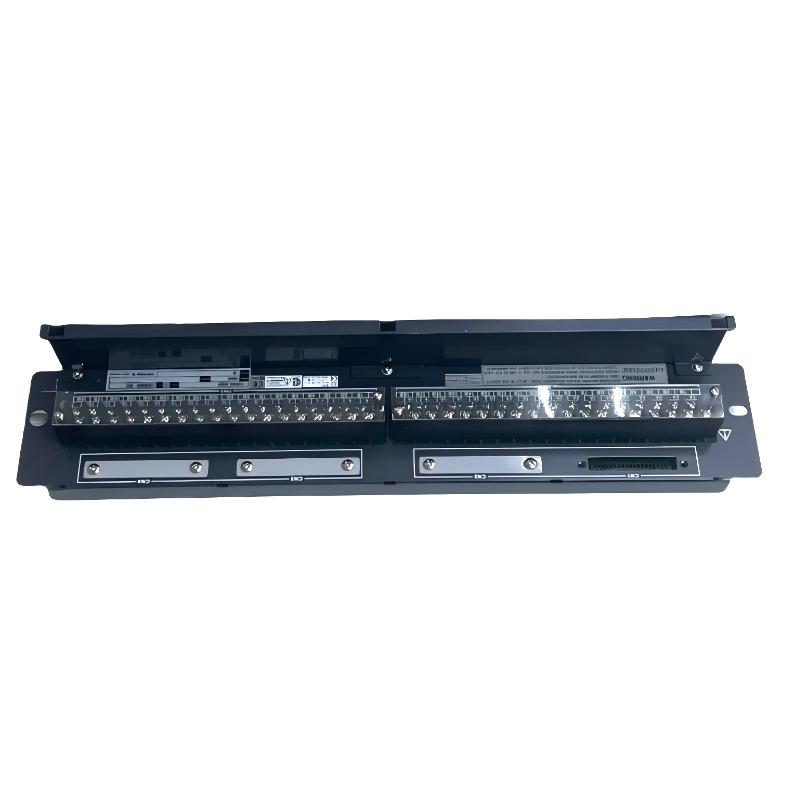
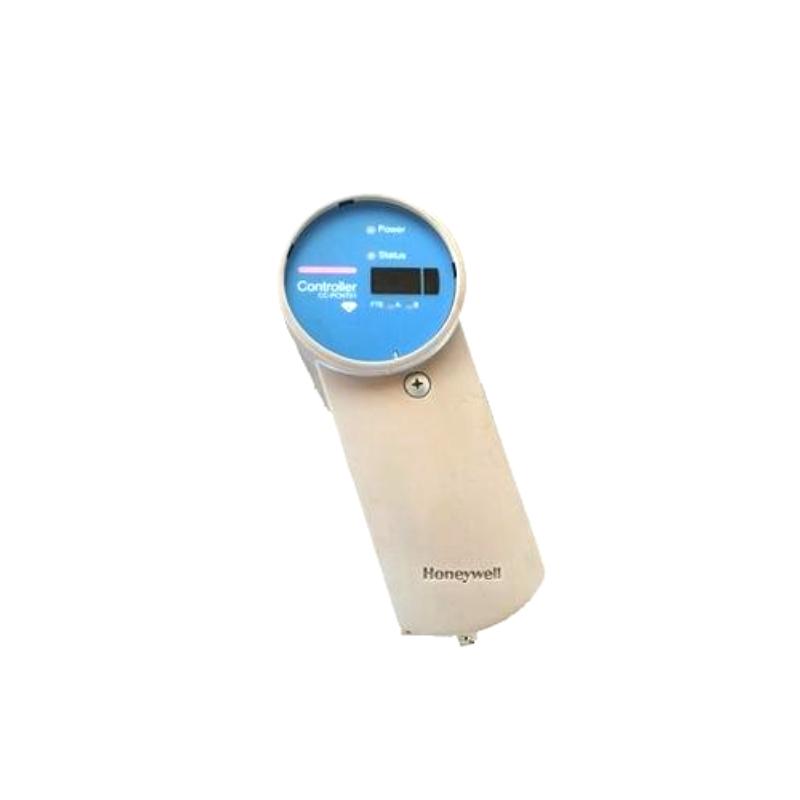
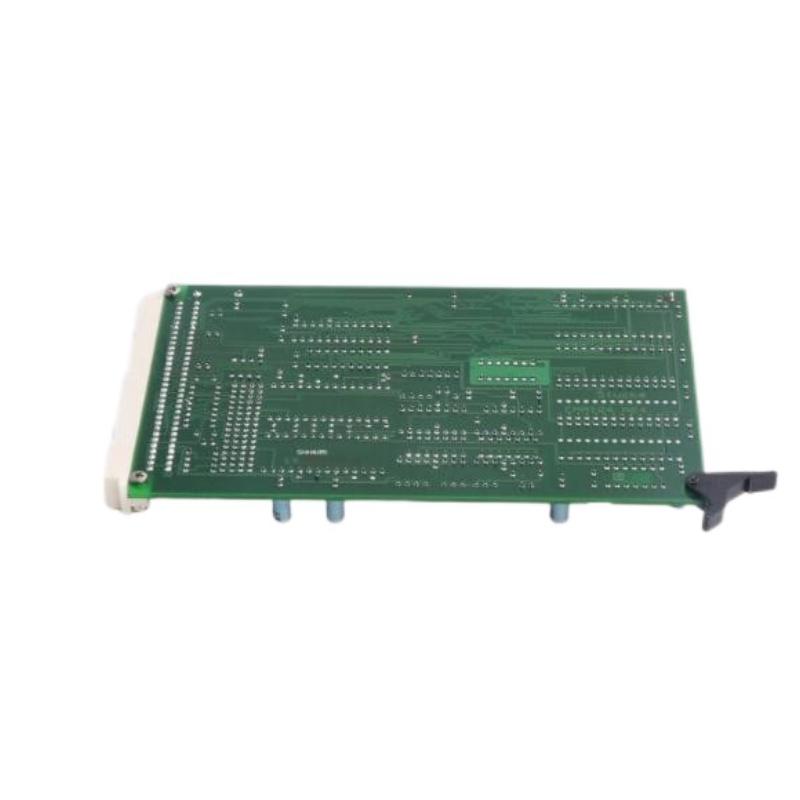
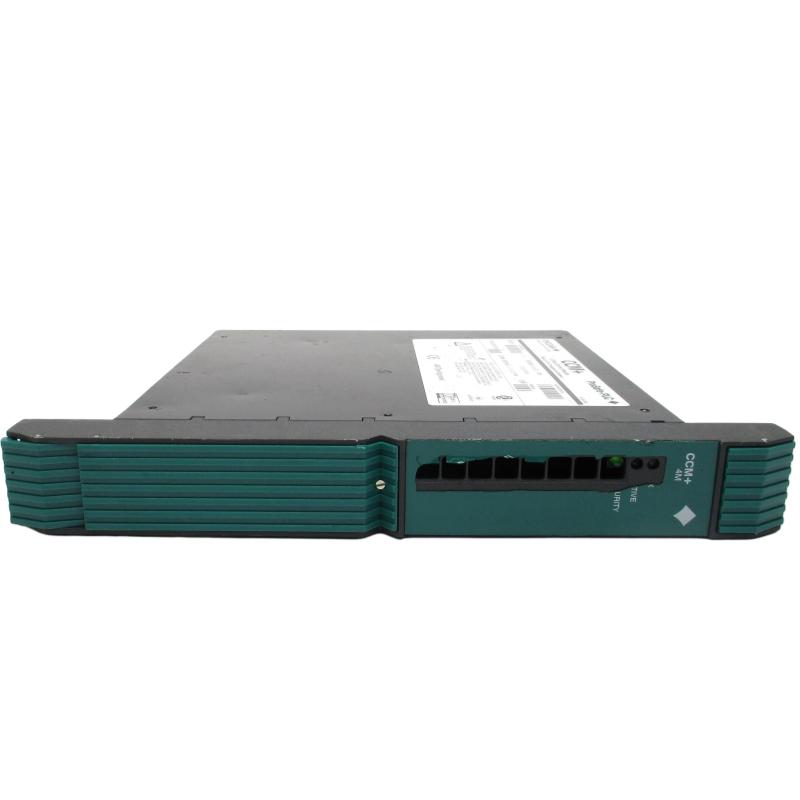
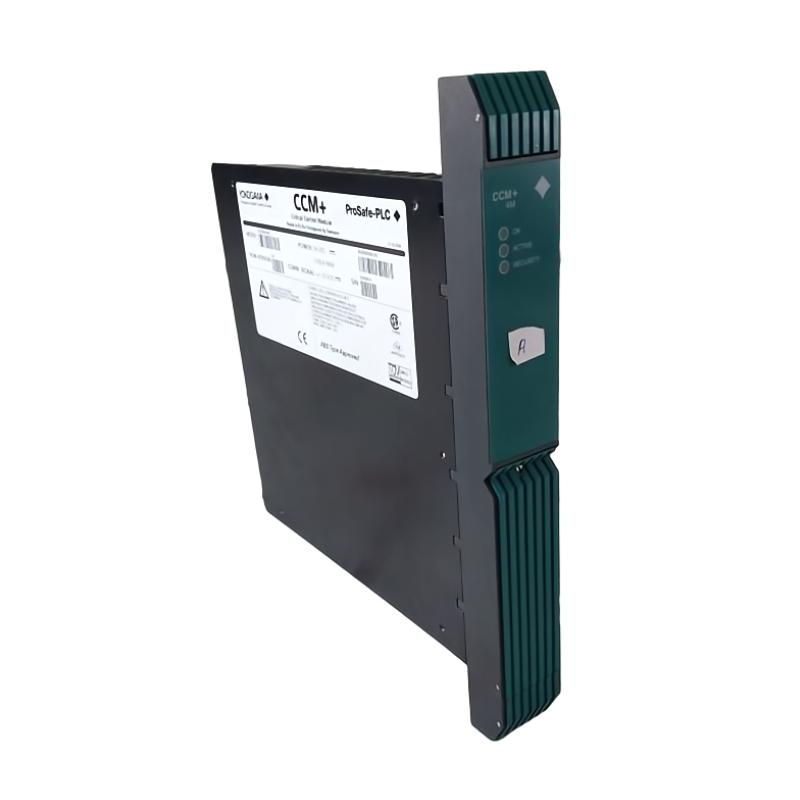
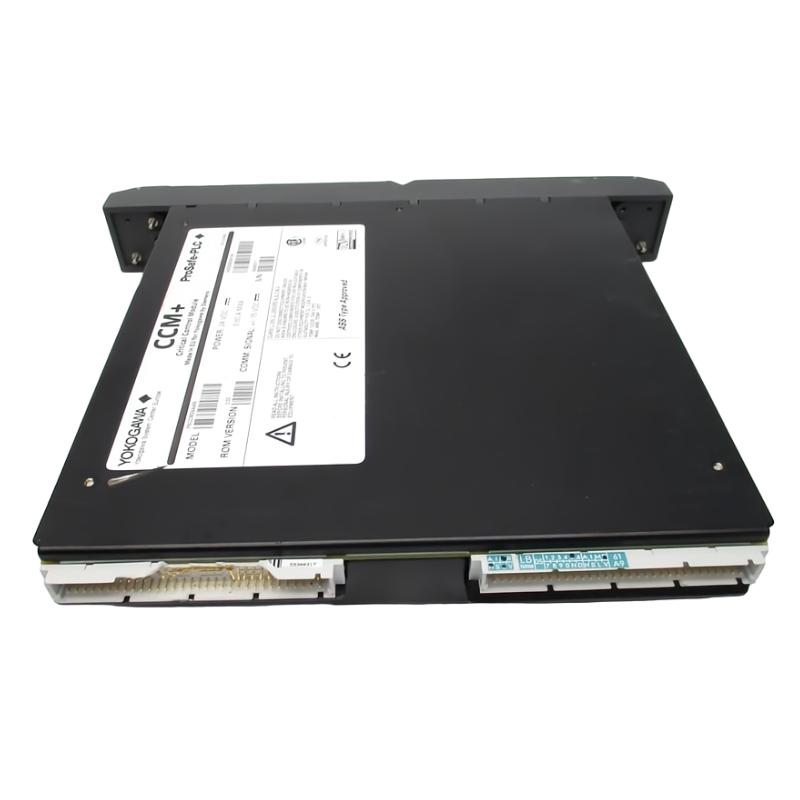
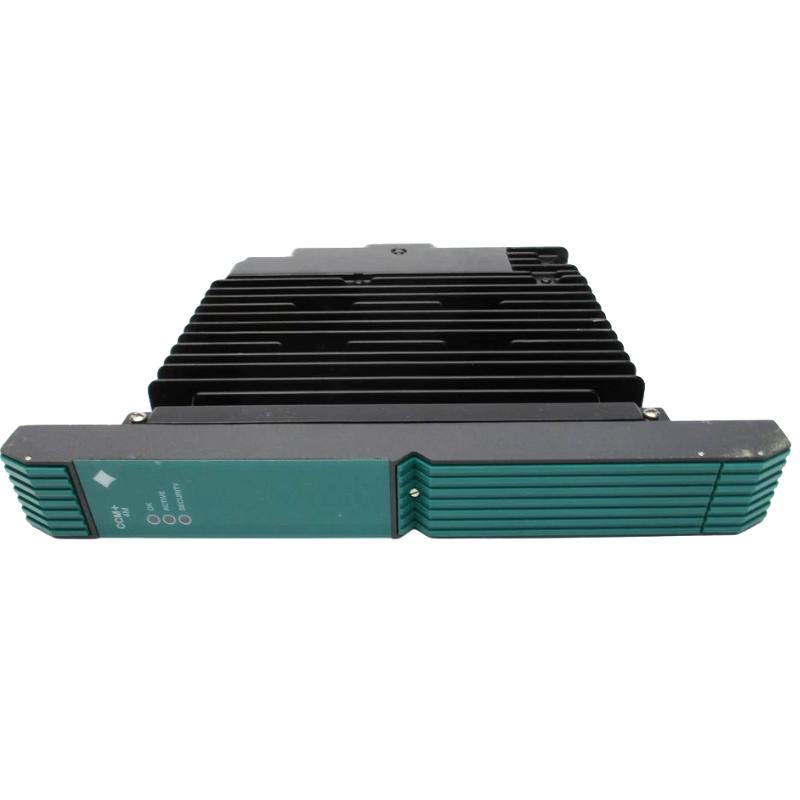
The Yokogawa PSCCM24AAN Critical Control Module is a central processing unit designed for the ProSafe-RS Safety Instrumented System (SIS). It is responsible for executing safety logic, managing system communication, and ensuring reliable operation of emergency and interlock functions in high-risk industrial environments.
This module is engineered for applications where system reliability, fault tolerance, and continuous safety monitoring are essential. It forms the core of Yokogawa’s safety control architecture, supporting critical decision-making in real-time process environments.
Technical Specifications
| Parameter | Specification |
|---|
| Product Type | Critical Control Module (CCM) |
| Model | PSCCM24AAN |
| System Compatibility | Yokogawa ProSafe-RS SIS / ProSafe-PLC |
| Function | Safety logic processing / system CPU module |
| Power Supply | 24 V DC |
| Communication Interfaces | M-bus / M-net (system dependent) |
| Processing Role | Central processing unit for safety functions |
| Safety Functions | ESD, F&G, HIPPS, BMS support |
| Redundancy Support | Yes (system-dependent configuration) |
| Operating Temperature | Industrial grade (-20°C to +70°C typical) |
| Storage Temperature | -40°C to +85°C |
| Humidity Range | 5% to 95% non-condensing |
| Weight | Approx. 1.0–2.0 kg (configuration dependent) |
Industrial Applications
The PSCCM24AAN is deployed in industries where process safety is critical and failure could lead to operational or environmental risks:
-
Oil & gas production and refining systems
-
Petrochemical and chemical processing plants
-
Offshore platforms and FPSO units
-
Power generation safety systems
-
High-risk industrial automation facilities
It is commonly used in Safety Instrumented Systems (SIS) that operate independently from standard DCS control layers.
Engineering Advantages
The PSCCM24AAN is designed to deliver high-integrity safety processing with strong fault tolerance and continuous diagnostics. Its architecture ensures deterministic behavior even under abnormal operating conditions.
Key advantages include:
-
Centralized safety logic execution for SIS architectures
-
High system reliability and availability for critical operations
-
Support for multiple safety functions including ESD, F&G, and HIPPS
-
Robust industrial design for harsh process environments
-
Secure system communication via dedicated safety buses
-
Scalable integration into ProSafe-RS architectures
These features make it a core component in modern industrial safety automation systems.
Technical FAQs
1. What is the main function of PSCCM24AAN?
It acts as the central processing unit for Yokogawa ProSafe safety systems.
2. What system is it used in?
It is used in the Yokogawa ProSafe-RS Safety Instrumented System (SIS).
3. What is its primary role?
It executes safety-critical logic such as shutdown and interlock functions.
4. What industries use this module?
Oil & gas, petrochemical, power generation, and offshore industries.
5. What communication methods does it use?
It uses M-bus or M-net communication depending on system configuration.
6. Is redundancy supported?
Yes, system-level redundancy is supported in SIS architectures.
7. What is its power requirement?
It typically operates on 24 V DC supply.
8. Why is it called a “critical control module”?
Because it executes safety-critical control logic in SIS systems.
9. What makes it different from standard PLC modules?
It is designed specifically for safety integrity and fault-tolerant operation.
10. What is its importance in industrial safety?
It ensures safe shutdown and hazard prevention in critical processes.
 A DCS Q Co., Ltd. - PLC and DCS Industrial Control Equipment Wholesale