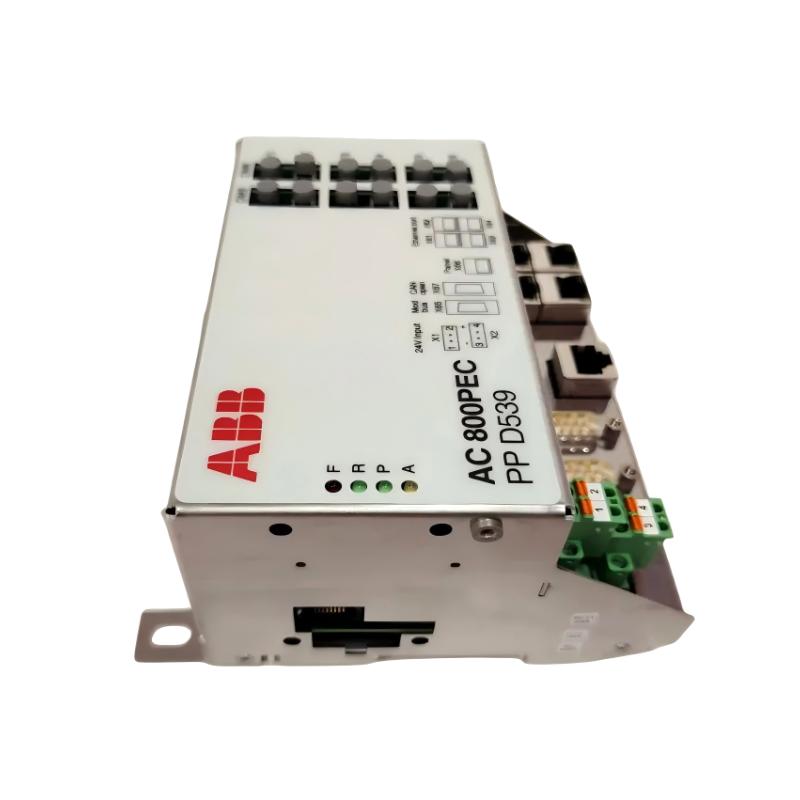
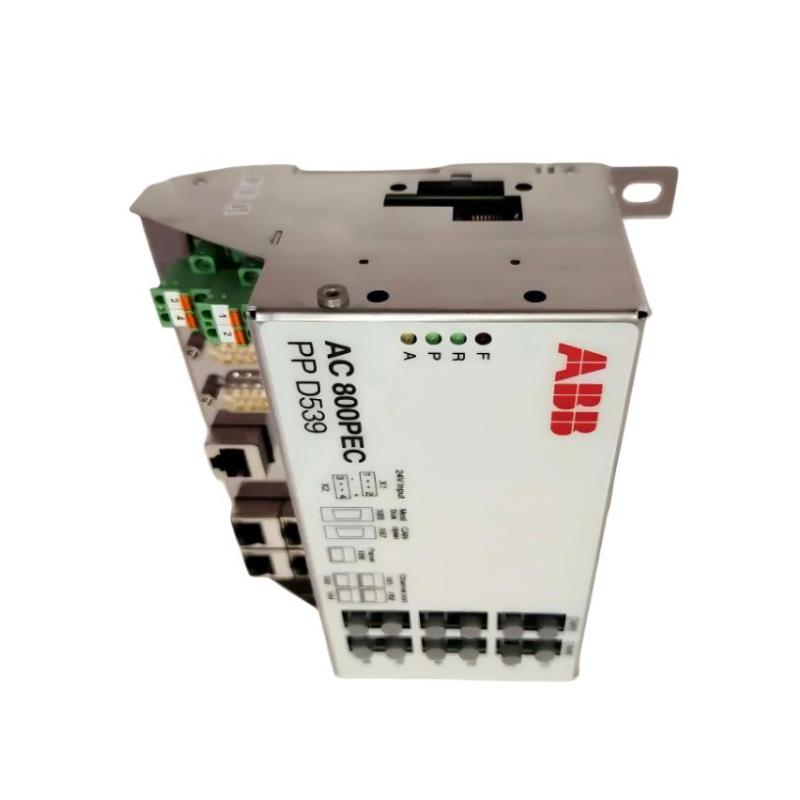
Introduction
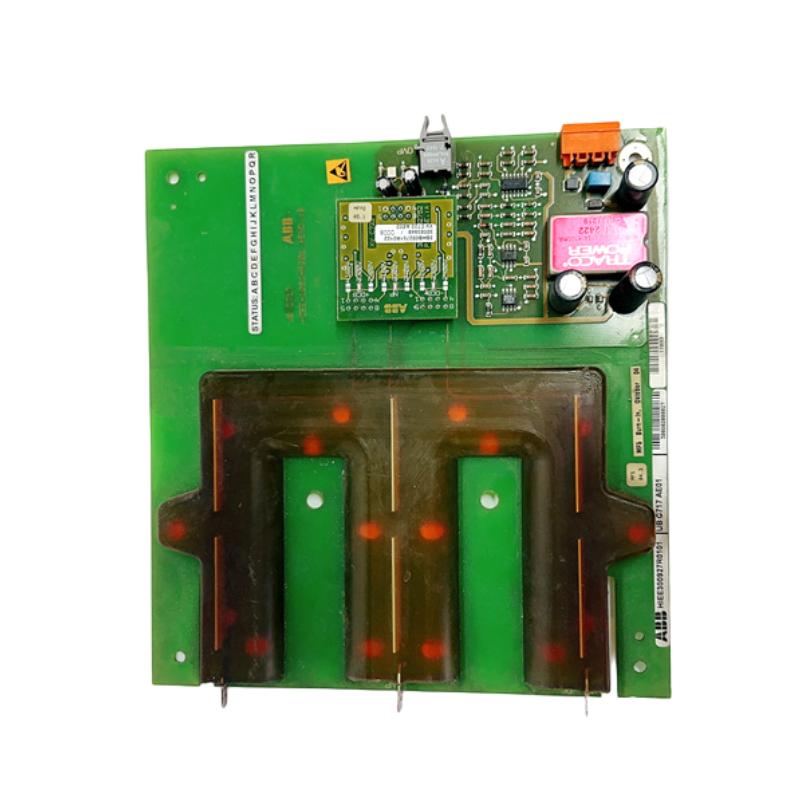
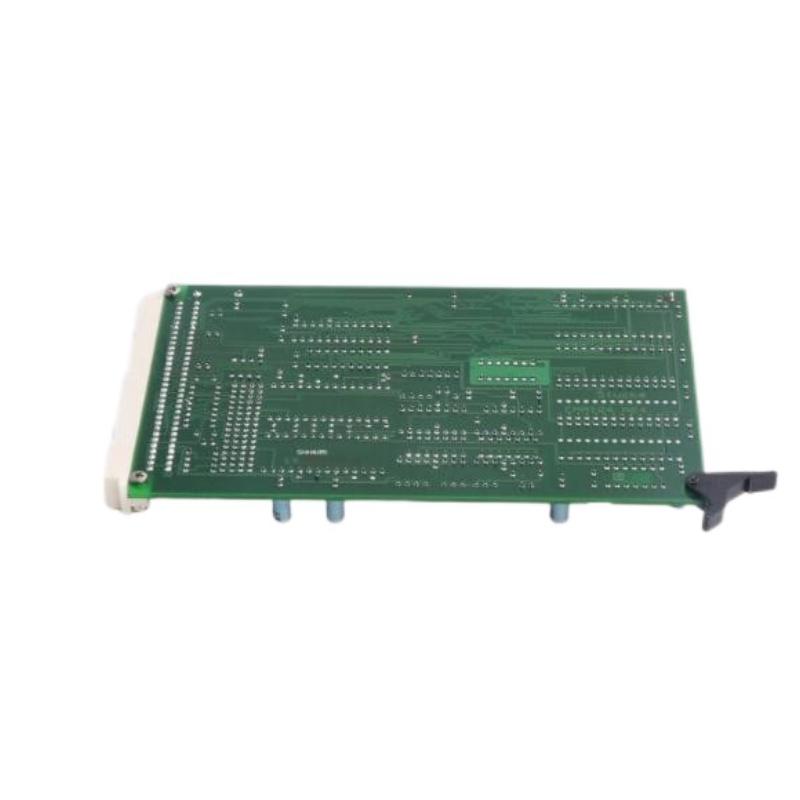
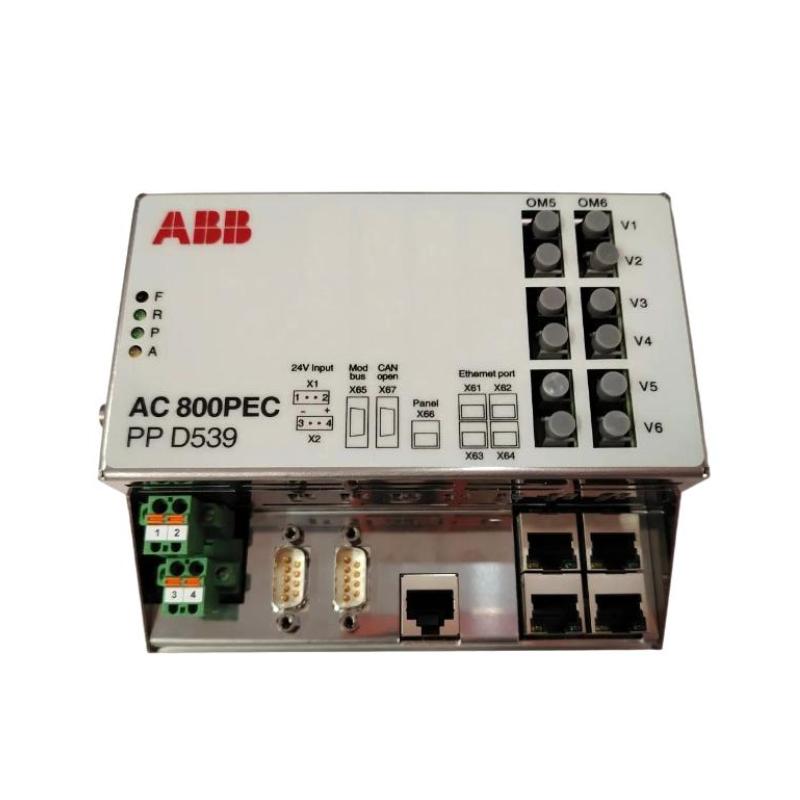
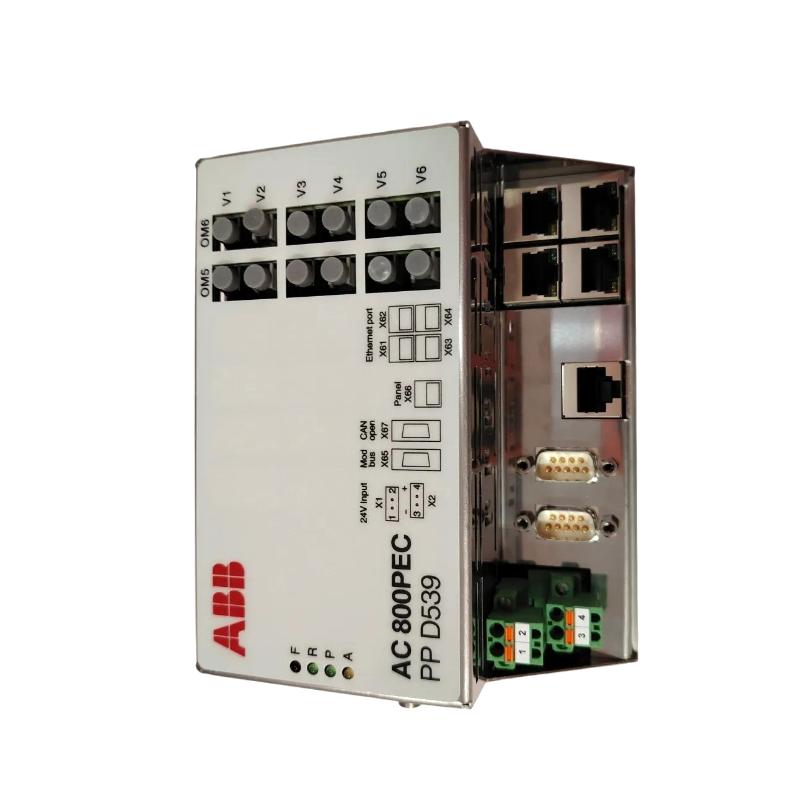
The ABB PP D239 BE A1102 (3BHE029594R1102) Power Electronics Controller is an advanced industrial control module designed for high-performance power conversion, excitation control, and power system regulation applications. It is part of ABB’s high-end power electronics and automation architecture, where precision control and fast dynamic response are essential for stable energy conversion processes.
Built for demanding industrial environments, this controller is widely used in power generation, drive systems, and large-scale converter applications. It ensures accurate regulation of voltage, current, and power flow while maintaining system stability under rapidly changing load conditions.
Technical Specifications
| Parameter | Details |
|---|
| Model | PP D239 BE A1102 |
| Order Number | 3BHE029594R1102 |
| Manufacturer | ABB |
| Module Type | Power Electronics Controller |
| System Role | Converter / excitation / power regulation control |
| Control Architecture | Real-time digital control platform |
| Processing Function | PWM control, regulation logic, system coordination |
| Communication | Industrial fieldbus / ABB system bus |
| Control Interface | Analog + digital I/O integration |
| Switching Control | High-speed power semiconductor control |
| Operating Voltage | 24 V DC system supply |
| Power Handling | System-dependent (converter-level control) |
| Operating Temperature | -20°C to +55°C |
| Storage Temperature | -40°C to +70°C |
| Protection Class | Industrial cabinet integration (IP20 system level) |
| Mounting Type | Rack / control cabinet module |
| Weight | Approx. 0.8 – 2.5 kg |
Applications
The ABB PP D239 BE A1102 is used in high-power industrial systems where precise electronic control of energy conversion is required:
-
Industrial drive and motor control systems
-
Power converter and rectifier systems
-
Generator excitation control systems
-
Renewable energy conversion systems (wind / hydro interfaces)
-
Steel mill drive automation systems
-
Heavy industrial power distribution control
It plays a key role in ensuring stable and efficient power delivery across complex electrical systems.
Advantages
The PP D239 BE A1102 is designed for high-speed power electronics control, enabling precise switching and regulation of power semiconductor devices. This ensures stable voltage and current behavior even under rapidly changing load conditions.
Its real-time digital control architecture allows continuous monitoring and adjustment of system parameters, improving energy efficiency and reducing electrical stress on components. This leads to more stable long-term operation and improved equipment lifespan.
A major advantage is its tight integration with ABB power platforms, enabling seamless coordination with converters, excitation systems, and drive controllers. This improves system synchronization and reduces configuration complexity.
Additionally, its industrial-grade robustness ensures reliable performance in harsh environments such as steel production, energy plants, and heavy automation systems.
Technical FAQs
1. What is the main function of the PP D239 BE A1102 module?
It controls and regulates power electronics systems such as converters and excitation units.
2. What systems is it used in?
It is used in ABB power conversion, drive, and industrial automation platforms.
3. Is it a standalone controller?
No, it operates as part of a larger ABB power electronics system.
4. What type of control does it perform?
Real-time switching control and power regulation logic.
5. What is its operating voltage?
Typically powered by a 24 V DC system supply.
6. Does it support industrial communication?
Yes, it integrates with ABB system buses and field communication networks.
7. What industries use this module?
Power generation, steel production, renewable energy, and industrial drives.
8. Is it suitable for continuous operation?
Yes, it is designed for 24/7 industrial environments.
9. What is its main benefit?
Stable and high-speed control of power electronics systems.
10. Does it support system integration?
Yes, it integrates with ABB converter and automation architectures.
 A DCS Q Co., Ltd. - PLC and DCS Industrial Control Equipment Wholesale