Introduction
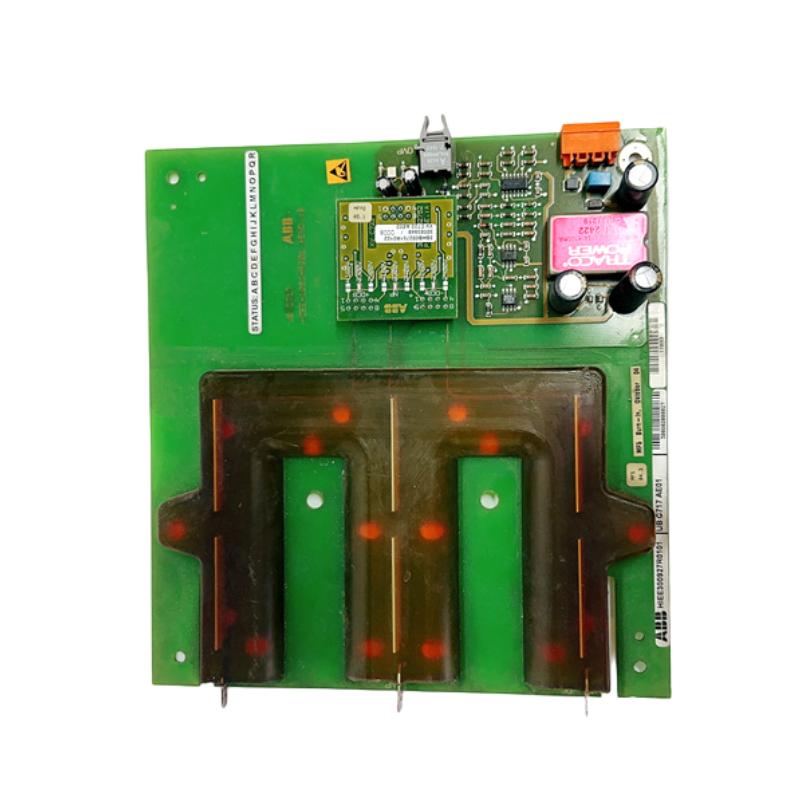
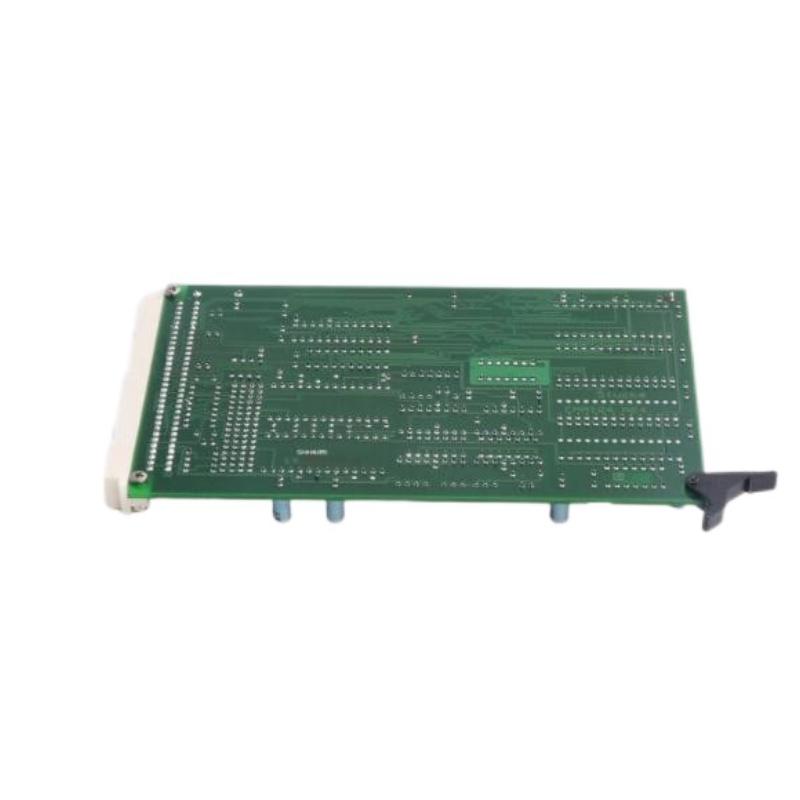
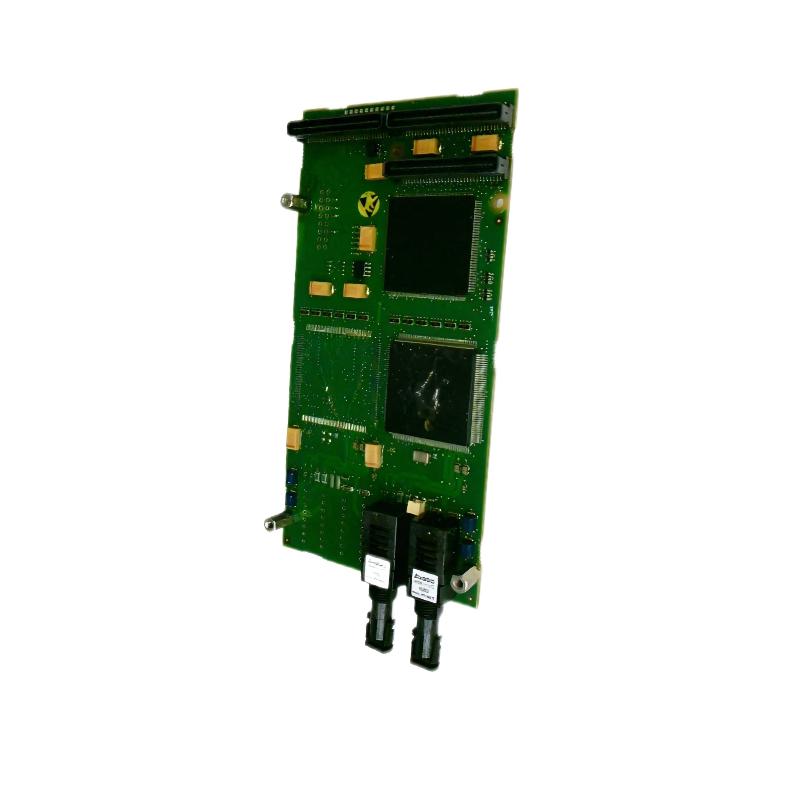
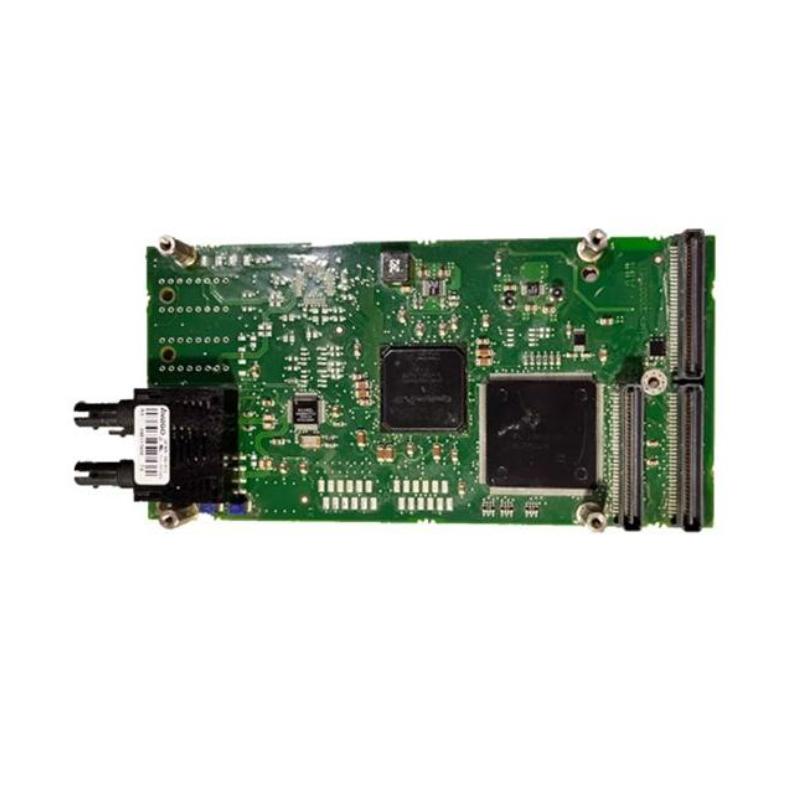
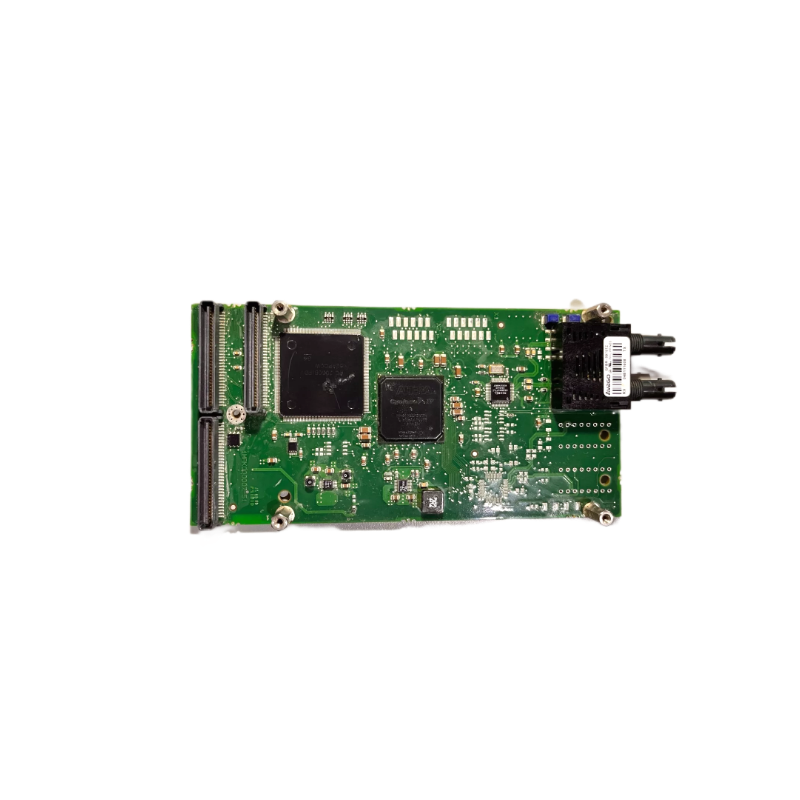
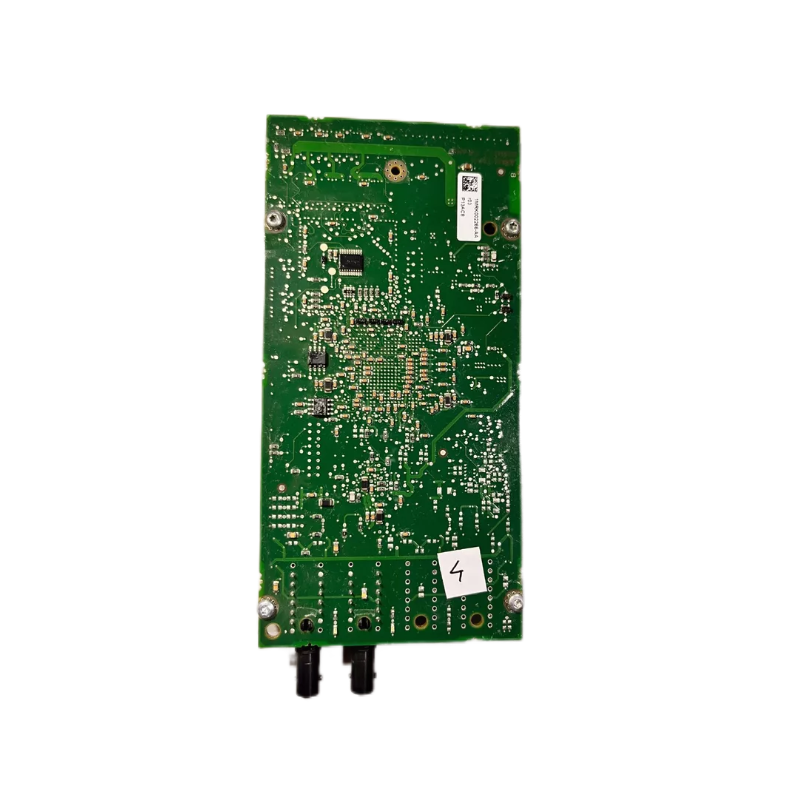
The ABB P13AC8 (1MRK002266-AAR03) Binary Input/Output Module is an industrial automation interface component designed for high-integrity signal handling in protection and control systems. Typically used in ABB substation automation and relay-based architectures, it provides reliable digital input acquisition and output actuation within mission-critical environments.
Engineered with a strong focus on signal stability and system interoperability, this module plays a key role in bridging field-level devices with ABB control and protection platforms, ensuring precise execution of binary commands in real time.
Technical Specifications
| Parameter | Details |
|---|
| Model | P13AC8 |
| Part Number | 1MRK002266-AAR03 |
| Manufacturer | ABB |
| Module Type | Binary Input / Output Module |
| Function | Digital signal acquisition & control |
| Input Type | Binary (dry/wet contact compatible) |
| Output Type | Binary switching output |
| Operating Voltage | 10–30 V DC (typical industrial range) |
| Input Current | ~5 mA per channel |
| Response Time | ≤ 20 ms |
| Communication Role | Protection / control system interface |
| Isolation | Galvanic isolation between channels and system |
| Operating Temperature | -25°C to +60°C |
| Storage Temperature | -40°C to +85°C |
| Protection Rating | Industrial-grade enclosure (panel/rack use) |
| Weight | ~0.2–0.3 kg (compact module class) |
| Mounting | Rack or control cabinet installation |
Applications
The ABB P13AC8 is widely used in electrical and industrial automation systems where dependable digital signal handling is essential. Common application areas include:
-
Substation protection and control systems
-
Power generation monitoring and switching logic
-
Industrial process automation panels
-
Relay-based control architectures
-
Alarm and status indication systems
-
Distributed control system (DCS) I/O integration
Its robust design makes it especially suitable for environments where electrical noise, long cable runs, and continuous operation are common challenges.
Advantages
The key strength of the P13AC8 module lies in its stable binary signal processing under industrial conditions. It is designed to maintain signal integrity even in electrically harsh environments, helping reduce false triggering and communication errors in control systems.
Its integrated isolation structure improves system safety by separating field signals from sensitive control electronics. This enhances reliability and extends the operational life of connected automation hardware.
Another important advantage is its compatibility within ABB’s protection and automation ecosystem, enabling seamless integration with relay systems and substation control platforms. This reduces engineering complexity and simplifies system expansion or maintenance projects.
Overall, it delivers a balance of durability, precision, and system-level compatibility, making it a trusted component in critical infrastructure automation.
Technical FAQs
1. What is the main function of the ABB P13AC8 module?
It manages binary input and output signals in industrial control and protection systems.
2. Is it an input module or output module?
It is a combined binary input/output interface module.
3. What systems is it commonly used in?
It is widely used in ABB substation automation and relay-based control systems.
4. What is the operating voltage range?
Typically 10–30 V DC depending on system configuration.
5. What is the response time?
It has a response time of up to approximately 20 ms.
6. Does it support electrical isolation?
Yes, it includes galvanic isolation between field and system circuits.
7. Can it be used in harsh environments?
Yes, it is designed for industrial environments with temperature variation and electrical noise.
8. Is it compatible with modern ABB platforms?
It is mainly used in ABB protection and legacy automation systems, often in hybrid setups.
9. How is it installed?
It is typically mounted in a rack or control cabinet system.
10. Does it require external configuration switches?
No, configuration is handled through the host control system.
 A DCS Q Co., Ltd. - PLC and DCS Industrial Control Equipment Wholesale