Optical-Grade Communication Expansion for Distributed Control Systems
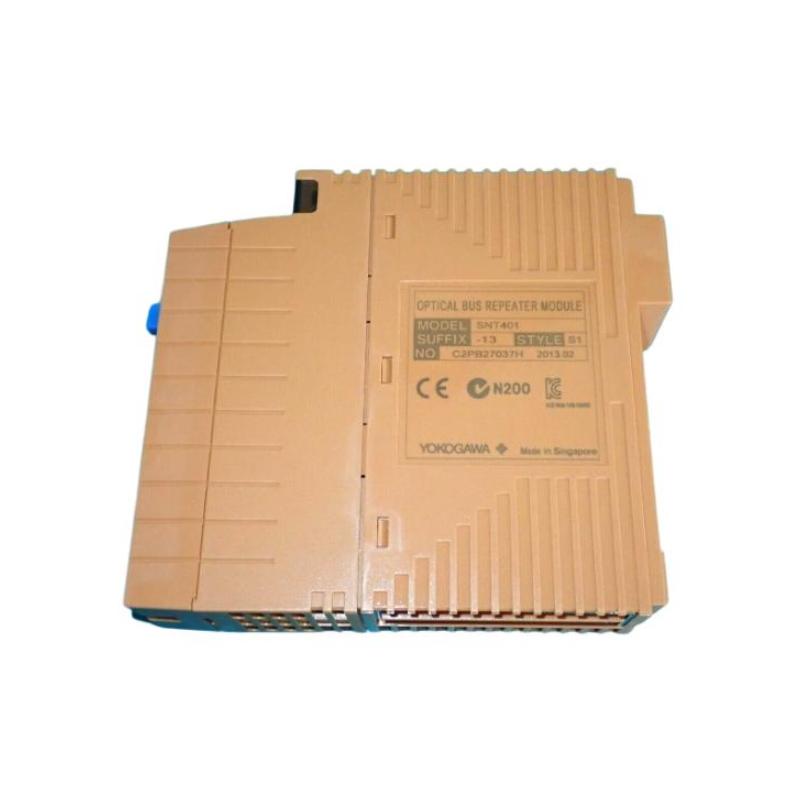
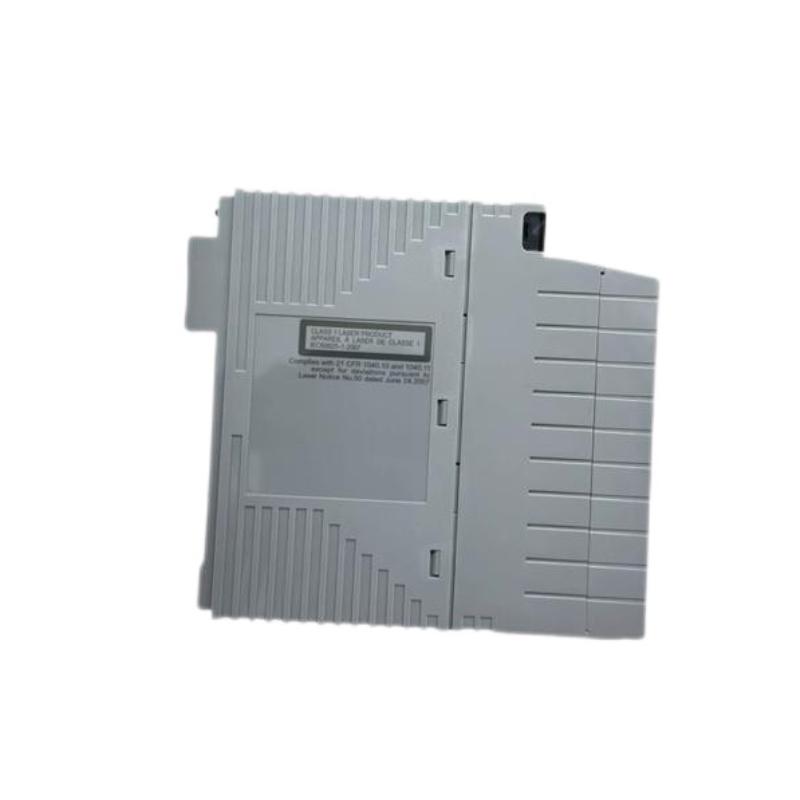
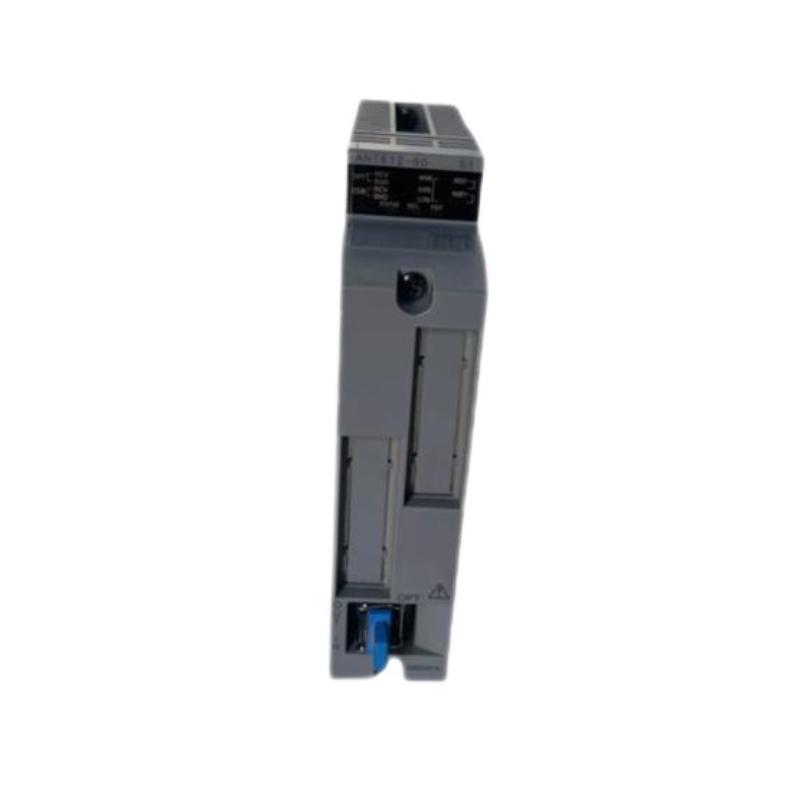
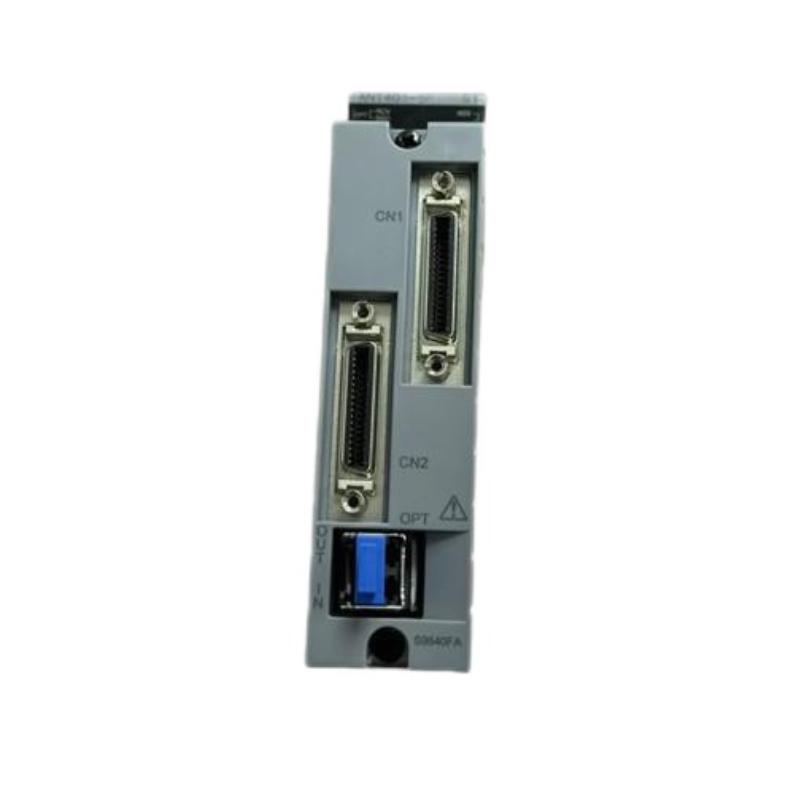
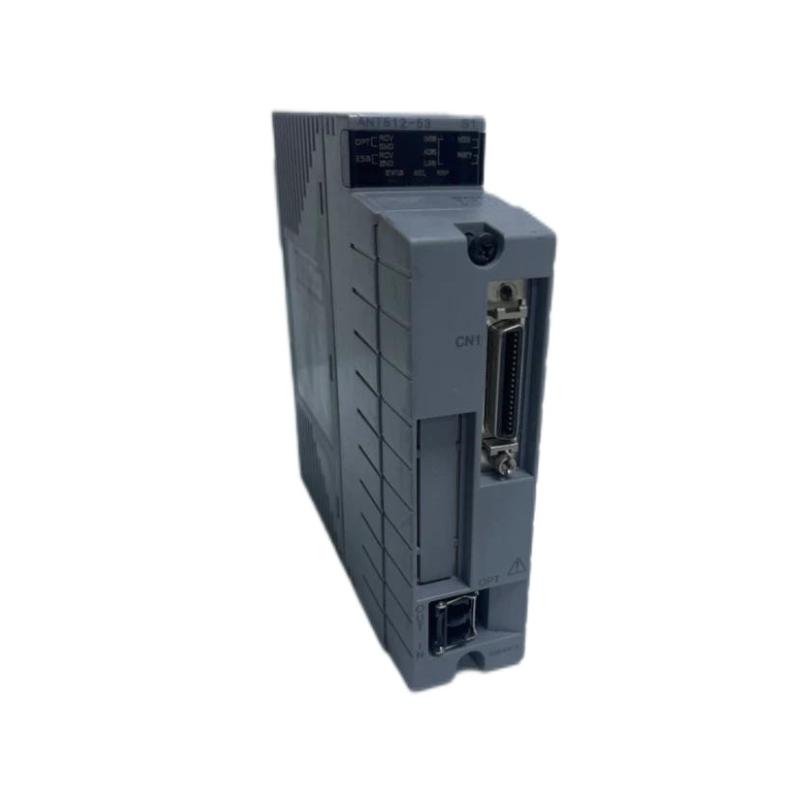
The Yokogawa ANT411 Fiber Optic Bus Slave Module is a high-reliability communication component designed to extend ESB bus networks using optical fiber transmission. It acts as a slave-side interface in Yokogawa’s optical ESB architecture, enabling stable and noise-immune data exchange between Field Control Units (FCUs), node units, and remote I/O systems.
Built for large-scale industrial automation environments, the ANT411 ensures long-distance, high-speed communication while maintaining signal integrity across complex plant layouts. It is widely used in mission-critical systems where uninterrupted data flow and electrical isolation are essential.
Technical Specifications
| Parameter | Specification |
|---|
| Model | ANT411 |
| Module Type | Fiber Optic Bus Slave Module |
| System Compatibility | Yokogawa CENTUM / ESB Bus / FIO systems |
| Communication Method | Optical ESB Bus |
| Fiber Type | Single-mode optical fiber |
| Connector Type | LC connector (2-core fiber) |
| Transmission Distance | 5 km to 50 km (system dependent) |
| Redundancy Support | Dual-redundant ESB bus configuration |
| Signal Conversion | Electrical ESB ↔ Optical ESB |
| Installation Type | FCU / Node unit rack-mounted |
| Operating Temperature | -20°C to 70°C |
| Humidity Range | 10% to 90% RH (non-condensing) |
| Power Consumption | Low-power module design (~5–10 W typical) |
| Dimensions (H × W × D) | Approx. 3.2 × 12.7 × 12.7 cm |
| Weight | Approx. 0.25 – 0.3 kg |
Application Scenarios in Industrial Systems
The ANT411 is widely deployed in large distributed control environments where long-distance and interference-free communication is required. It is commonly used in:
-
Oil and gas production and offshore platforms
-
Petrochemical and refining plants
-
Power generation and transmission systems
-
Large-scale process manufacturing facilities
-
Remote I/O expansion and control cabinet networking
Its optical transmission capability ensures stable communication even in environments with high electromagnetic interference or physically separated control areas.
Key Advantages and Engineering Value
One of the most important strengths of the ANT411 is its optical ESB bus architecture, which eliminates electrical noise interference and ensures highly stable signal transmission across long distances.
Its support for dual-redundant communication paths enhances system availability, ensuring continuous operation even if one communication line is disrupted.
The module also enables scalable system expansion, allowing engineers to extend I/O networks without redesigning the core control architecture. This makes it highly suitable for phased plant expansions and distributed automation strategies.
In addition, its compact rack-mount design simplifies integration into existing Yokogawa control systems, reducing installation complexity and improving maintenance efficiency.
Technical FAQs
1. What is the main function of the ANT411?
It acts as a fiber optic slave module for ESB bus communication extension.
2. What communication method does it use?
Optical ESB bus via single-mode fiber.
3. What is the transmission distance range?
Typically 5 km to 50 km depending on system configuration.
4. Does it support redundancy?
Yes, it supports dual-redundant ESB bus configurations.
5. What systems is it compatible with?
Yokogawa CENTUM and FIO/ESB-based systems.
6. What is the role of this module?
It functions as a slave-side optical communication node.
7. What type of fiber connector is used?
LC connector with 2-core fiber configuration.
8. What ensures communication stability?
Optical transmission eliminates electromagnetic interference.
9. Where is it typically installed?
In FCU or ESB/Optical ESB node unit racks.
10. What industries commonly use it?
Oil & gas, petrochemical, power generation, and large process industries.
 A DCS Q Co., Ltd. - PLC and DCS Industrial Control Equipment Wholesale