Reliable Optical Signal Extension for Distributed Control Networks
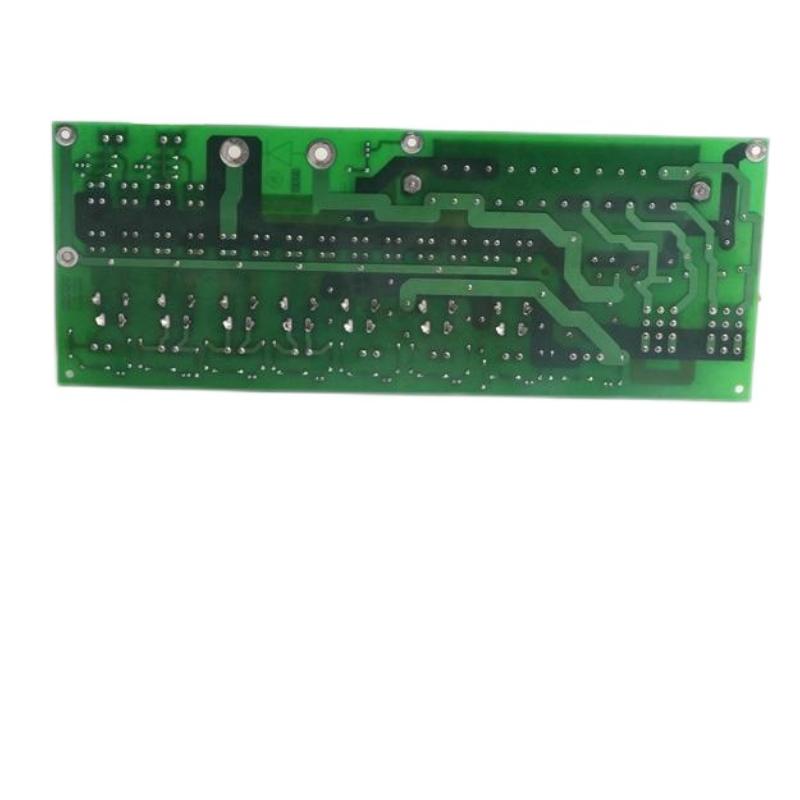
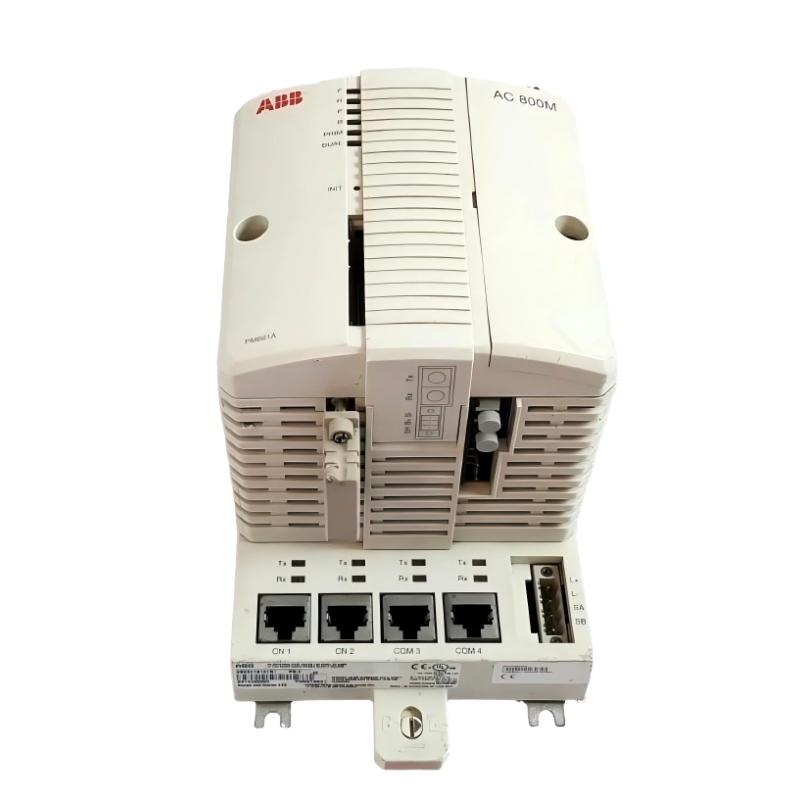
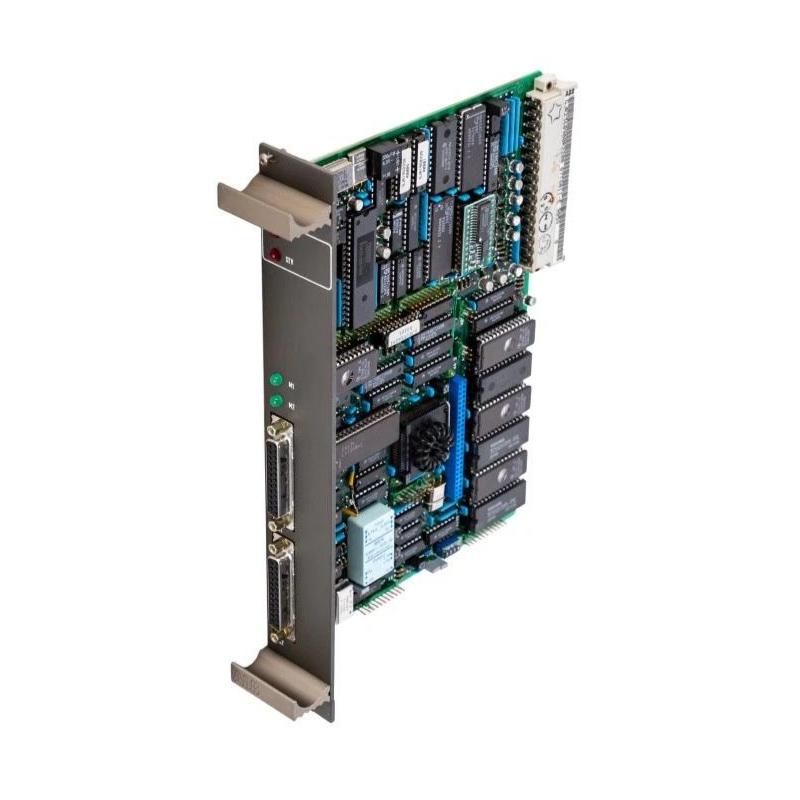
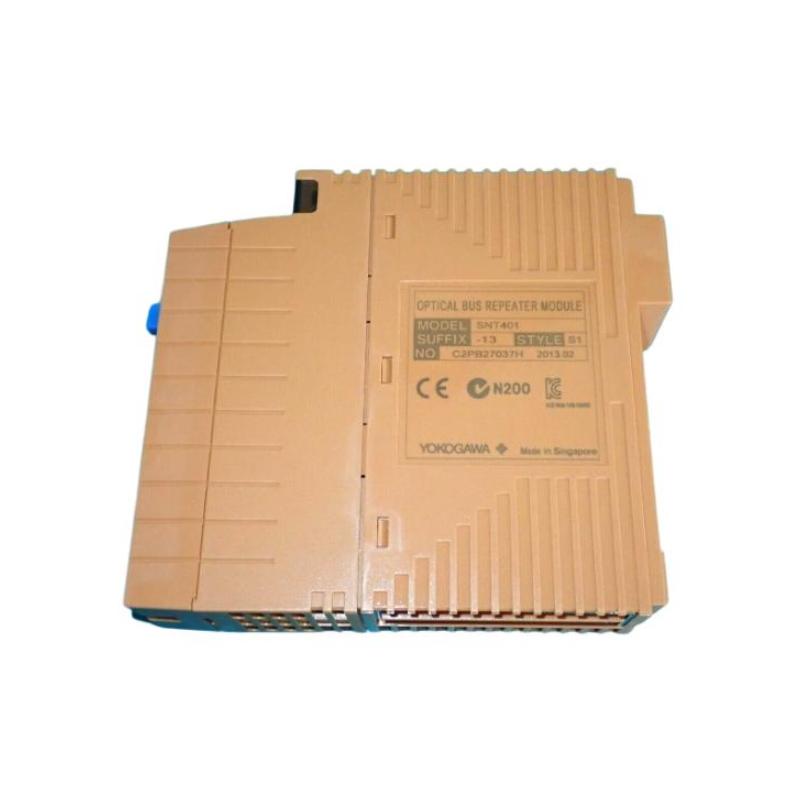
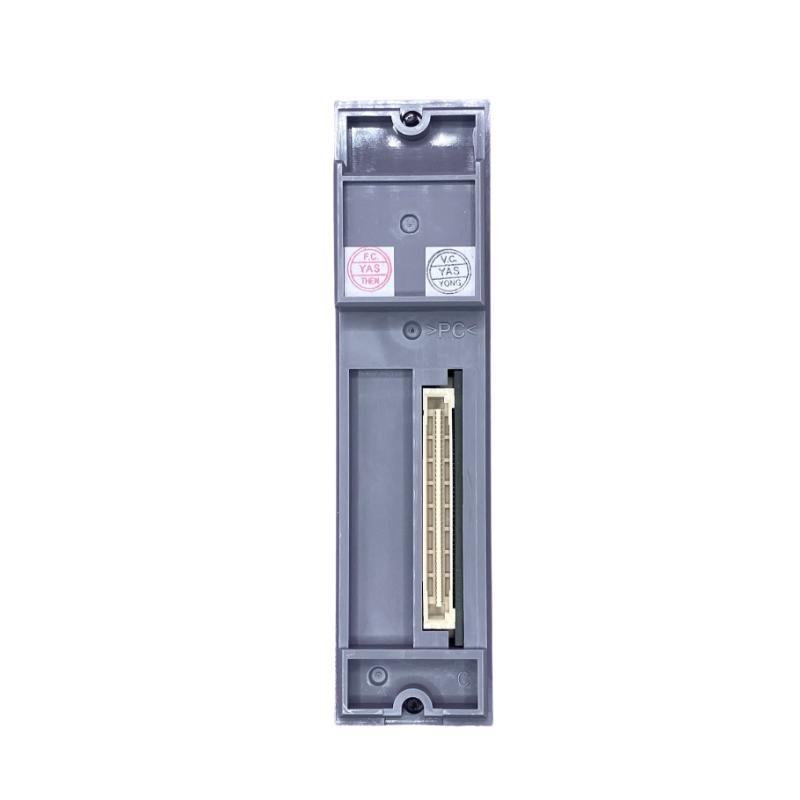
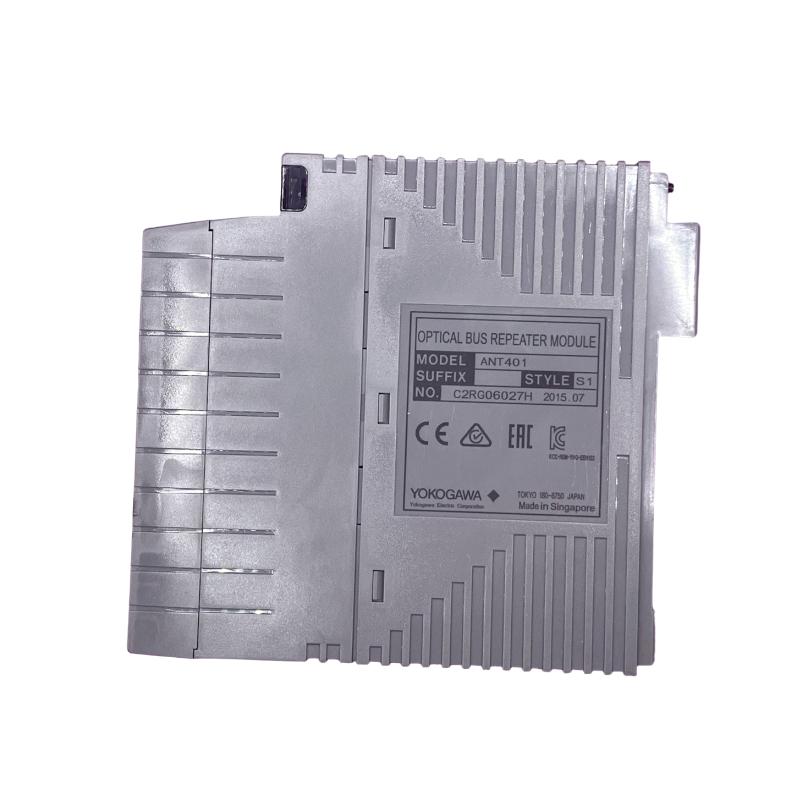
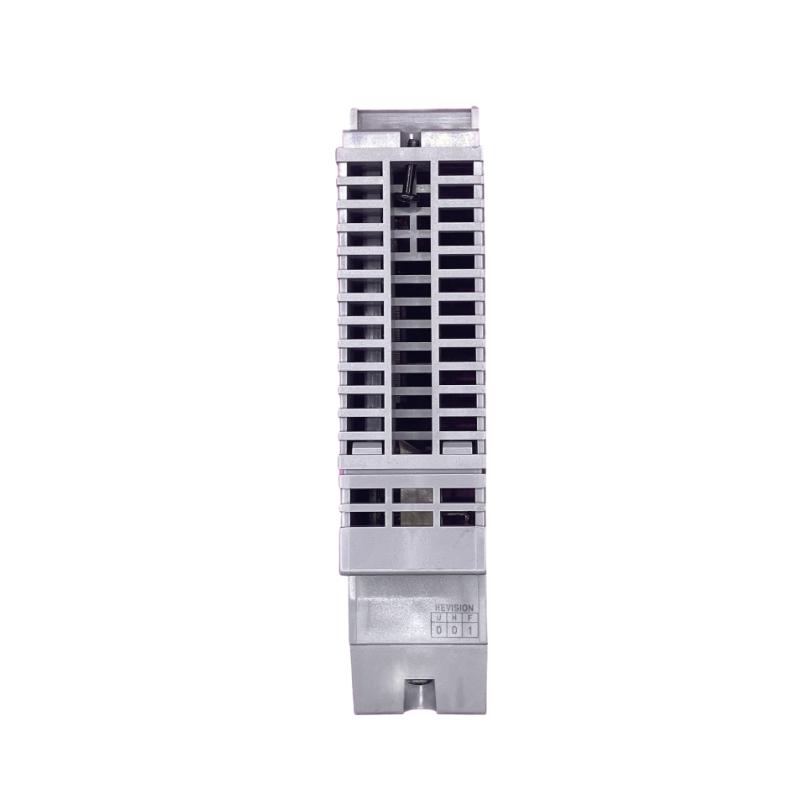
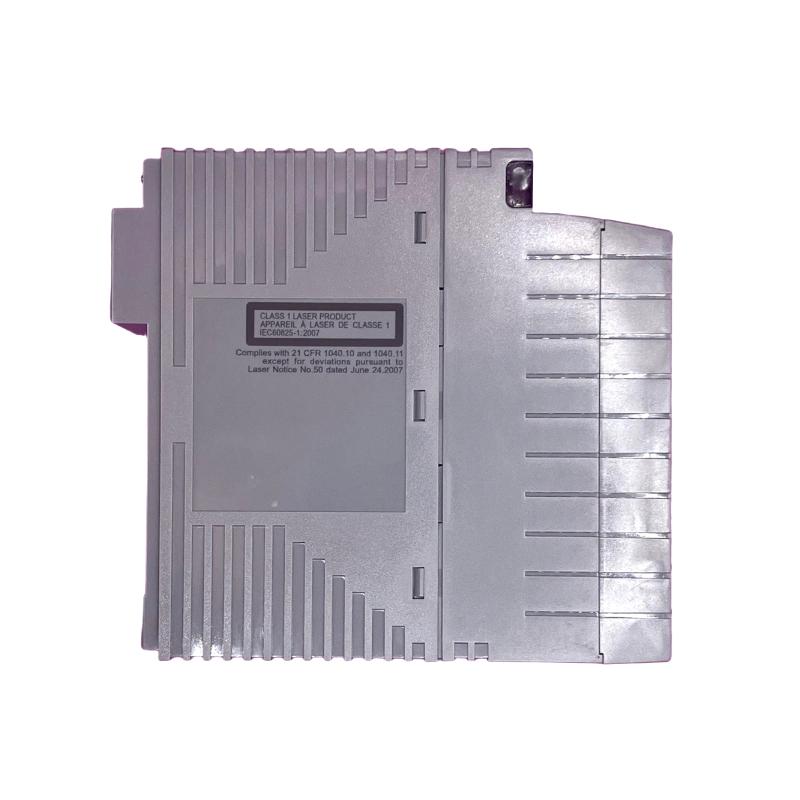
The Yokogawa ANT401-50 Optical ESB Bus Repeater Module is designed to extend and reinforce ESB bus communication within Yokogawa’s distributed control system architecture. It ensures stable, long-distance transmission of control data by regenerating optical signals between node units, helping maintain communication integrity across large and complex industrial plants.
Engineered for high-reliability automation environments, this module plays a key role in supporting scalable system expansion while preserving signal quality in electrically noisy or geographically dispersed installations.
Technical Specifications
| Parameter | Specification |
|---|
| Model | ANT401-50 |
| Module Type | Optical ESB Bus Repeater Module |
| Function | Signal regeneration and optical transmission extension |
| System Compatibility | Yokogawa CENTUM / ESB Bus architecture |
| Communication Medium | Optical fiber |
| Transmission Type | Optical ESB Bus (repeater-based) |
| Max Transmission Distance | Up to several kilometers (system dependent) |
| Redundancy Support | Dual-redundant bus configuration support |
| Interface Type | ESB Bus optical interface |
| Installation Type | Rack-mounted / node unit integration |
| Operating Temperature | 0°C to 60°C |
| Storage Temperature | -20°C to 70°C |
| Humidity Range | 5% to 95% RH (non-condensing) |
| Dimensions (H × W × D) | Approx. 14.2 × 13.0 × 3.3 cm |
| Weight | Approx. 0.3 kg |
Application Scenarios in Industrial Systems
The ANT401-50 is widely used in large-scale process control environments where long-distance communication between control cabinets and remote I/O stations is required.
Typical applications include:
-
Oil and gas production facilities
-
Offshore platforms and remote installations
-
Petrochemical and refining plants
-
Power generation and utility control systems
-
Large distributed manufacturing facilities
It is particularly valuable in systems where direct electrical communication is limited by distance or electromagnetic interference.
Key Advantages and Engineering Value
One of the primary advantages of the ANT401-50 is its ability to extend ESB bus communication without degrading signal quality. By regenerating optical signals, it ensures stable and accurate data transmission even over long distances.
Its optical fiber-based design provides strong immunity against electromagnetic interference, making it highly suitable for heavy industrial environments with high electrical noise levels.
The module also supports system scalability, allowing engineers to expand distributed I/O networks without redesigning the core control architecture. This makes it a cost-effective and flexible solution for plant expansion projects.
In addition, its integration within Yokogawa’s ESB bus ecosystem ensures seamless compatibility with existing node units and control systems.
Technical FAQs
1. What is the main function of the ANT401-50?
It extends ESB bus communication by regenerating optical signals.
2. What communication medium does it use?
It uses optical fiber for ESB bus transmission.
3. Is it suitable for long-distance communication?
Yes, it supports multi-kilometer transmission depending on system design.
4. What systems is it compatible with?
Yokogawa CENTUM and ESB bus-based control systems.
5. Does it support redundancy?
Yes, it supports dual-redundant communication configurations.
6. What is its role in the system?
It acts as a repeater to maintain signal strength and stability.
7. Where is it typically installed?
In rack-mounted node or control cabinet environments.
8. What improves its reliability in harsh environments?
Optical transmission eliminates electromagnetic interference.
9. What industries use this module?
Oil & gas, petrochemical, power generation, and process industries.
10. What ensures stable communication performance?
Signal regeneration and optical ESB bus architecture.
 A DCS Q Co., Ltd. - PLC and DCS Industrial Control Equipment Wholesale