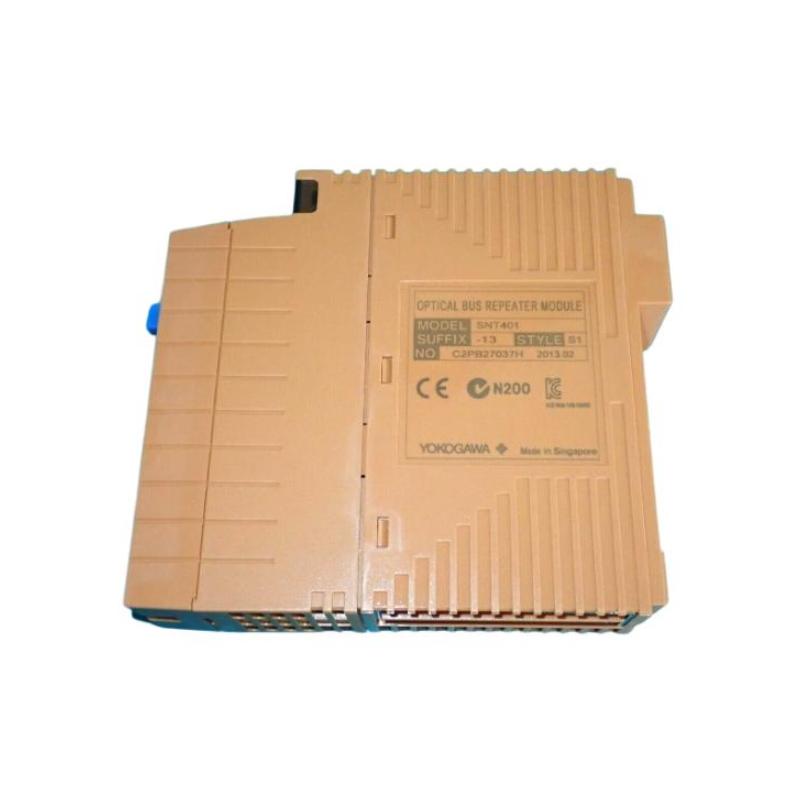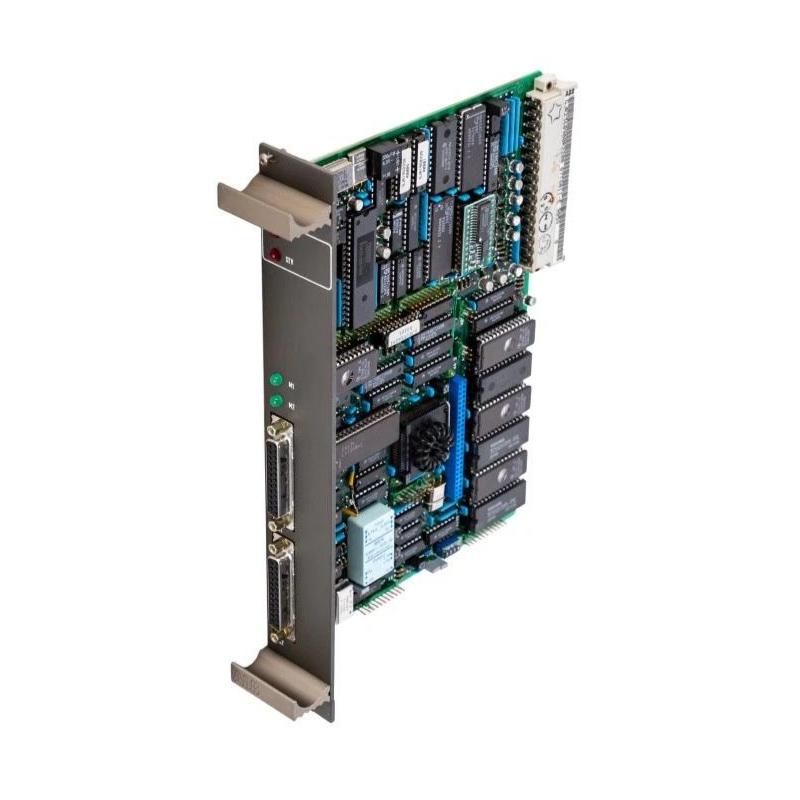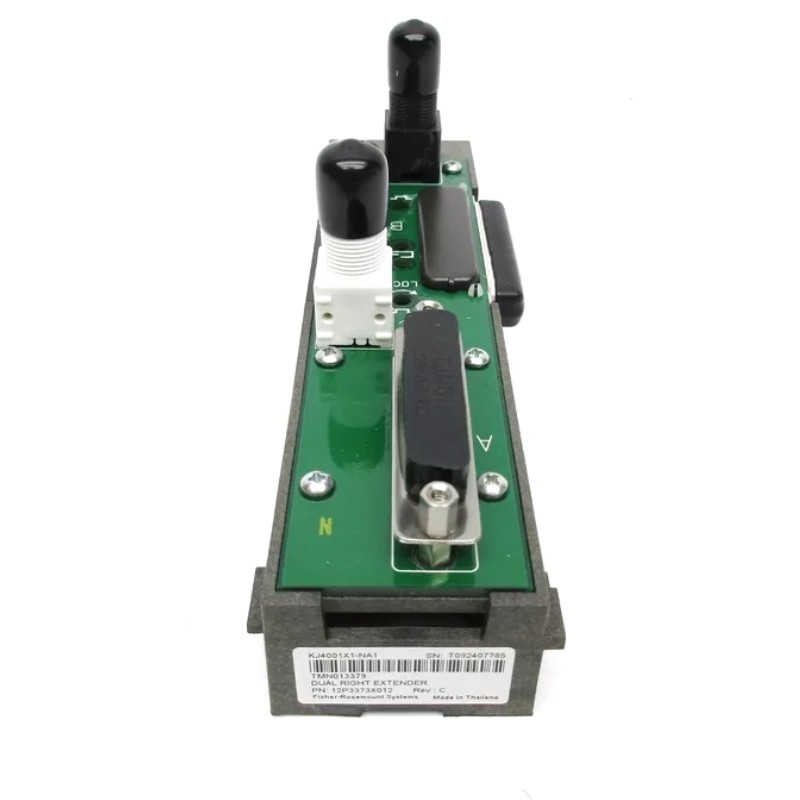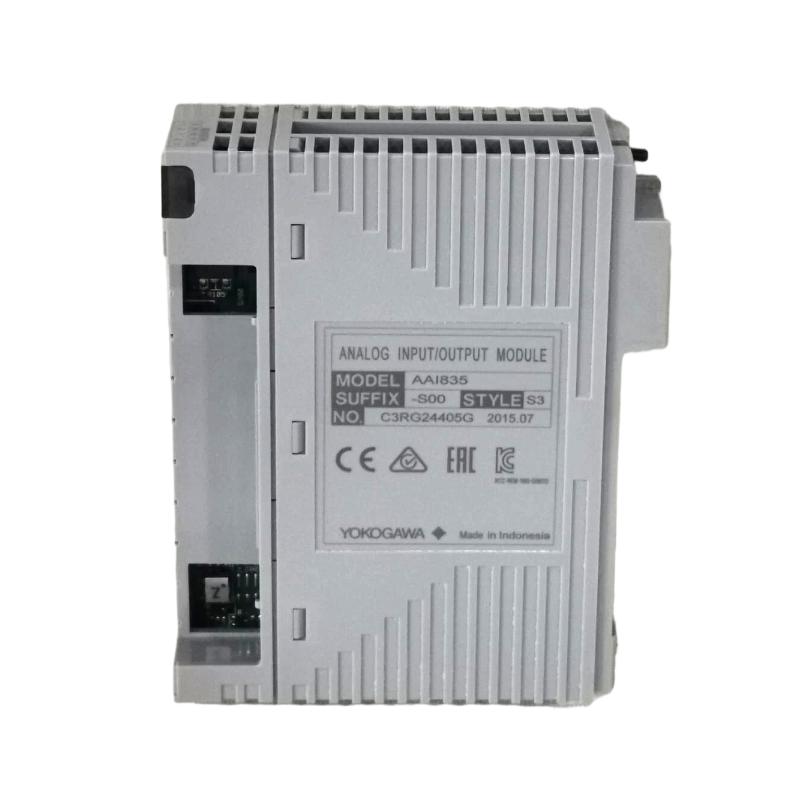
High-Integrity Optical Communication Backbone for Distributed Control
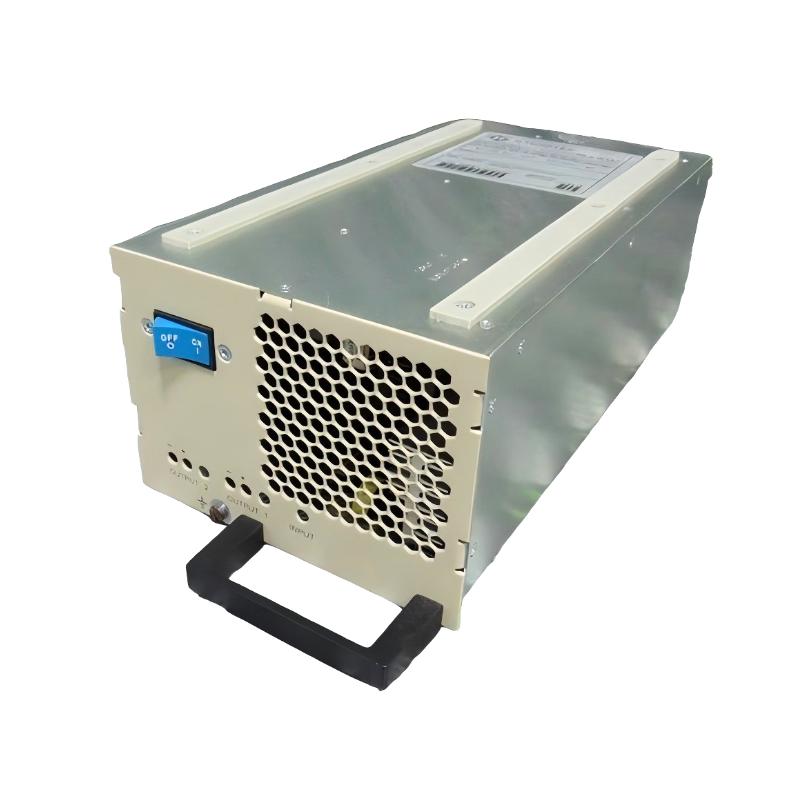
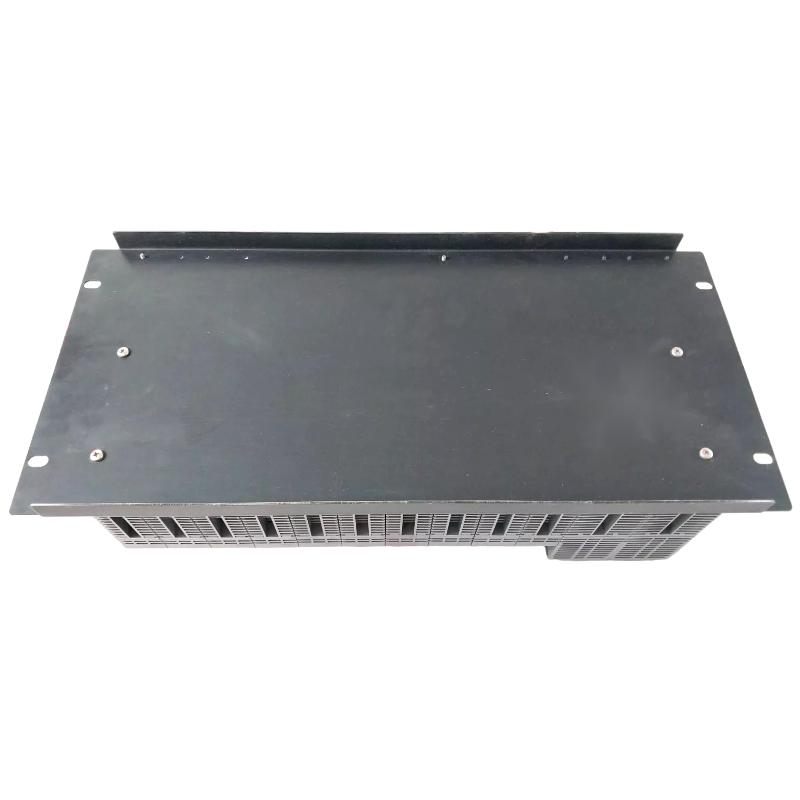
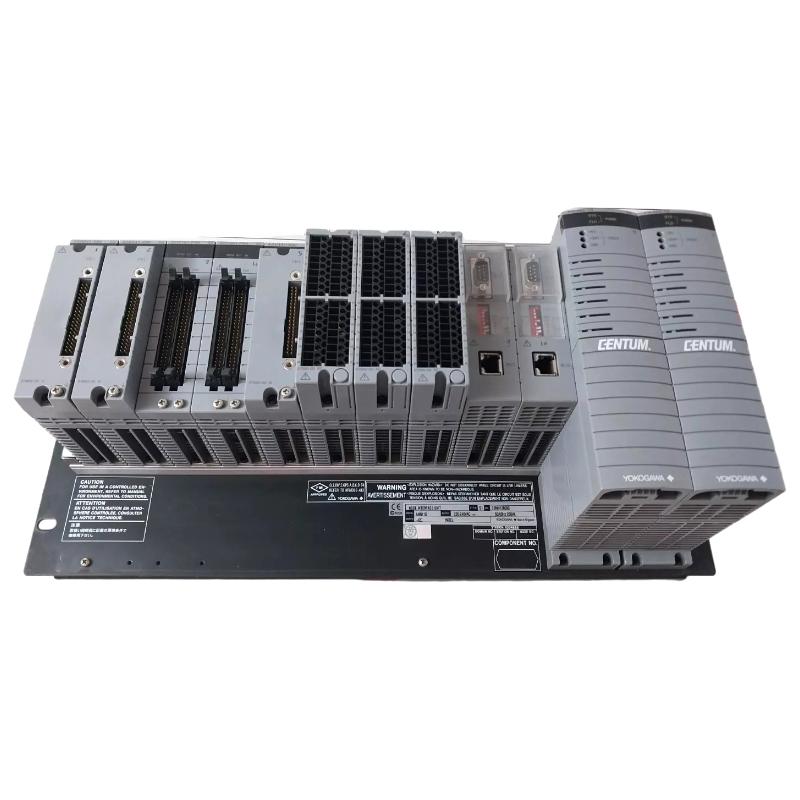
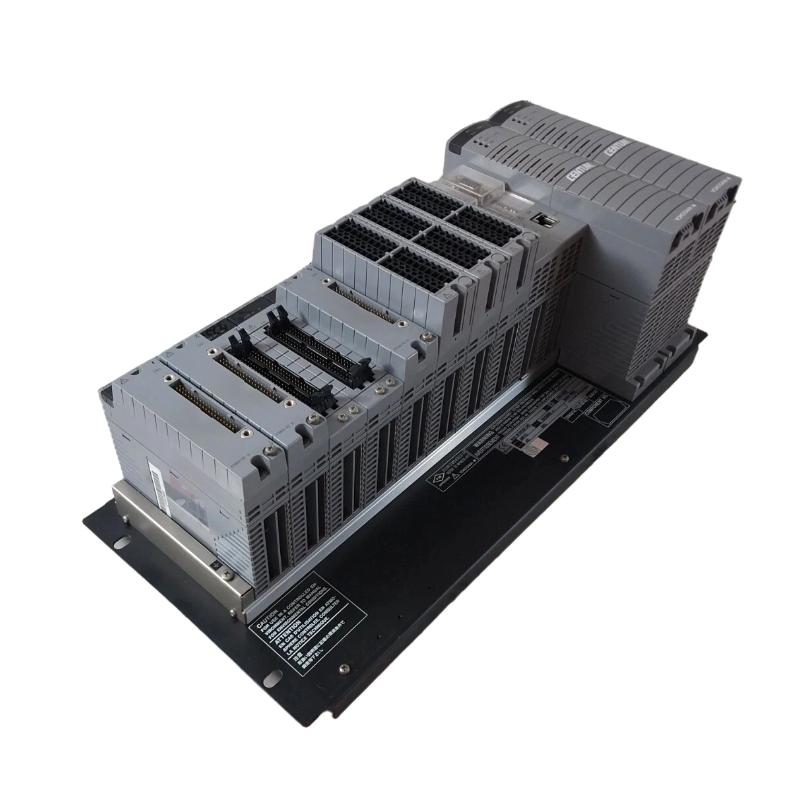
The Yokogawa ANR11D-410 Optical ESB Bus Node Unit is a robust communication interface designed to support high-speed, noise-immune data transmission within Yokogawa’s distributed control system architecture. It functions as a key optical node that connects field I/O subsystems to the Field Control Unit (FCU), ensuring reliable and synchronized process data exchange across long distances.
By converting electrical signals into optical communication, this unit significantly enhances system stability, especially in environments with high electromagnetic interference. It is widely used in large-scale industrial plants where uptime, signal integrity, and modular expansion are critical.
Technical Specifications
| Parameter | Specification |
|---|
| Model | ANR11D-410 |
| Module Type | Optical ESB Bus Node Unit |
| System Compatibility | Yokogawa CENTUM / FCS architecture |
| Communication Method | Optical ESB Bus |
| Node Capacity | Multiple I/O module support per node |
| Power Supply | 100–240 V AC / 24 V DC (varies by configuration) |
| Power Consumption | Approx. 120 W |
| Redundancy Support | Dual-redundant communication capable |
| Transmission Medium | Optical fiber |
| Installation Type | Rack-mounted system |
| Operating Temperature | 0°C to 50°C |
| Humidity Range | 5% to 95% RH (non-condensing) |
| Dimensions (H × W × D) | Approx. 48.0 × 18.0 × 45.0 cm |
| Weight | Approx. 10 kg |
Application Scenarios
The ANR11D-410 Optical ESB Bus Node Unit is deployed in large-scale industrial automation systems where distributed I/O architecture and long-distance communication are required.
Typical applications include:
-
Oil and gas production platforms
-
Petrochemical and refining complexes
-
Power generation and utility control systems
-
Large continuous process manufacturing plants
-
Remote I/O cabinet expansion systems
Its optical communication design makes it especially suitable for installations where electrical noise or long cable runs would otherwise affect signal quality.
Key Advantages and Engineering Value
One of the main strengths of this unit is its optical transmission architecture, which eliminates electrical interference and ensures highly stable communication between control layers.
The dual-redundant ESB communication design enhances system resilience by maintaining operational continuity even if one communication path is disrupted.
Its modular rack-based structure simplifies integration into existing Yokogawa control cabinets, allowing engineers to expand system capacity without redesigning the core architecture.
In addition, centralized power distribution and I/O coordination reduce wiring complexity, improving overall system maintainability and reducing installation overhead in large industrial projects.
Technical FAQs
1. What is the main function of the ANR11D-410?
It serves as an optical ESB bus node unit for connecting field I/O systems to the FCU.
2. What communication method does it use?
It uses optical ESB bus communication for high-speed, noise-resistant data transfer.
3. Does it support redundancy?
Yes, it supports dual-redundant ESB bus configurations.
4. What systems is it compatible with?
Yokogawa CENTUM and FCS-based distributed control systems.
5. What is the installation method?
It is installed in a standard industrial rack configuration.
6. Why use optical communication instead of electrical?
To eliminate electromagnetic interference and improve long-distance signal stability.
7. What industries commonly use this unit?
Oil & gas, petrochemical, power generation, and large process industries.
8. What is the operating temperature range?
0°C to 50°C under standard industrial conditions.
9. How does it improve system scalability?
It allows multiple I/O modules to be integrated through node expansion.
10. What is its role in a DCS system?
It acts as a communication and I/O aggregation node between field devices and control units.
 A DCS Q Co., Ltd. - PLC and DCS Industrial Control Equipment Wholesale