Industrial-Grade Output Control with Enhanced Visibility
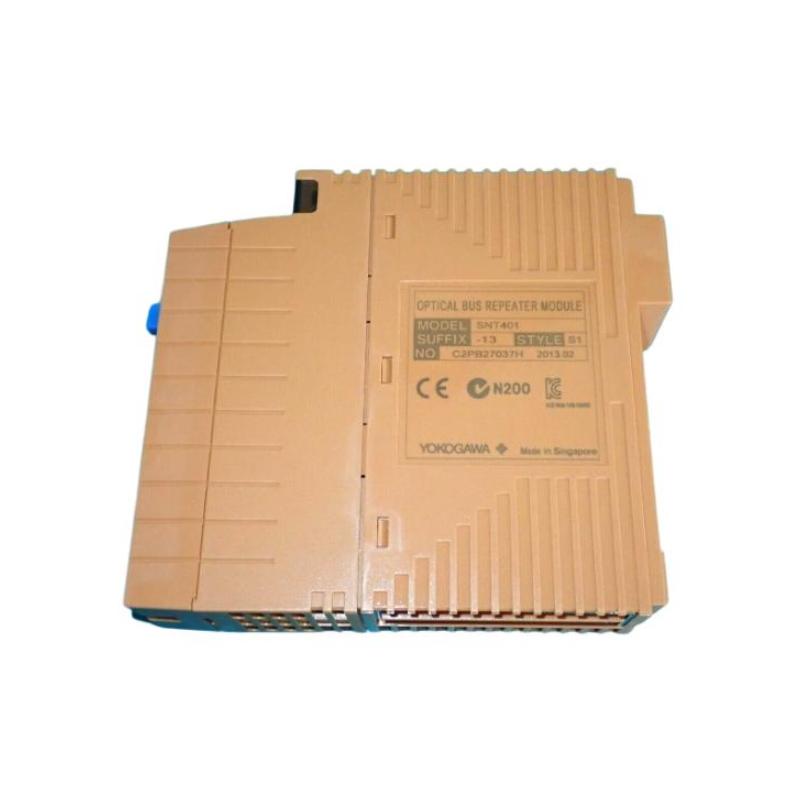
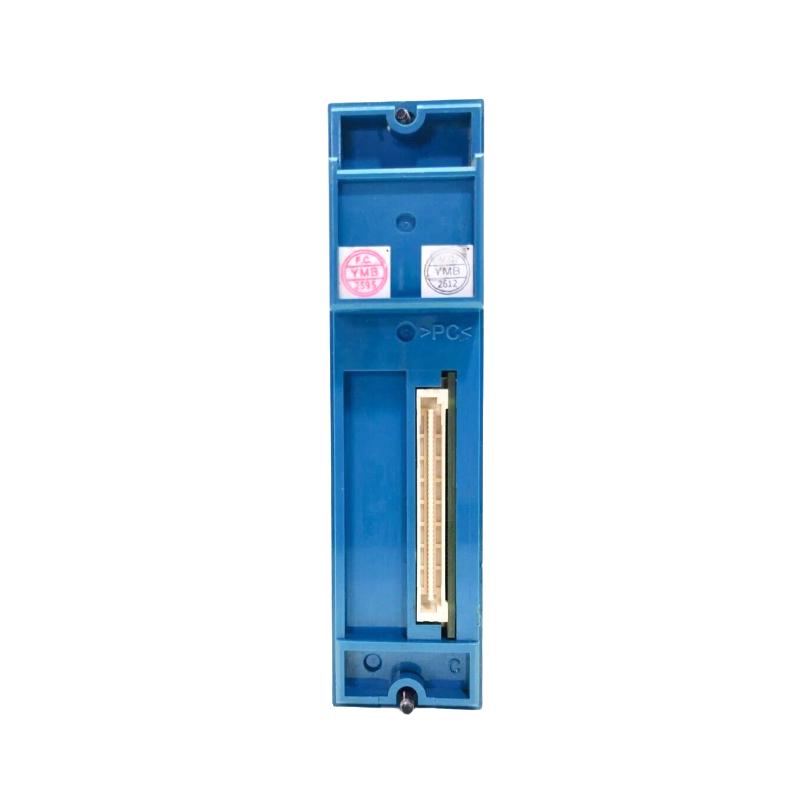
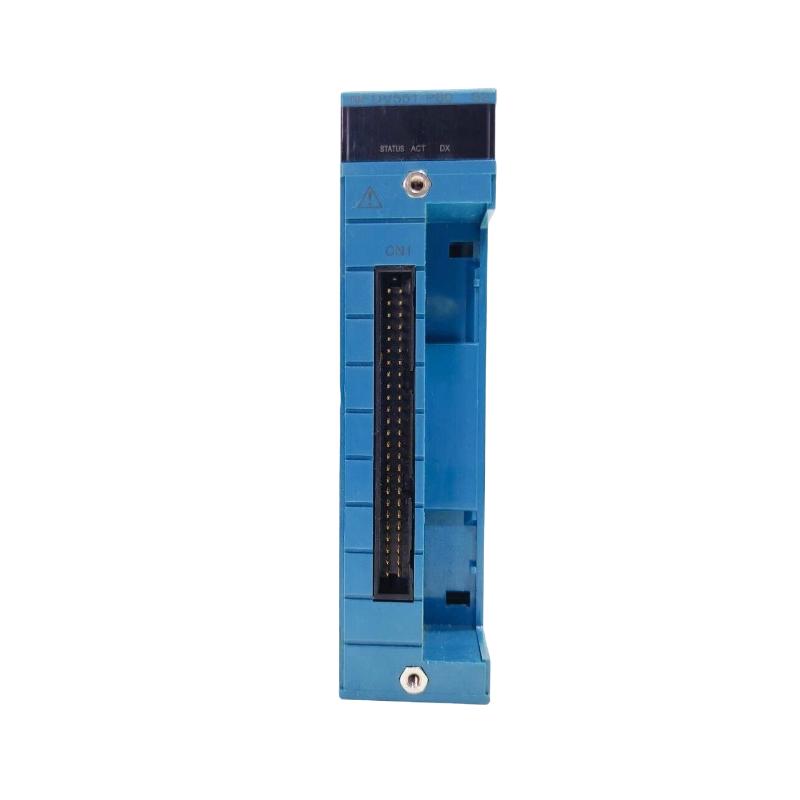
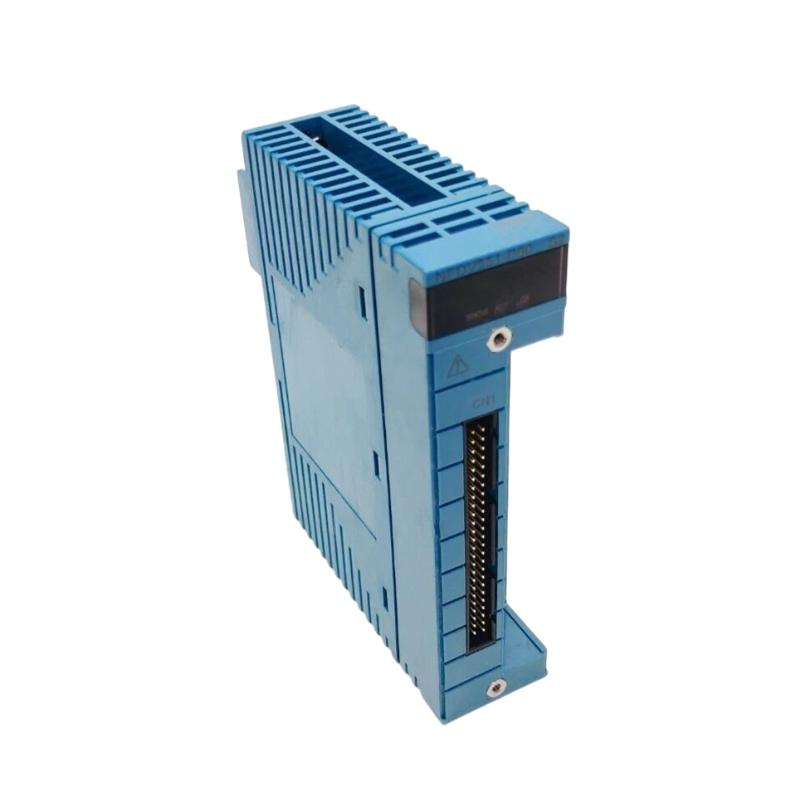
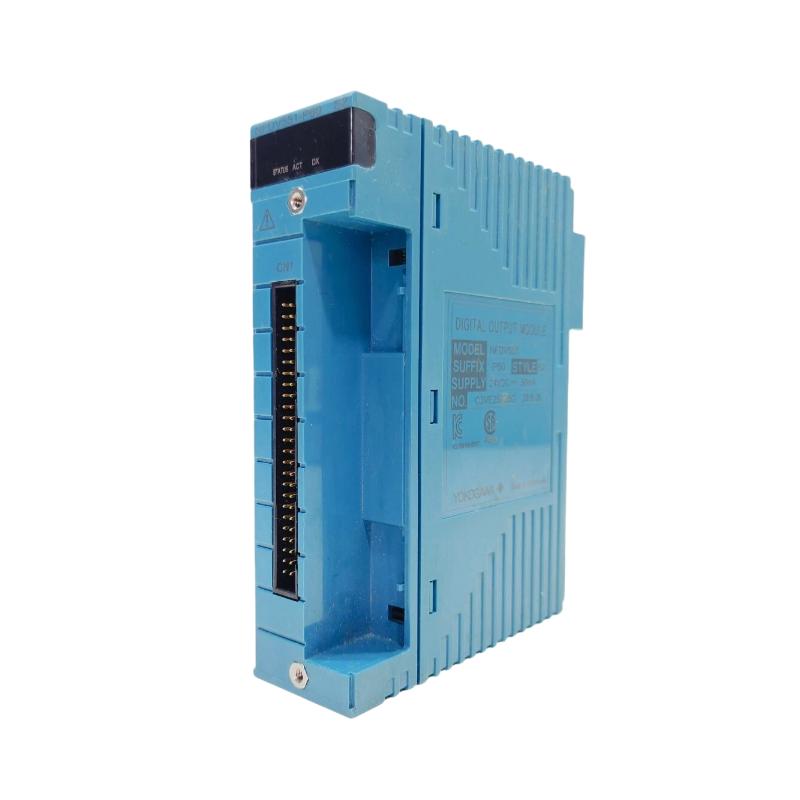
The Yokogawa NFDV551-P60 Digital Output Module is a high-performance 32-channel solution designed for precise control of field actuators in advanced industrial automation systems. As part of Yokogawa’s STARDOM and DCS ecosystem, it translates control signals into reliable ON/OFF outputs for devices such as solenoid valves, relays, alarm indicators, and interlocking mechanisms.
What distinguishes the P60 variant is its enhanced diagnostic visibility, including per-channel LED status indication, allowing engineers to quickly assess output conditions during operation and maintenance activities. This makes it particularly valuable in environments where fast troubleshooting and operational transparency are essential.
Technical Specifications
| Parameter | Specification |
|---|
| Model | NFDV551-P60 |
| Module Type | Digital Output Module |
| Output Channels | 32 channels |
| Output Type | Current sink transistor output |
| Rated Voltage | 24 V DC |
| Operating Voltage Range | 20.4 – 26.4 V DC |
| Max Load Current | 100 mA per channel |
| Output ON Voltage | ≤ 2 V DC |
| OFF Leakage Current | ≤ 0.1 mA |
| Response Time | ≤ 3 ms |
| Isolation | Optical/electrical isolation between system and field |
| Status Indication | LED indicators per channel |
| Withstanding Voltage | 2000 V AC (signal to system) |
| Field Power Consumption | ~60 mA @ 24 V DC |
| System Power Consumption | ~700 mA @ 5 V DC |
| Mounting | Rack-mounted I/O base |
| External Connection | MIL connector / pressure clamp terminal |
| Dimensions (H × W × D) | 13.0 × 10.75 × 3.28 cm |
| Weight | Approx. 0.2–0.3 kg |
Application Scenarios in Industrial Systems
The NFDV551-P60 is widely used in process industries where high-density and highly visible output control is required. It is commonly deployed in oil and gas production facilities, chemical processing plants, power stations, and large-scale automated manufacturing systems.
It is especially effective in controlling discrete devices such as valves, pumps, alarms, and safety interlocks. The integrated LED status display provides immediate feedback on each channel, improving maintenance efficiency and reducing diagnostic time in complex systems.
Key Advantages and Operational Value
One of the strongest advantages of the P60 model is its built-in channel-level visibility. The LED indicators allow operators to instantly confirm output status without additional diagnostic tools, improving operational efficiency in fast-paced environments.
Its 32-channel high-density architecture reduces cabinet space requirements while maintaining strong control capability across multiple field devices. Electrical isolation enhances system robustness by minimizing noise interference and protecting control circuitry.
The fast response time (≤ 3 ms) ensures accurate execution of control commands in real time, supporting both continuous process operations and safety-related automation sequences.
Overall, the module combines reliability, maintainability, and compact design—making it a strong fit for modern distributed control architectures.
Technical FAQs
1. How many output channels does the NFDV551-P60 have?
It supports 32 independent digital output channels.
2. What is the output type?
It uses current sink transistor outputs for 24 V DC systems.
3. What is unique about the P60 version?
It includes LED indicators for each output channel for easier diagnostics.
4. What devices can it control?
Relays, solenoid valves, alarms, motors, and interlocking systems.
5. What is the switching speed?
The response time is typically 3 milliseconds or less.
6. Does it support electrical isolation?
Yes, it provides isolation between system and field circuits.
7. What is the maximum load per channel?
Up to 100 mA per channel at 24 V DC.
8. Is it suitable for continuous operation?
Yes, it is designed for 24/7 industrial environments.
9. How does it improve maintenance efficiency?
LED indicators allow quick visual fault and status detection.
10. What systems is it compatible with?
Yokogawa STARDOM and distributed control system architectures.
 A DCS Q Co., Ltd. - PLC and DCS Industrial Control Equipment Wholesale