Introduction
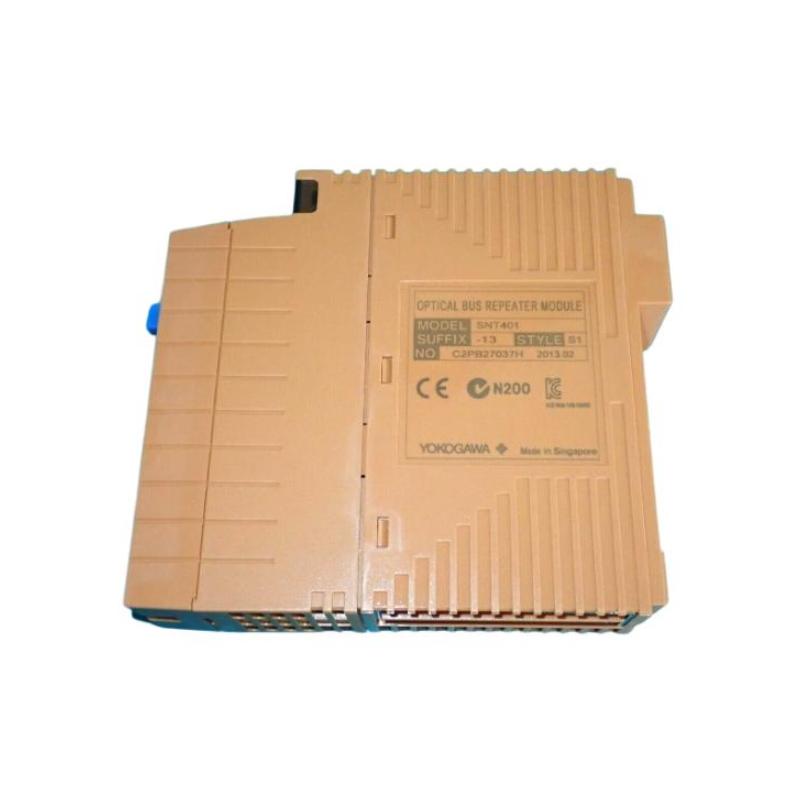
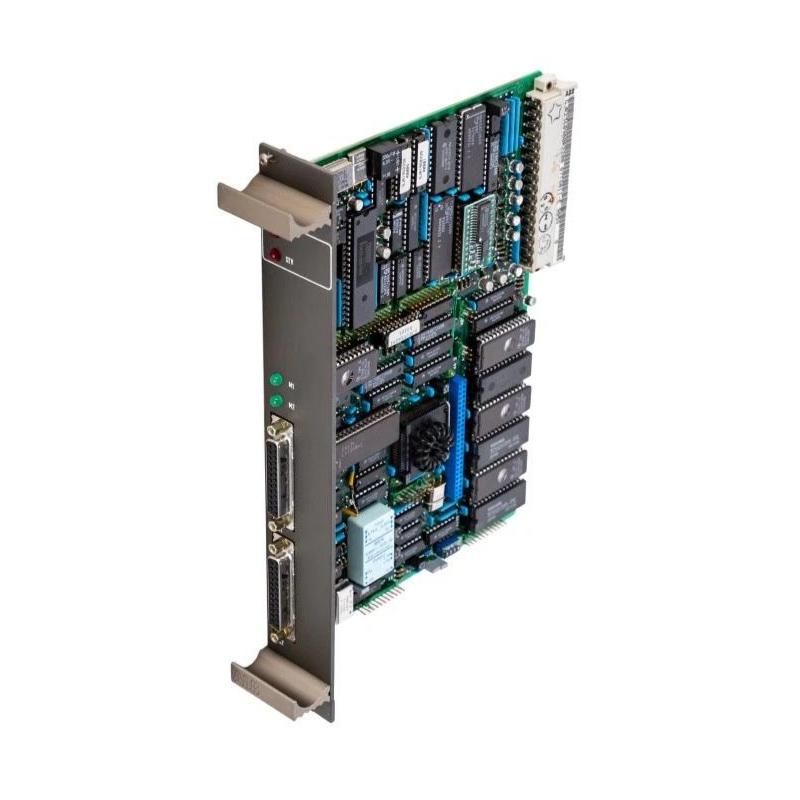
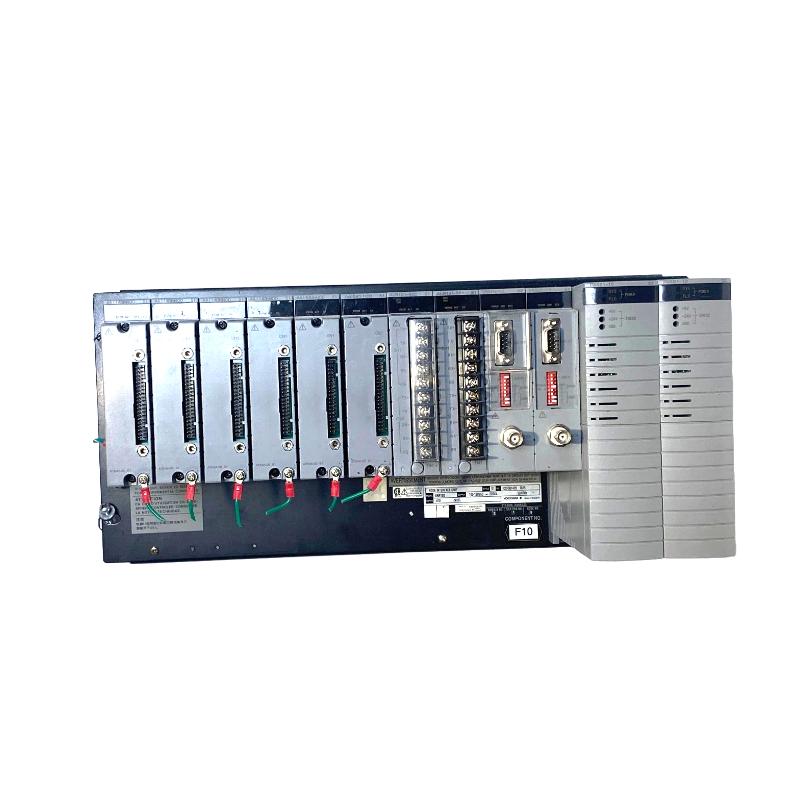
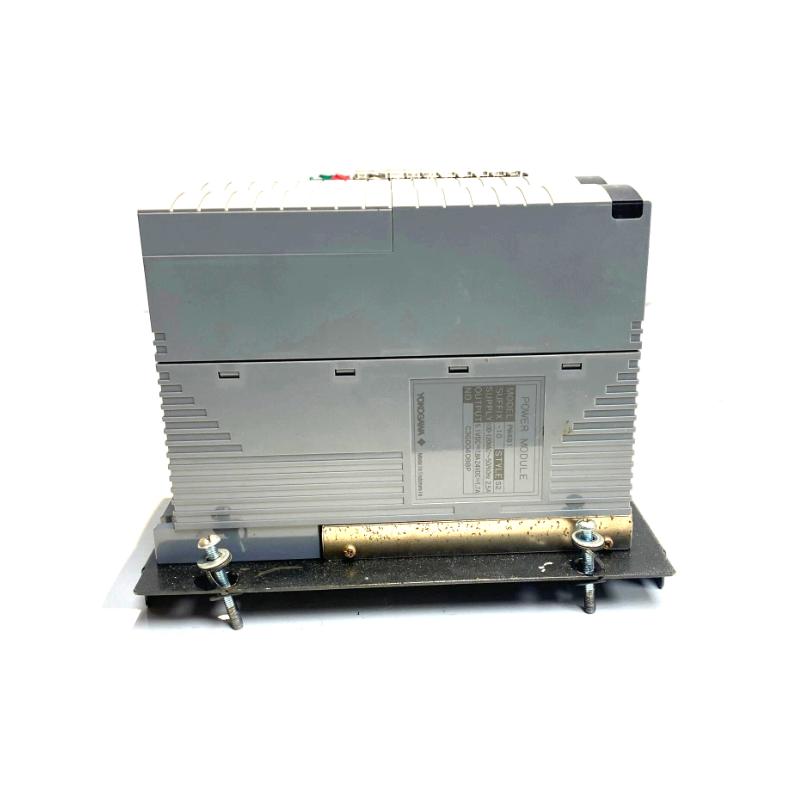
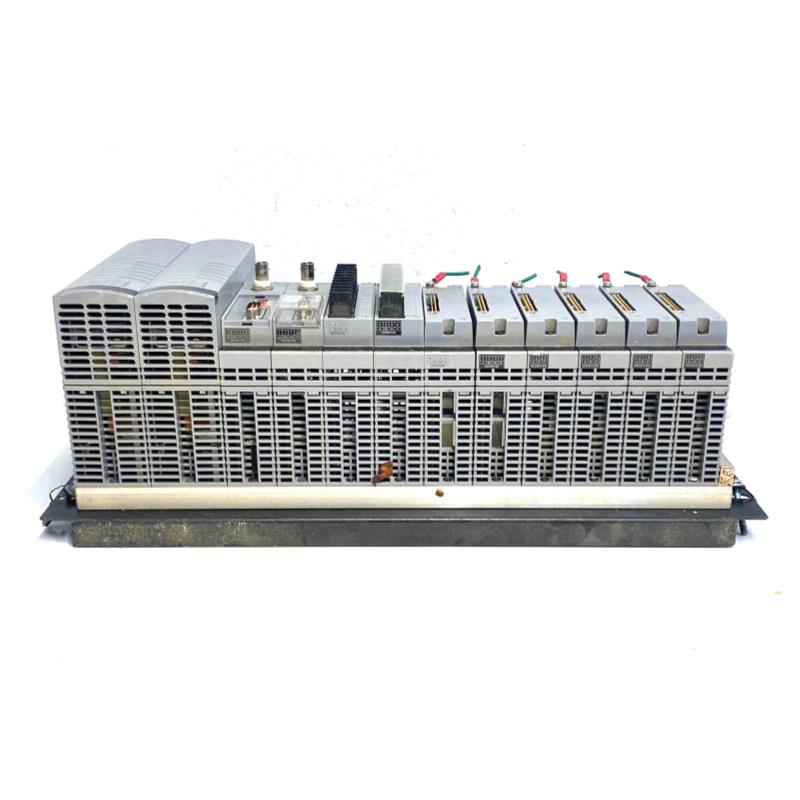
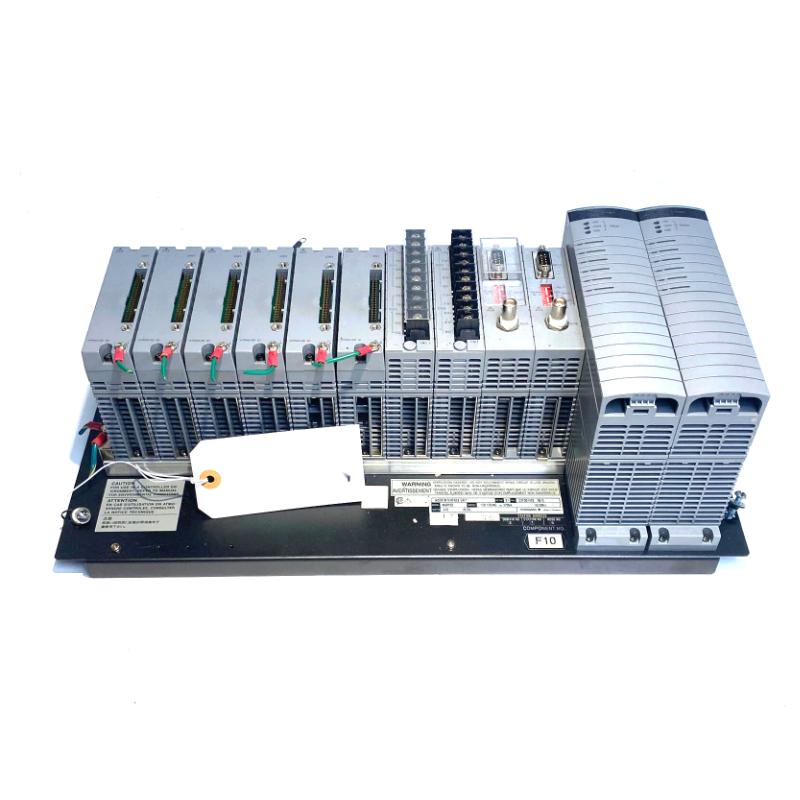
The Yokogawa AND50-562 Node Interface Unit is a compact interface component used in distributed control system architectures to facilitate communication between control nodes and higher-level system networks.
It is engineered for industrial environments where system modularity, stable communication, and compact installation footprint are important. Rather than focusing on high computation or processing functions, it plays a structural role in enabling reliable integration of distributed control elements within a larger automation system.
Its design is particularly suited for localized control applications and system expansion scenarios where additional nodes must be integrated without redesigning the entire control architecture.
Technical Specifications
| Parameter | Specification |
|---|
| Model | AND50-562 |
| Function Type | Node Interface Unit |
| System Compatibility | Yokogawa DCS architecture |
| Application Level | Distributed control / local node interface |
| Installation Type | Panel-mounted / modular integration |
| Communication Role | Node-to-system interface |
| Industrial Use | Process automation systems |
| Dimensions (W × H × D) | 100 mm × 120 mm × 25 mm |
| Weight | 0.3 kg (0.661 pounds) |
Applications
The Yokogawa AND50-562 Node Interface Unit is used in distributed control system (DCS) architectures as a communication interface component between control nodes and system-level network structures. It is typically deployed in compact automation environments where reliable signal exchange, system modularity, and stable node communication are required.
Common industrial applications include:
-
Compact distributed I/O systems in process automation
-
Small to mid-scale chemical and utility control systems
-
Sub-system integration within larger Yokogawa DCS architectures
-
Factory auxiliary control panels and localized control stations
-
Equipment-level control interfaces in modular production systems
-
Retrofit upgrades in existing industrial automation systems
-
Signal interfacing between control nodes and system backplanes
-
Supporting communication bridging in distributed architectures
Its compact design makes it suitable for localized control integration where space efficiency and stable communication are both required.
Advantages
From an automation engineering perspective, the AND50-562 focuses on simplicity, reliability, and modular integration rather than high processing capability.
Key advantages include:
-
Compact form factor suitable for dense control panel layouts
-
Stable node-to-system communication interface behavior
-
Reduced wiring complexity compared to discrete signal routing
-
High compatibility within Yokogawa distributed control ecosystems
-
Improved maintainability through modular replacement design
-
Reliable operation in continuous industrial environments
-
Efficient signal interfacing for localized control nodes
-
Reduced installation footprint in retrofit applications
-
Simplified integration into existing DCS architectures
-
Consistent performance in low-to-mid complexity control tasks
In practical deployments, it is often selected for its balance between compact size and reliable system communication integration.
Technical FAQs
1. What is the primary function of the AND50-562 unit?
It serves as a node interface unit enabling communication between control nodes and the DCS system architecture.
2. Is it part of a distributed control system?
Yes, it is designed for integration within Yokogawa DCS environments.
3. Can it be used in retrofit projects?
Yes, its compact design makes it suitable for system upgrades and retrofits.
4. What type of systems typically use this unit?
Small to mid-scale industrial automation and process control systems.
5. Does it support modular expansion?
Yes, it is designed to support modular system integration within DCS architectures.
6. How is maintenance typically handled?
Maintenance is performed at module level, enabling quick replacement in field conditions.
7. Is it suitable for harsh industrial environments?
Yes, it is designed for standard industrial operating conditions.
8. Does it require complex wiring?
No, it reduces wiring complexity through structured node interfacing.
9. Can it operate continuously in 24/7 systems?
Yes, it is designed for continuous industrial operation.
10. How does it integrate into larger systems?
It interfaces with other DCS components as part of a distributed communication structure.
 A DCS Q Co., Ltd. - PLC and DCS Industrial Control Equipment Wholesale