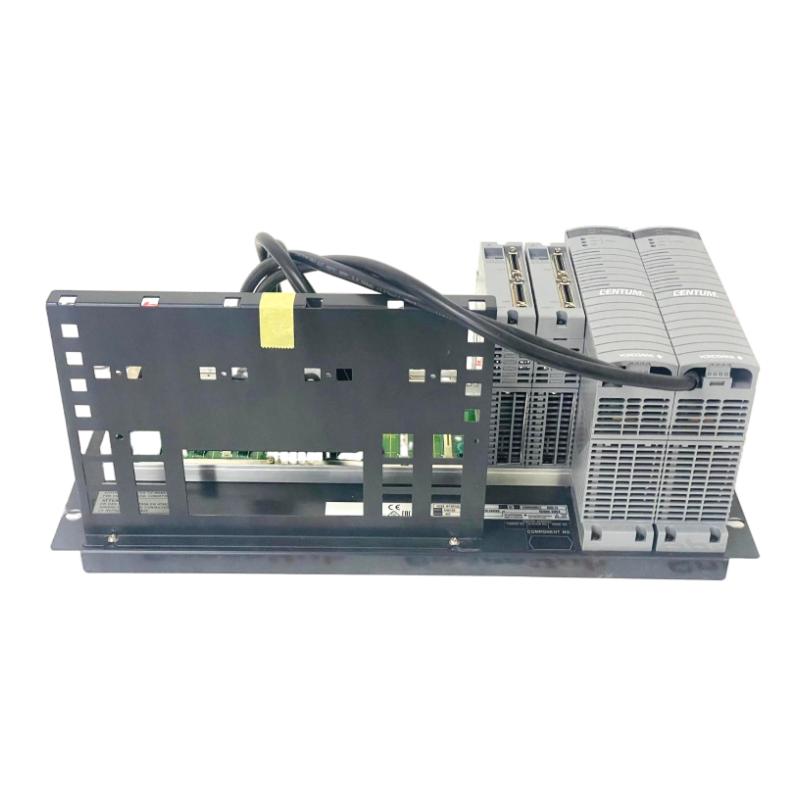
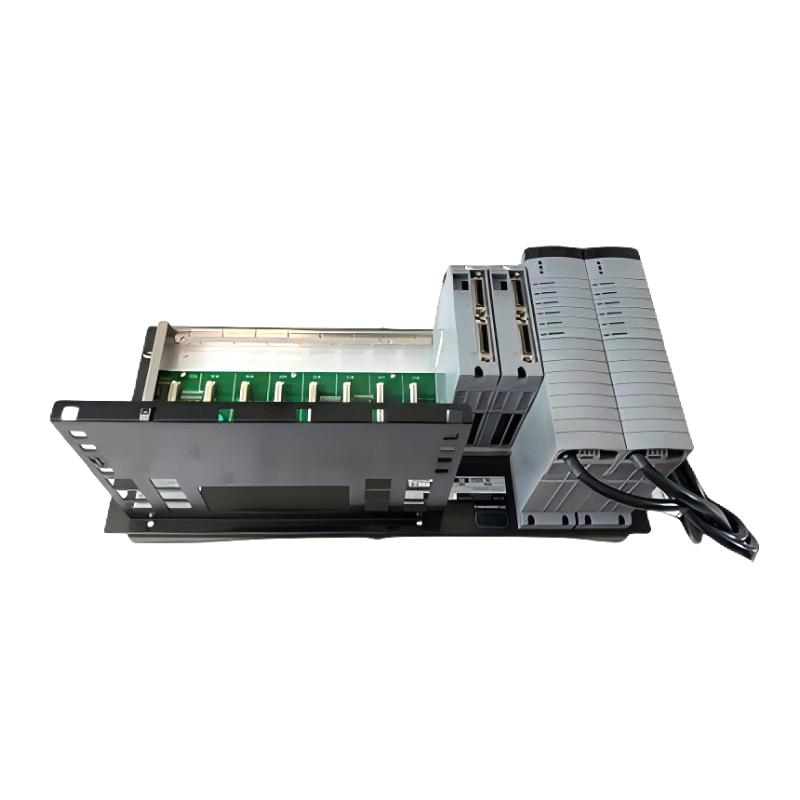
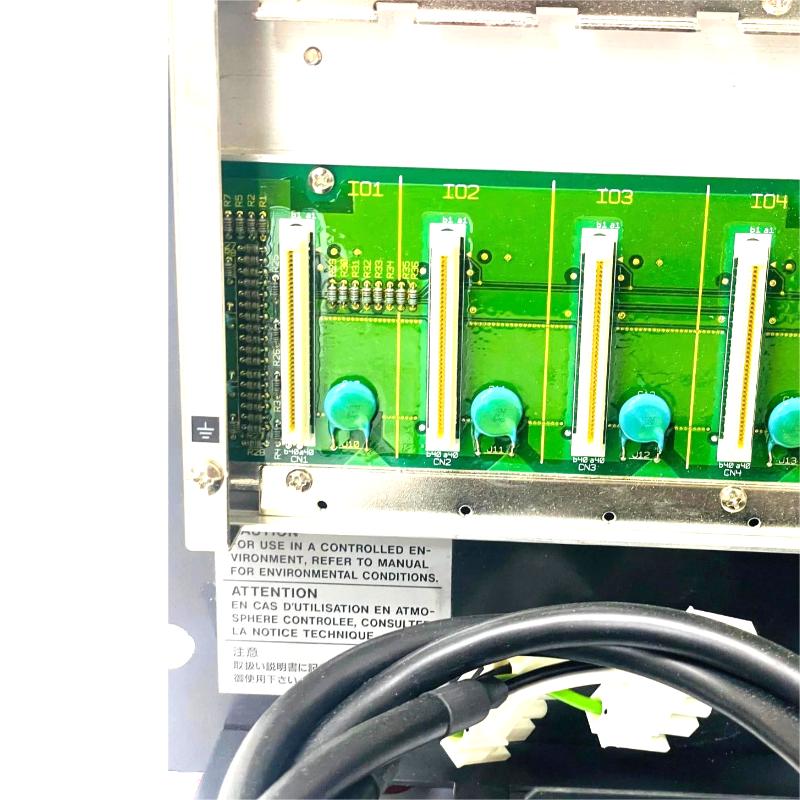
Design Overview and Engineering Insight
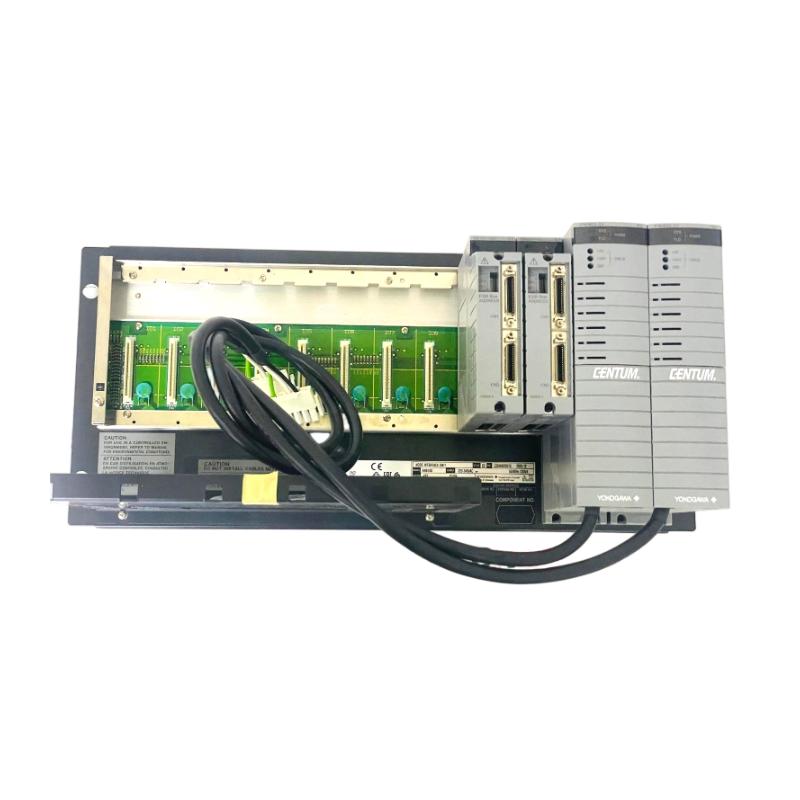
The ANB10D-427/CU2N is part of Yokogawa’s long-established philosophy of building highly stable and predictable control systems. Rather than focusing on general-purpose networking, this unit is purpose-built for deterministic control communication, where timing consistency is critical.
Its role within the ESB network is to act as a reliable communication node, ensuring that data flows efficiently between distributed control elements. This is particularly important in plants where thousands of signals must be processed and exchanged without delay.
The design also reflects Yokogawa’s emphasis on longevity. Many installations using this module are expected to operate continuously for over a decade, making hardware durability and firmware stability key considerations.
Technical Specifications
| Parameter | Specification |
|---|
| Model | ANB10D-427/CU2N |
| Module Type | ESB Bus Node Unit |
| System Compatibility | Yokogawa CENTUM VP |
| Communication Protocol | ESB (Enhanced Serial Bus) |
| Redundancy Support | Yes |
| Installation | Rack-mounted |
| Operating Environment | Industrial control systems |
| Dimensions | 482.6 × 221.5 × 205 mm |
| Weight | 10 kg (22.05 lb) |
Industrial Application Context
The Yokogawa ANB10D-427/CU2N ESB Bus Node Unit is designed for deployment in highly integrated distributed control systems where communication reliability is a fundamental requirement. It is typically used in conjunction with Yokogawa CENTUM VP systems, forming a critical bridge between field control stations and the ESB network.
In large-scale industrial plants—such as LNG facilities, thermal power stations, and offshore platforms—this unit ensures continuous and synchronized communication between process controllers. Engineers rely on it in scenarios where system segmentation is necessary, enabling structured communication across multiple control domains without compromising performance.
It is also particularly valuable in system upgrade projects, where maintaining compatibility with existing Yokogawa ESB infrastructure is essential while incrementally enhancing system capabilities.
Functional Advantages in System Architecture
From a system design standpoint, the ANB10D-427/CU2N offers a refined balance between robustness and operational continuity. One of its primary strengths is its deterministic communication capability, ensuring predictable data transmission cycles—an essential requirement in process automation.
The module supports redundant configurations, allowing dual ESB communication paths. This redundancy significantly enhances system uptime, as failover occurs seamlessly without interrupting plant operations. In mission-critical industries, this feature directly contributes to safety and production stability.
Another notable advantage is its optimized integration within Yokogawa’s proprietary architecture. Unlike generic communication nodes, this unit minimizes latency and configuration overhead, as it is specifically engineered for ESB protocol handling.
Additionally, the hardware is built for long-duration operation under industrial stress conditions. It maintains stable performance in environments with electrical noise, temperature fluctuations, and continuous operation cycles, aligning with the lifecycle expectations of DCS installations.
Technical FAQs
1. What differentiates the ANB10D-427 from similar ESB node units?
It typically represents a variant optimized for specific system configurations or firmware revisions within Yokogawa architectures.
2. Can it operate in redundant ESB configurations?
Yes, it fully supports dual-redundant communication paths for high-availability systems.
3. What type of systems is it intended for?
Primarily Yokogawa CENTUM VP and compatible distributed control systems.
4. How does it ensure communication reliability?
Through deterministic data exchange mechanisms and built-in redundancy switching.
5. Is it suitable for continuous process industries?
Yes, it is specifically designed for 24/7 operation in industries like oil & gas and power generation.
6. What happens in case of a communication path failure?
The system automatically switches to the standby path without operator intervention.
7. Does it require periodic calibration or maintenance?
No calibration is required; however, routine system diagnostics are recommended.
8. How is system health monitored?
Through Yokogawa engineering tools that provide real-time diagnostics and status monitoring.
9. Can it be integrated into existing legacy systems?
Yes, it is commonly used in system expansions and upgrades due to its backward compatibility.
10. What type of network topology does it support?
It operates within the ESB architecture, supporting structured and hierarchical control networks.
 A DCS Q Co., Ltd. - PLC and DCS Industrial Control Equipment Wholesale