Product Overview and Design Context
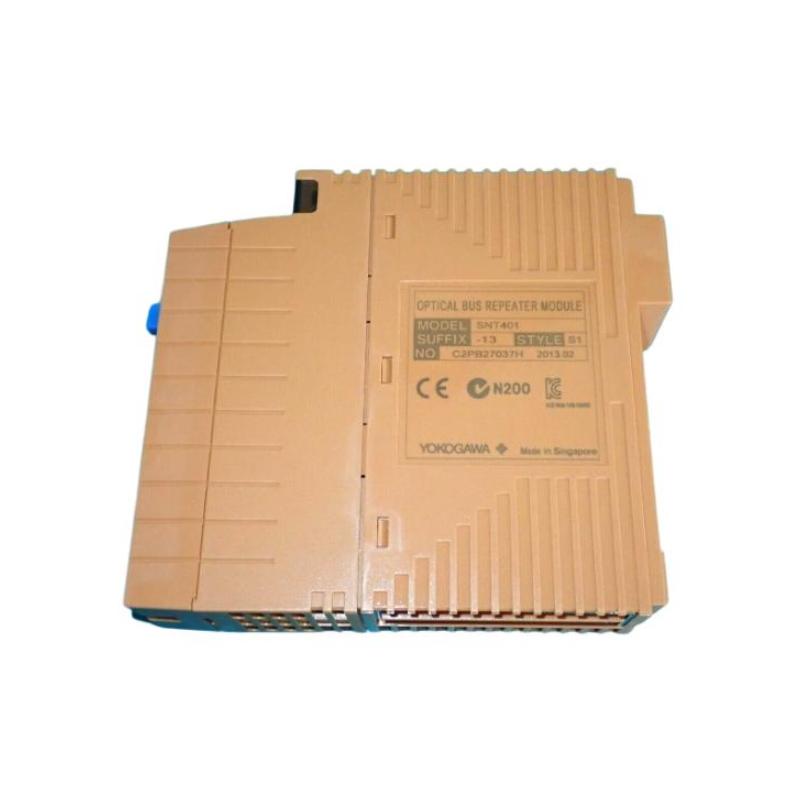
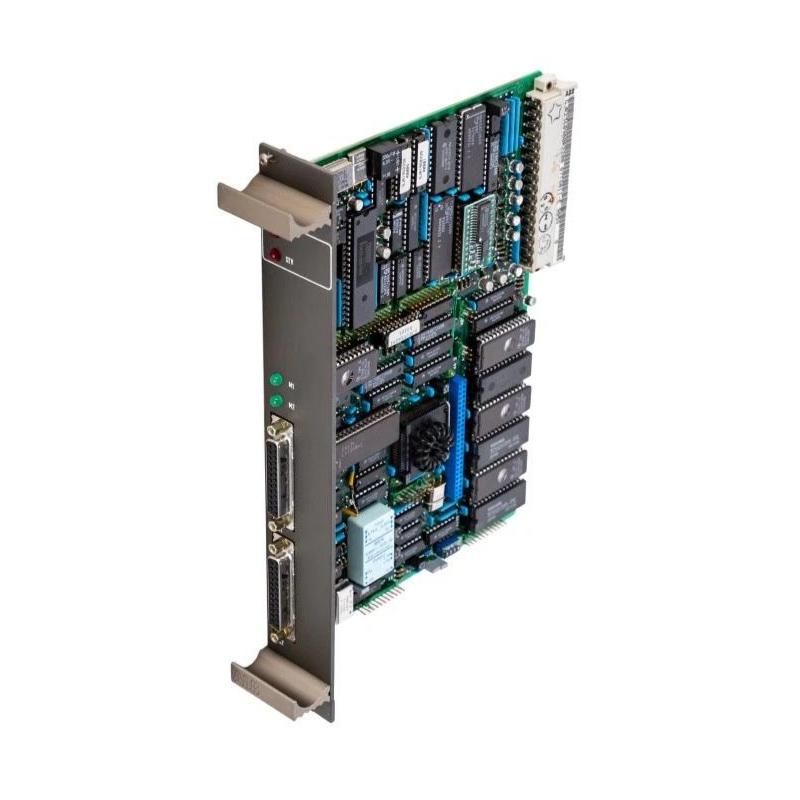
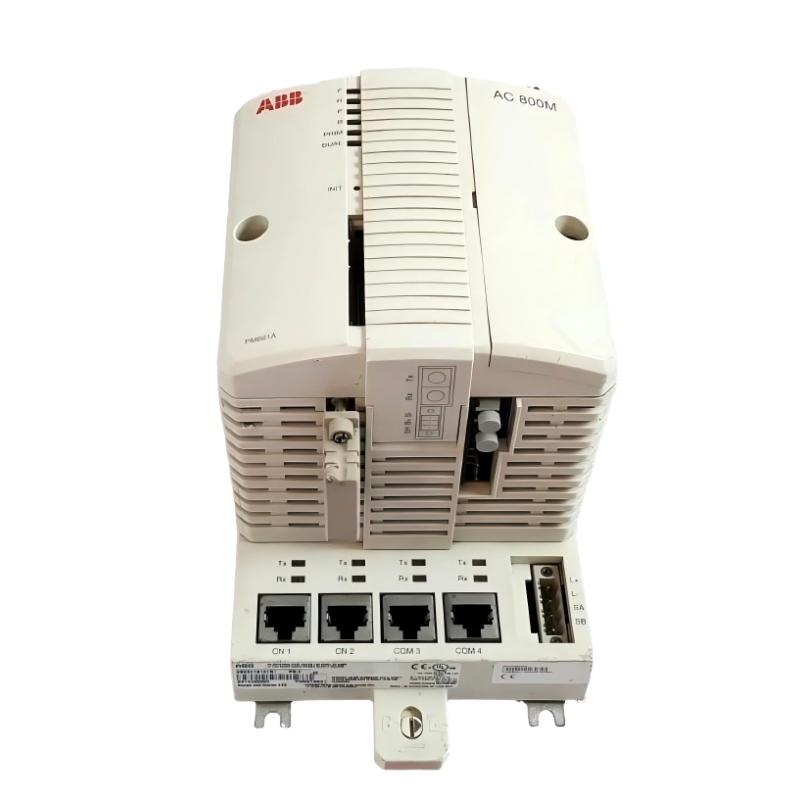
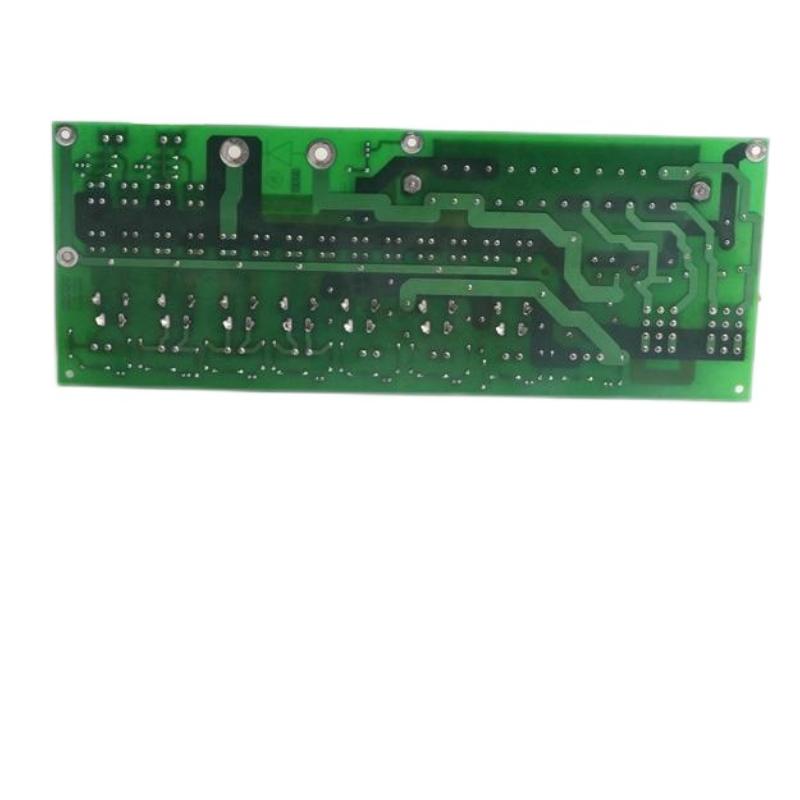
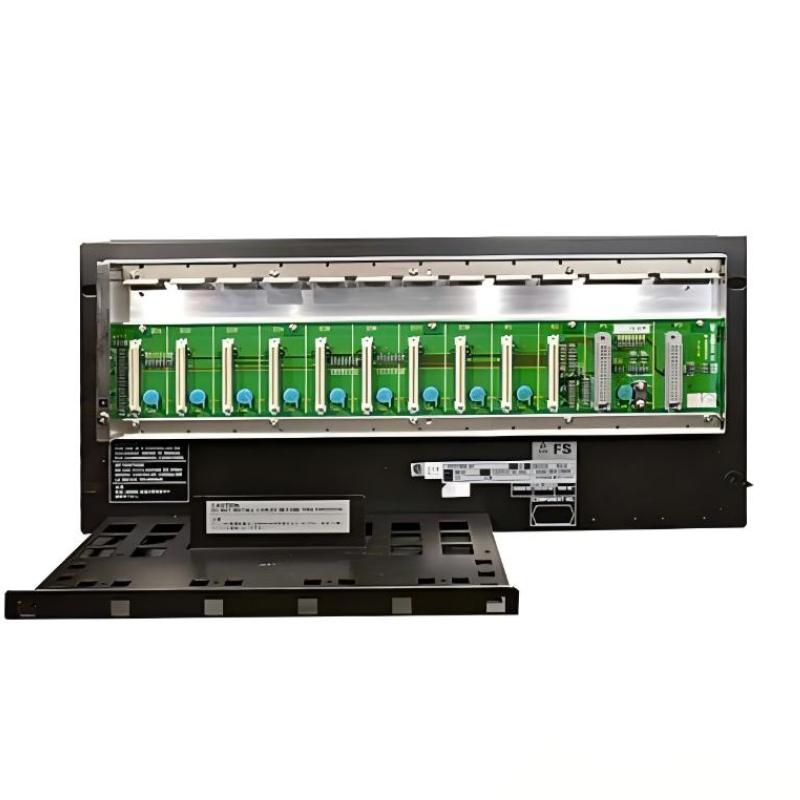
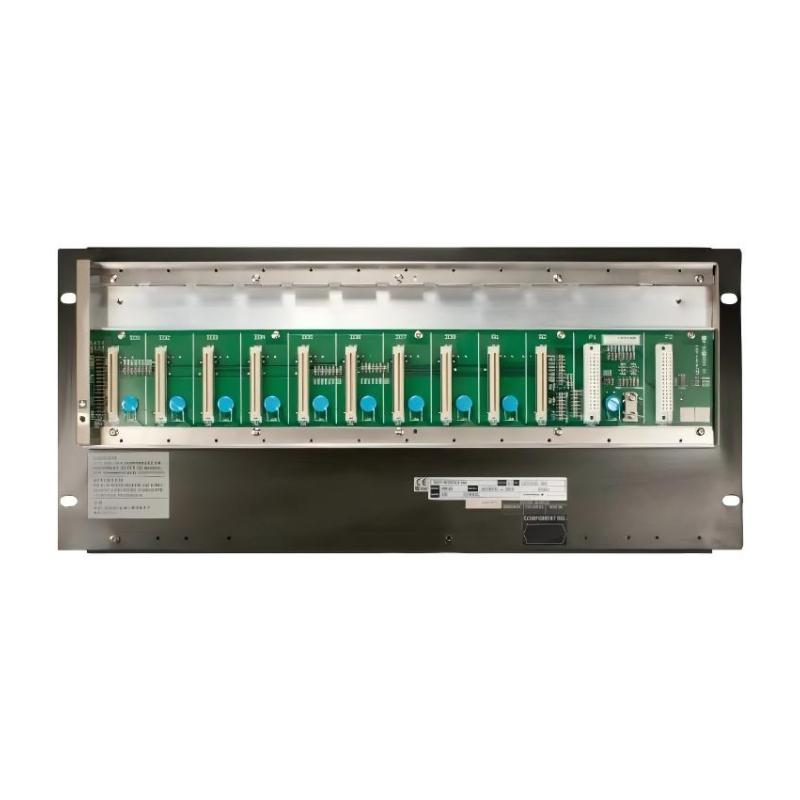
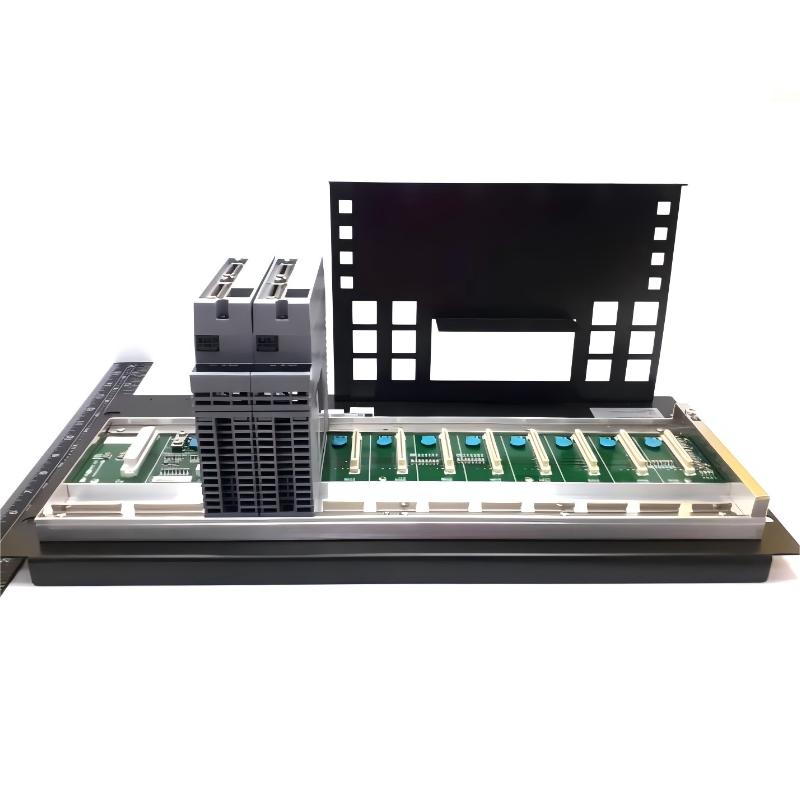
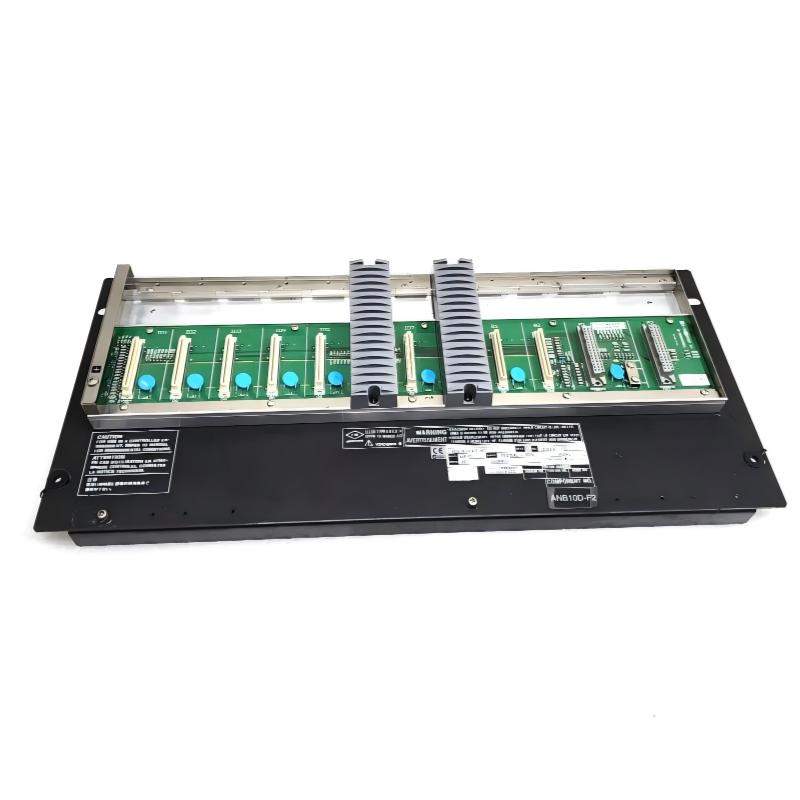
The ANB10D-426/CU2N ESB Bus Node Unit is a specialized communication module developed to support Yokogawa’s distributed control philosophy. Unlike general-purpose networking devices, it is purpose-built for deterministic control communication, where timing and reliability are critical.
Its design reflects a strong emphasis on system continuity. In industries such as oil & gas or power generation, stopping a process is not just inconvenient—it can be extremely costly. This unit contributes to system resilience by ensuring that communication between control layers remains uninterrupted.
Another important aspect is its physical robustness. Built to operate in industrial control cabinets, it withstands environmental stress such as temperature variations and electrical noise, ensuring long-term stability.
Technical Specifications
| Parameter | Specification |
|---|
| Model | ANB10D-426/CU2N |
| Function | ESB Bus Node Unit |
| System Compatibility | Yokogawa CENTUM VP |
| Communication Type | ESB (Enhanced Serial Bus) |
| Redundancy Support | Yes |
| Mounting | Rack-mounted |
| Operating Environment | Industrial control systems |
| Dimensions | 482.6 × 221.5 × 205 mm |
| Weight | 10 kg (22.05 lb) |
Typical Industrial Use Cases
The Yokogawa ANB10D-426/CU2N ESB Bus Node Unit is engineered for high-reliability distributed control systems, particularly within Yokogawa’s CENTUM VP and related architectures. It plays a central role in connecting field control stations (FCS) to the ESB (Enhanced Serial Bus), ensuring stable and deterministic communication across the control network.
In real-world deployments, this unit is frequently installed in oil refineries, petrochemical complexes, and large-scale power generation plants. These environments demand uninterrupted communication between controllers and subsystems, where even minor latency or signal loss could lead to operational inefficiencies or safety concerns.
It is also commonly used in legacy system expansions, where maintaining compatibility with existing Yokogawa infrastructure is critical. Engineers value this unit for its ability to integrate seamlessly without requiring major system redesigns.
Core Advantages from an Engineering Perspective
One of the defining strengths of the ANB10D-426/CU2N is its communication stability. Designed for mission-critical environments, it ensures consistent data exchange across the ESB network, even under heavy system loads. This reliability is essential in continuous process industries where downtime is extremely costly.
Another advantage lies in its redundancy support. The unit can be configured in dual-redundant setups, significantly improving system availability and fault tolerance. In practice, this means that if one communication path fails, the backup system takes over without interrupting operations.
The module is also built with long lifecycle operation in mind. Yokogawa systems are known for running for decades, and this unit reflects that philosophy with robust hardware design and high environmental tolerance.
Additionally, its integration within Yokogawa’s proprietary ecosystem ensures optimized performance. Unlike generic communication modules, it is finely tuned for ESB architecture, reducing configuration complexity and improving overall system efficiency.
Technical FAQs
1. What is the primary function of this unit?
It serves as a communication interface between field control stations and the ESB network.
2. Does it support redundant configurations?
Yes, it supports dual-redundant setups for high availability systems.
3. What systems is it compatible with?
It is designed for Yokogawa CENTUM VP and related DCS platforms.
4. How does it handle communication failures?
In redundant mode, it automatically switches to the standby path without disrupting operations.
5. What type of data transmission does it support?
It supports deterministic cyclic data exchange required for process control systems.
6. Is it suitable for high-noise industrial environments?
Yes, it is designed with strong immunity to electromagnetic interference.
7. Can it be hot-swapped?
Depending on system configuration, maintenance can be performed with minimal disruption, though full hot-swap depends on redundancy setup.
8. What is the expected operational lifespan?
Typically aligned with DCS lifecycle expectations, often exceeding 10–15 years in industrial environments.
9. How is diagnostics handled?
Built-in diagnostic functions allow monitoring through Yokogawa engineering tools.
10. Does it require specialized configuration tools?
Yes, configuration is performed using Yokogawa’s dedicated engineering software environment.
 A DCS Q Co., Ltd. - PLC and DCS Industrial Control Equipment Wholesale