Introduction & Technical Overview
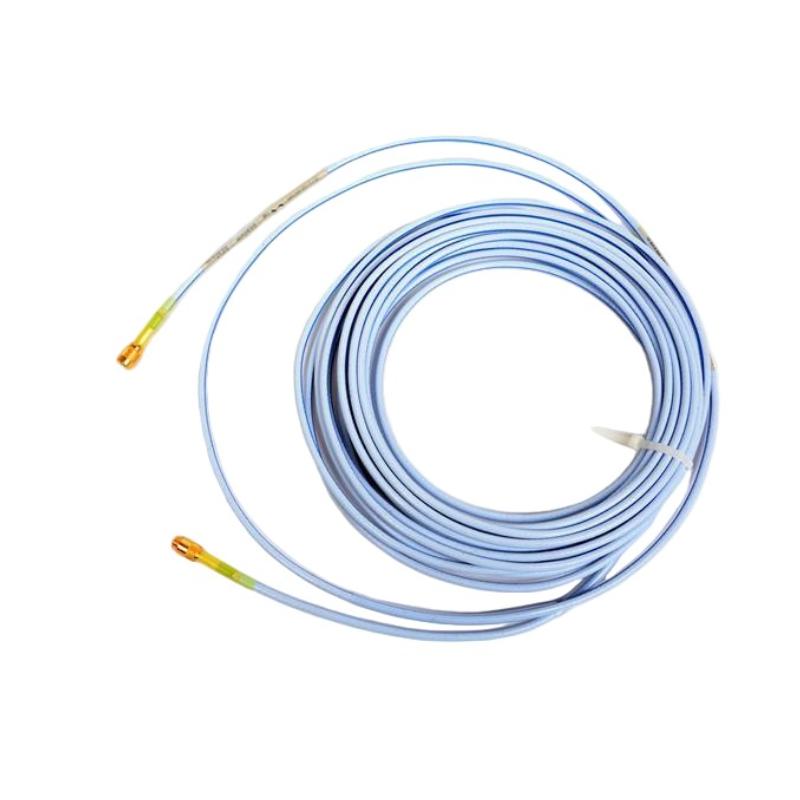
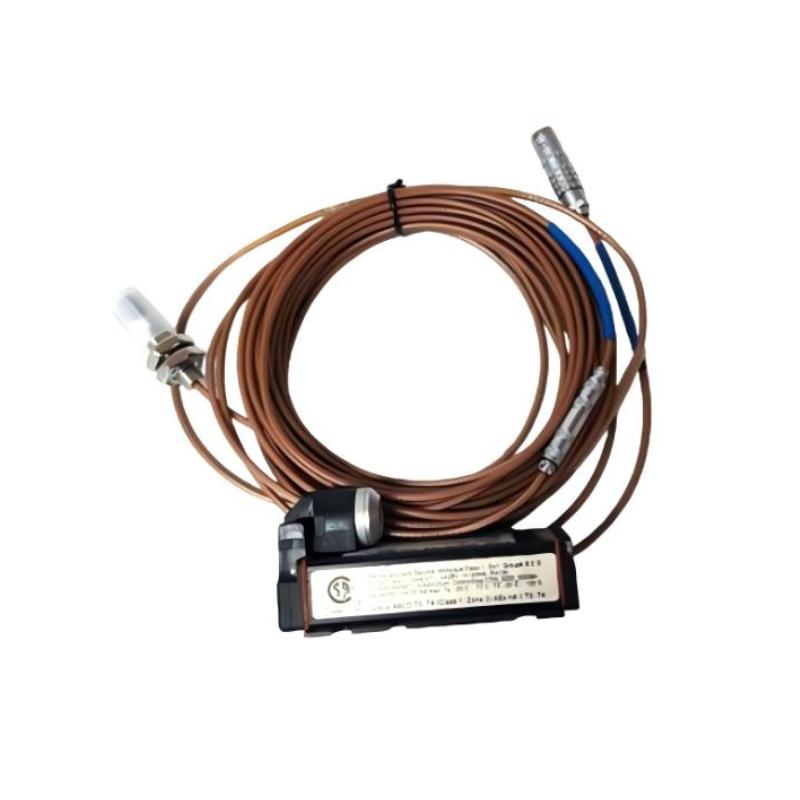
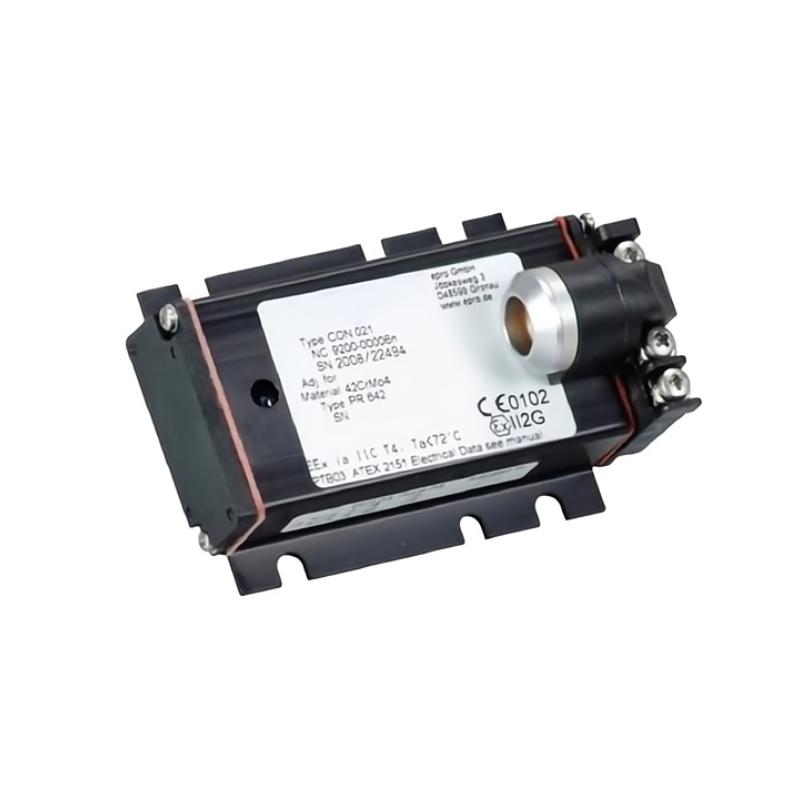
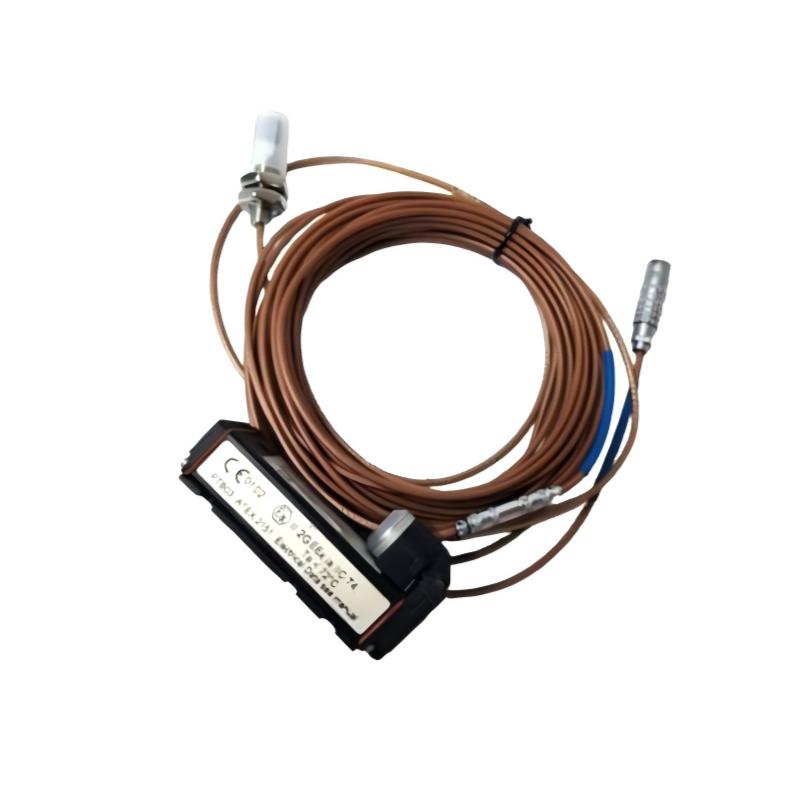
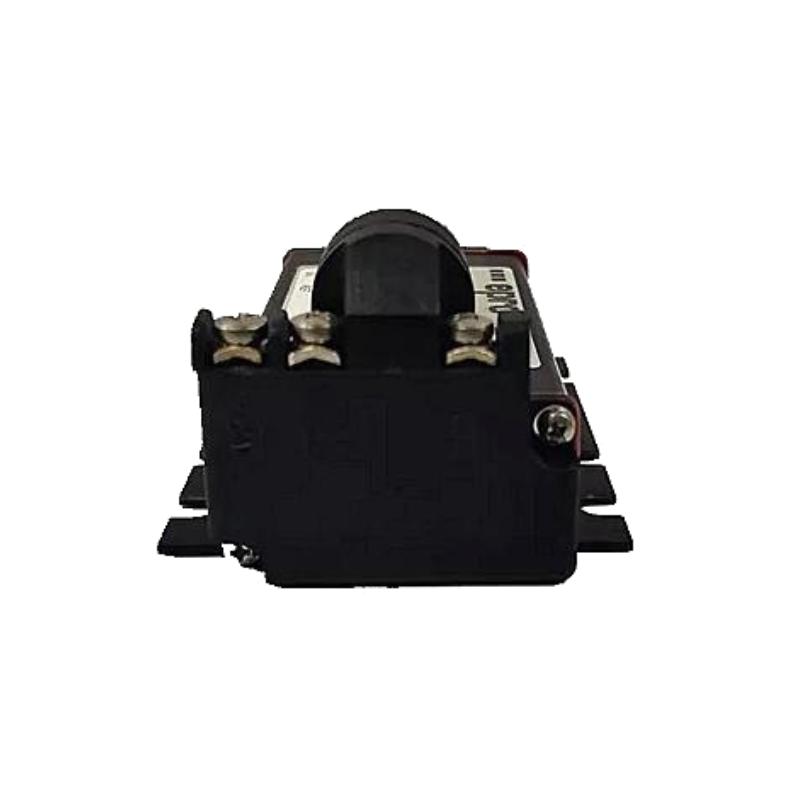
The Epro PR6423/003-040 combined with the CON021 signal converter forms a complete eddy current proximity measurement system designed for high-precision vibration and displacement monitoring in rotating machinery. The probe (PR6423) performs non-contact measurement of shaft movement, while the CON021 converts the raw eddy current signal into a standardized output suitable for monitoring and protection systems.
This configuration is widely used in critical asset protection applications where continuous, real-time monitoring of rotor dynamics is required. The system is engineered for stable operation in harsh industrial environments, including high temperature zones, oil mist exposure, and high vibration mechanical assemblies.
Technical Specifications
| Parameter | Specification |
|---|
| Manufacturer | Epro |
| Model | PR6423/003-040 + CON021 |
| Sensor Type | Eddy Current Displacement System |
| Measurement Principle | Non-contact eddy current |
| Sensor Head Diameter | 8 mm |
| Components | Probe + Signal Converter |
| Output Type | Conditioned analog signal (via CON021) |
| Measured Parameters | Vibration, displacement, eccentricity, axial position |
| Operating Temperature | -35°C to 180°C |
| Application | Rotating machinery monitoring |
| Mounting Type | Proximity probe system |
| Dimensions | Probe-dependent configuration |
| Weight | 0.1 kg (0.22 lb) |
Applications
This sensor system is primarily deployed in condition monitoring of rotating equipment such as turbines, compressors, generators, and large industrial pumps. It is used to measure radial vibration, axial displacement, shaft eccentricity, and slow-roll behavior during startup and shutdown sequences.
In power generation facilities, it plays a key role in turbine protection systems by providing early warning signals for rotor instability. In oil and gas installations, it is integrated into compressor monitoring systems to detect imbalance or misalignment before mechanical failure occurs. It is also widely used in predictive maintenance programs across heavy industry.
Advantages
The PR6423 probe combined with the CON021 converter provides high signal stability and excellent linearity across a wide measurement range. The non-contact eddy current principle ensures that measurement accuracy is not affected by oil, dust, or non-conductive contamination, making it suitable for harsh operating environments.
The CON021 unit enhances system flexibility by providing conditioned output signals compatible with industrial monitoring platforms. This separation of sensing and signal processing improves installation flexibility and allows easier maintenance or replacement of individual components without recalibrating the entire system.
The system also supports high-frequency dynamic measurements, making it suitable for both steady-state condition monitoring and transient event analysis.
Technical FAQs
1. What is the role of the CON021 in this system?
It converts raw probe signals into standardized outputs for monitoring and control systems.
2. Can the probe operate without the CON021?
No, the probe requires a signal conditioning unit like CON021 to function correctly.
3. What types of machinery is this system used on?
It is used on turbines, compressors, pumps, and generators.
4. Does it measure direct contact with the shaft?
No, it is a non-contact measurement system based on eddy current technology.
5. What parameters can it monitor?
It measures vibration, displacement, eccentricity, and axial movement.
6. Is it suitable for high-temperature environments?
Yes, it is designed for industrial environments with elevated temperatures.
7. Does oil contamination affect measurement accuracy?
No, non-conductive contaminants such as oil do not significantly affect performance.
8. Can it be used for predictive maintenance?
Yes, it is widely used in predictive maintenance and condition monitoring systems.
9. Is calibration required after installation?
Yes, proper gap calibration between probe and target is required.
10. Is the system suitable for continuous monitoring?
Yes, it is designed for 24/7 continuous industrial operation.
 A DCS Q Co., Ltd. - PLC and DCS Industrial Control Equipment Wholesale