Product Insight
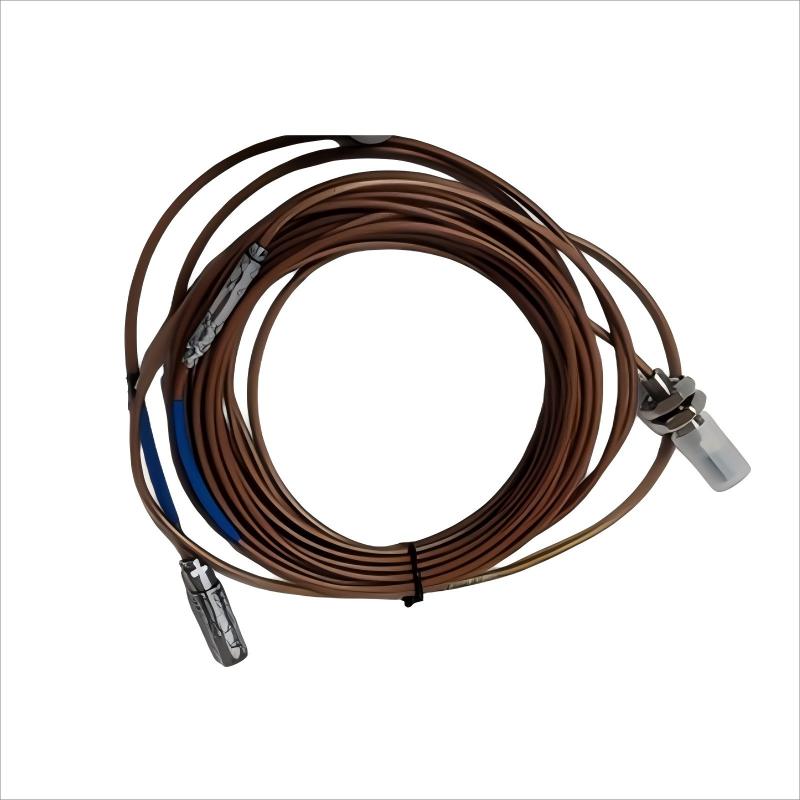
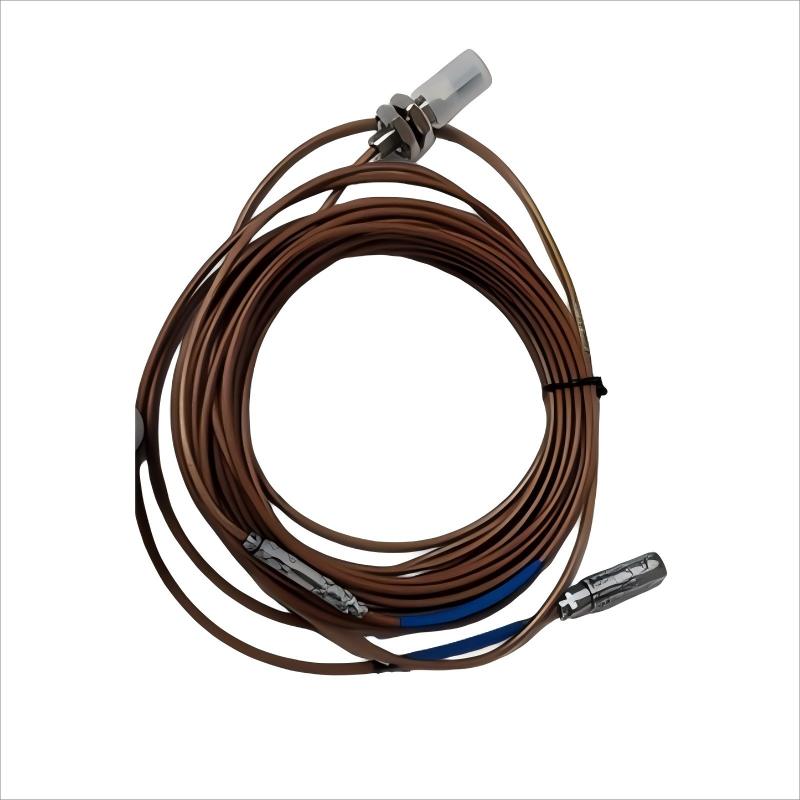
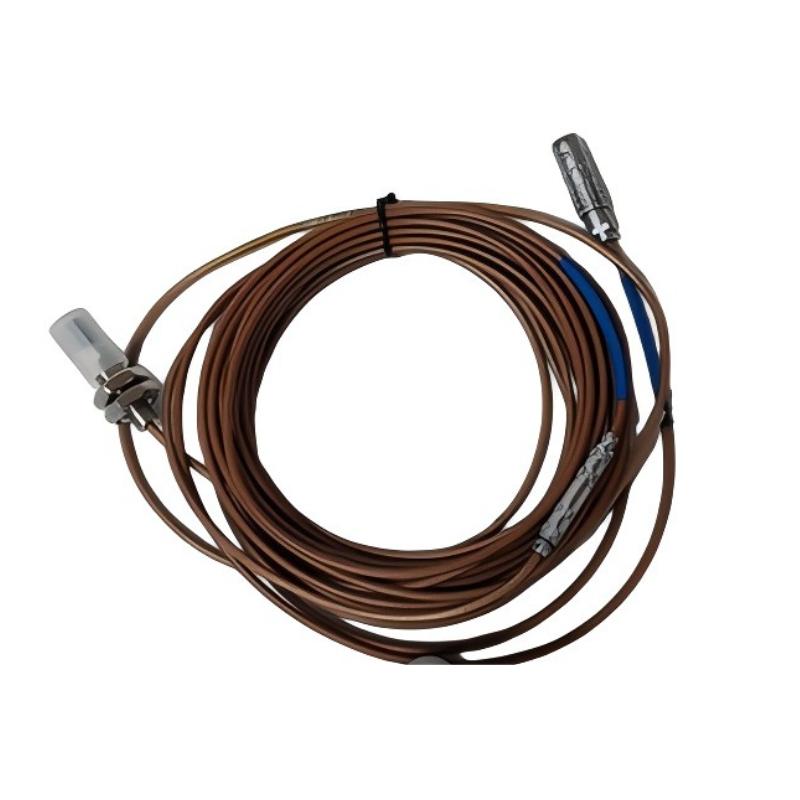
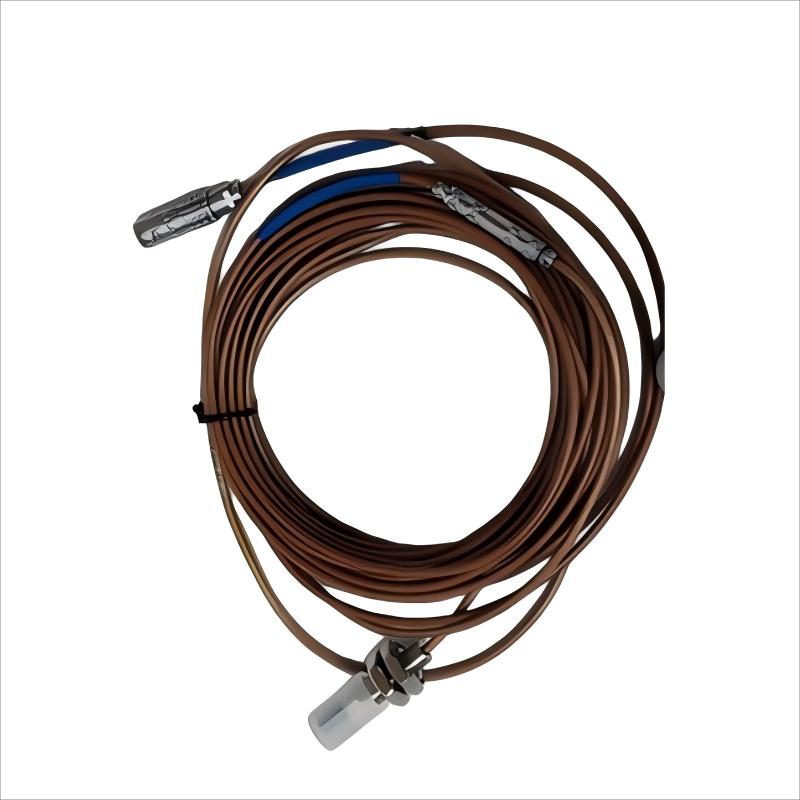
The PR6423/003-030 is part of Epro’s high-precision eddy current sensor series, developed for demanding turbomachinery applications. It combines compact mechanical design with advanced sensing technology, delivering reliable real-time data for predictive maintenance strategies.
Its durability and measurement stability make it a trusted solution in industries where equipment uptime and safety are critical. Engineers value this model for its consistent performance and ease of integration into existing monitoring architectures.
Technical Specifications
| Parameter | Specification |
|---|
| Model | PR6423/003-030 |
| Sensor Type | Eddy Current (Non-contact) |
| Probe Diameter | 8 mm |
| Measurement Range | ~2 mm (linear) |
| Sensitivity | 8 V/mm (±5%) |
| Measurement Capability | Displacement, vibration, position |
| Operating Temperature | -35 to 200°C |
| Protection Rating | IP66 |
| Minimum Shaft Diameter | 25 mm |
| Mounting Thread | M10x1 or 3/8-24 UNF |
| Cable Length | Typically 8 m |
| Dimensions | 180 x 130 x 40 mm |
| Weight | 0.1 kg (0.220 lb) |
Application Perspectives
The PR6423/003-030 is specifically engineered for precision monitoring of rotating machinery in critical industrial systems. It is extensively used in steam and gas turbines, compressors, and high-speed pumps where accurate shaft displacement and vibration data are essential for operational safety.
In turbomachinery environments, this sensor plays a key role in detecting shaft eccentricity, axial movement, and dynamic vibration. It is also widely integrated into machinery protection systems in power plants and petrochemical facilities, where continuous condition monitoring is required to prevent unexpected failures.
Its 8 mm probe design allows installation in confined mechanical spaces while maintaining high measurement accuracy.
Functional Advantages
A primary advantage of the PR6423/003-030 is its high-resolution measurement capability. It can detect extremely small shaft movements, enabling early identification of imbalance, misalignment, and bearing degradation.
The non-contact sensing technology eliminates mechanical wear, ensuring long-term stability and reducing maintenance requirements. This makes it particularly suitable for continuous operation in high-speed rotating equipment.
Another key benefit is its robust environmental performance. The sensor is designed to operate reliably in harsh industrial conditions, including exposure to oil, dust, and high temperatures, while maintaining consistent signal output.
Additionally, its compatibility with standard Epro signal converters ensures strong signal integrity and easy integration into existing monitoring and control systems.
Technical FAQs
1. What measurement principle does this sensor use?
It operates using eddy current technology to measure displacement without physical contact.
2. What is the typical measurement range?
The linear measurement range is approximately 2 mm, optimized for precision applications.
3. What is the sensitivity of the sensor?
It typically provides around 8 V/mm output sensitivity within calibrated conditions.
4. What materials can be measured?
It is designed for conductive metallic targets, especially ferromagnetic steel.
5. Is it suitable for high-temperature environments?
Yes, it can operate in temperatures up to approximately 200°C depending on configuration.
6. What is the minimum shaft diameter requirement?
The recommended minimum shaft diameter is around 25 mm for accurate measurement.
7. How does it handle vibration and noise?
It features stable signal output with strong resistance to electromagnetic interference.
8. Can it be used for both axial and radial measurements?
Yes, it supports both axial and radial shaft displacement monitoring.
9. What protection rating does it offer?
It typically meets IP66 standards for industrial environments.
10. Does it require a signal converter?
Yes, it is usually paired with a compatible Epro signal converter for proper signal processing.
 A DCS Q Co., Ltd. - PLC and DCS Industrial Control Equipment Wholesale