Product Introduction
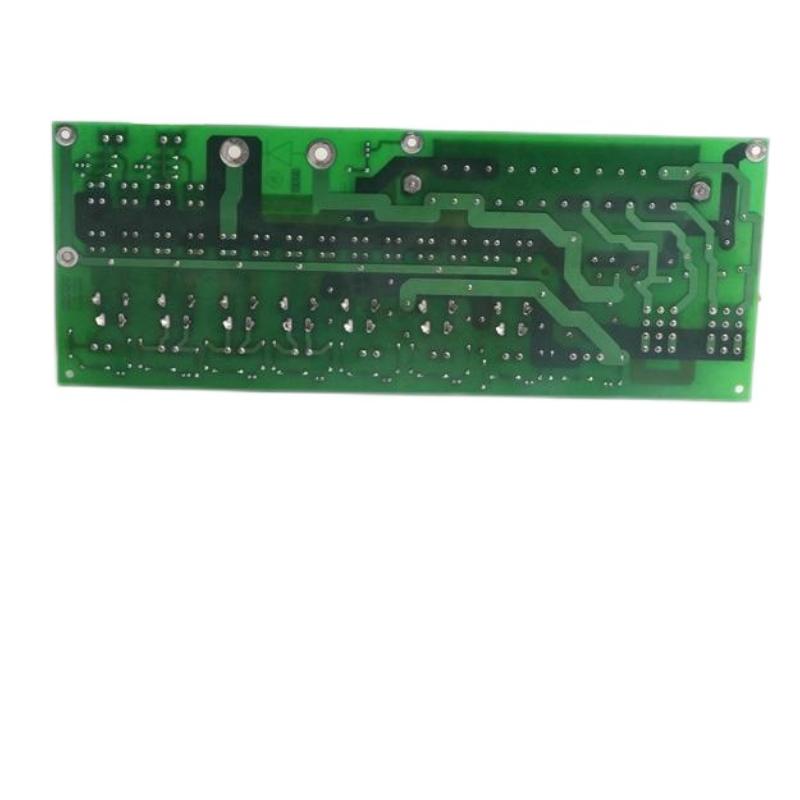
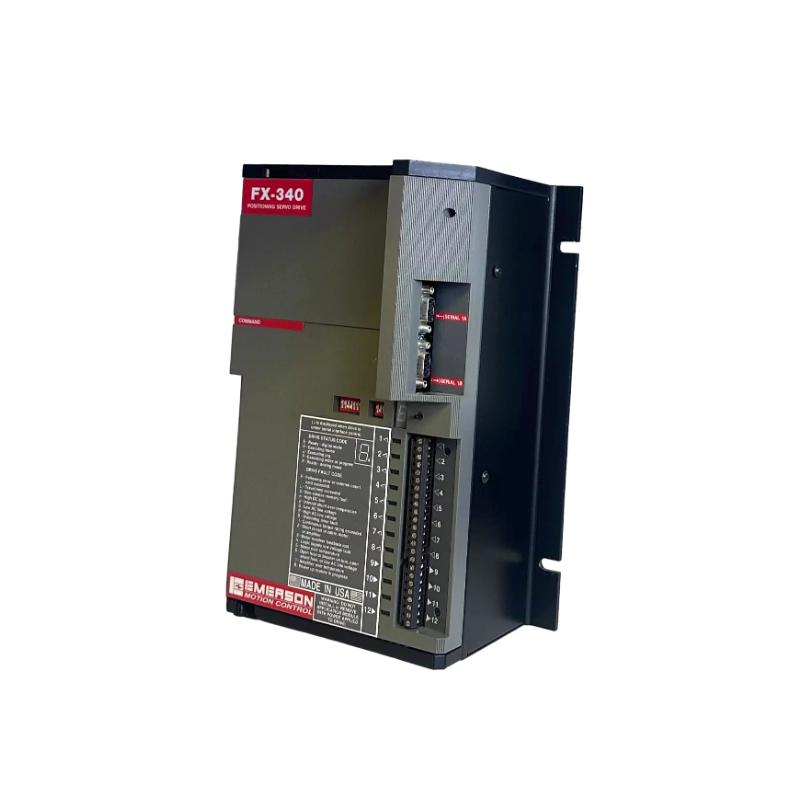
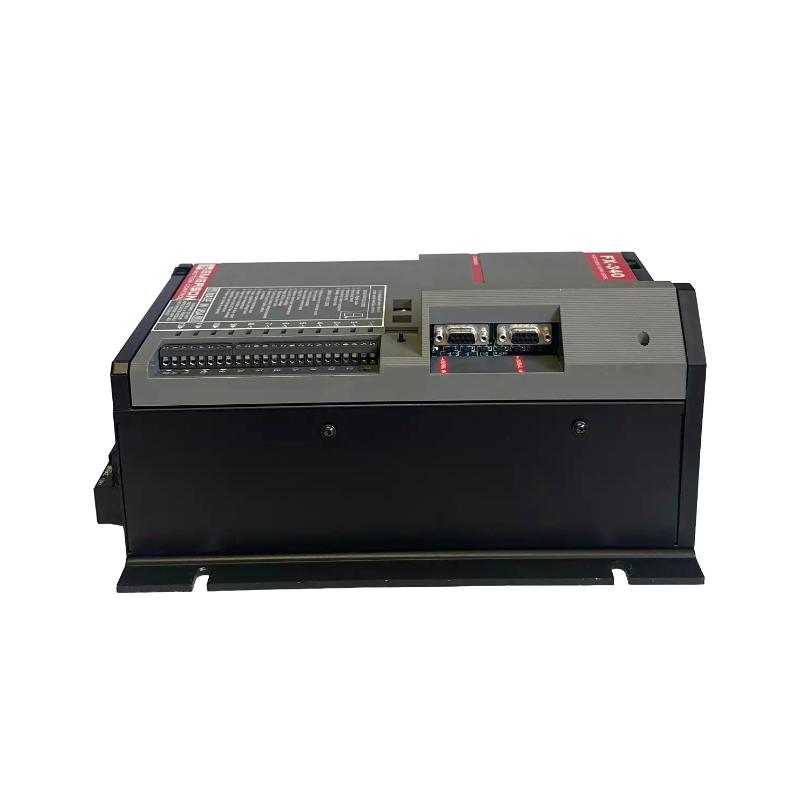
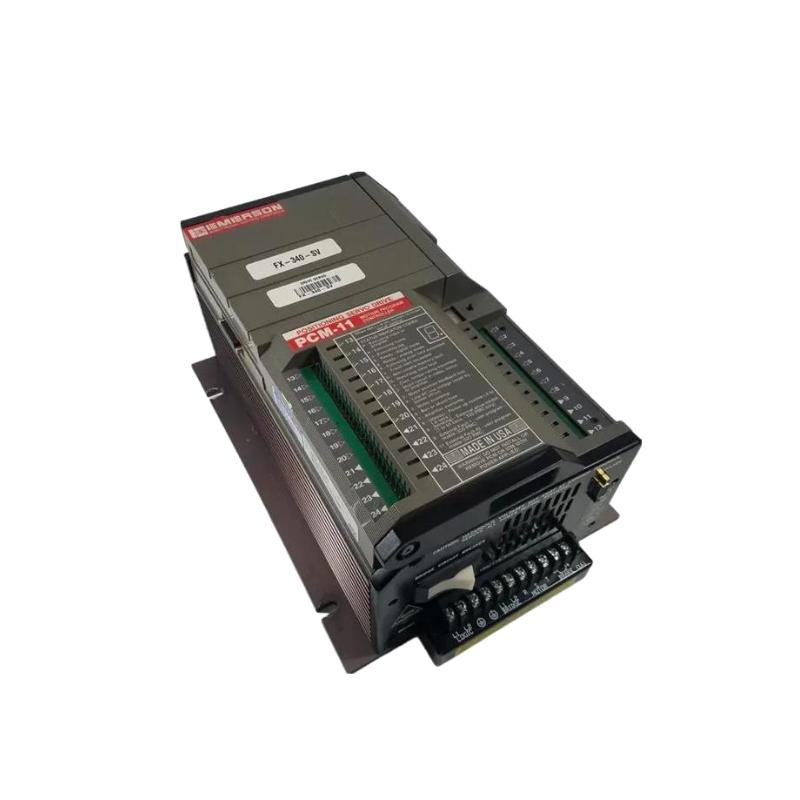
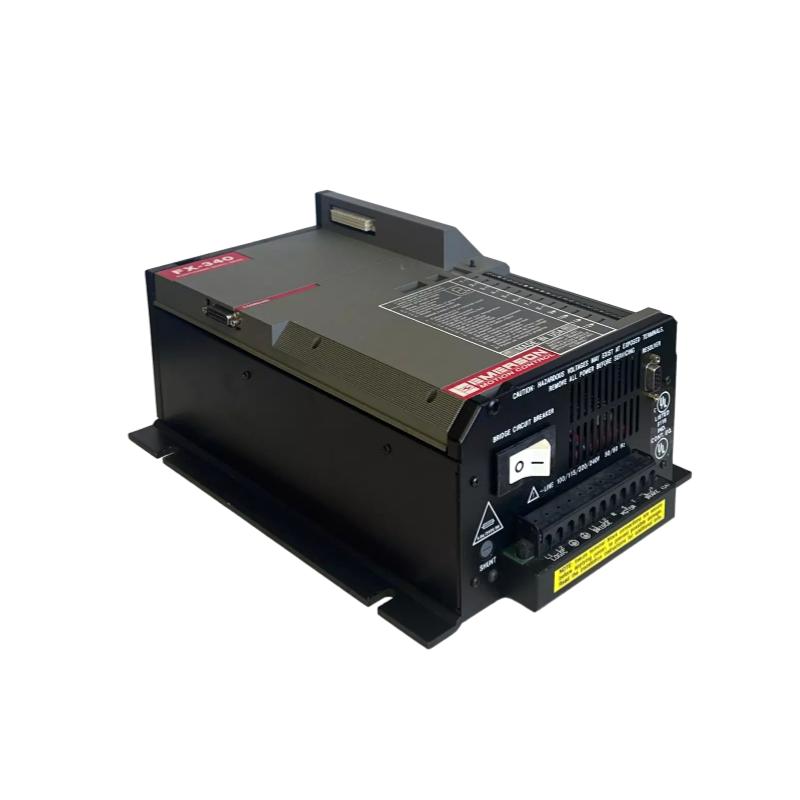
The Emerson FX-340 Positioning Servo Driver is a high-performance motion control unit engineered for applications where positioning accuracy and responsiveness are critical. It combines advanced servo control technology with a rugged industrial design, enabling consistent and reliable operation in complex automation systems.
Its architecture supports precise motion profiling and efficient energy management, making it a strong candidate for systems that require both speed and accuracy. Engineers often select the FX-340 for its ability to maintain control integrity under dynamic operating conditions.
Technical Specifications
| Parameter | Details |
|---|
| Model | FX-340 |
| Module Type | Positioning Servo Driver |
| Control Modes | Position / Velocity / Torque |
| Feedback Support | Incremental / Absolute Encoder |
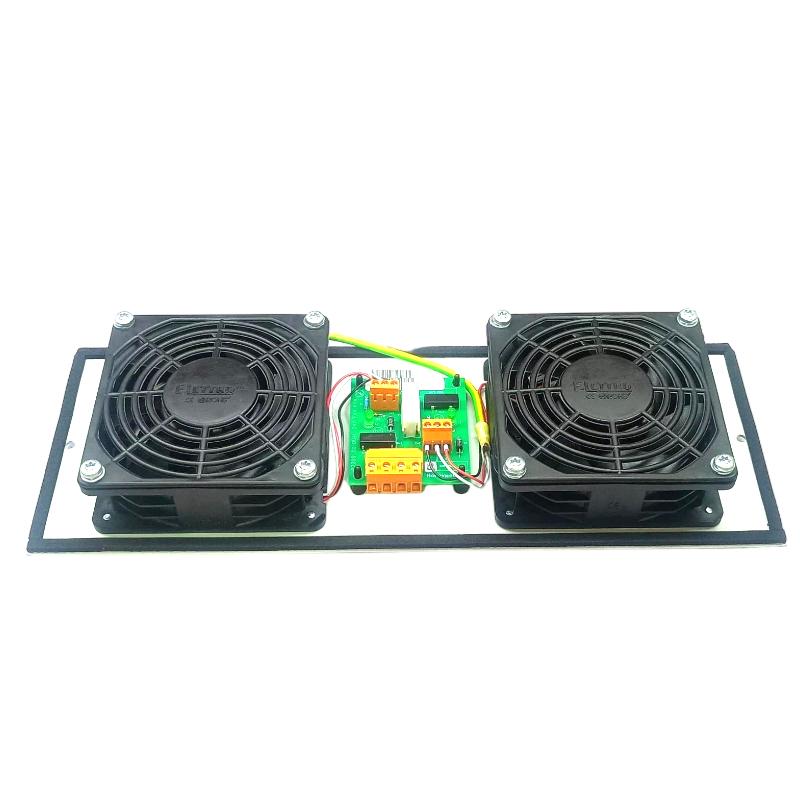
| Cooling Method | Forced Air Cooling |
| Protection Features | Overcurrent, Overvoltage, Thermal |
| Operating Temperature | 0°C to 50°C |
| Storage Temperature | -20°C to 70°C |
| Dimensions (H×W×D) | 345.7 × 240 × 151 mm |
| Weight | 4.54 kg (10.01 lb) |
Primary Application Domains
The FX-340 positioning servo driver is specifically engineered for motion control systems where both positional accuracy and dynamic stability are critical to overall machine performance. It is extensively used in CNC machining centers, where precise toolpath execution directly affects machining quality and surface finish. In automated assembly lines, the driver enables synchronized multi-station operations, ensuring consistent cycle timing and reducing cumulative positioning errors.
In textile and converting machinery, the FX-340 plays a key role in maintaining tension control and coordinated movement between rollers, which is essential for material integrity. It is also highly effective in precision conveying and indexing systems, where repeatable start-stop positioning is required at high speeds.
Additionally, the driver is well-suited for applications involving electronic component placement, packaging alignment, and inspection systems, where even minor positional deviations can impact product quality. Its ability to handle complex motion profiles makes it a reliable choice for engineers designing systems that require both flexibility and repeatability in motion execution.
 A DCS Q Co., Ltd. - PLC and DCS Industrial Control Equipment Wholesale