Product Overview and Industrial Role
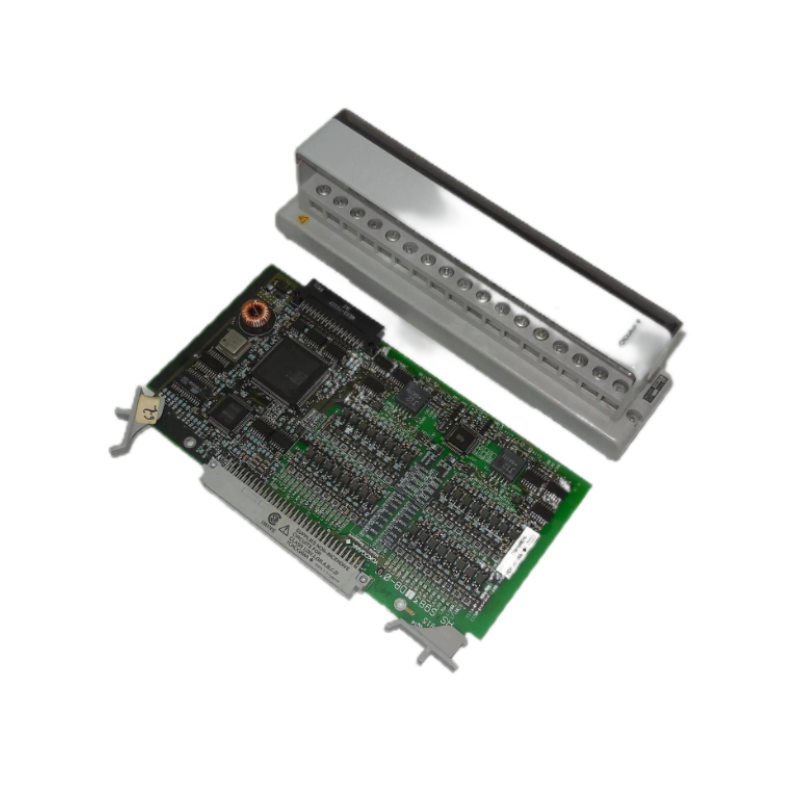
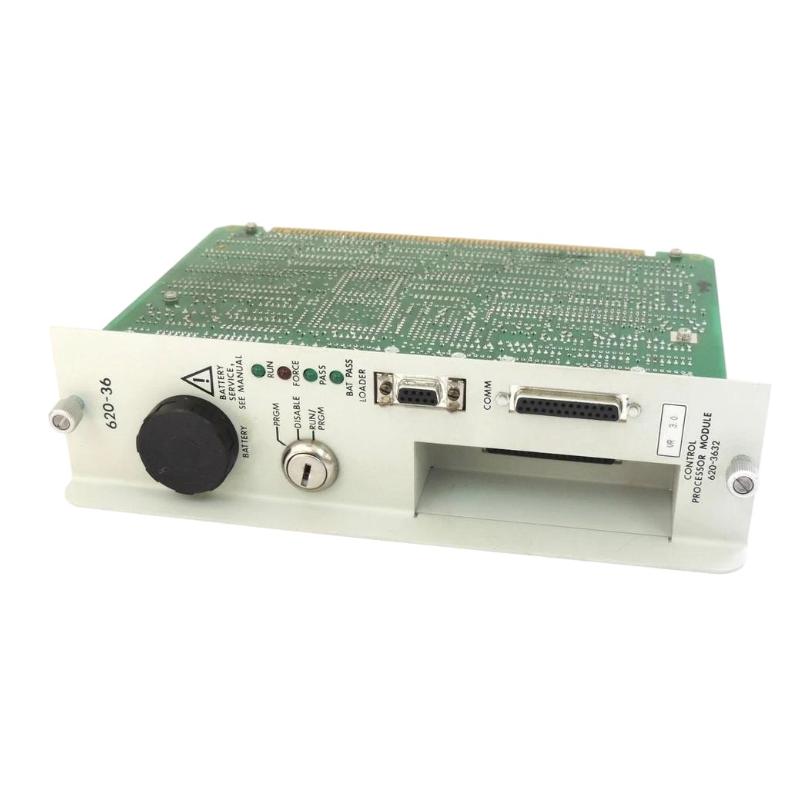
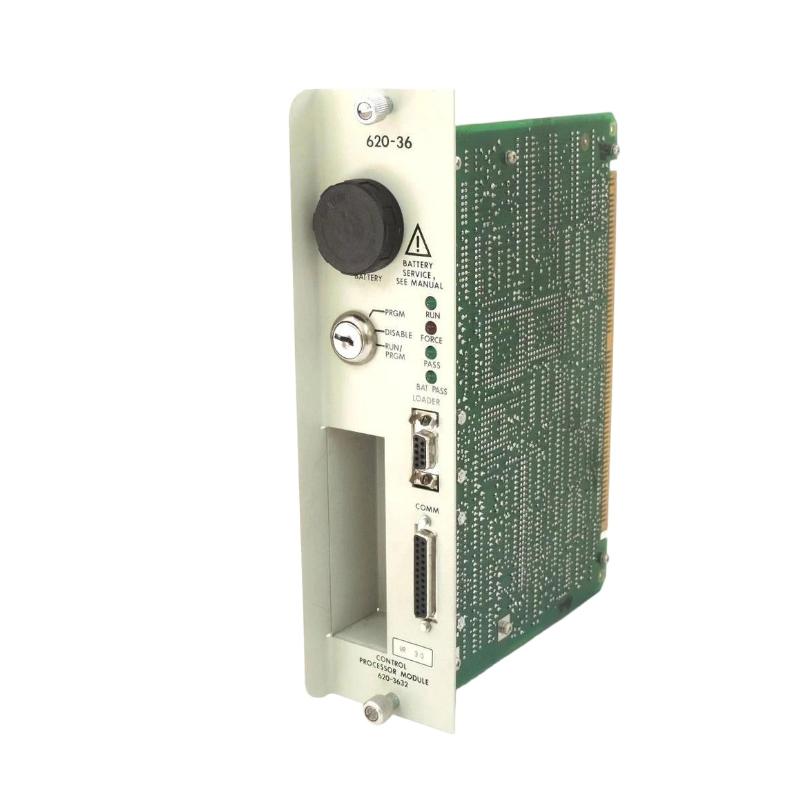
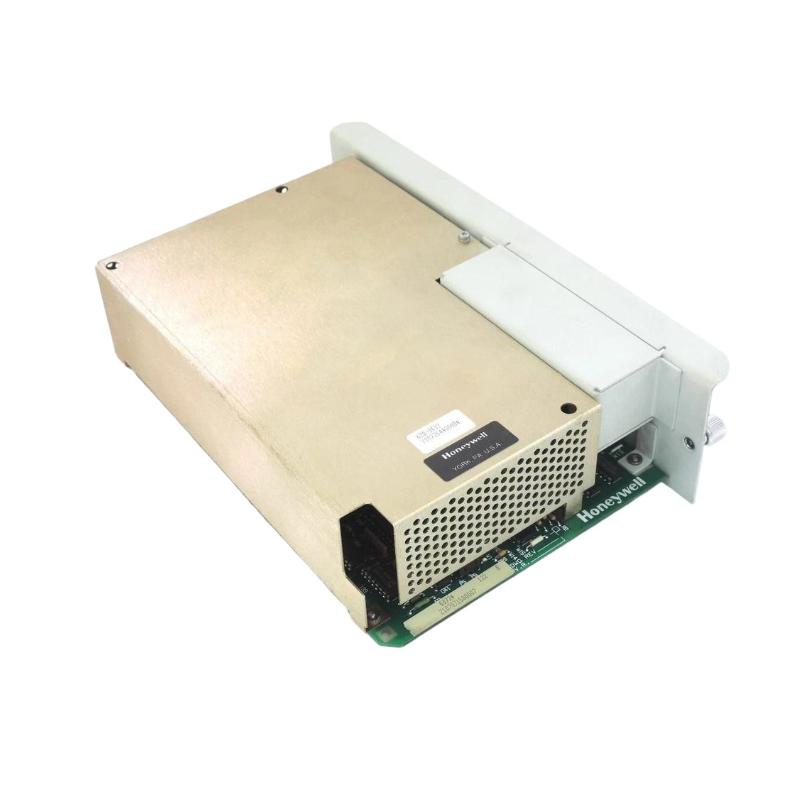
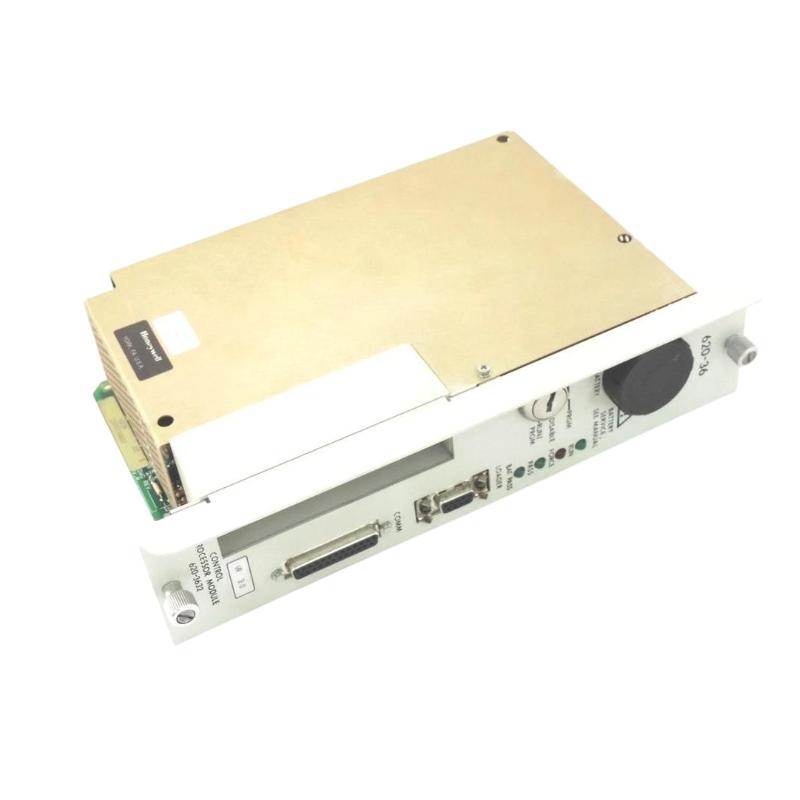
The Honeywell 620-3632 Control Processor Module is a legacy industrial control unit designed for IPC-based automation and process control systems. It functions as the central processing component in Honeywell’s older modular control architectures, executing control logic, managing I/O operations, and coordinating system-level automation tasks.
This module is widely recognized for its use in discontinued but still operational legacy Honeywell control systems, where long-term plant stability and system continuity remain critical.
Technical Specifications
| Parameter | Details |
|---|
| Product Type | Control Processor Module |
| Part Number | 620-3632 |
| System Platform | Honeywell IPC / legacy control systems |
| Processor Capacity | 32K memory architecture |
| Function | Central control logic execution |
| I/O Handling Capacity | Up to ~2040 I/O points (system dependent) |
| Memory Type | Program retention memory |
| Communication | System backplane integration |
| Power Requirements | System rack powered |
| Installation Type | Rack-mounted control module |
| Weight | Approx. 0.5–2.0 kg (variant dependent) |
| Operating Environment | Industrial control cabinets |
Application Scenarios
The 620-3632 module is commonly used in long-life industrial installations such as:
-
Industrial automation systems (legacy IPC platforms)
-
Process control plants
-
Power generation control systems
-
Water treatment and utilities infrastructure
-
HVAC and building automation systems
-
Manufacturing line control systems
-
Retrofitted or hybrid automation environments
It is especially valuable in facilities where full system replacement is not feasible, and legacy control continuity is required.
Technical FAQs
1. What is the main function of this module?
It acts as the central processor executing control logic in IPC systems.
2. Is it still manufactured?
No, it is considered a legacy or discontinued module but still widely used.
3. What systems use it?
Honeywell IPC and older distributed control architectures.
4. What is its memory capacity?
It is based on a 32K control processing architecture.
5. What industries still use it?
Oil & gas, power generation, water treatment, and manufacturing.
6. Can it be replaced with modern PLCs?
Yes, but replacement typically requires system migration engineering.
7. Is it modular?
Yes, it is designed for rack-based modular control systems.
8. Does it support networking?
Limited by modern standards; depends on system configuration.
9. What is its maintenance requirement?
Low, but spare parts availability is limited due to legacy status.
10. Why is it still used today?
Because many industrial plants still rely on long-life control infrastructure.
 A DCS Q Co., Ltd. - PLC and DCS Industrial Control Equipment Wholesale