Product Introduction
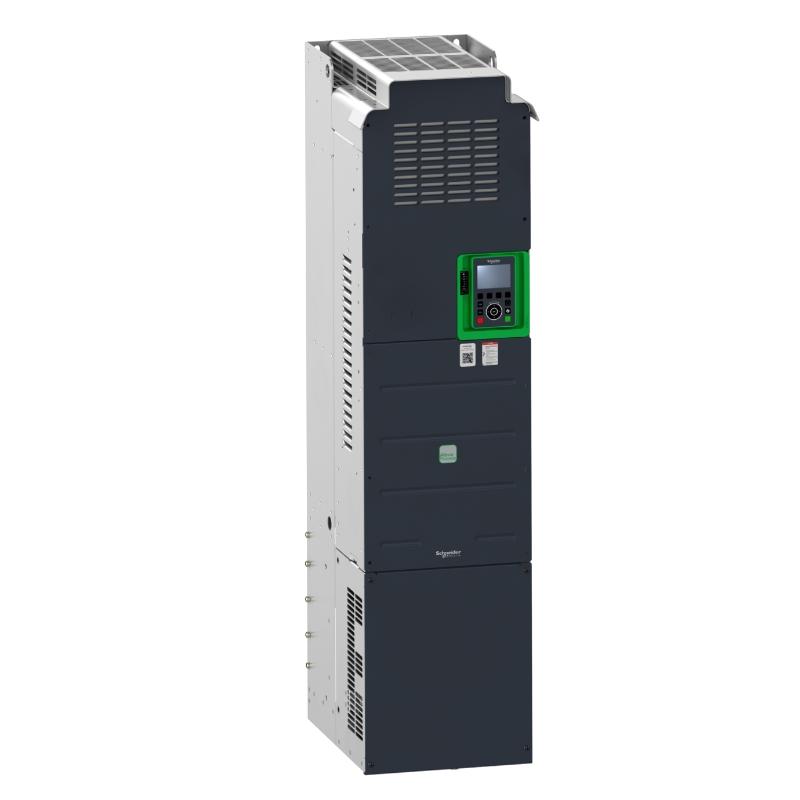
The Schneider ATV930C11N4 is part of the Altivar Process platform, designed for modern industrial environments where automation and data-driven control are essential. Unlike traditional variable speed drives, it functions as both a motor controller and a process optimization node.
Its architecture supports advanced communication, real-time monitoring, and energy efficiency strategies, making it suitable for industries transitioning toward digitalized production systems. It is particularly strong in applications requiring continuous operation and system-wide coordination.
From an engineering perspective, the ATV930C11N4 is chosen for its ability to unify performance, diagnostics, and connectivity in a single industrial drive platform.
Technical Specifications
| Parameter | Specification |
|---|
| Product Type | Variable Speed Drive |
| Model | ATV930C11N4 |
| Series | Altivar Process ATV900 |
| Motor Power | 110 kW / 150 HP |
| Input Voltage | 380–480 V AC |
| Phase | 3 Phase |
| Line Current | ~165–201 A depending on load |
| Output Current | 173–211 A (normal/heavy duty) |
| Output Frequency | 0.1–500 Hz (up to ~599 Hz) |
| Control Modes | V/F, SFVC, FVC |
| Communication | Ethernet/IP, Modbus TCP, Modbus serial |
| Safety Functions | STO, Safe Stop functions |
| EMC Filter | Integrated |
| Protection Rating | IP21 |
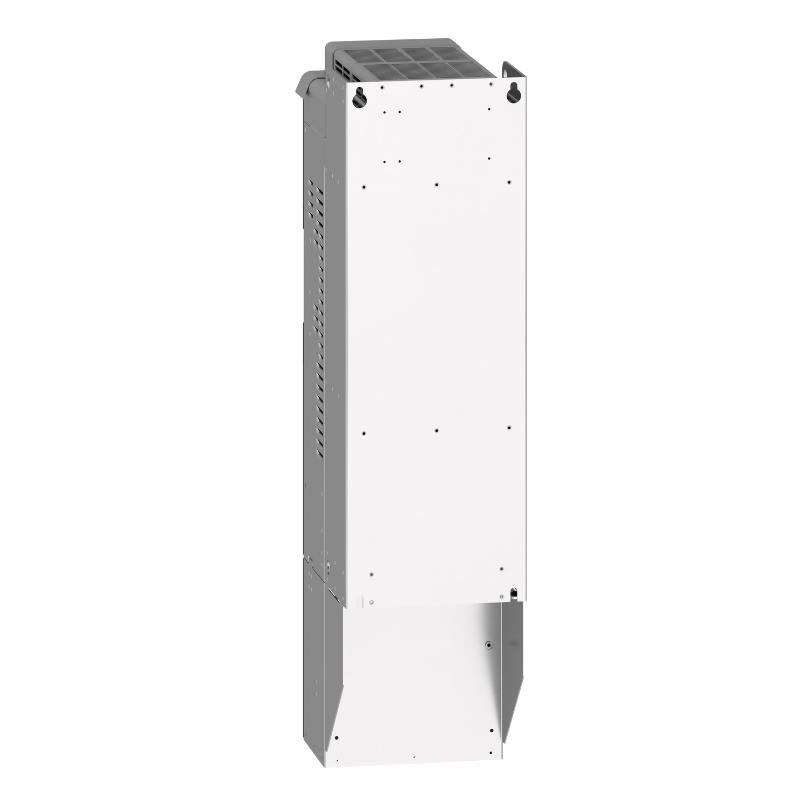
| Mounting Type | Wall Mount |
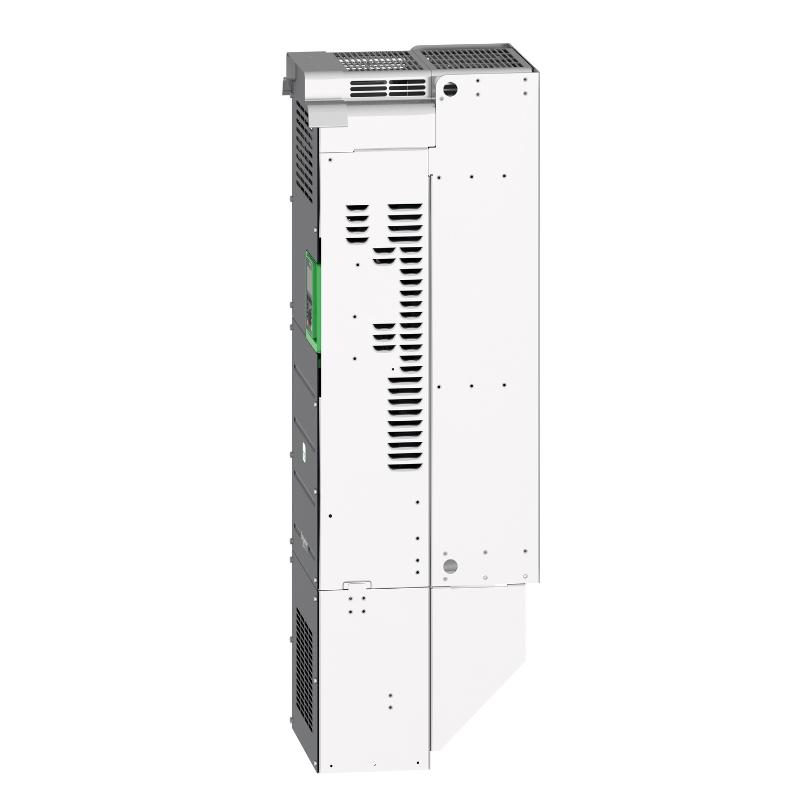
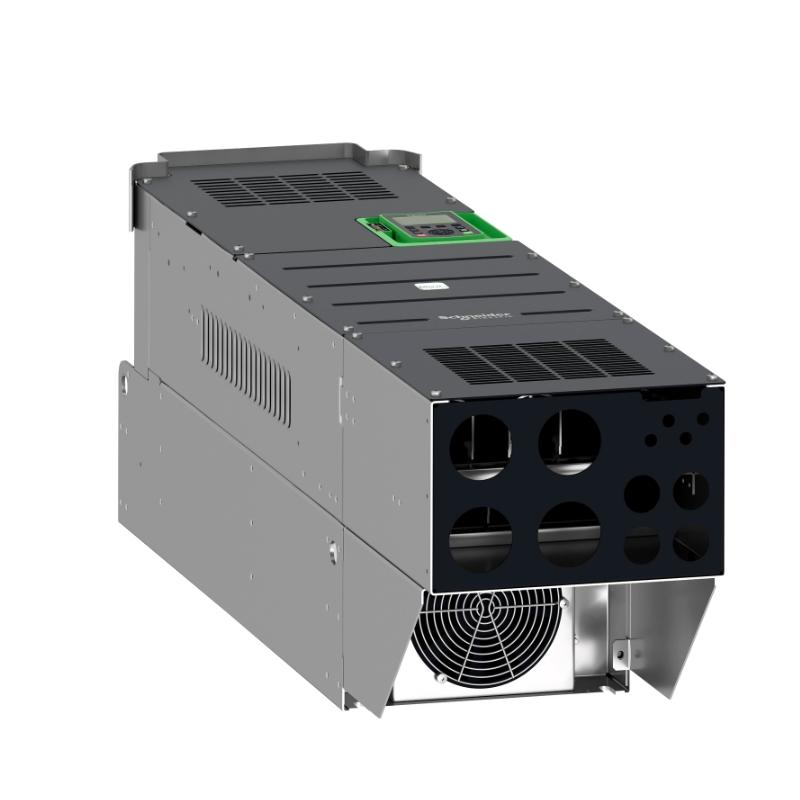
| Dimensions | 1205 × 320 × 393 mm |
| Weight | 104 kg(229.28 lb) |
Industrial Application Overview
The Schneider ATV930C11N4 Variable Speed Drive belongs to the Altivar Process ATV900 series, designed for high-performance industrial automation where process control, energy optimization, and system connectivity are critical. It is typically applied in:
-
Water and wastewater treatment plants
-
Oil & gas processing systems
-
Large HVAC and building infrastructure
-
Mining and mineral handling systems
-
Heavy-duty pumps and compressors
-
Complex conveyor and production lines
Unlike standard VFDs, this model is engineered for process-centric control environments where continuous monitoring and communication are essential for operational efficiency.
Engineering Value in Real Industrial Systems
The ATV930C11N4 focuses on integrating motor control with digital process intelligence, making it suitable for Industry 4.0 environments.
Key advantages
-
110 kW / 150 HP high-performance motor control (400 V class)
-
Advanced process control algorithms for pump and fan optimization
-
Integrated Ethernet-based communication (Modbus TCP, Ethernet/IP)
-
Sensorless and closed-loop vector control for high torque precision
-
Wide output frequency range up to 500–599 Hz
-
Integrated EMC filtering for industrial network stability
-
High overload capability for demanding transient conditions
-
Built-in safety functions (including STO and Safe Stop options)
-
Designed for predictive maintenance and energy monitoring systems
In practice, this drive is often selected not only for motor control but also for its ability to provide real-time operational data to higher-level automation systems.
Technical FAQs
1. What is the power rating of this drive?
It supports 110 kW (150 HP) motors in normal duty applications.
2. What voltage range does it operate on?
It operates on 380–480 V three-phase supply systems.
3. Does it support Ethernet communication?
Yes, it supports Ethernet/IP and Modbus TCP for industrial networking.
4. What is the maximum output frequency?
It supports output frequencies up to approximately 500 Hz.
5. Does it support vector control?
Yes, both sensorless and closed-loop vector control modes are available.
6. Is it suitable for pump and fan applications?
Yes, it includes dedicated process control functions optimized for pumps and HVAC systems.
7. Does it include safety functions?
Yes, it supports functions such as Safe Torque Off (STO) and Safe Stop features.
8. Can it integrate into SCADA systems?
Yes, it is designed for full SCADA and PLC integration via Ethernet protocols.
9. What type of motors are supported?
It supports both synchronous and asynchronous industrial motors.
10. What makes it different from standard VFDs?
It combines motor control with process data analytics, enabling predictive maintenance and energy optimization.
 A DCS Q Co., Ltd. - PLC and DCS Industrial Control Equipment Wholesale