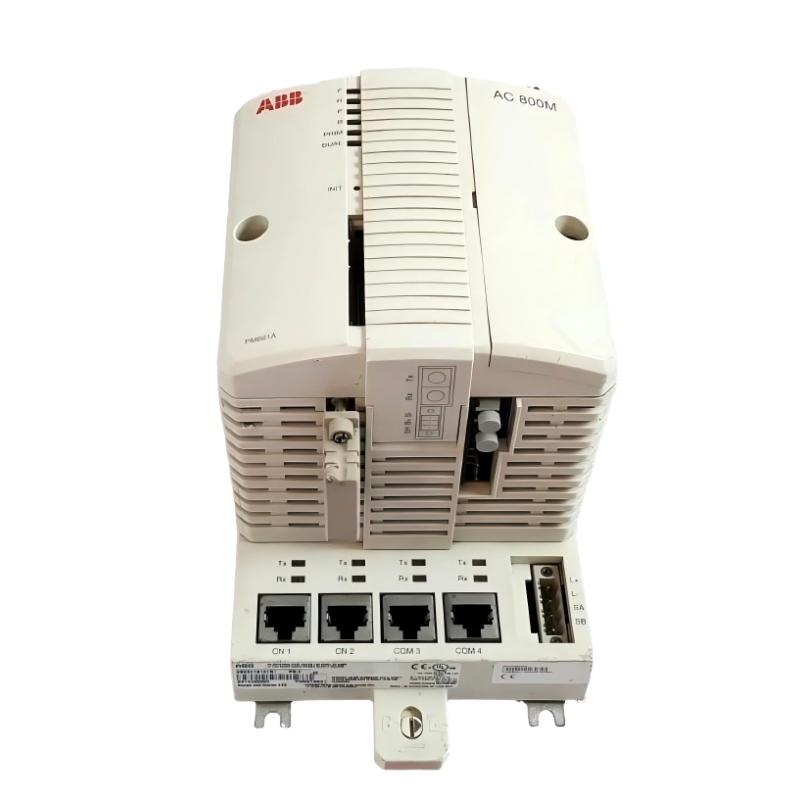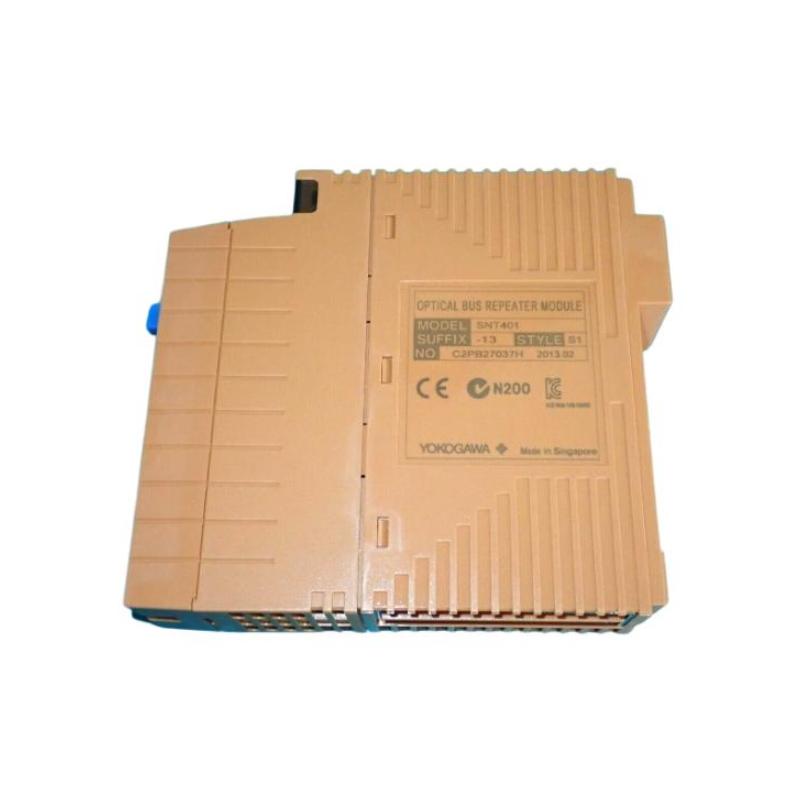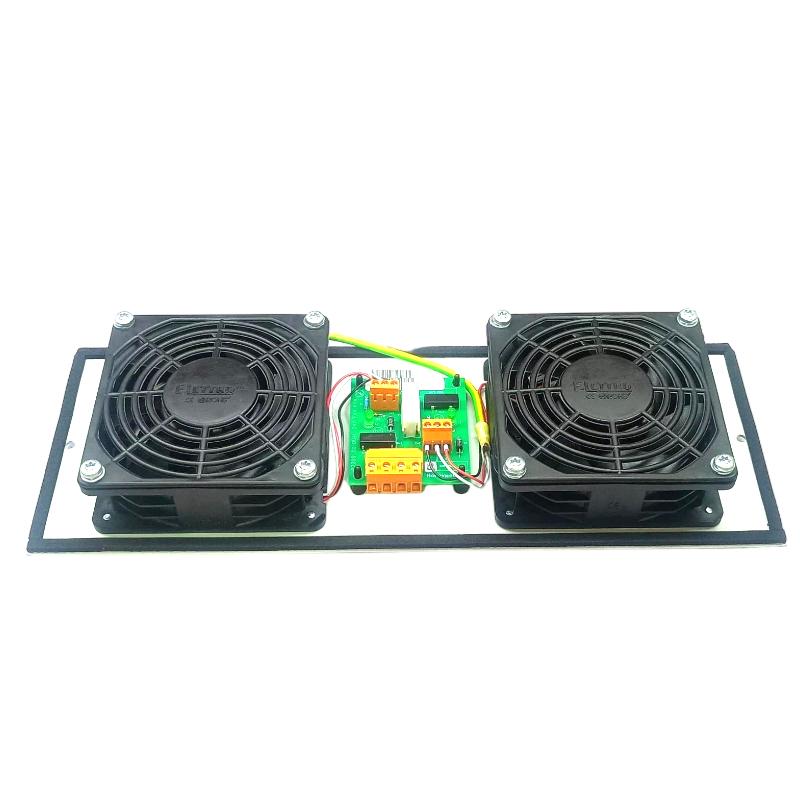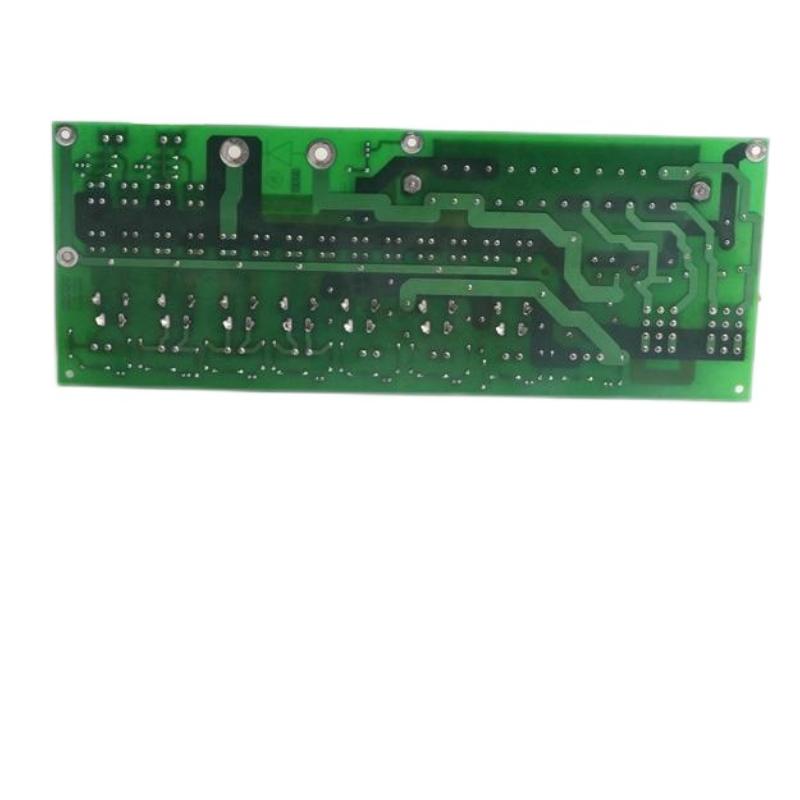
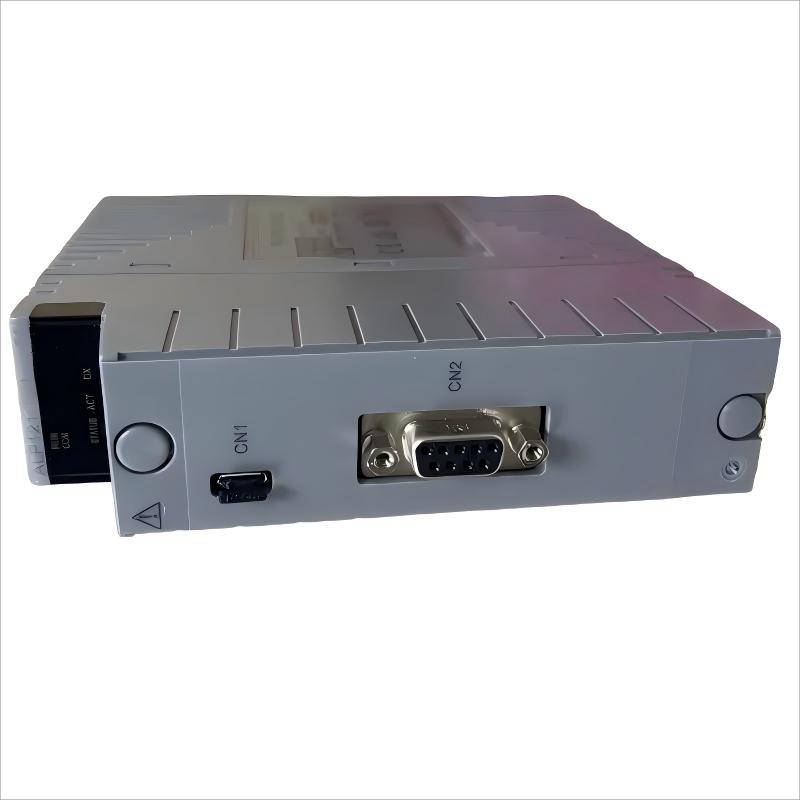
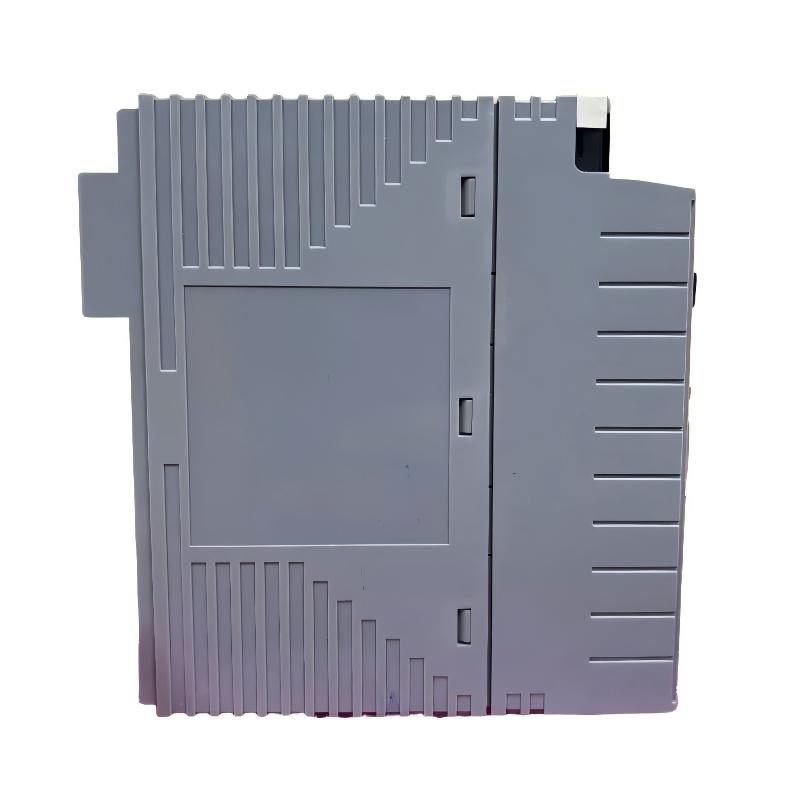
Product Introduction
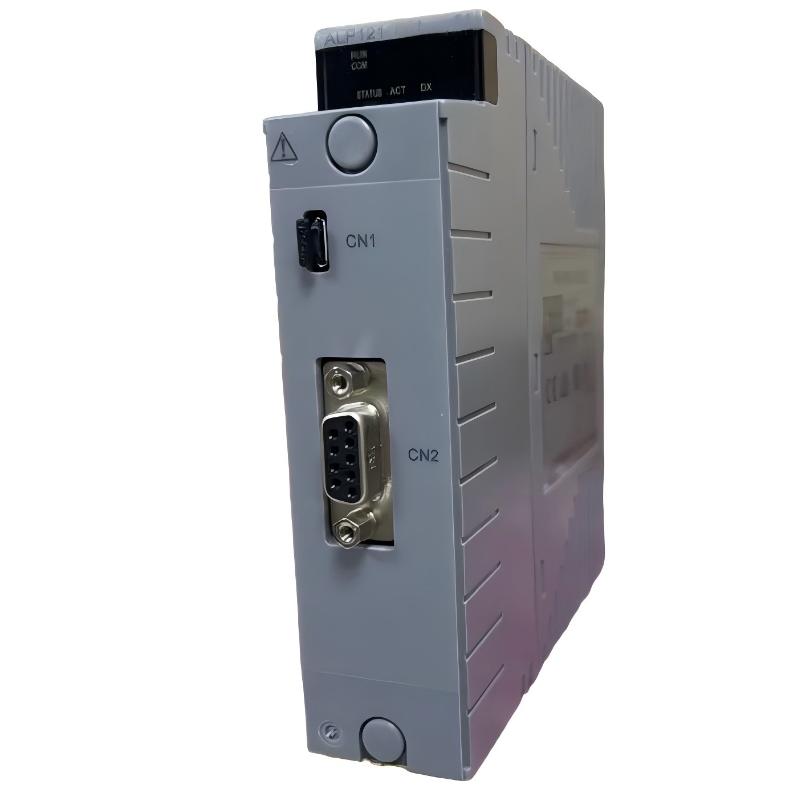
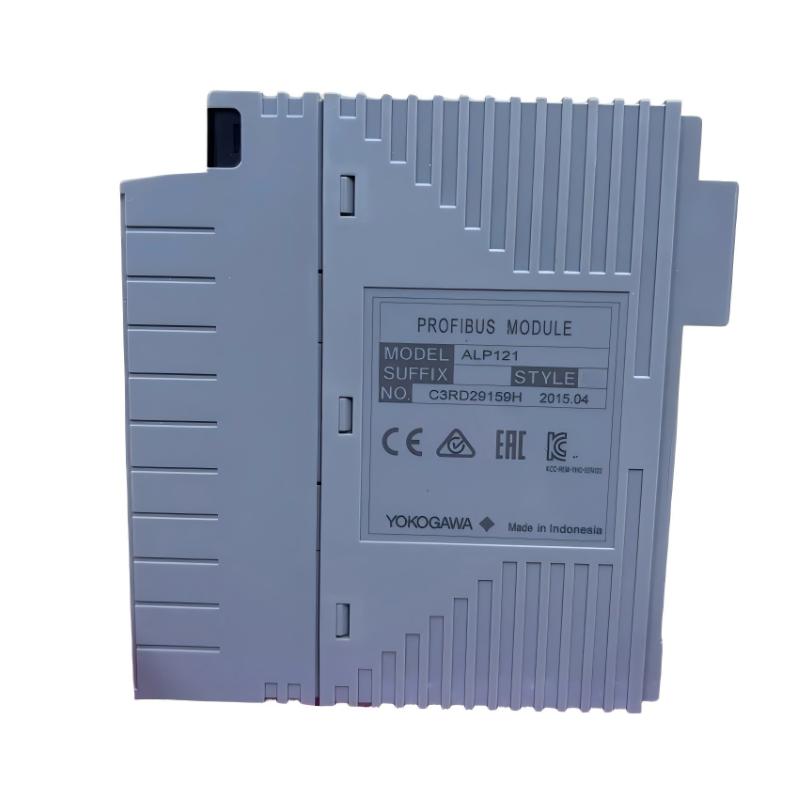
The Yokogawa ALP121 Communication Module is a high-performance industrial communication device that provides reliable connectivity between controllers, operator stations, and field devices. Its industrial-grade durability, modular design, and seamless DCS integration make it ideal for stable and efficient process automation.
Suitable for new installations, expansions, or retrofits, the ALP121 ensures accurate data transfer, operational reliability, and robust communication in demanding industrial environments.
Technical Specifications
| Parameter | Specification |
|---|
| Product Name | Yokogawa ALP121 |
| Module Type | Communication Module |
| Primary Function | Reliable communication between DCS controllers, operator stations, and field devices |
| System Compatibility | Yokogawa CENTUM VP / DCS platforms |
| Communication Protocol | Standard industrial communication protocols |
| Installation | Modular plug-in for DCS racks |
| Environmental Resistance | Industrial-grade durability, vibration and temperature resistant, EMI shielding |
| Dimensions | 121 × 130.5 × 32.8 mm |
| Weight | 0.3 kg (0.6614 lb) |
Efficient Communication for Industrial Automation
The Yokogawa ALP121 Communication Module is designed to provide reliable and high-performance communication between distributed control system (DCS) controllers, operator stations, and field devices. Built for industrial environments, it ensures accurate data transfer, real-time monitoring, and seamless integration into complex automation networks.
Typical Applications
-
Controller-to-operator workstation communication in DCS networks
-
Data networking for chemical and petrochemical plants
-
Power generation process monitoring and control
-
Water and wastewater treatment automation
-
Pharmaceutical process control systems
-
Oil and gas instrumentation networks
-
Pulp and paper plant control and monitoring
The ALP121 ensures stable connectivity and efficient data flow, supporting reliable process automation.
Key Advantages
High-Speed Industrial Communication
Enables rapid data transfer across DCS networks, reducing latency and improving process responsiveness.
Reliable and Durable
Industrial-grade design resists vibration, temperature fluctuations, and electromagnetic interference (EMI).
Seamless DCS Integration
Fully compatible with Yokogawa CENTUM VP and other DCS platforms for streamlined operation.
Flexible Deployment
Supports multiple device connections and complex network configurations.
Easy Maintenance
Modular design allows simple installation, replacement, and troubleshooting.
Enhanced Process Reliability
Stable and precise communication ensures accurate monitoring and efficient process control.
Technical FAQs
1. What is the primary function of the ALP121?
It provides reliable communication between DCS controllers, operator stations, and field devices.
2. Can it handle real-time industrial data traffic?
Yes. Optimized for high-speed, low-latency communication suitable for real-time process control.
3. Is it compatible with Yokogawa DCS systems?
Yes. Fully integrates with Yokogawa CENTUM VP and other distributed control systems.
4. Can it support multiple field devices on the network?
Yes. Supports multiple device connections depending on network design and system requirements.
5. Is it suitable for harsh industrial environments?
Yes. Designed to withstand vibration, temperature changes, and EMI interference.
6. How does it improve process reliability?
By providing stable, accurate, and consistent communication between devices and controllers.
7. Can it be used for retrofitting existing installations?
Yes. Its modular design allows integration into existing plant networks.
8. Is installation straightforward?
Yes. Plug-in modular design simplifies installation and replacement.
9. Can multiple ALP121 modules be deployed in a network?
Yes. Supports scalable network deployment for complex automation systems.
10. Does it support standard industrial communication protocols?
Yes. Compatible with widely used industrial communication protocols in DCS networks.
 A DCS Q Co., Ltd. - PLC and DCS Industrial Control Equipment Wholesale