Applications in Distributed Control Systems
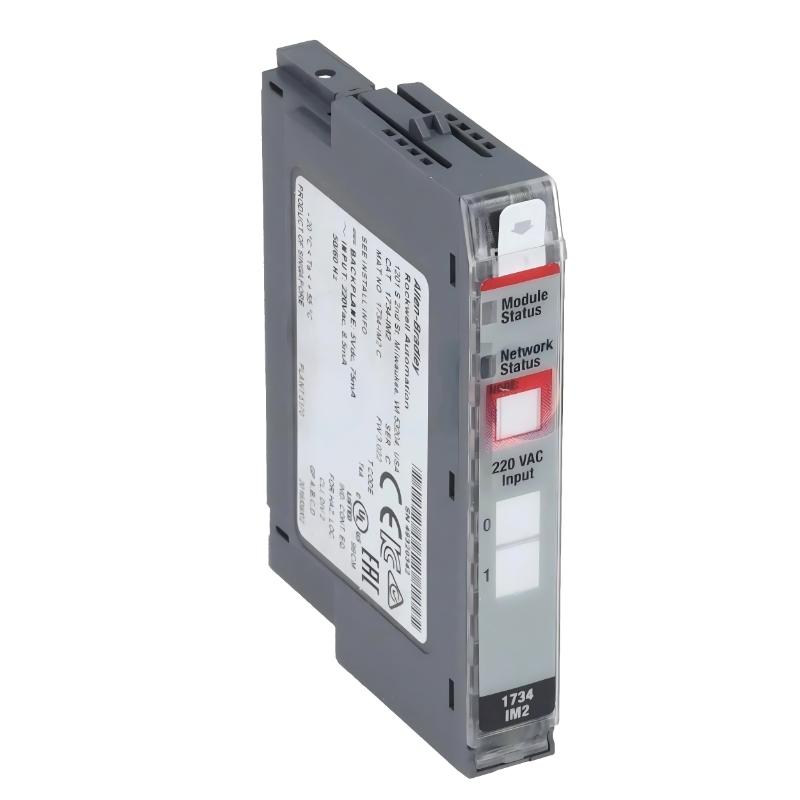
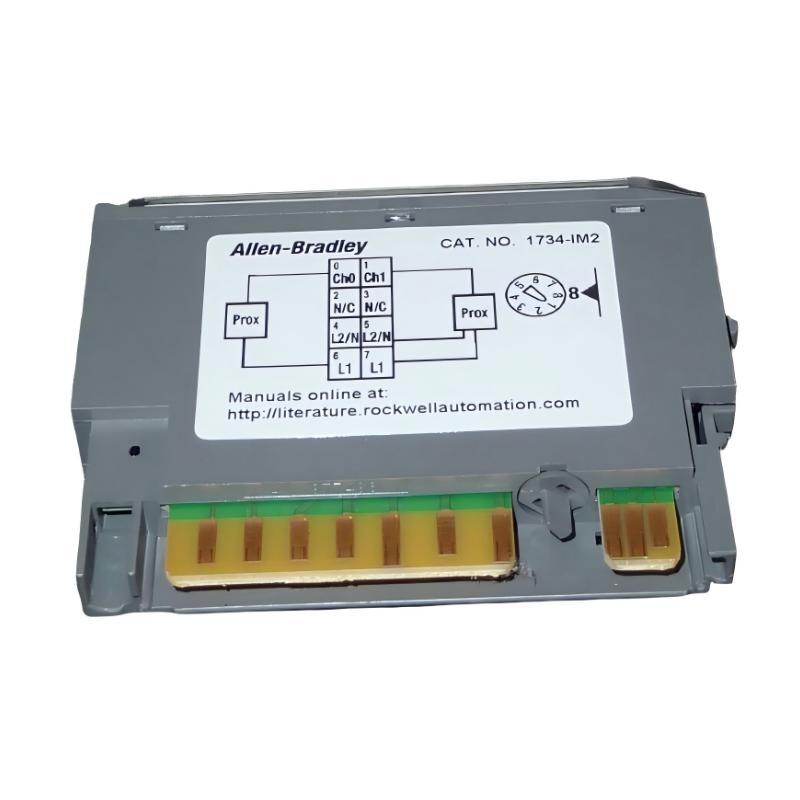
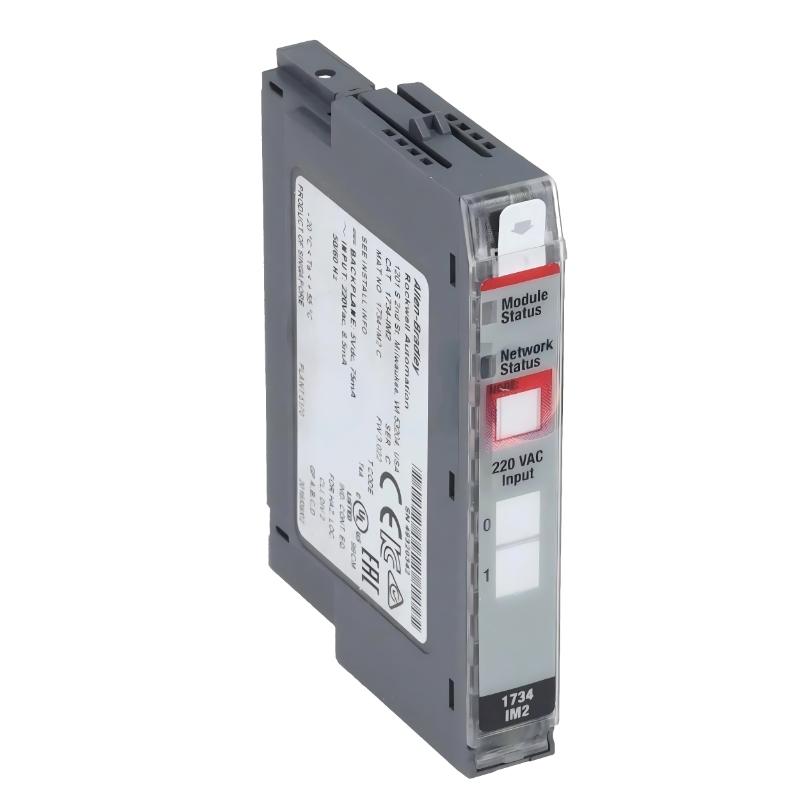
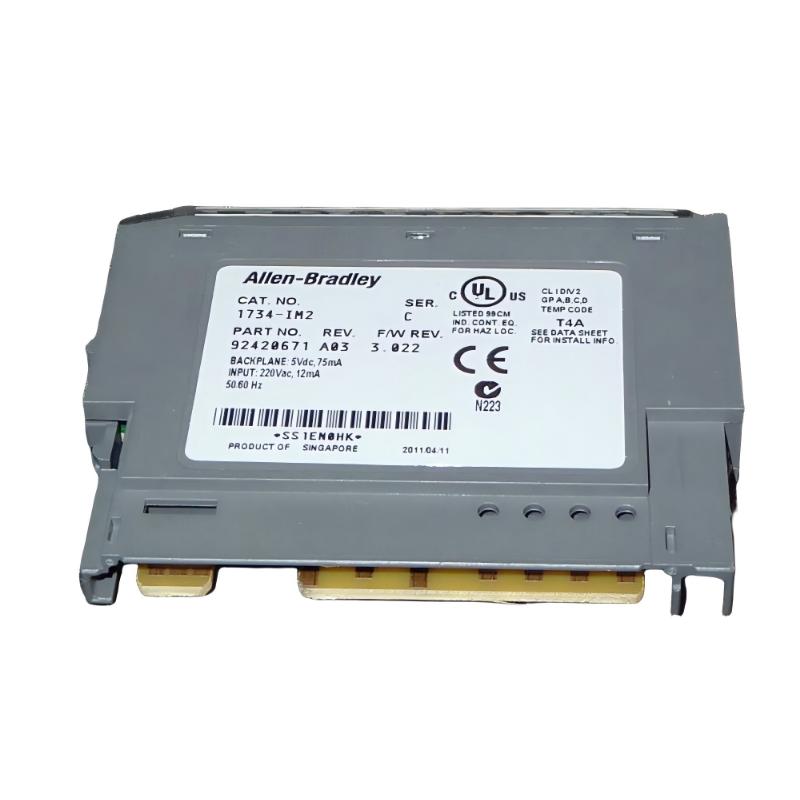
The Allen Bradley 1734-IM2 Numeric Input Module is designed to facilitate the integration of numeric input signals into Allen Bradley’s ControlLogix and CompactLogix systems. This module is ideal for applications where numeric values are used for process control, data acquisition, and automation. It allows operators to input and process numerical data such as setpoints, thresholds, or other process parameters, providing the control system with essential information for decision-making and real-time control.
Typical deployment scenarios include:
-
Manufacturing Automation: The module is used to collect numeric data from control panels or human-machine interfaces (HMIs) in automated assembly lines, providing real-time input for adjusting machine settings or parameters.
-
HVAC Systems: In building automation, the 1734-IM2 module is deployed to input data such as temperature setpoints, pressure thresholds, and humidity levels, which are critical for controlling HVAC systems.
-
Energy Management: Used in energy monitoring systems, the module inputs data on power consumption, voltage, or current, allowing for real-time analysis and optimization of energy usage.
-
Process Control: The module is widely used in industries such as chemical, pharmaceutical, and food processing, where it captures numeric inputs from operators or sensors to adjust process parameters such as flow rates or pressure setpoints.
-
Water Treatment Plants: In water and wastewater treatment, the module receives numeric inputs from operators or monitoring systems to control various operational parameters like chemical dosing, filtration rates, and pH levels.
-
Test Equipment: In automated test setups, the 1734-IM2 module captures input data, enabling real-time control and data logging for devices under test.
By efficiently processing numeric inputs, the 1734-IM2 Numeric Input Module ensures smooth interaction between operators, sensors, and the control system, supporting accurate monitoring and control of industrial processes.
 A DCS Q Co., Ltd. - PLC and DCS Industrial Control Equipment Wholesale