System Integration Overview (Introduction)
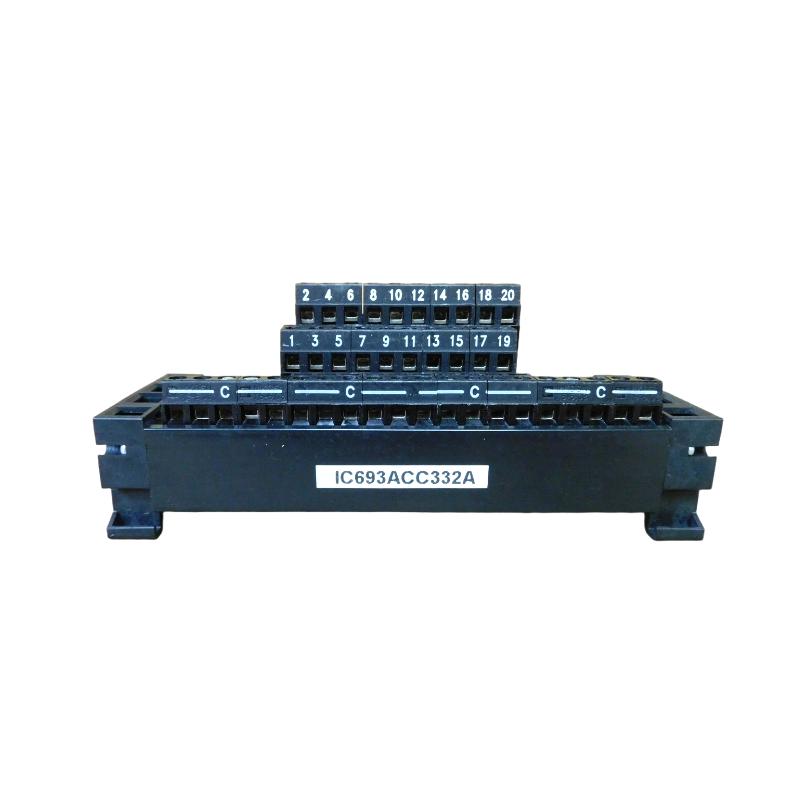
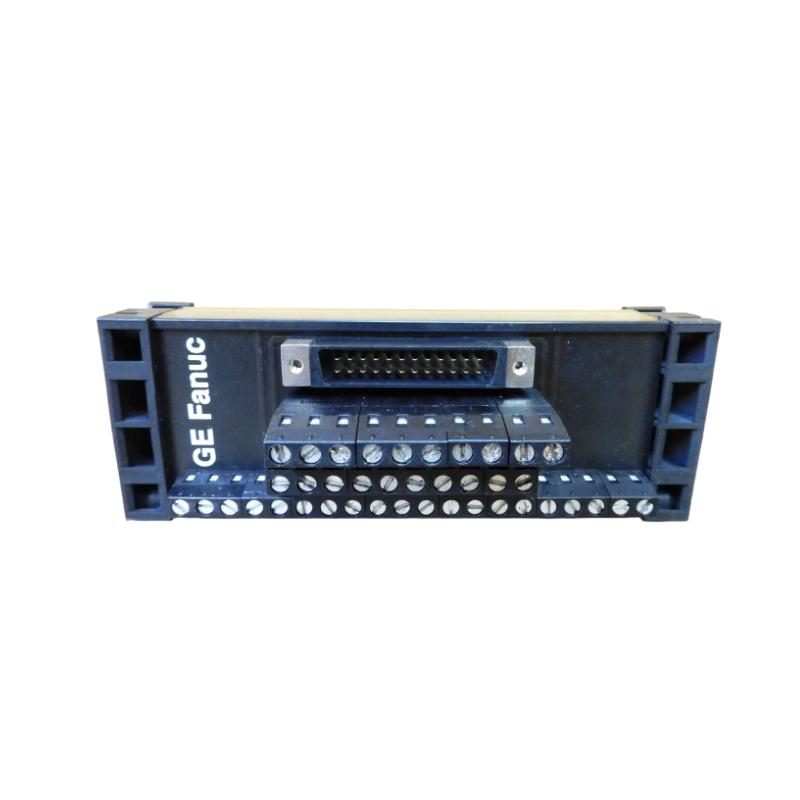
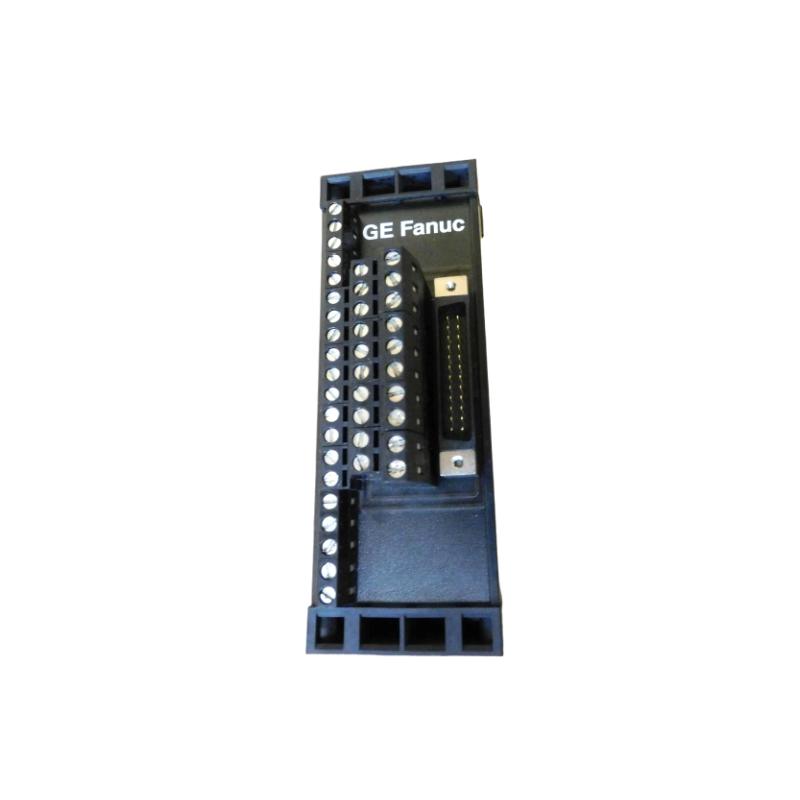
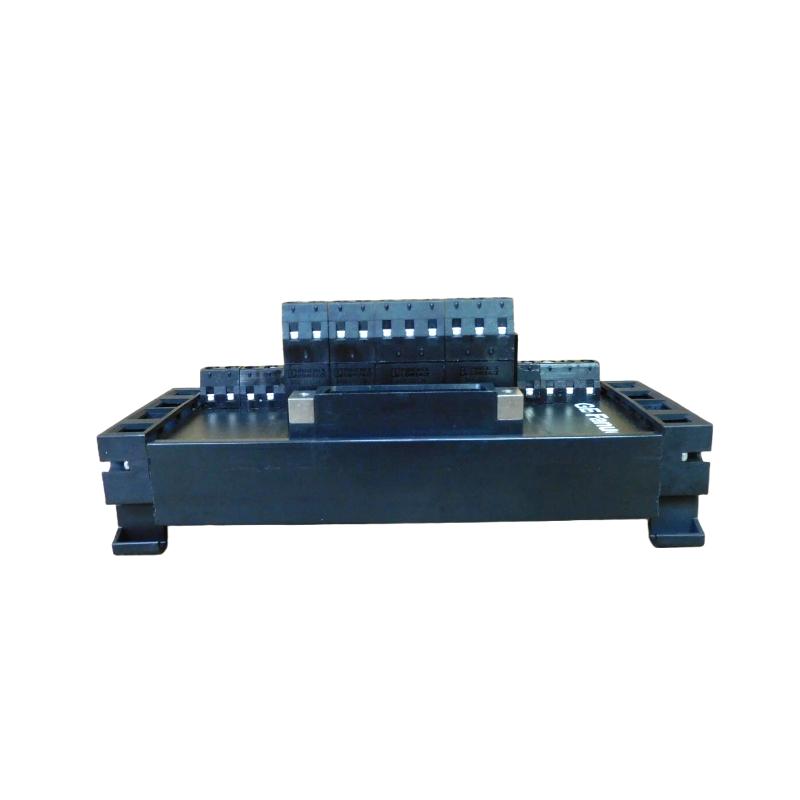
The GE IC693ACC332 TBQC Base is a structural accessory used within GE Series 90-30 PLC installations to support terminal block mounting and organized field wiring connections. It plays a role in ensuring that external signals from sensors, actuators, and other industrial devices are routed reliably into the PLC system.
In complex automation environments, maintaining a well-structured wiring layout is essential for operational reliability and efficient maintenance. The IC693ACC332 helps engineers achieve this by providing a secure mounting interface for terminal components inside control cabinets.
This component is widely used across industries where PLC systems manage large numbers of field connections and require organized, scalable wiring infrastructure.
Technical Specifications
| Specification | Details |
|---|
| Manufacturer | GE |
| Model Number | IC693ACC332 |
| Module Type | TBQC Base |
| Function | Terminal Block Mounting and Field Wiring Interface |
| System Compatibility | GE Series 90-30 PLC Systems |
| Installation | PLC Control Cabinet Integration |
| Operating Environment | Industrial Automation Systems |
| Construction | Industrial-grade structural component |
| Dimensions | 117.86 × 57 × 45 mm |
| Weight | 0.14 kg |
Field Wiring Integration Scenarios (Applications)
The GE IC693ACC332 TBQC Base is designed to support terminal block assemblies within GE Series 90-30 PLC control systems. It provides a stable mounting platform for organizing field wiring connections between PLC modules and external industrial equipment.
Typical applications include:
-
PLC control cabinets in manufacturing automation systems
-
Process control installations in chemical and petrochemical plants
-
Power generation monitoring and control systems
-
Water and wastewater treatment automation platforms
-
Industrial machinery control panels with multiple signal terminations
-
PLC system expansion projects requiring additional terminal mounting structures
In these environments, the TBQC base helps maintain structured wiring and reliable connections, improving overall system organization and long-term operational stability.
Engineering Benefits for Control System Design (Advantages)
Reliable Terminal Mounting Structure
Provides a secure base for installing terminal blocks in PLC panels.
Improved Wiring Management
Helps maintain an organized and efficient wiring layout inside control cabinets.
Designed for Series 90-30 Systems
Engineered for seamless compatibility with GE PLC platforms.
Supports Long-Term System Stability
Maintains consistent wiring connections across industrial automation systems.
Efficient During Upgrades and Maintenance
Simplifies modifications when adding or replacing field connections.
Technical Discussion Points (Technical FAQs)
-
What role does the IC693ACC332 TBQC Base serve in a PLC system?
It acts as a mounting base for terminal blocks used to connect field wiring to PLC modules.
-
Which PLC platform is this component intended for?
It is designed for GE Series 90-30 PLC systems.
-
Does the TBQC base process signals or data?
No, it functions as a structural interface rather than an electronic processing unit.
-
Why is a dedicated terminal base used in automation panels?
It improves connection reliability and organizes field wiring more effectively.
-
Can it be installed in existing PLC cabinets?
Yes, it is commonly used during retrofits and system upgrades.
-
Does it help reduce wiring complexity?
Yes, structured terminal placement improves clarity and maintenance efficiency.
-
Is the component suitable for industrial operating environments?
Yes, it is designed for installation in industrial control cabinets.
-
Can it support multiple signal terminations?
Yes, it accommodates terminal blocks used for multiple field device connections.
-
How does it assist maintenance engineers?
It provides accessible and organized wiring points for inspection and troubleshooting.
-
What is the primary advantage of using TBQC bases in PLC systems?
They enhance wiring stability, cabinet organization, and serviceability.
 A DCS Q Co., Ltd. - PLC and DCS Industrial Control Equipment Wholesale