Product Introduction
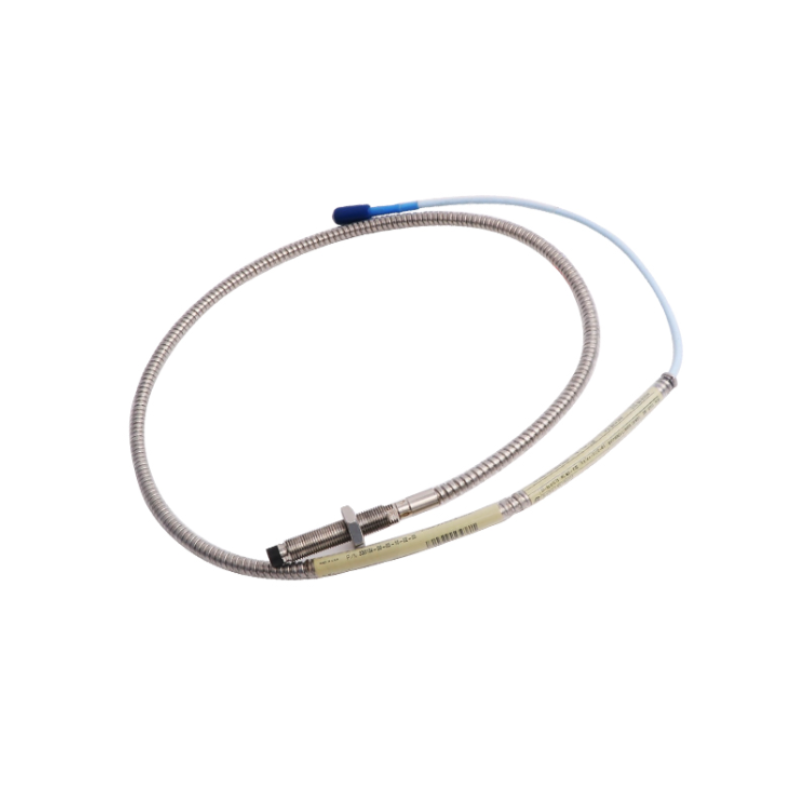
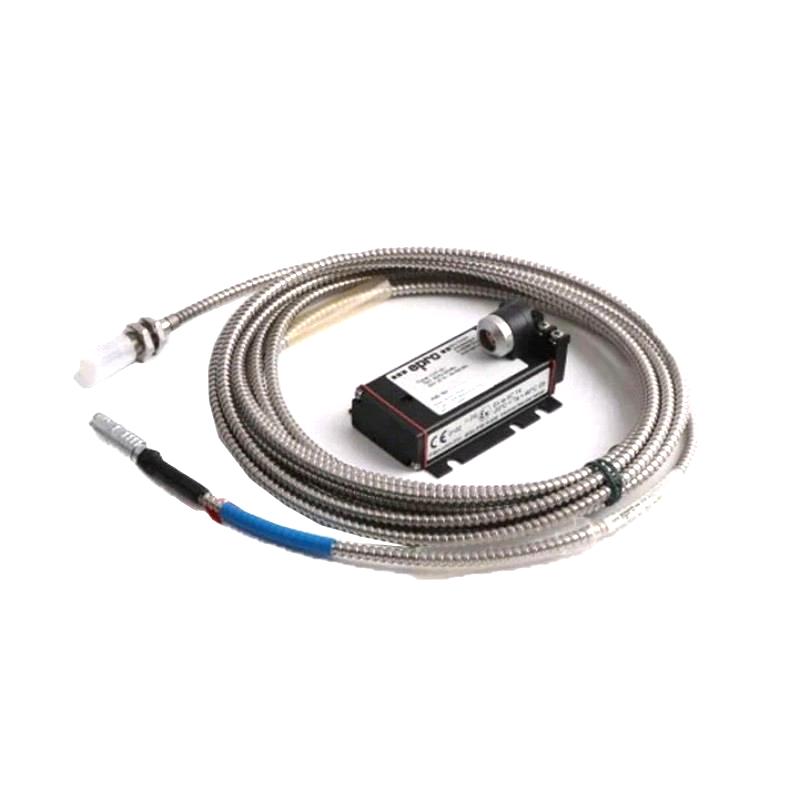
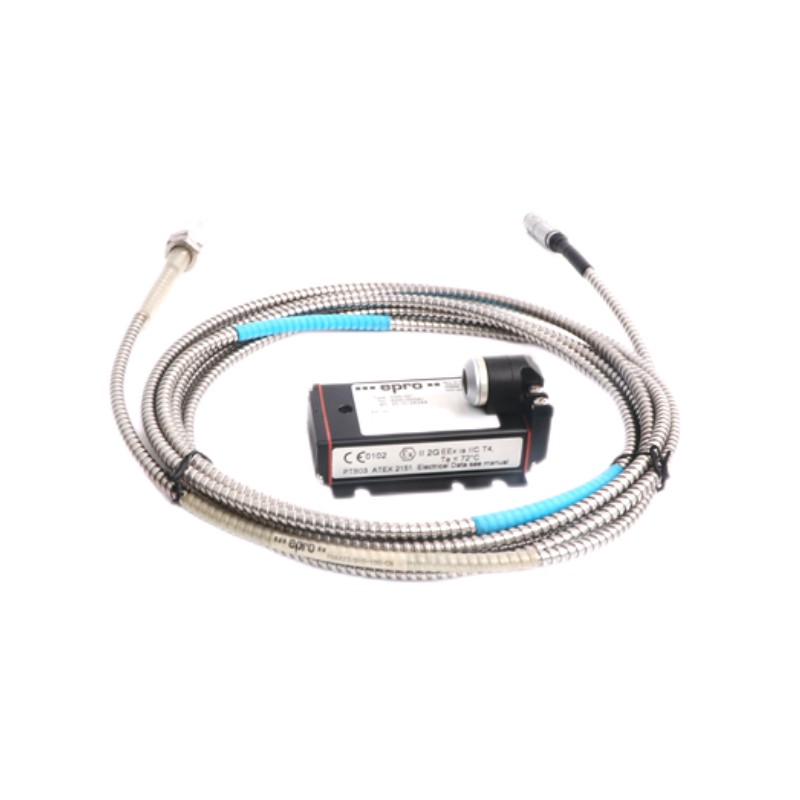
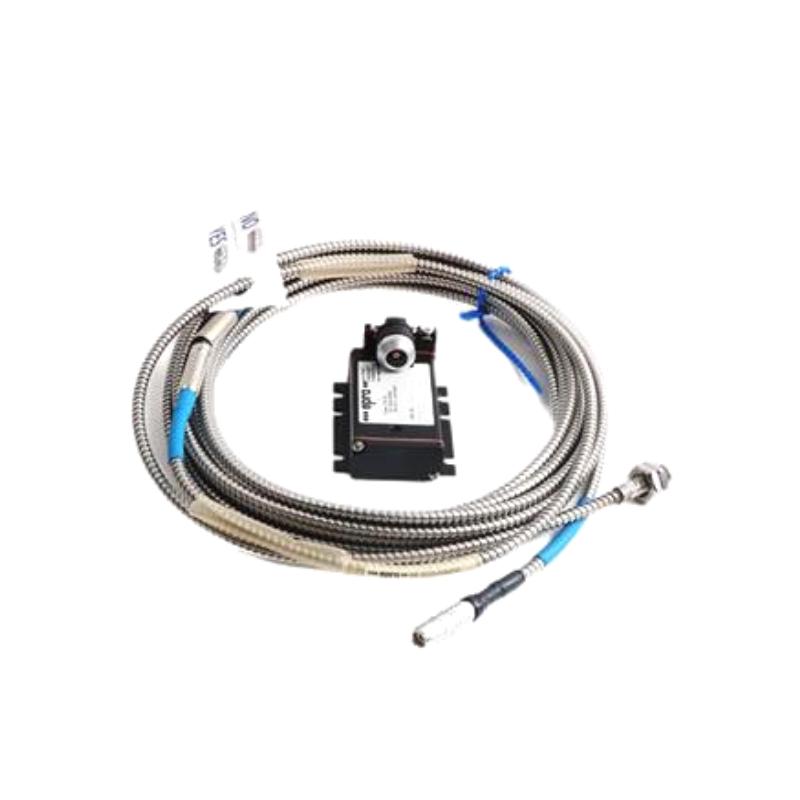
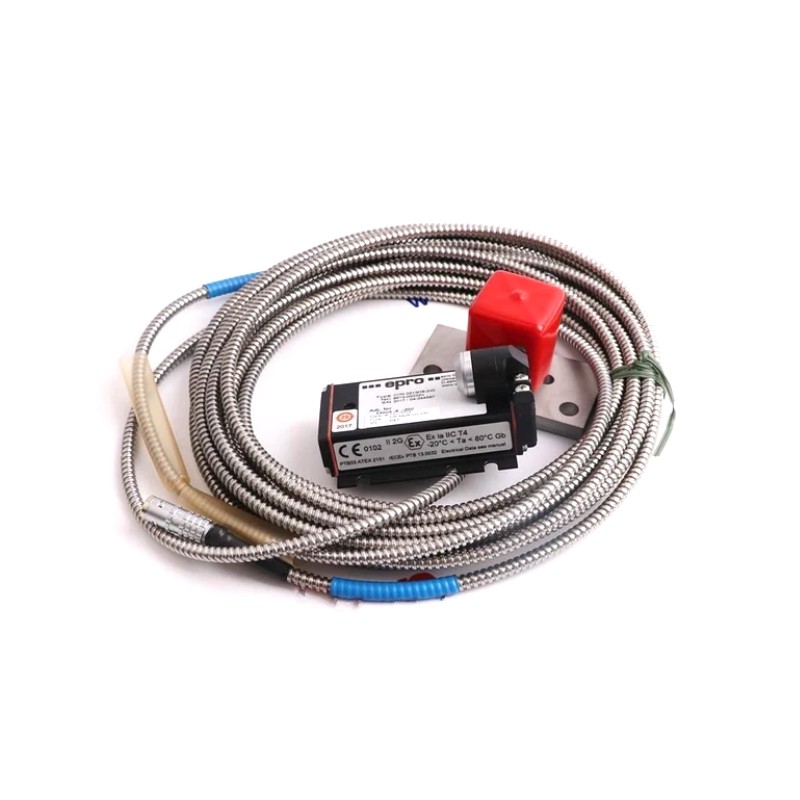
The Epro PR6423/002-030 Eddy Current Sensor is designed for precise, non-contact measurement of shaft displacement and vibration in rotating machinery. Its 8 mm sensor head allows installation in compact mechanical spaces without sacrificing measurement accuracy.
Using eddy current technology, this sensor provides reliable and stable readings while reducing mechanical wear. It is commonly integrated into machinery protection and predictive maintenance systems in turbines, compressors, pumps, and other critical industrial equipment. By enabling early detection of mechanical anomalies, the sensor helps operators optimize maintenance schedules, prevent unplanned downtime, and maintain operational efficiency.
Technical Specifications
| Specification | Details |
|---|
| Manufacturer | Epro |
| Model | PR6423/002-030 |
| Module Type | Eddy Current Sensor |
| Sensor Technology | Eddy Current Measurement |
| Sensor Head Diameter | 8 mm |
| Measurement Type | Non-contact Shaft Displacement / Vibration |
| Application | Rotating Machinery Monitoring |
| Operating Environment | Industrial Automation and Turbomachinery |
| Dimensions | Standard Industrial Probe Design |
| Weight | 0.1 kg |
Industrial Application Scenarios
The Epro PR6423/002-030 is a high-precision eddy current sensor designed for non-contact measurement of shaft displacement and vibration in rotating machinery. With an 8 mm sensor head diameter, it is ideal for installations in compact monitoring locations while maintaining measurement accuracy for critical machinery protection.
Typical applications include:
-
Turbine monitoring in power generation plants
-
Compressor shaft vibration measurement in petrochemical and oil & gas facilities
-
Pump condition monitoring in chemical and process industries
-
Rotating machinery diagnostics in refineries
-
Industrial machinery protection systems in manufacturing facilities
-
Predictive maintenance platforms for high-value industrial equipment
The sensor provides accurate, real-time data that supports early detection of misalignment, imbalance, or excessive vibration, enabling preventive maintenance and reducing unplanned downtime.
Operational Advantages
High-Precision Shaft Monitoring
Detects subtle changes in shaft position and vibration, ensuring reliable machine diagnostics.
Non-Contact Measurement Technology
Eddy current sensing allows measurement without mechanical contact, reducing wear and increasing operational lifespan.
Reliable Performance in Industrial Environments
Maintains accuracy in environments with vibration, electrical interference, and temperature variations.
Compact 8 mm Probe Design
The small sensor head enables flexible installation in restricted mechanical spaces.
Supports Continuous Monitoring Systems
Suitable for 24/7 machinery protection and predictive maintenance applications.
Technical FAQs
1. What is the main function of the PR6423/002-030 sensor?
It measures shaft displacement and vibration in rotating machinery using eddy current technology.
2. Which types of machinery typically use this sensor?
Turbines, compressors, pumps, and other critical rotating equipment.
3. How does eddy current sensing work?
It generates an electromagnetic field and detects variations caused by movement of conductive surfaces, providing precise displacement measurements.
4. Can the sensor operate continuously in industrial environments?
Yes, it is designed for long-term operation in industrial machinery monitoring systems.
5. Is it suitable for high-speed shafts?
Yes, it is commonly used in high-speed turbomachinery for accurate shaft displacement monitoring.
6. Does the sensor require additional signal processing?
It is typically integrated with compatible monitoring systems or signal converters for stable output.
7. How does the sensor support predictive maintenance?
By providing continuous displacement and vibration data, it enables early detection of mechanical issues.
8. Can it perform reliably in electrically noisy environments?
Yes, the sensor is designed to operate reliably under typical industrial electromagnetic conditions.
9. Is precise alignment required during installation?
Yes, correct probe positioning is essential for accurate and stable measurement results.
10. Which monitoring systems typically use this sensor?
Machinery protection systems, vibration monitoring platforms, and industrial condition monitoring setups.
 A DCS Q Co., Ltd. - PLC and DCS Industrial Control Equipment Wholesale