Product Introduction
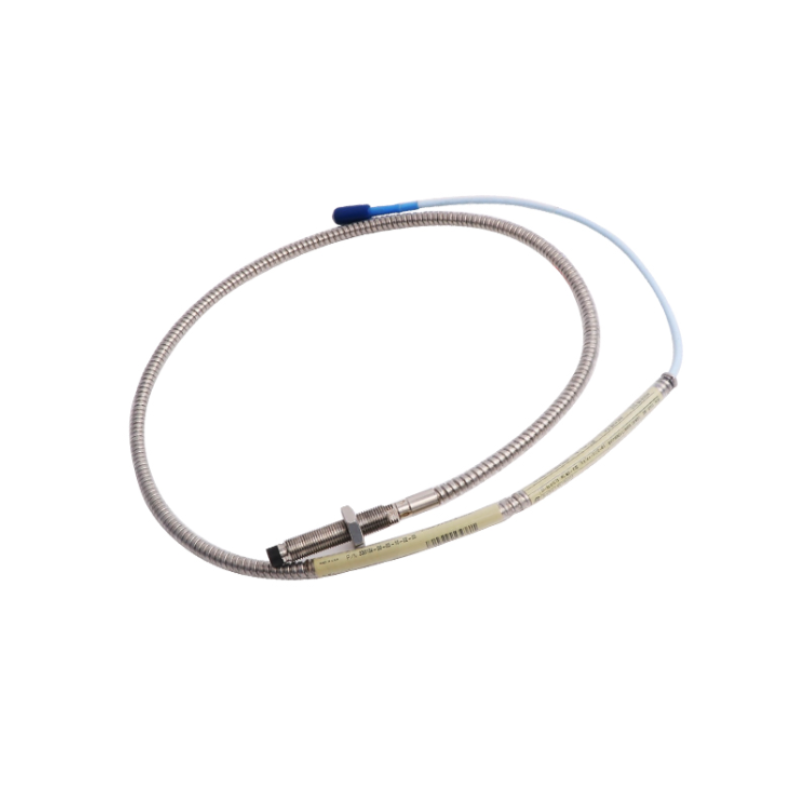
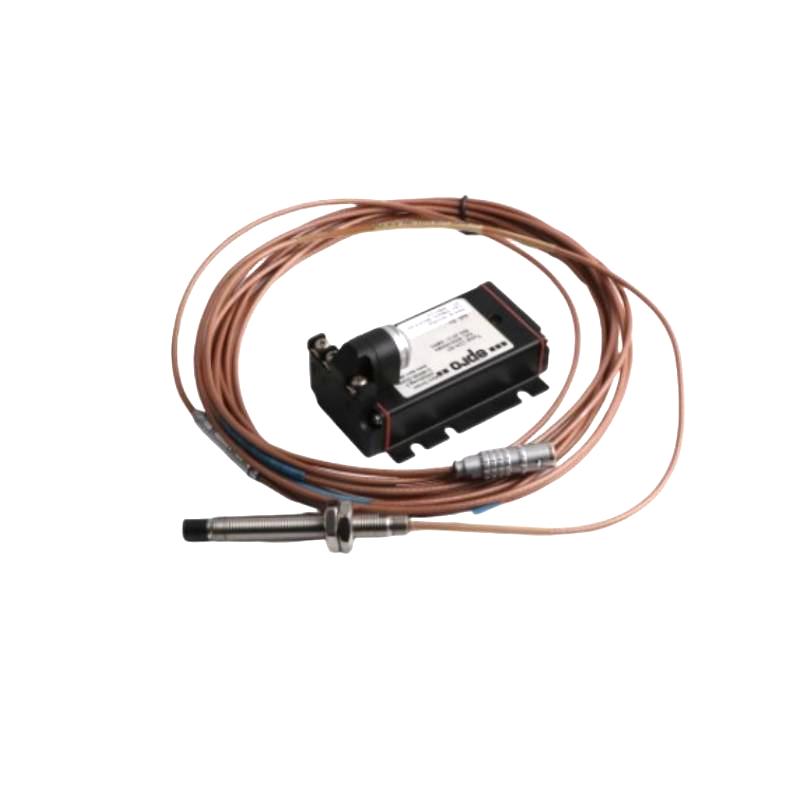
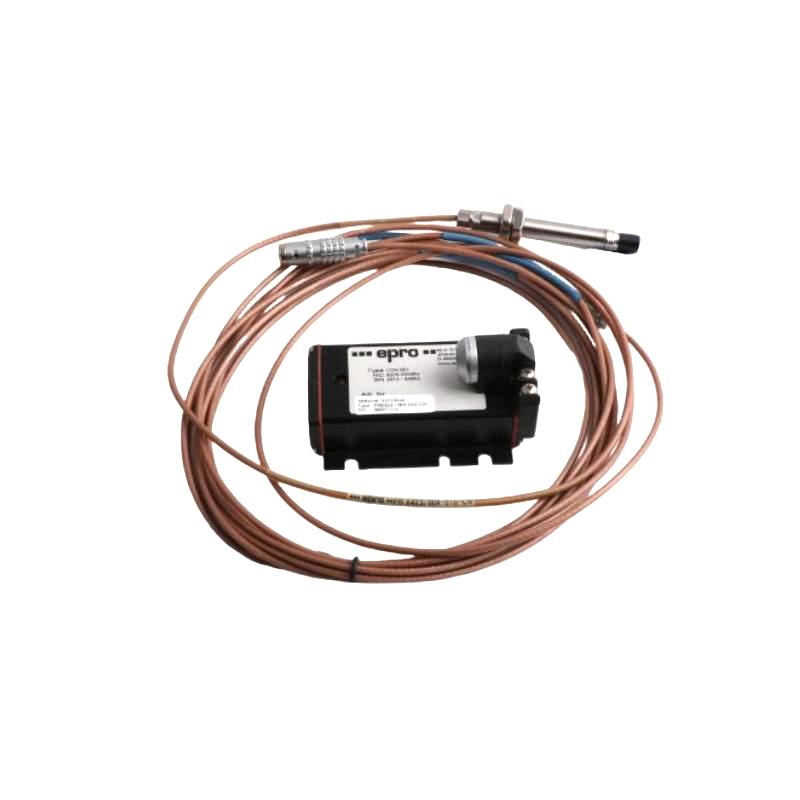
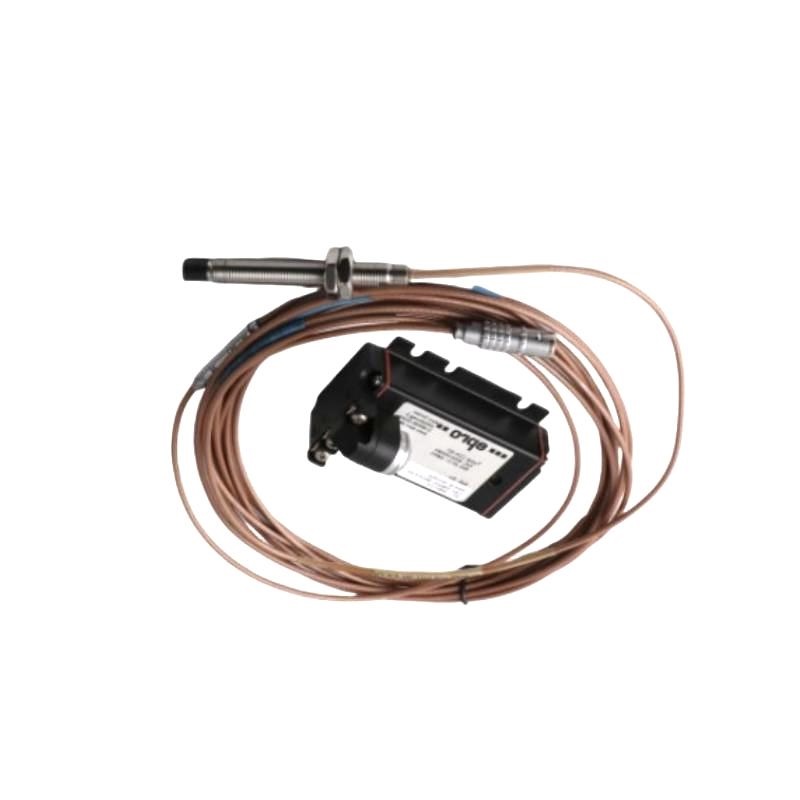
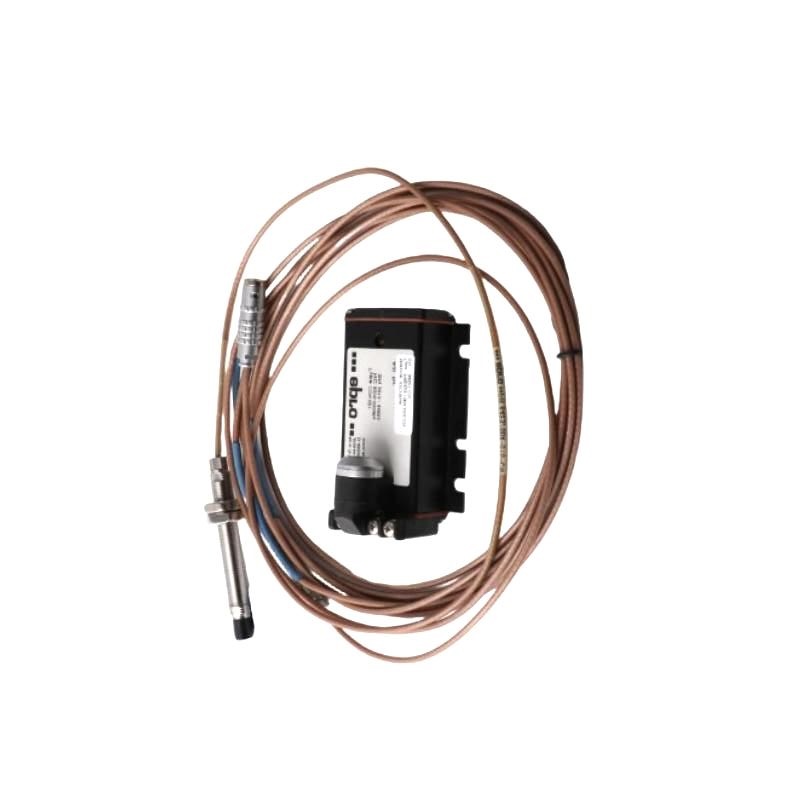
The Epro PR6423/001-011-CN Eddy Current Sensor is engineered for precise, non-contact monitoring of rotating machinery. Its 8 mm sensor head allows installation in tight mechanical environments while providing reliable measurement of shaft displacement and vibration.
Using eddy current principles, this sensor detects variations in conductive shaft movement, delivering accurate and stable data. It is commonly integrated into machinery protection and predictive maintenance systems in turbines, compressors, pumps, and other critical industrial equipment. By enabling early detection of mechanical deviations, the sensor contributes to operational reliability, reduced downtime, and optimized maintenance schedules.
Technical Specifications
| Specification | Details |
|---|
| Manufacturer | Epro |
| Model | PR6423/001-011-CN |
| Module Type | Eddy Current Sensor |
| Sensor Technology | Eddy Current Measurement |
| Sensor Head Diameter | 8 mm |
| Measurement Type | Non-contact Shaft Displacement / Vibration |
| Application | Rotating Machinery Monitoring |
| Operating Environment | Industrial Automation and Turbomachinery |
| Dimensions | Standard Industrial Probe Design |
| Weight | 0.1 kg |
Industrial Applications
The Epro PR6423/001-011-CN is a high-precision eddy current sensor designed for non-contact measurement of shaft displacement and vibration in rotating machinery. Its 8 mm sensor head diameter allows installation in confined monitoring points without compromising measurement accuracy, making it ideal for critical machinery protection.
Common application areas include:
-
Turbine monitoring systems in power generation plants
-
Compressors in petrochemical and oil & gas facilities
-
High-speed pump vibration monitoring in process industries
-
Rotating machinery diagnostics in refineries
-
Industrial equipment condition monitoring in manufacturing facilities
-
Predictive maintenance and machinery protection programs
The sensor delivers accurate, real-time measurements that help detect early signs of imbalance, misalignment, or excessive vibration, supporting preventive maintenance and operational reliability.
Operational Advantages
High-Precision Shaft Measurement
Provides accurate detection of shaft displacement and vibration to support condition monitoring and machinery diagnostics.
Non-Contact Eddy Current Technology
Measures without physical contact with the shaft, reducing mechanical wear and ensuring long-term measurement stability.
Reliable Industrial Performance
Designed to operate consistently in environments with vibration, electrical interference, and varying temperatures.
Compact 8 mm Probe Design
Allows flexible installation in restricted monitoring locations commonly found in industrial rotating equipment.
Supports Continuous Monitoring
Compatible with 24/7 machinery protection systems, providing constant data for predictive maintenance strategies.
Technical FAQs
1. What is the primary function of the PR6423/001-011-CN sensor?
It measures shaft displacement and vibration in rotating machinery using eddy current sensing technology.
2. Which types of machinery typically use this sensor?
Turbines, compressors, pumps, and other critical rotating equipment.
3. How does eddy current sensing work?
It generates an electromagnetic field and detects variations caused by the proximity and movement of conductive surfaces.
4. Can the sensor operate continuously in industrial monitoring systems?
Yes, it is designed for continuous, long-term operation in industrial machinery protection setups.
5. Is it suitable for high-speed rotating shafts?
Yes, it is frequently installed on high-speed turbomachinery for precise displacement measurement.
6. Does the sensor require a signal converter?
Typically, it is paired with compatible monitoring or signal processing systems for stable output.
7. How does this sensor support predictive maintenance?
By providing continuous displacement and vibration data, it helps detect early mechanical issues before failure occurs.
8. Can the sensor withstand electromagnetic interference in industrial environments?
Yes, it is engineered to maintain reliable performance under typical industrial EM conditions.
9. Is proper alignment necessary during installation?
Yes, correct probe positioning ensures accurate measurement results.
10. Which monitoring systems typically use this sensor?
Machinery protection systems, vibration monitoring platforms, and industrial condition monitoring solutions.
 A DCS Q Co., Ltd. - PLC and DCS Industrial Control Equipment Wholesale