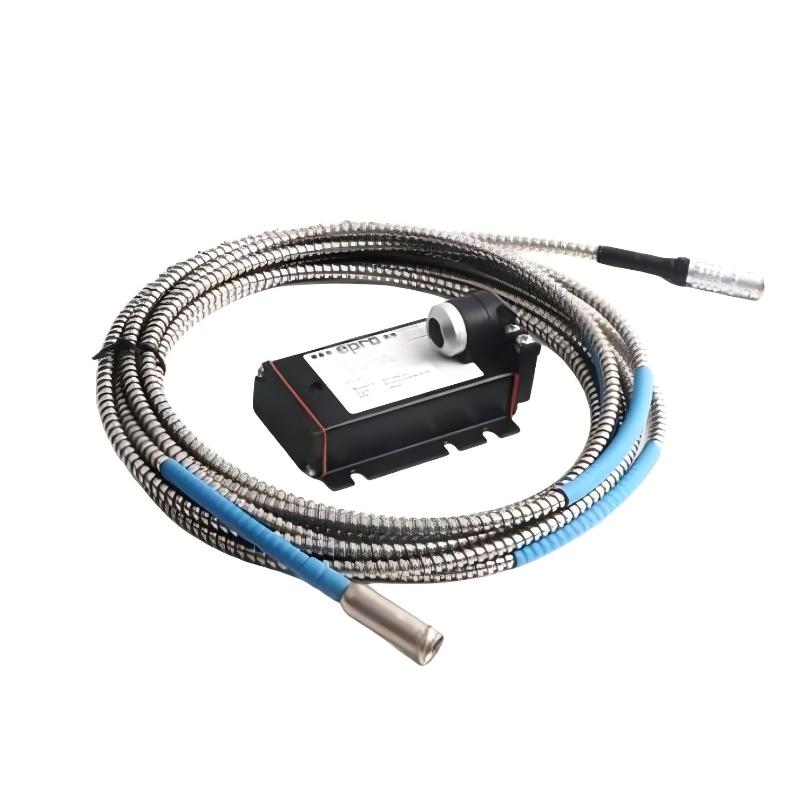
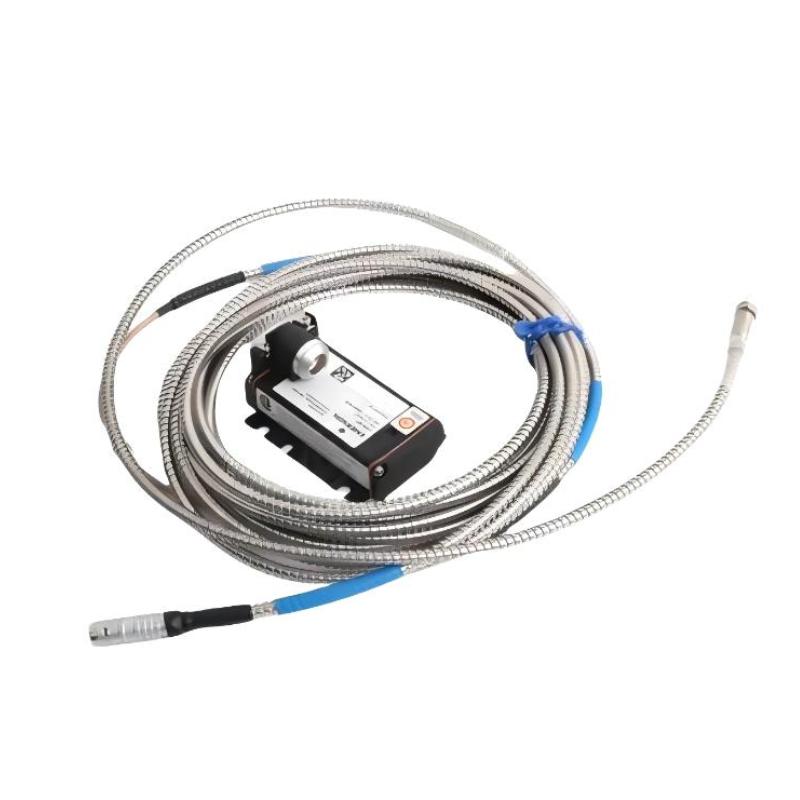
Product Introduction
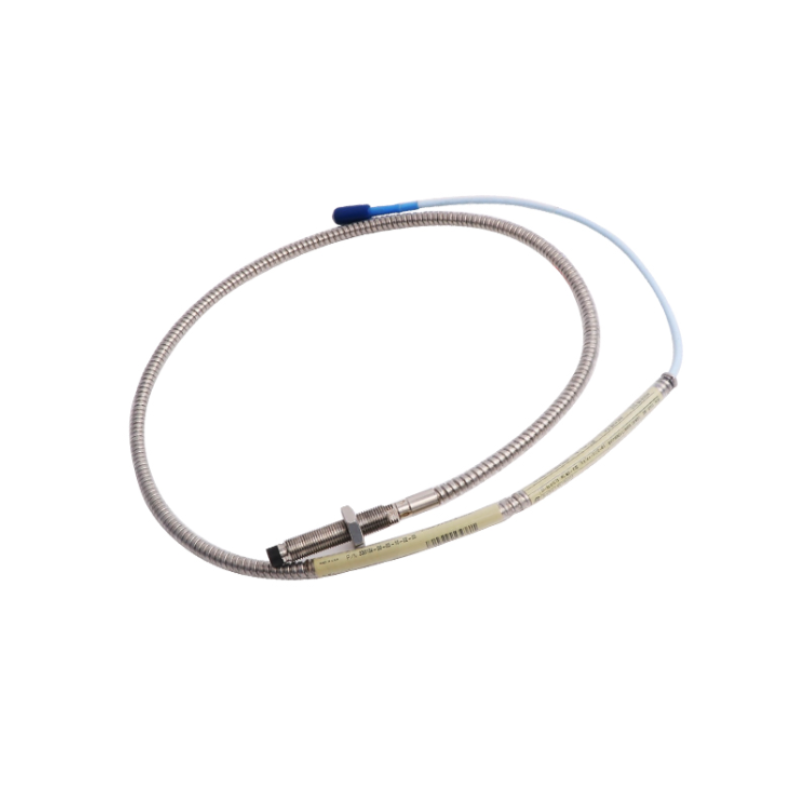
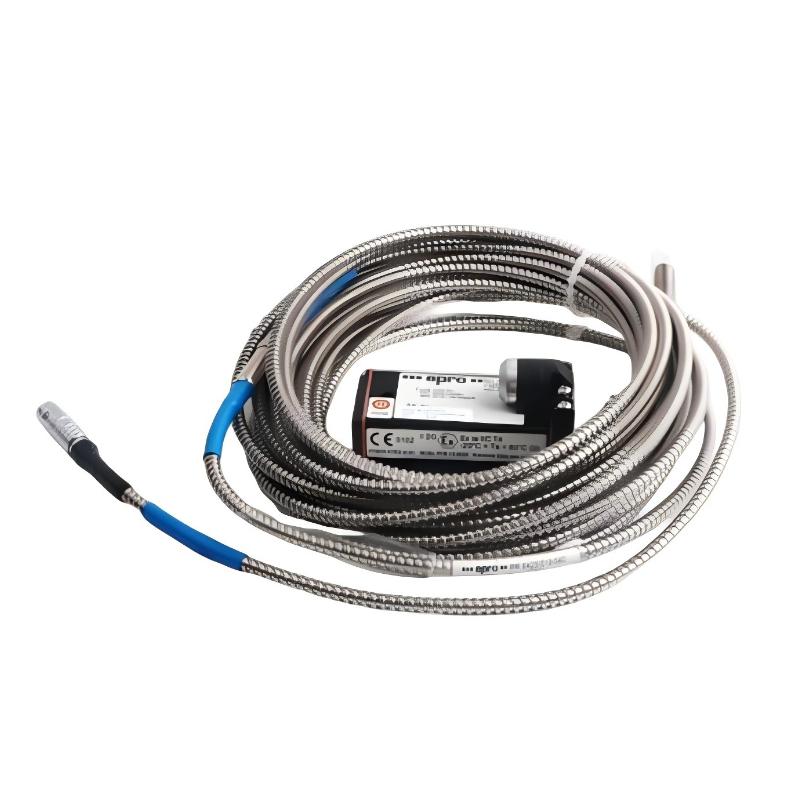
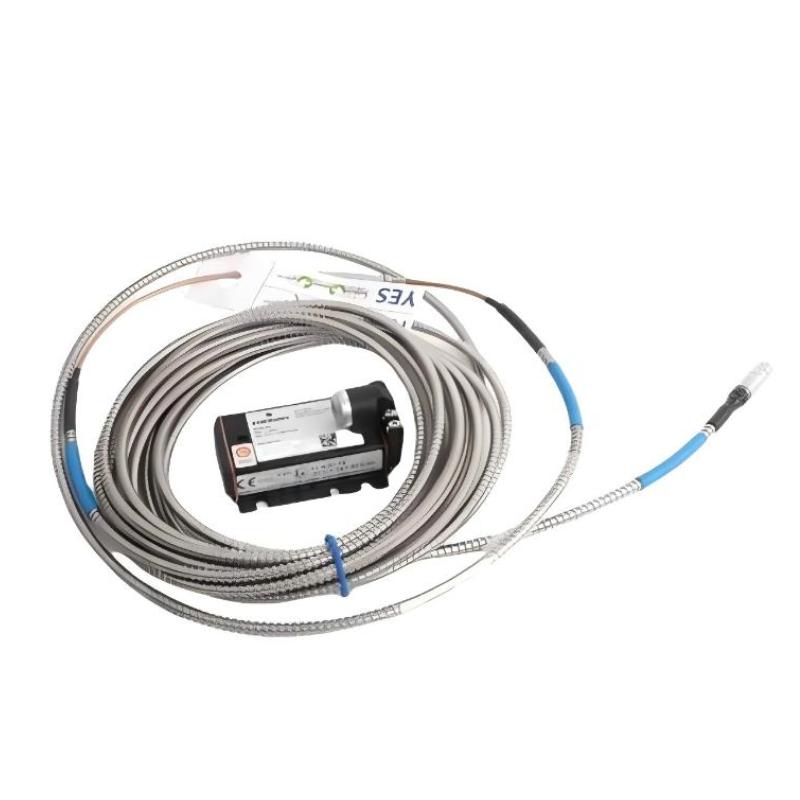
The Epro PR6423/000-131 Eddy Current Sensor is part of a machinery monitoring solution designed to measure shaft movement in industrial rotating equipment. Accurate displacement measurement is essential in modern automation environments where equipment reliability and process stability must be maintained.
Using eddy current sensing technology, the sensor detects changes in the position of conductive machine components without making physical contact. This allows it to operate with high accuracy while minimizing mechanical wear. The compact 8 mm probe head enables installation in locations where space is limited but precise monitoring is required.
In industrial operations such as turbines, compressors, and pumps, continuous monitoring of vibration and shaft movement is essential. The sensor contributes to predictive maintenance strategies by providing reliable measurement data that helps engineers identify potential issues early.
Technical Specifications
| Specification | Details |
|---|
| Manufacturer | Epro |
| Model | PR6423/000-131 |
| Module Type | Eddy Current Sensor |
| Sensor Technology | Eddy Current Measurement |
| Sensor Head Diameter | 8 mm |
| Measurement Type | Non-contact Shaft Displacement / Vibration |
| Application | Rotating Machinery Monitoring |
| Operating Environment | Industrial Automation Systems |
| Dimensions | Standard Industrial Probe Assembly |
| Weight | 0.1 kg |
Typical Industrial Applications
The Epro PR6423/000-131 is an 8 mm eddy current sensor designed for precision monitoring of rotating machinery in industrial environments. It is commonly used in systems where accurate shaft displacement and vibration data are essential for maintaining operational safety and equipment reliability.
Typical application scenarios include:
-
Steam and gas turbine monitoring systems in power plants
-
Compressor protection systems in petrochemical facilities
-
High-speed pump monitoring in process industries
-
Rotating equipment supervision in refineries
-
Machinery diagnostics in heavy manufacturing environments
-
Predictive maintenance systems for critical production assets
By providing stable, non-contact measurement of shaft movement, the sensor supports continuous monitoring and helps identify mechanical changes before they affect equipment performance.
Operational Advantages
High-Resolution Shaft Displacement Detection
The sensor can capture subtle changes in shaft position, supporting accurate condition monitoring of rotating equipment.
Non-Contact Measurement Principle
Eddy current technology allows measurements without physical contact, reducing mechanical wear and improving measurement stability over time.
Designed for Continuous Industrial Operation
The sensor is built to perform reliably in systems that operate continuously under demanding industrial conditions.
Compact 8 mm Probe Structure
Its probe size allows installation in standard monitoring ports and tight machinery spaces.
Supports Equipment Protection Systems
The sensor is widely used in machinery protection and vibration monitoring systems where operational reliability is critical.
Technical FAQs
1. What is the primary function of the PR6423/000-131 sensor?
It measures shaft displacement and vibration in rotating machinery using eddy current sensing technology.
2. What industries commonly use this sensor?
Power generation, oil and gas, petrochemical processing, and heavy manufacturing industries.
3. How does eddy current sensing work in this device?
The sensor generates an electromagnetic field and measures changes caused by the proximity of a conductive surface such as a metal shaft.
4. Is the sensor suitable for high-speed rotating equipment?
Yes, it is designed for applications involving turbines, compressors, and other high-speed machinery.
5. Can this sensor operate in continuous monitoring systems?
Yes, it is intended for long-term use in machinery condition monitoring setups.
6. Does the sensor require a signal converter for system integration?
In most monitoring systems, it is paired with a compatible signal converter or monitoring module.
7. How does the sensor help prevent machinery failures?
It detects abnormal vibration or displacement patterns that may indicate mechanical problems.
8. Is the sensor resistant to industrial electromagnetic interference?
Yes, it is designed to operate reliably in typical industrial environments with electrical noise.
9. What installation factors affect measurement accuracy?
Proper probe alignment, correct mounting distance, and stable installation conditions are important.
10. What systems typically receive data from this sensor?
Machinery protection systems, vibration monitoring platforms, and industrial diagnostic systems.
 A DCS Q Co., Ltd. - PLC and DCS Industrial Control Equipment Wholesale