Product Introduction
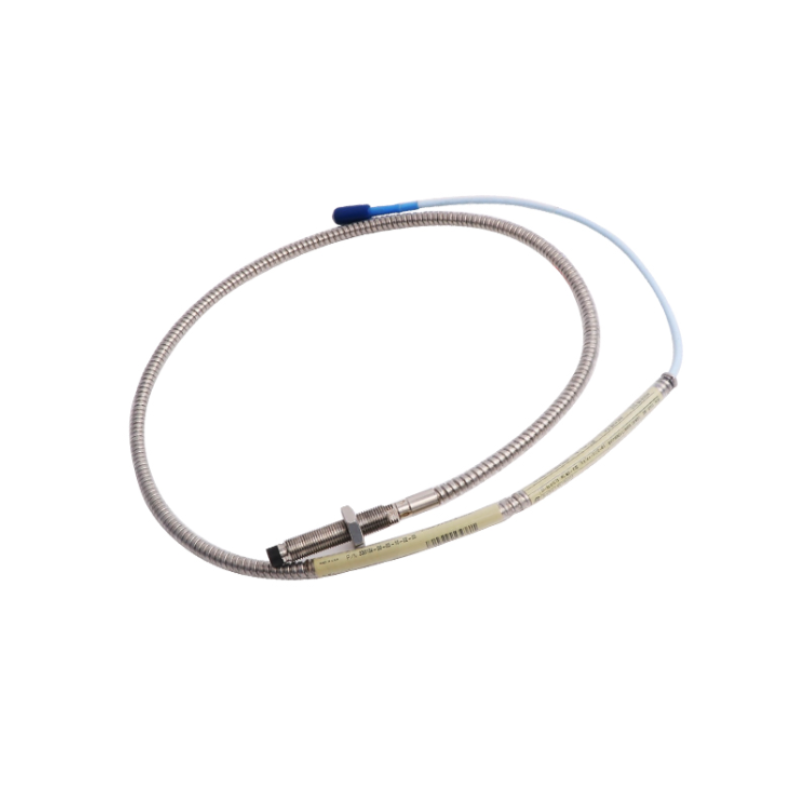
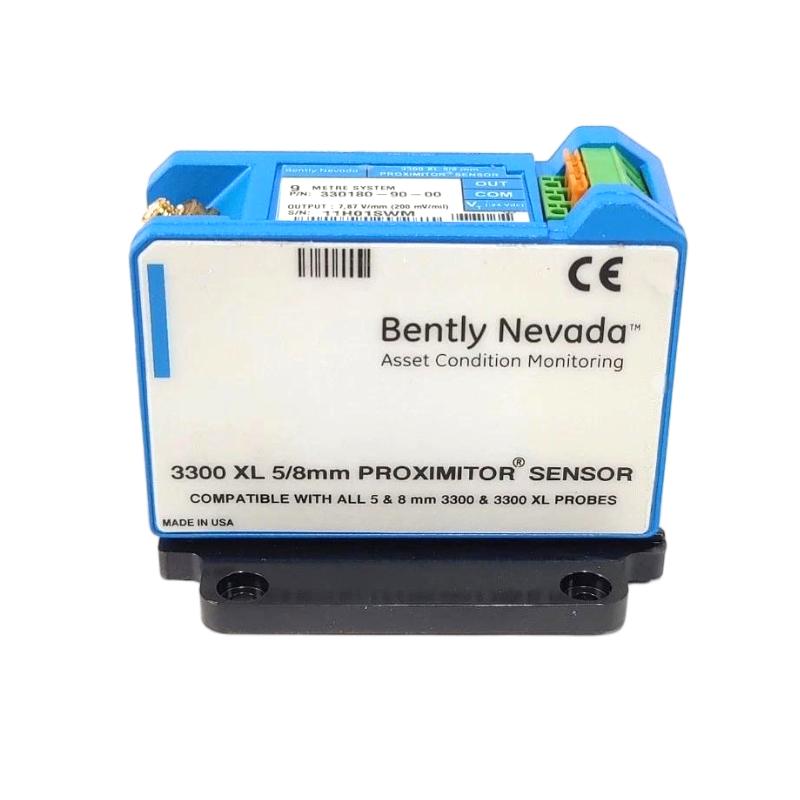
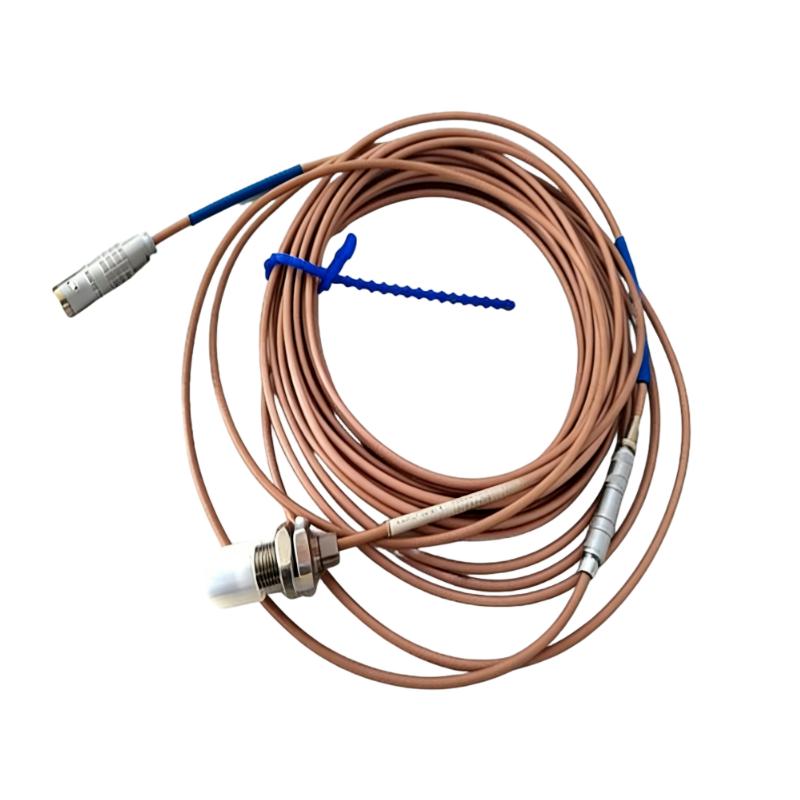
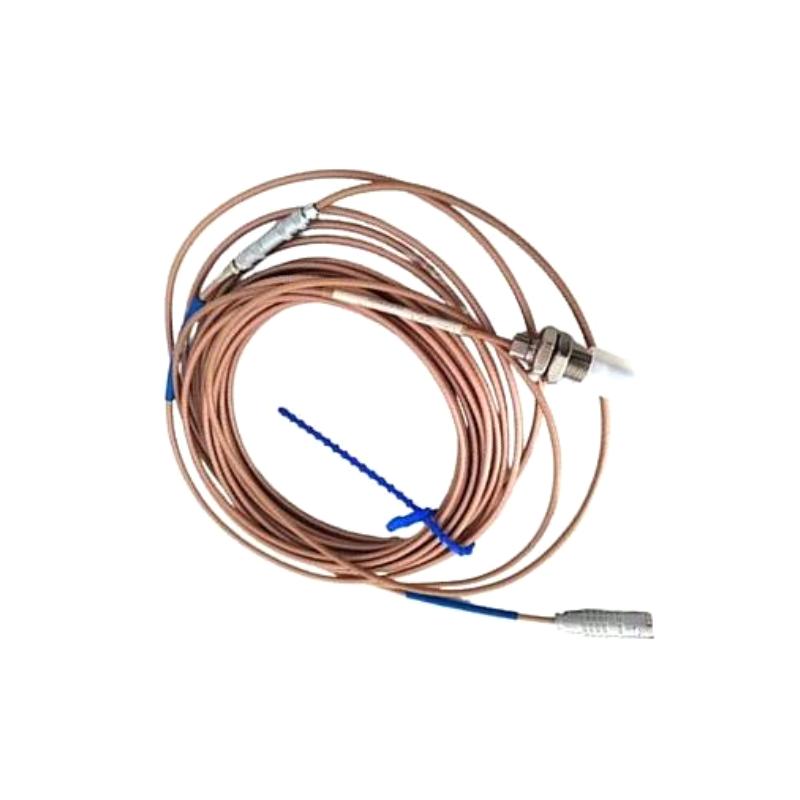
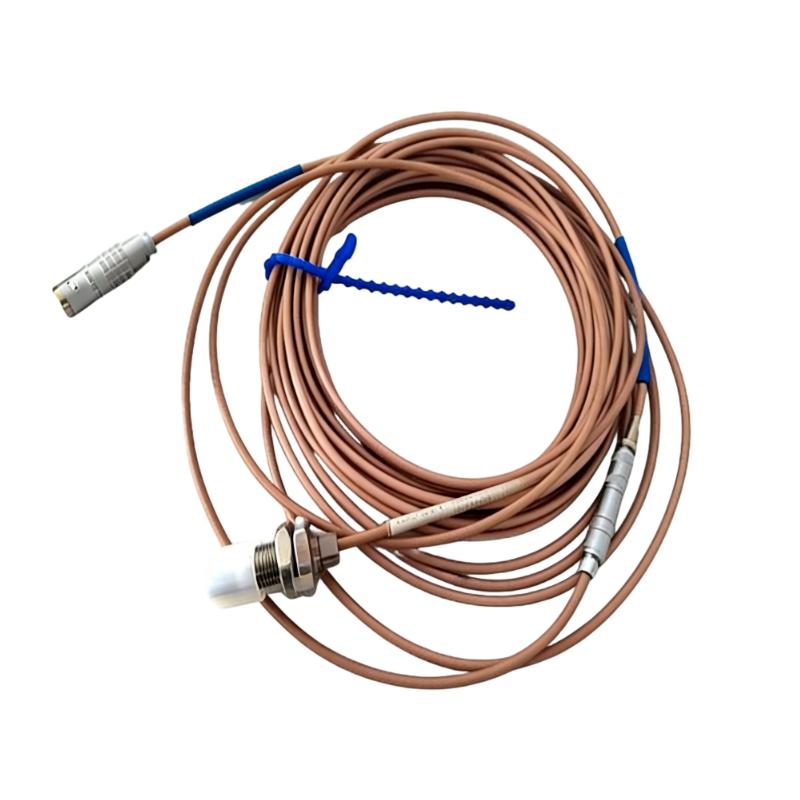
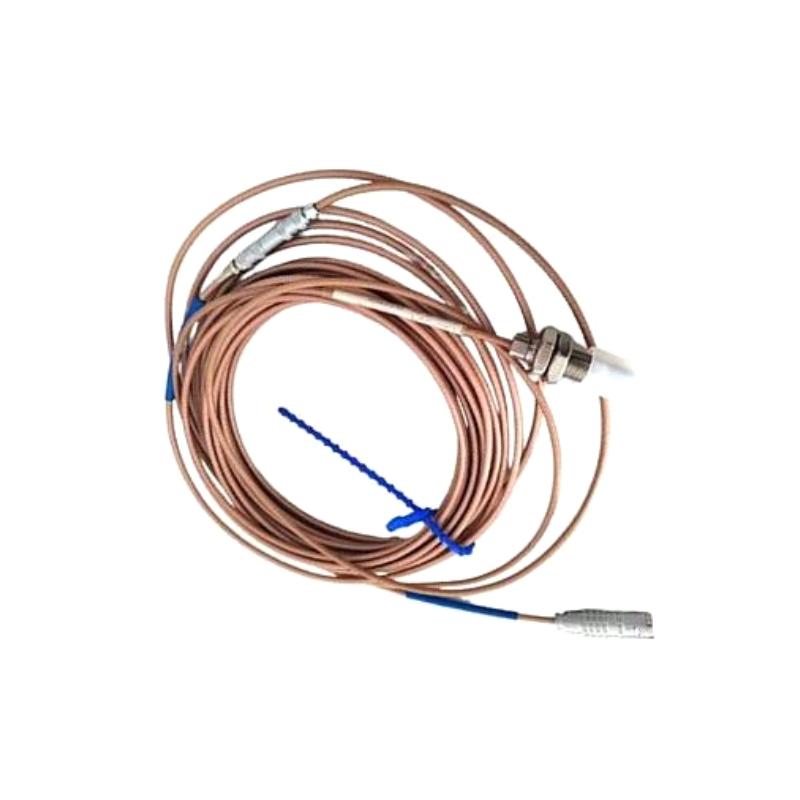
The Epro PR6423/000-040 Eddy Current Sensor is part of a machinery monitoring solution developed to measure shaft movement and vibration in rotating equipment. In many industrial sectors, continuous monitoring of mechanical components is essential to ensure system reliability and maintain operational safety.
This sensor uses eddy current technology to detect changes in the position of conductive materials such as metal shafts. Because the measurement is non-contact, it reduces mechanical stress on the sensing components while maintaining high measurement accuracy over time.
With its 8 mm probe head diameter, the sensor can be installed in compact machine housings and monitoring points commonly found in turbines, compressors, and pumps. When integrated into condition monitoring systems, it helps provide early warnings of mechanical imbalance, shaft misalignment, or vibration anomalies.
Technical Specifications
| Specification | Details |
|---|
| Manufacturer | Epro |
| Model | PR6423/000-040 |
| Module Type | Eddy Current Sensor |
| Sensor Technology | Eddy Current Measurement |
| Sensor Head Diameter | 8 mm |
| Measurement Type | Non-contact Shaft Displacement / Vibration |
| Application | Rotating Machinery Monitoring |
| Operating Environment | Industrial Automation and Turbomachinery |
| Dimensions | Standard Industrial Probe Design |
| Weight | 0.1 kg |
Application Fields in Rotating Machinery Monitoring
The Epro PR6423/000-040 is an eddy current sensor engineered for precise, non-contact measurement of shaft displacement and vibration in industrial rotating equipment. With an 8 mm sensor head diameter, it is suited for installations where accurate monitoring must be maintained in confined mechanical environments.
Typical applications include:
-
Turbine condition monitoring in power generation plants
-
Compressor monitoring systems in petrochemical facilities
-
Pump vibration analysis in process industries
-
Rotating equipment diagnostics in refineries
-
Machinery protection systems in heavy manufacturing plants
-
Predictive maintenance installations in industrial automation environments
In these systems, the sensor plays a key role in detecting early mechanical deviations, enabling operators to maintain stable equipment performance and prevent unexpected shutdowns.
Operational Advantages
Precision Displacement Monitoring
The sensor is capable of detecting small variations in shaft movement, helping maintain machinery alignment and operational stability.
Non-Contact Measurement Technology
Eddy current sensing allows measurements without physical contact with the rotating surface, improving reliability and reducing mechanical wear.
Reliable Industrial Performance
Designed to function consistently in industrial environments that include vibration, electrical interference, and varying temperatures.
Compact 8 mm Probe Configuration
The probe size allows installation in standard machinery monitoring ports and areas where space is limited.
Supports Continuous Monitoring Systems
The sensor is commonly integrated into long-term equipment monitoring systems used for machinery protection and diagnostics.
Technical FAQs
1. What is the main function of the PR6423/000-040 sensor?
It measures shaft displacement and vibration in rotating machinery using eddy current sensing technology.
2. What type of equipment typically uses this sensor?
It is commonly installed on turbines, compressors, pumps, and other critical rotating equipment.
3. How does eddy current sensing benefit industrial monitoring?
It enables accurate measurement without contact, ensuring stable readings over long operating periods.
4. Can this sensor operate in continuous industrial processes?
Yes, it is designed for continuous monitoring in industrial machinery protection systems.
5. Is the sensor suitable for high-speed shaft applications?
Yes, it is frequently used on high-speed rotating shafts in turbomachinery.
6. Does the sensor require additional signal processing equipment?
In many monitoring systems, it is connected to a compatible signal converter or monitoring module.
7. How does the sensor contribute to predictive maintenance?
By providing continuous vibration and displacement data, it helps identify early mechanical issues.
8. Can the sensor perform reliably in electrically noisy environments?
Yes, it is designed for industrial settings where electromagnetic interference may be present.
9. Is installation alignment important for accurate measurement?
Yes, correct positioning relative to the monitored shaft is essential for measurement accuracy.
10. What monitoring systems typically use this sensor?
Machinery protection systems, vibration monitoring platforms, and industrial diagnostic systems.
 A DCS Q Co., Ltd. - PLC and DCS Industrial Control Equipment Wholesale