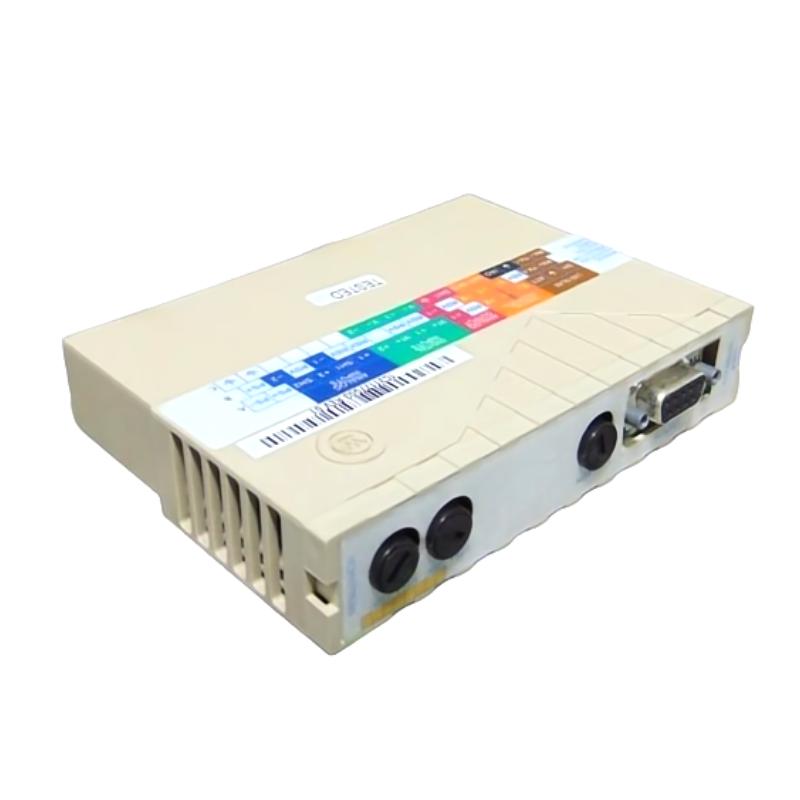
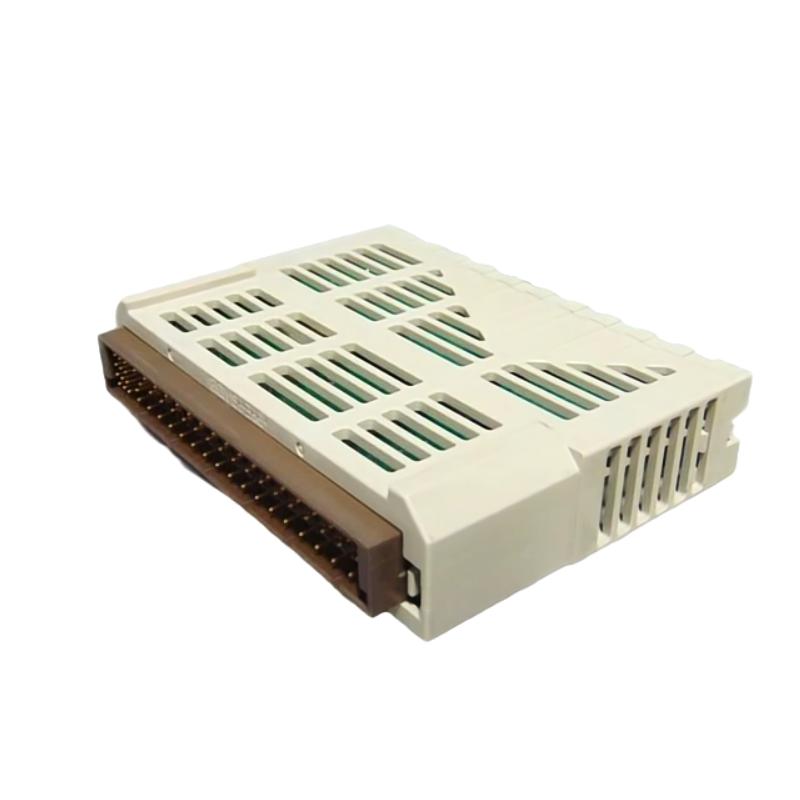
Module Overview
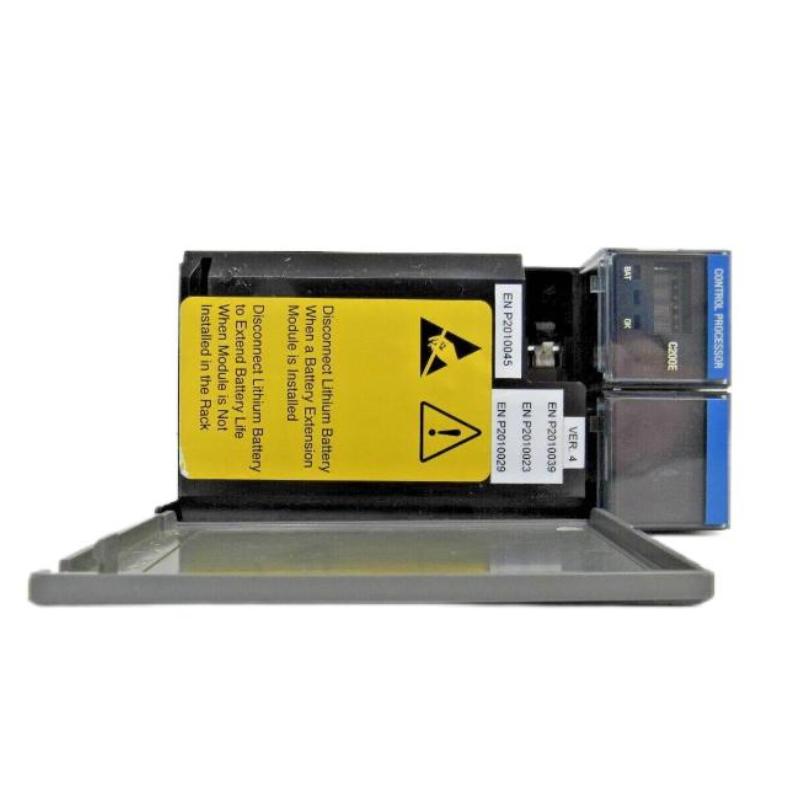
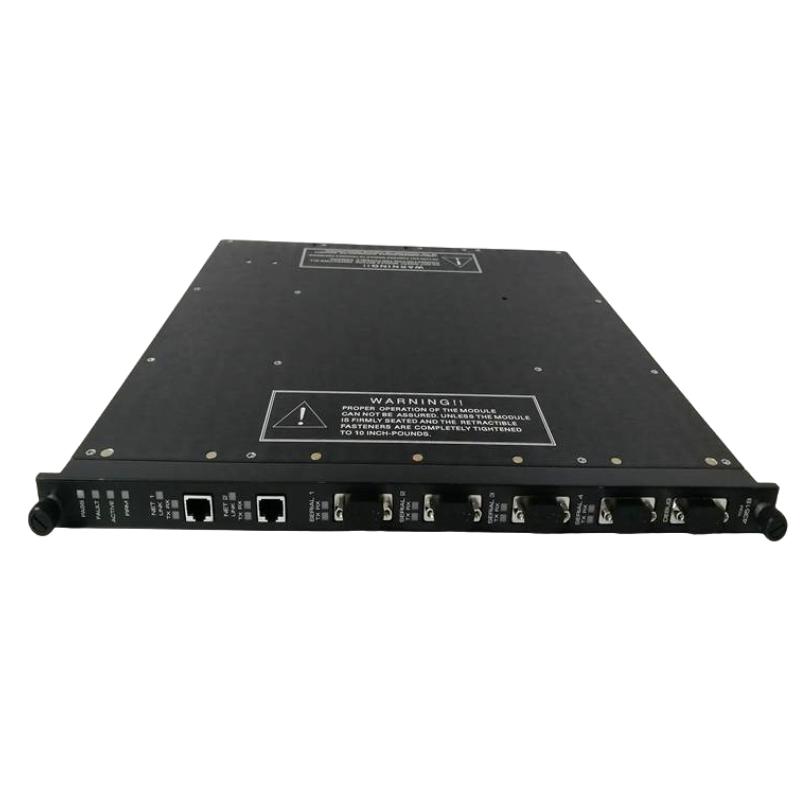
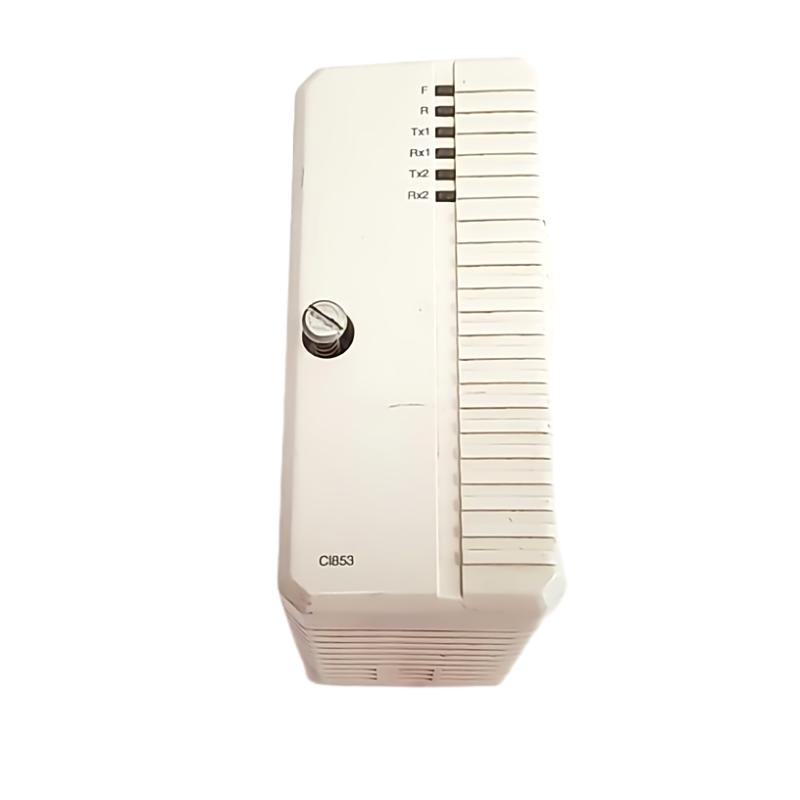
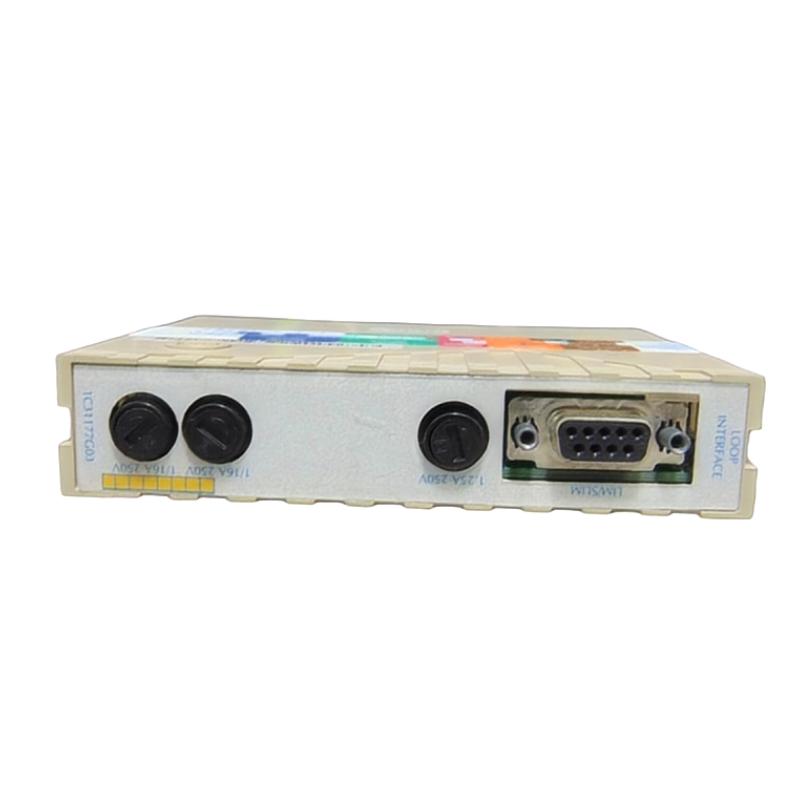
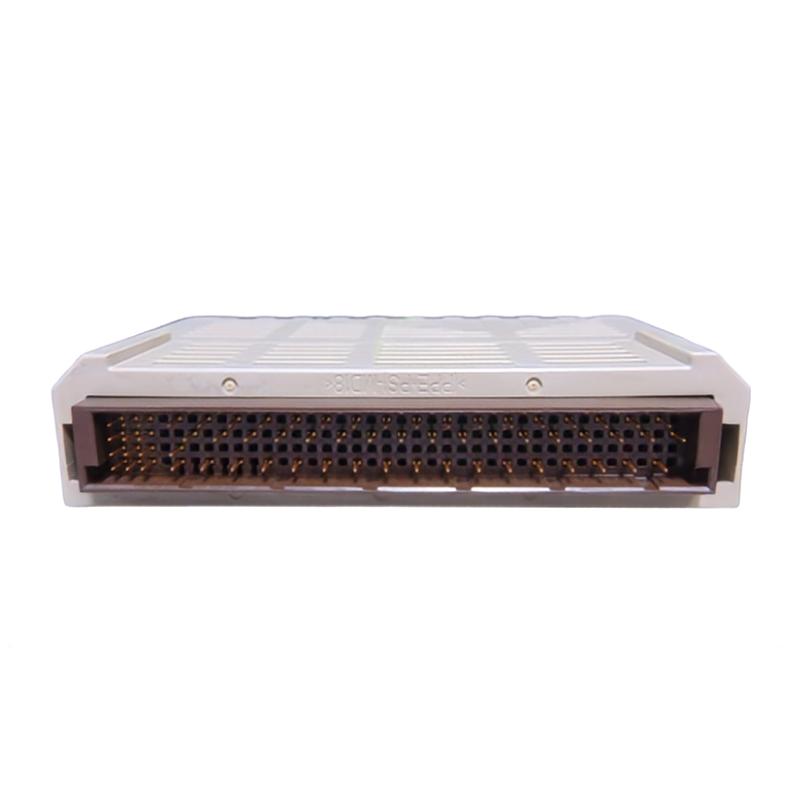
The Ovation 1C31177G03 Loop Interface Module serves as an essential bridge between process instrumentation loops and the distributed control infrastructure. It ensures that signals from field devices are accurately transmitted, monitored, and utilized by the control system.
With its reliable design and integration capabilities, the module supports stable plant operation, efficient loop management, and streamlined control system architecture within Ovation-based automation environments.
Technical Specifications
| Parameter | Specification |
|---|
| Manufacturer | Ovation |
| Model | 1C31177G03 |
| Module Type | Loop Interface Module |
| Function | Interfaces field control loops with the Ovation DCS |
| System Integration | Ovation Distributed Control System |
| Installation | Control system I/O rack |
| Diagnostics | Loop status monitoring and signal verification |
| Operating Environment | Industrial control cabinet environments |
| Dimensions | 228 × 25 × 175 mm |
| Weight | 0.72 kg (1.58733 lb) |
Typical Deployment Scenarios in Process Control
The Ovation 1C31177G03 Loop Interface Module is designed for industrial control environments where field loops must be reliably interfaced with a distributed control system. In power generation plants, it is often used to connect process instrumentation such as transmitters and control loops to the Ovation control architecture.
In industries such as petrochemical processing, water treatment, and large-scale manufacturing, engineers deploy this module to ensure stable communication between field loop signals and the control logic operating within the system. It plays a key role in maintaining accurate signal exchange for monitoring and regulating continuous processes.
Operational Strengths Observed in Engineering Practice
One of the main advantages of this module is its reliable loop signal interfacing capability, which helps maintain consistent communication between field instrumentation and the DCS environment. This reliability is critical in plants where loop integrity directly impacts process stability.
Another benefit is the slim hardware profile, allowing efficient use of rack space when multiple interface modules are installed. Engineers also appreciate the diagnostic transparency within the control system, which enables quick identification of loop signal conditions and simplifies troubleshooting during maintenance or commissioning activities.
Technical FAQs
-
What is the core function of the 1C31177G03 module?
It interfaces field control loops with the Ovation distributed control system for monitoring and signal management.
-
Does the module support analog loop signals?
Yes, it is designed to work with standard process control loop signals commonly used in industrial instrumentation.
-
How does it improve loop signal reliability?
The module incorporates signal conditioning and isolation to maintain stable loop communication.
-
Can it be used during loop commissioning?
Yes, engineers frequently use it to validate loop signals and verify system responses during commissioning.
-
Is the module compatible with other Ovation I/O components?
Yes, it integrates directly within the Ovation I/O subsystem and communicates through the system backplane.
-
Does it provide diagnostics for loop faults?
Yes, the system can identify abnormal loop behavior and communication issues.
-
Is signal isolation included?
Yes, isolation helps protect the system and maintain signal integrity between field devices and the controller.
-
Can it operate in high-reliability control environments?
Yes, it is designed for continuous industrial operation in critical automation systems.
-
How is configuration performed?
Configuration is handled within the Ovation engineering and control environment.
-
Does it support system expansion?
Yes, multiple modules can be installed to support larger control loop architectures.
 A DCS Q Co., Ltd. - PLC and DCS Industrial Control Equipment Wholesale