Introduction
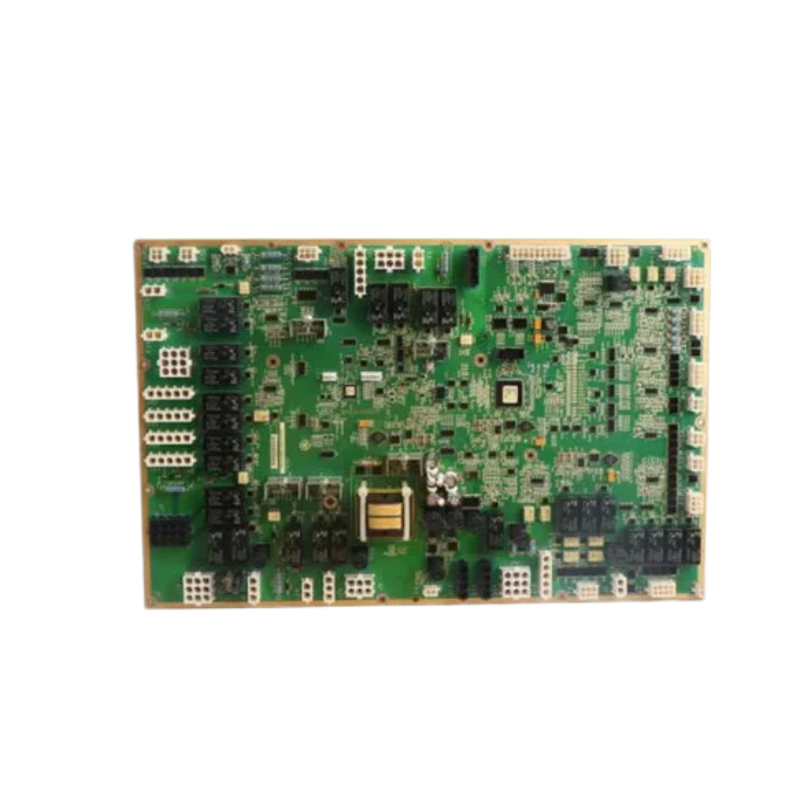
The GE IS200WETAH1A Wind Turbine Mainboard is a core control module engineered for use in GE wind turbine control systems. Designed to serve as the central logic and processing hub of turbine electronics, this mainboard integrates critical functions such as sensor interfacing, signal processing, system diagnostics, and communication with balance‑of‑plant devices. Built for reliability in offshore and onshore wind environments, it supports robust turbine operation, real‑time performance monitoring, and advanced control strategies.
Technical Specifications
| Parameter | Specification |
|---|
| Model | IS200WETAH1A |
| Module Type | Wind Turbine Mainboard |
| Application | Central logic and control interface board |
| System Compatibility | GE wind turbine control platforms |
| Processor | Embedded control processor |
| Interfaces | Multiple digital and analog I/O interfaces |
| Communication | Fieldbus / industrial network connectivity |
| Diagnostics | Onboard status LEDs and fault indicators |
| Power Supply | Standard industrial DC supply via rack backplane |
| Operating Temperature | -20°C to +70°C |
| Storage Temperature | -40°C to +85°C |
| Mounting | Rack or enclosure PCB mount |
| Dimensions | Standard control module board form factor |
| Weight | Approx. 0.45 kg |
Applications
The IS200WETAH1A Mainboard is designed for integration into wind turbine supervisory and control systems where intelligent processing and high‑reliability signal handling are essential:
-
Turbine pitch and yaw control systems
-
Rotor speed and torque monitoring
-
SCADA data acquisition and network interfacing
-
Blade condition and vibration monitoring feedback
-
Wind plant system integration and fleet management
It serves as the backbone of turbine control logic, interfacing with sensors, actuators, and communication networks to ensure optimum performance under varying wind and grid conditions.
Key Advantages
The GE IS200WETAH1A Mainboard delivers multiple operational benefits for wind turbine control environments:
-
Centralized Processing: Integrates core control functions into a single board, reducing system complexity and signal latency.
-
Robust Signal Handling: Industrial‑grade analog and digital interfaces support reliable data acquisition from sensors and control loops.
-
Seamless Connectivity: Supports standard industrial communication protocols to interface with field devices and higher‑level SCADA systems.
-
Integrated Diagnostics: Onboard LED indicators and fault reporting enhance maintainability and accelerate troubleshooting.
-
Environmental Durability: Designed for reliable operation across wide temperature and vibration ranges typical of wind turbine nacelles.
Together, these strengths help operators achieve dependable turbine performance with reduced downtime and improved fault visibility.
Technical FAQs
1. What is the primary function of this board?
It serves as the main control logic and communication hub for GE wind turbine control systems.
2. What types of inputs does it support?
It supports multiple analog and digital sensor inputs for speed, position, vibration, and environmental sensing.
3. Can it interface with SCADA systems?
Yes, the board supports fieldbus and industrial network communications for integration with SCADA and plant networks.
4. What operating temperature range does it support?
Typically from -20°C to +70°C.
5. Does it provide diagnostic indicators?
Yes, status LEDs and fault indicators assist in system diagnostics.
6. Is this board suitable for offshore environments?
Its industrial design supports rugged environments, including offshore turbines with appropriate enclosure protection.
7. What is the weight of the mainboard?
Approximately 0.45 kg.
8. What power supply does it require?
It uses a standard DC supply provided through the turbine control rack backplane.
9. Is the board serviceable in the field?
It is designed for modular replacement within the wind turbine control cabinet.
10. What systems is it compatible with?
It integrates with GE wind turbine control platforms built around Mark‑VI or equivalent automation architectures.
 A DCS Q Co., Ltd. - PLC and DCS Industrial Control Equipment Wholesale