Introduction
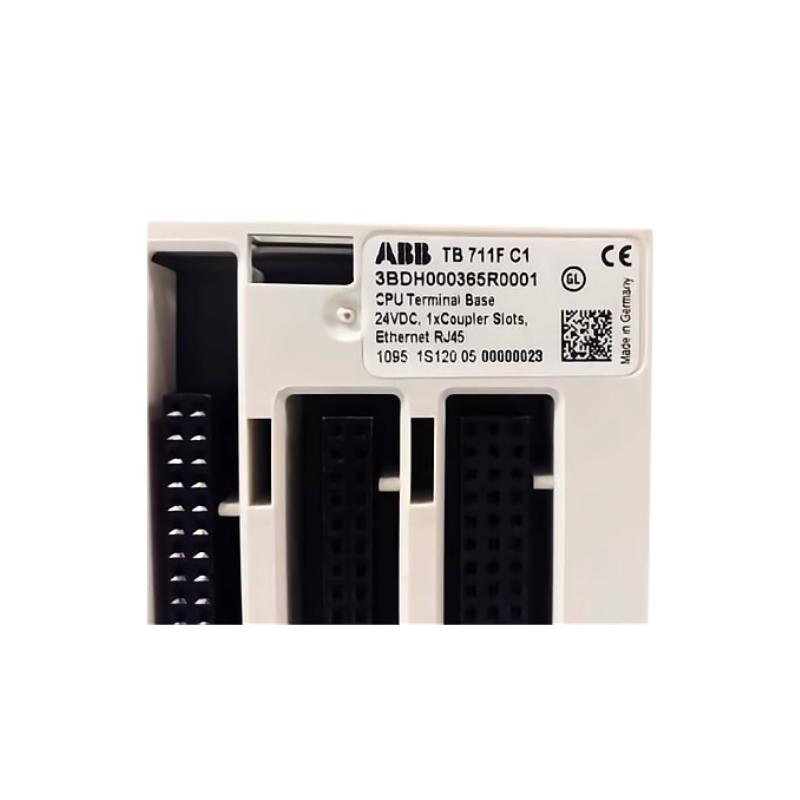
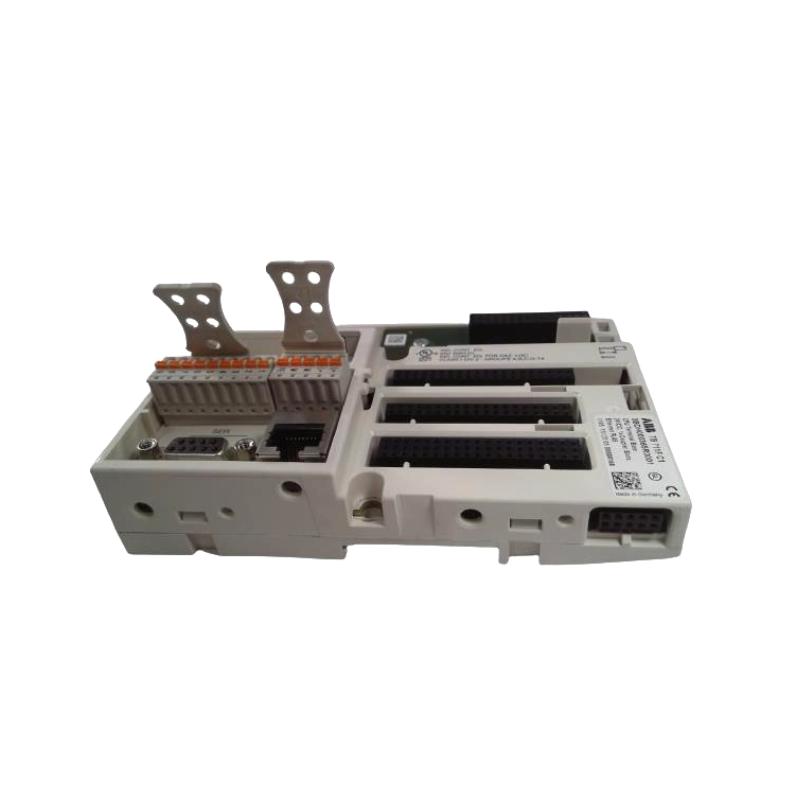
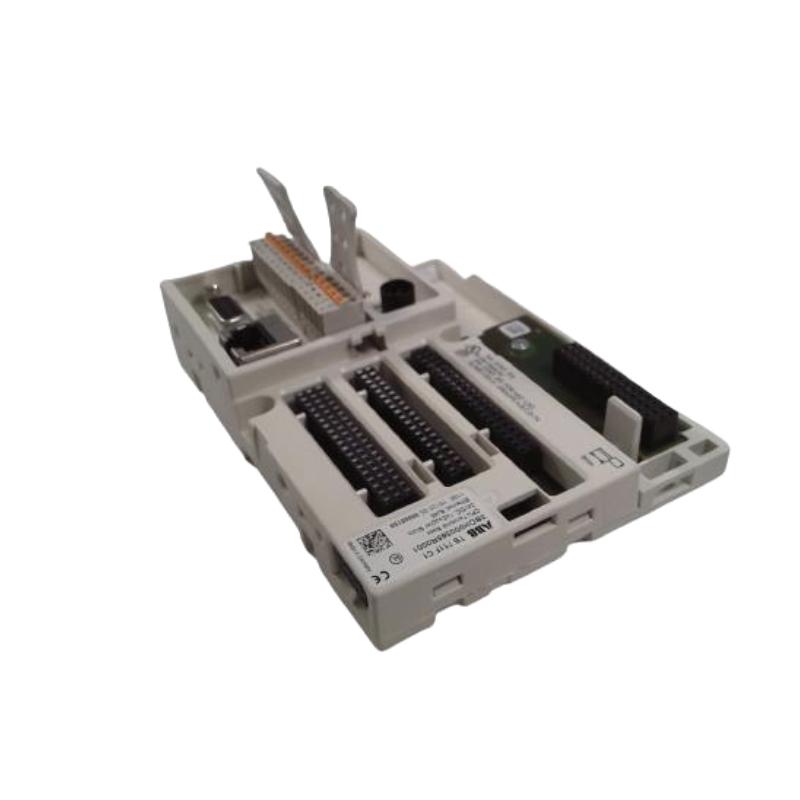
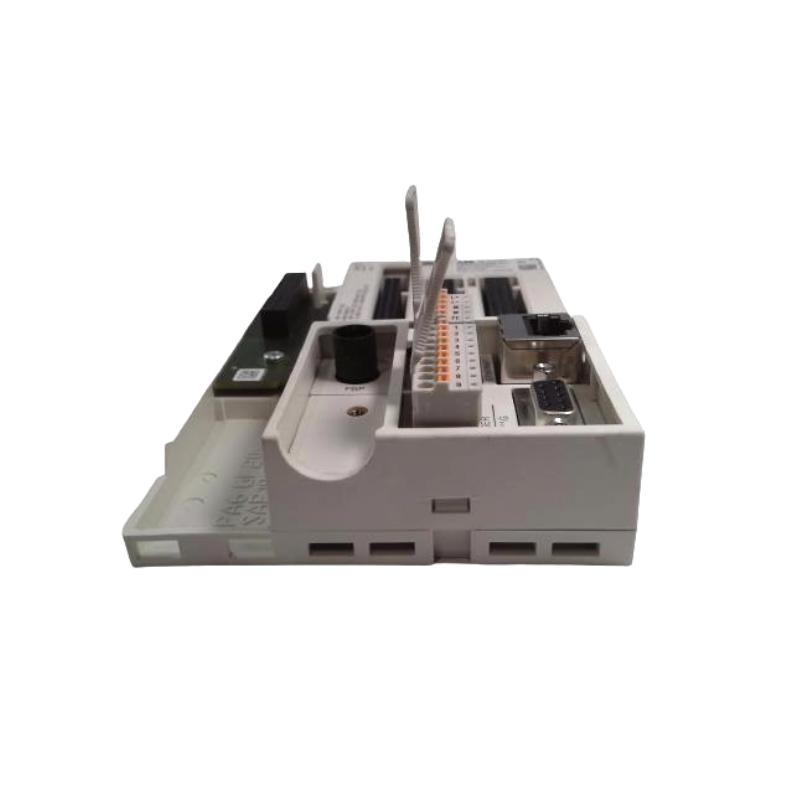
The ABB TB711F (3BDH000365R0001) CPU Terminal Base is a core structural and electrical interface component used in ABB AC 800F / Freelance distributed control systems. It serves as the mounting and connection foundation for CPU modules, enabling stable integration of processing, communication, and power interfaces within industrial automation cabinets.
Designed for high reliability in process control environments, the TB711F ensures secure mechanical positioning of the CPU while providing organized electrical connectivity for system communication, fieldbus access, and diagnostics.
Technical Specifications
| Item | Description |
|---|
| Product Type | CPU Terminal Base |
| Model | TB711F |
| Part Number | 3BDH000365R0001 |
| Manufacturer | ABB |
| System Compatibility | ABB AC 800F / Freelance / Advant systems |
| Function | CPU mounting + electrical interface base |
| Power Supply | 24 V DC |
| Communication Interfaces | Ethernet, serial (COM1/COM2), fieldbus slot |
| Bus Support | I/O bus + optional fieldbus interface |
| Installation Type | DIN rail / control cabinet mounting |
Applications
The ABB TB711F terminal base is widely used in:
-
ABB AC 800F distributed control systems
-
ABB Freelance automation platforms
-
Process control cabinets in industrial plants
-
Power generation and utility automation systems
-
Manufacturing and production line control systems
-
System integration of CPU + I/O + communication modules
It is essential in modular control architectures where CPU modules must be securely mounted and electrically integrated into the system backplane.
Technical FAQs
1. What is the main function of TB711F?
It provides mounting and electrical connection for CPU modules in ABB control systems.
2. Which ABB systems use this terminal base?
ABB AC 800F, Freelance, and Advant control systems.
3. Does it support communication interfaces?
Yes, it supports Ethernet, serial ports, and fieldbus connections.
4. What is its role in a control system?
It acts as the structural and electrical foundation for CPU operation.
5. Is it an active or passive component?
It is a passive hardware base module.
6. What is the operating voltage?
Typically 24 V DC system supply.
7. Does it require configuration?
No configuration is required; it is hardware-based.
8. What modules connect to it?
CPU modules and associated communication modules.
9. What is its installation method?
DIN rail or control cabinet mounting.
10. Why is it important in automation systems?
It ensures stable CPU integration and reliable system-level communication.
 A DCS Q Co., Ltd. - PLC and DCS Industrial Control Equipment Wholesale