Introduction
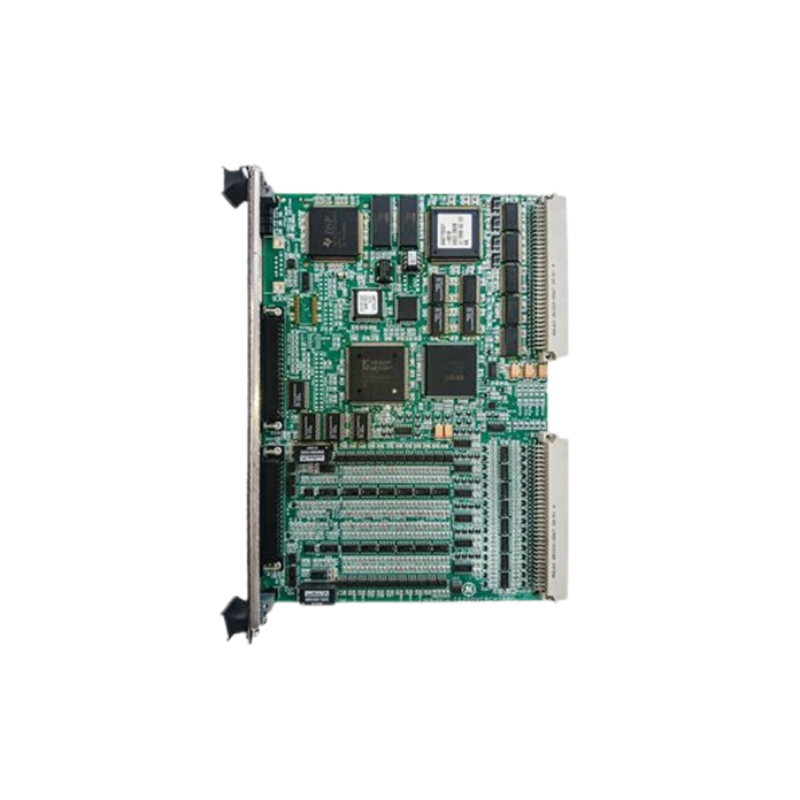
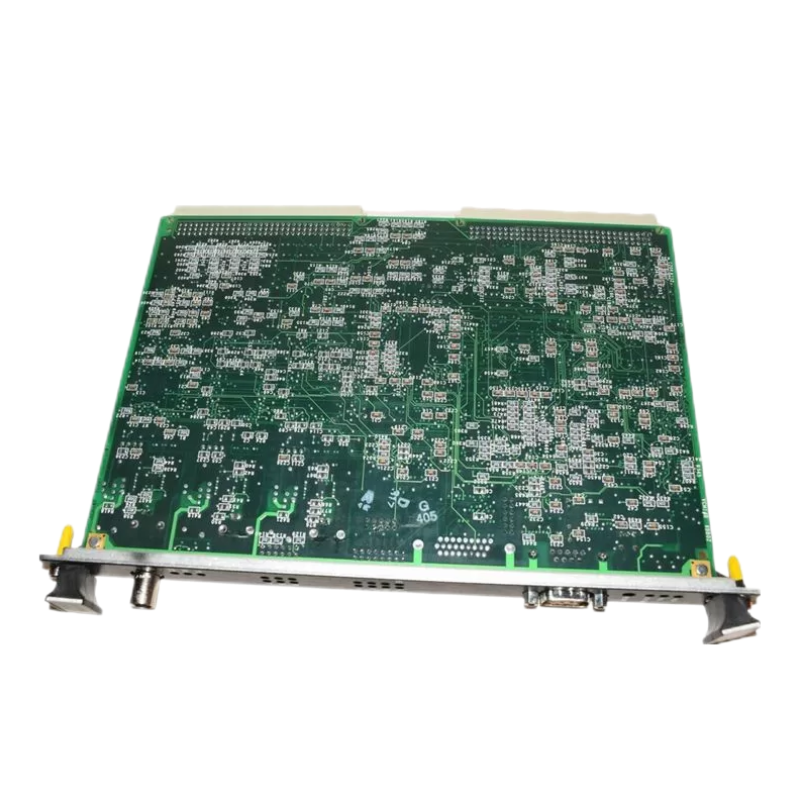
The GE IS200VVIBH1C Vibration Monitor Board is an industrial‑grade signal acquisition and processing module specifically designed for GE Mark VI and Mark VIe Speedtronic turbine control systems. This board continuously monitors vibration inputs from proximity probes, accelerometers, and related transducers, converting raw signals into precise, actionable data for control and protection logic. Its robust construction and dependable performance help protect rotating machinery by enabling early detection of imbalance, misalignment, bearing wear, and other mechanical issues in demanding industrial environments.
Technical Specifications
| Parameter | Specification |
|---|
| Model | IS200VVIBH1C |
| Module Type | Vibration Monitor Board |
| Series | GE Mark VI / Mark VIe Speedtronic |
| Function | Vibration signal conditioning and monitoring |
| Input Channels | Multiple vibration input channels |
| Signal Conditioning | Filtering, amplification, threshold detection |
| Processing | On‑board signal processing circuitry |
| Interface | Backplane digital communication |
| Indicators | Status LEDs |
| Operating Temperature | -30°C to +65°C |
| Storage Temperature | -40°C to +85°C |
| Mounting | Rack‑mounted VME module |
| Dimensions | Standard Mark VI/VIe card form factor |
| Weight | Approx. 0.20 kg |
Applications
The IS200VVIBH1C board plays a crucial role in monitoring the health and performance of rotating equipment across various industrial applications:
-
Vibration protection logic in steam turbines
-
Vibration and shaft position monitoring in gas turbines
-
Compressor and pump vibration analysis
-
Bearing condition monitoring
-
Machinery protection and predictive maintenance systems
By providing clean, processed vibration data to turbine control and protection logic, the board supports safe, efficient operation of critical assets.
Core Advantages
The GE IS200VVIBH1C offers several advantages that support reliable condition monitoring and protection:
-
Advanced Signal Processing: On‑board conditioning and processing ensure stable, meaningful vibration data even in electrically noisy environments.
-
Early Fault Detection: Threshold detection and filtering help distinguish real vibration events from background noise, enabling timely maintenance actions.
-
Seamless Integration: Designed to fit Mark VI/VIe rack systems, the module supports standardized installation and straightforward replacement.
-
Industrial‑Grade Durability: Engineered to withstand thermal cycling, mechanical vibration, and electrical interference typical of turbine control cabinets.
-
Diagnostic Indicators: Front‑panel LEDs provide quick visual feedback on board status and signal health.
These features make the module a reliable choice for engineers seeking accurate vibration monitoring and machinery protection.
Technical FAQs
1. What is the primary purpose of this board?
It conditions and monitors vibration signals from sensors, providing processed data to control and protection systems.
2. What types of sensors can be connected?
It supports proximity probes and accelerometer inputs typically used in turbine vibration monitoring.
3. Does the board include signal filtering?
Yes, it includes signal filtering and threshold detection to improve signal quality.
4. How does it interface with other system components?
Through the digital backplane communication interface in Mark VI/VIe rack systems.
5. Is it designed for industrial noise environments?
Yes, robust signal conditioning helps maintain accurate performance in noisy electrical environments.
6. What operating temperature range is supported?
Approximately -30°C to +65°C.
7. Are status indicators provided?
Yes, onboard LEDs provide visual status feedback.
8. Can it be hot‑swapped?
Hot‑swap capability depends on the host rack’s design; refer to the system documentation for specifics.
9. What industries typically use this module?
It is widely used in power generation, turbine control systems, and heavy industrial machinery monitoring.
10. What maintenance is required?
Routine inspection of rack connections and sensor wiring is typically sufficient.
 A DCS Q Co., Ltd. - PLC and DCS Industrial Control Equipment Wholesale