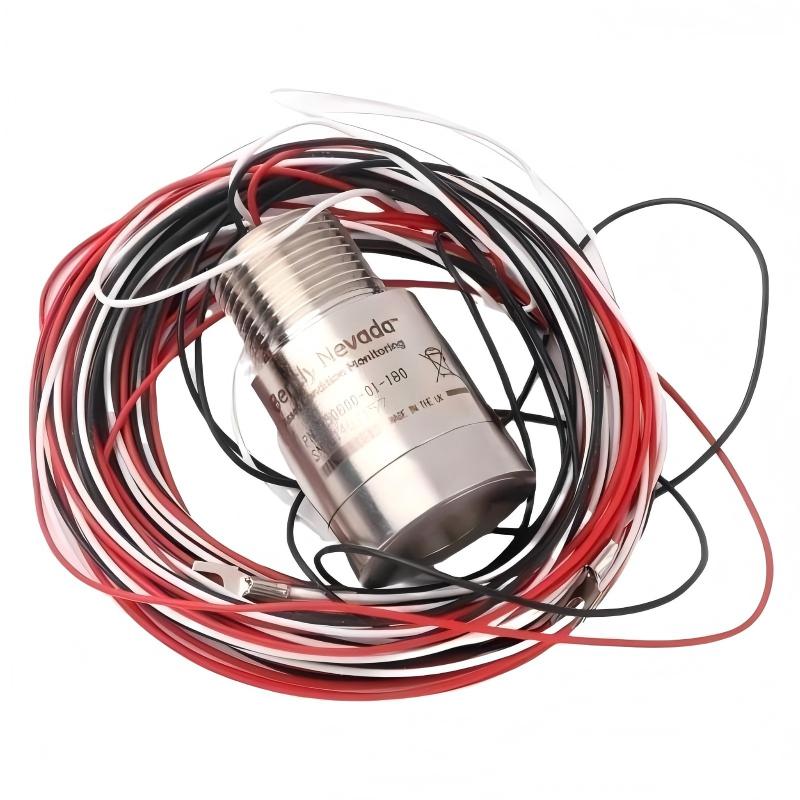
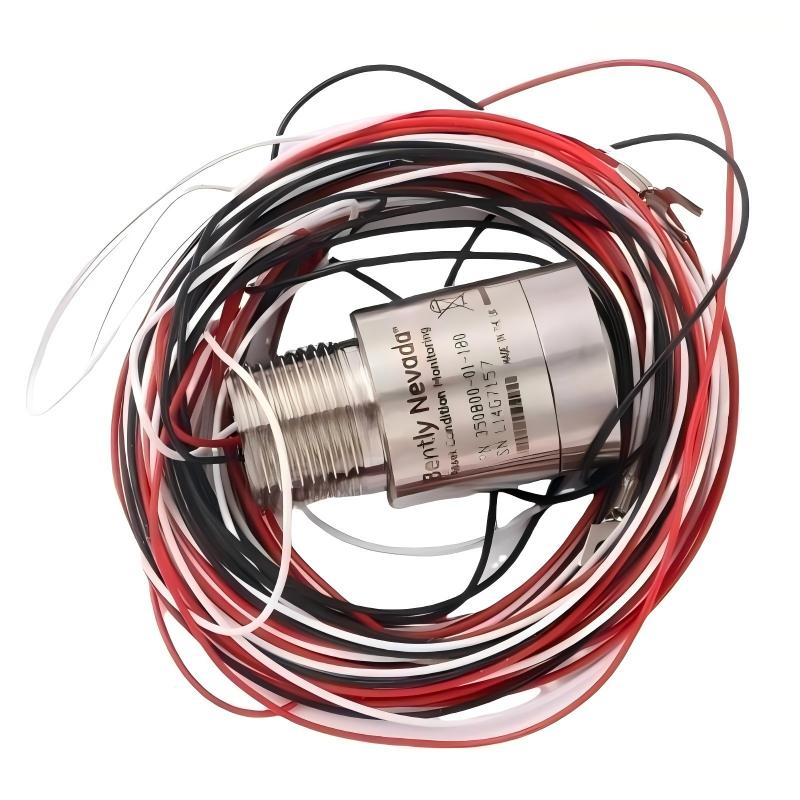
Product Introduction
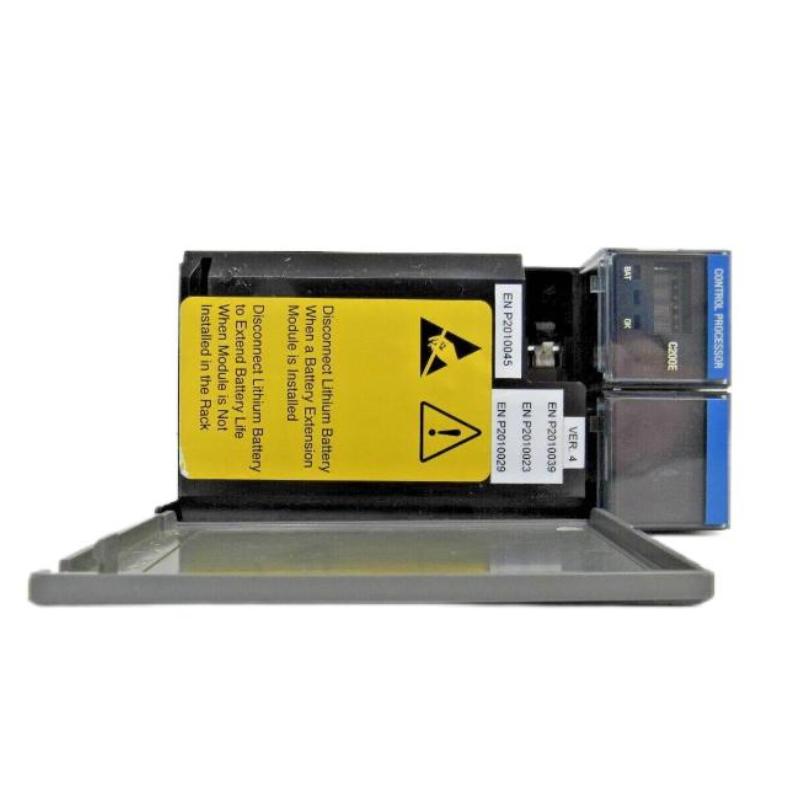
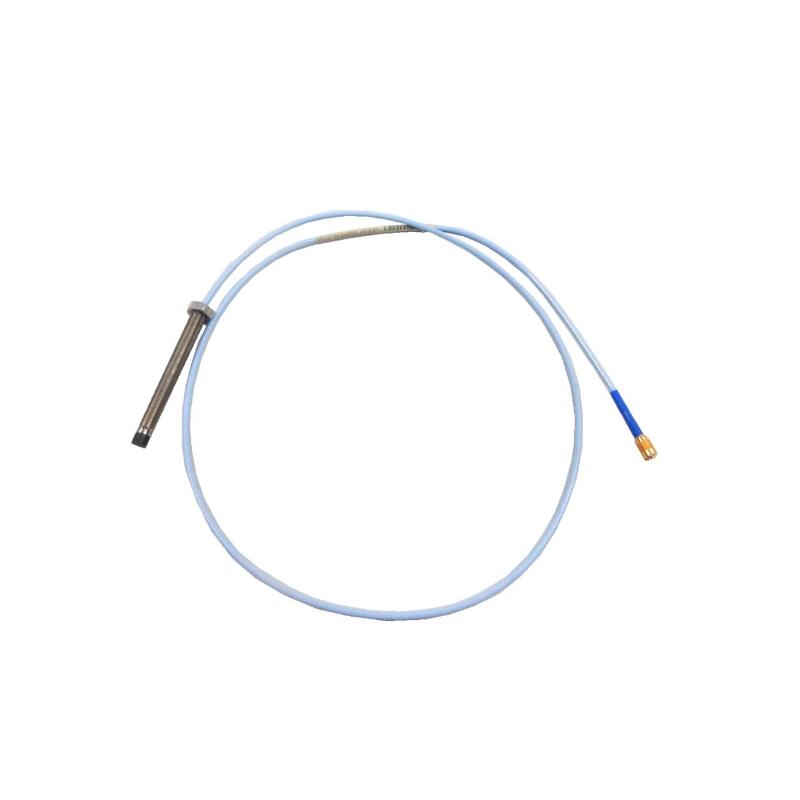
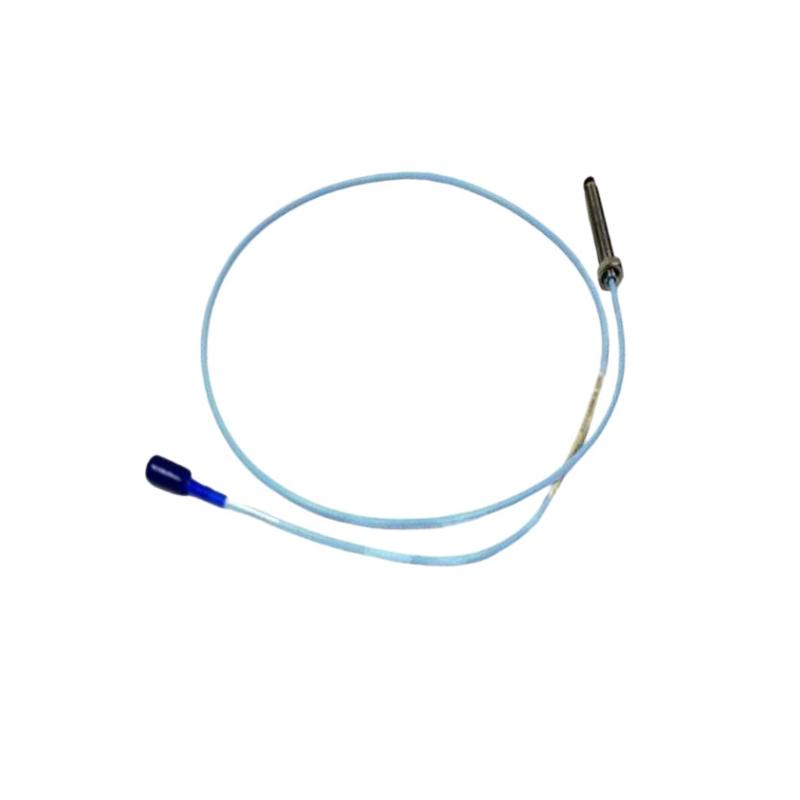
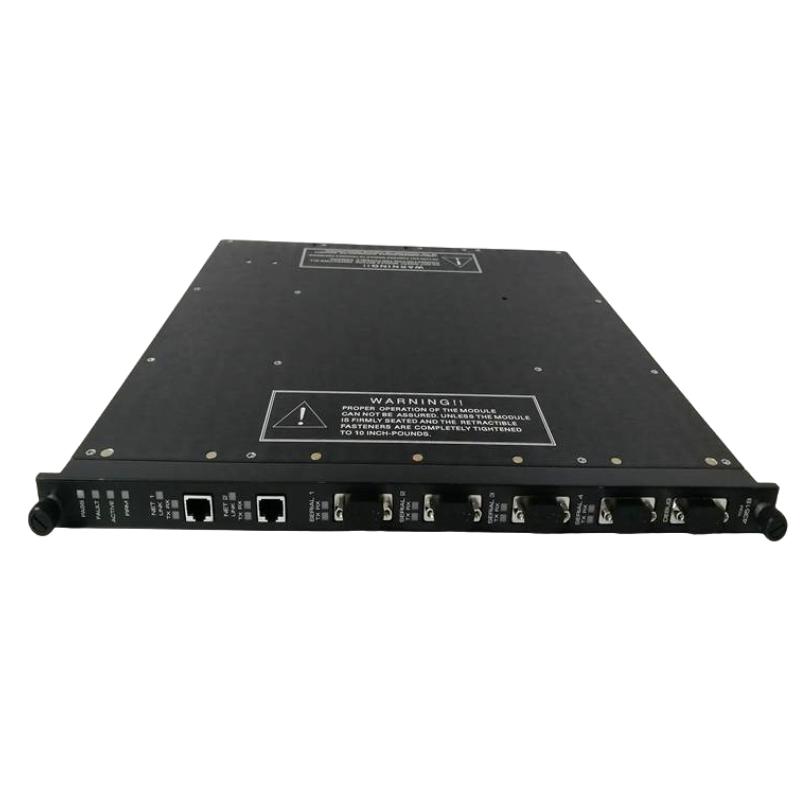
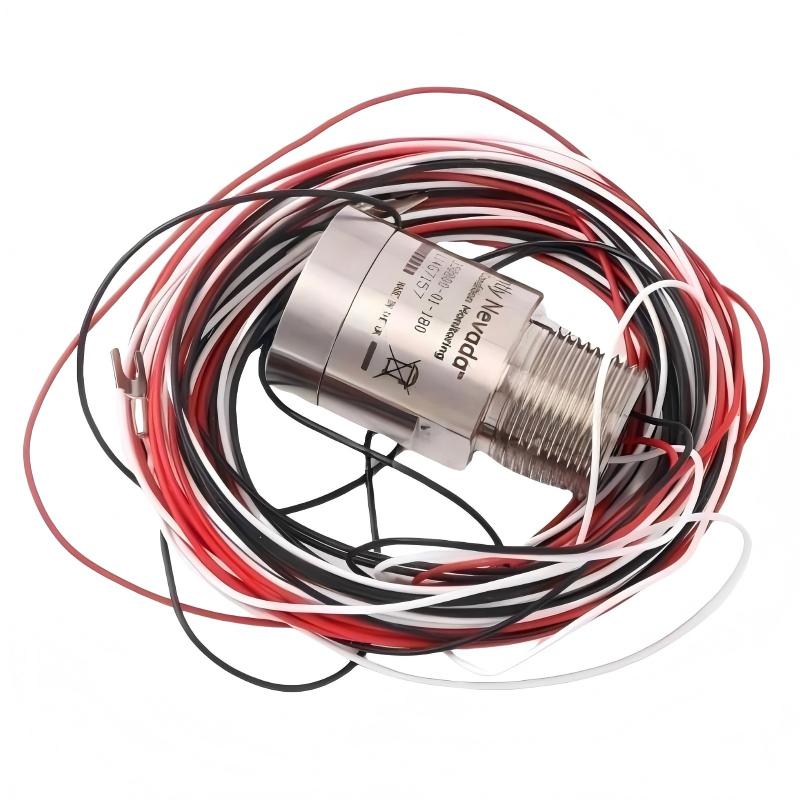
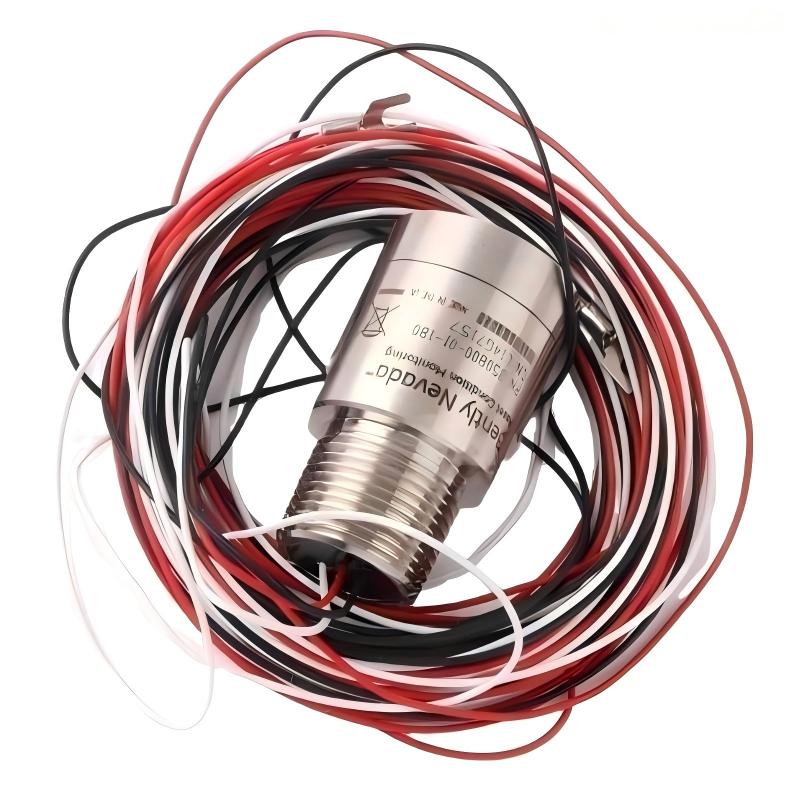
The Bently Nevada 350800-01-180 Hazardous Gas Sensor is a specialized industrial sensor designed for real-time detection and monitoring of hazardous gases in critical environments. Built for dependable performance under harsh conditions, this sensor is essential in safety systems where early detection of flammable or toxic gases protects personnel, equipment, and facilities.
Engineered with precision sensing technology and robust construction, the 350800-01-180 is ideal for continuous hazard monitoring across industrial plants, power generation facilities, and processing environments. Its wide detection range, high accuracy, and standard industrial output protocols make it easy to integrate with control systems and safety networks.
Technical Specifications
| Parameter | Specification |
|---|
| Manufacturer | Bently Nevada |
| Model Number | 350800-01-180 |
| Product Type | Hazardous Gas Sensor |
| Sensor Type | Infrared / Microprocessor gas detection (0–100% LEL) |
| Detection Range | 0–100% LEL (Lower Explosive Limit) |
| Accuracy | ±2% full scale typical |
| Output Signal | 4–20 mA current loop (analog) |
| Relay Outputs | 2 × NO/NC alarms (optional) |
| Operating Voltage | 9–36 VDC (commonly 24 VDC) |
| Operating Temperature | −40°C to +70°C |
| Humidity Range | 0–95% RH (non-condensing) |
| Enclosure Rating | IP65/IP67 rugged industrial housing |
| Connector | M12 or industrial terminal |
| Lead Length | ~180 inches typical |
| Dimensions | Approx. 120 × 70 × 30 mm |
| Weight | Approx. 0.25 kg |
Industrial Applications
The 350800‑01‑180 Hazardous Gas Sensor is widely applied where gas leakage poses a safety or operational risk, including:
-
Process safety monitoring in chemical and petrochemical plants
-
Combustible gas monitoring in power generation facilities
-
Oil and gas production and refining safety systems
-
Confined spaces and ventilation monitoring in industrial plants
-
Mining and tunneling environments
-
Hydrogen or methane leak detection in turbine enclosures
By continuously monitoring gas concentrations, the sensor provides early warning of unsafe conditions to enable timely intervention and reduce the risk of fire, explosion, or exposure.
Key Advantages
Broad Detection Range and High Sensitivity
Covers 0–100% LEL, providing comprehensive monitoring with high measurement fidelity.
Rugged Industrial Construction
Sealed IP65/IP67 enclosure and robust hardware protect against dust, moisture, and industrial hazards for long service life.
Easy System Integration
Standard 4–20 mA output and optional relay contacts allow seamless connection to safety PLCs, DCS systems, or alarm networks.
Wide Operating Range
With an ambient temperature range of −40°C to +70°C, it performs reliably in diverse industrial climates.
Compact and Easy to Install
Compact dimensions and standardized connectors simplify installation and minimize footprint in control panels or hazardous area enclosures.
Technical FAQs
1. What hazardous gases does this sensor detect?
It detects combustible gas concentrations expressed as a percentage of the Lower Explosive Limit (LEL).
2. What is the operating voltage range?
The sensor operates on 9–36 VDC, commonly 24 VDC.
3. How is the output signal provided?
Output is via a 4–20 mA current loop, compatible with industrial PLCs and safety systems.
4. Does it include alarm outputs?
Yes, two relay outputs can be configured as normally open or normally closed.
5. What certification standards does it meet?
It meets common industrial safety standards (CE, UL, CSA).
6. What environments can it withstand?
The sensor is built for dust and water-exposed areas with an IP65/IP67 enclosure.
7. What is the typical response time?
Response time is fast enough for hazard monitoring, typically under 15–30 seconds.
8. Where is this sensor typically installed?
In turbine enclosures, chemical production areas, or confined industrial spaces.
9. Does it support digital outputs?
Some configurations support digital signalling in addition to the 4–20 mA output.
10. How is the sensor protected against harsh conditions?
Its rugged housing and sealing resist dust, water, and industrial contaminants.
 A DCS Q Co., Ltd. - PLC and DCS Industrial Control Equipment Wholesale