Process Automation Applications
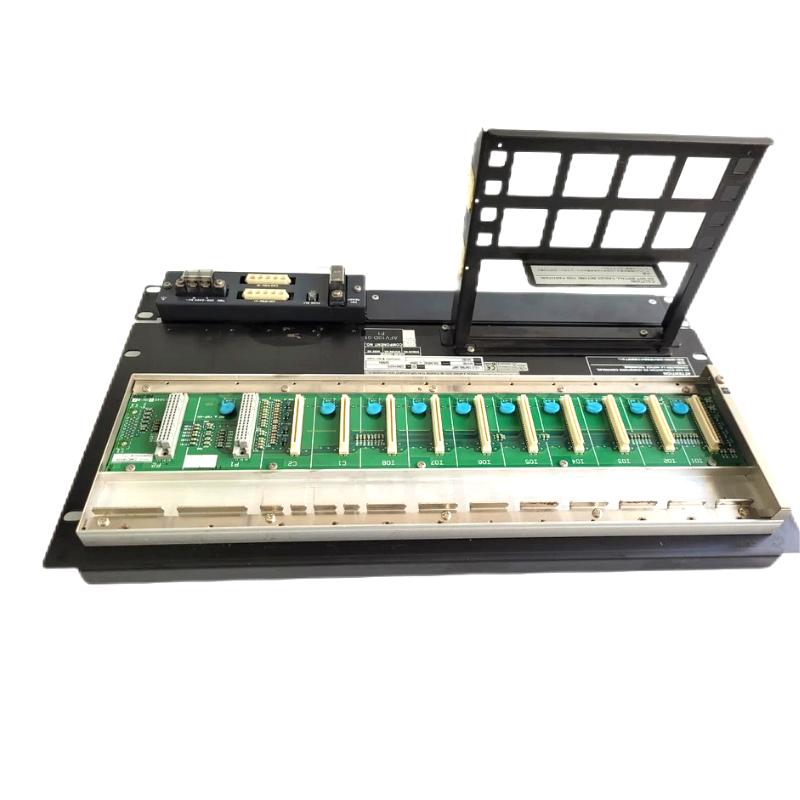
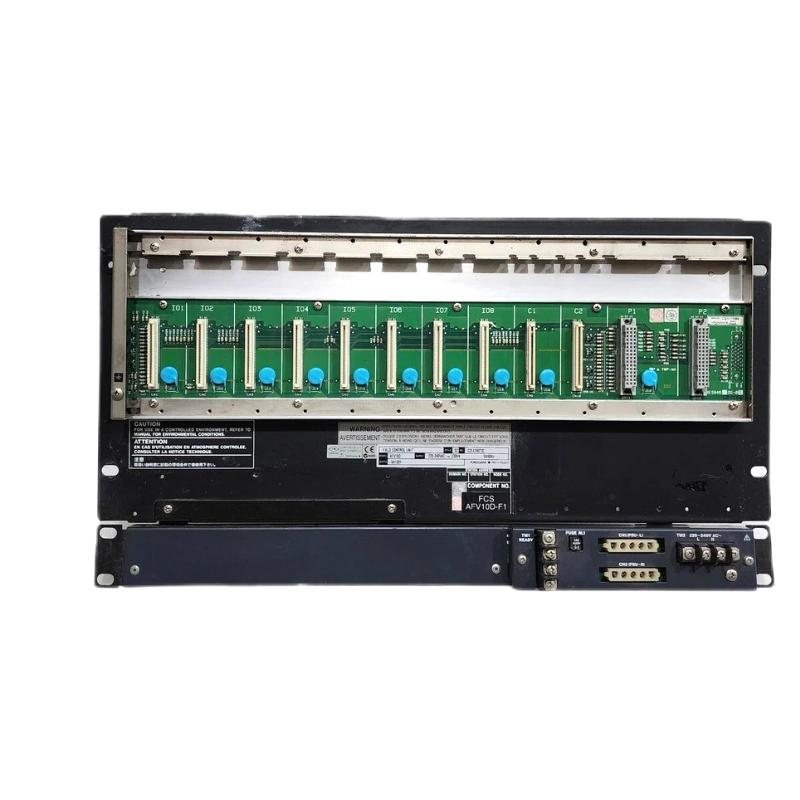
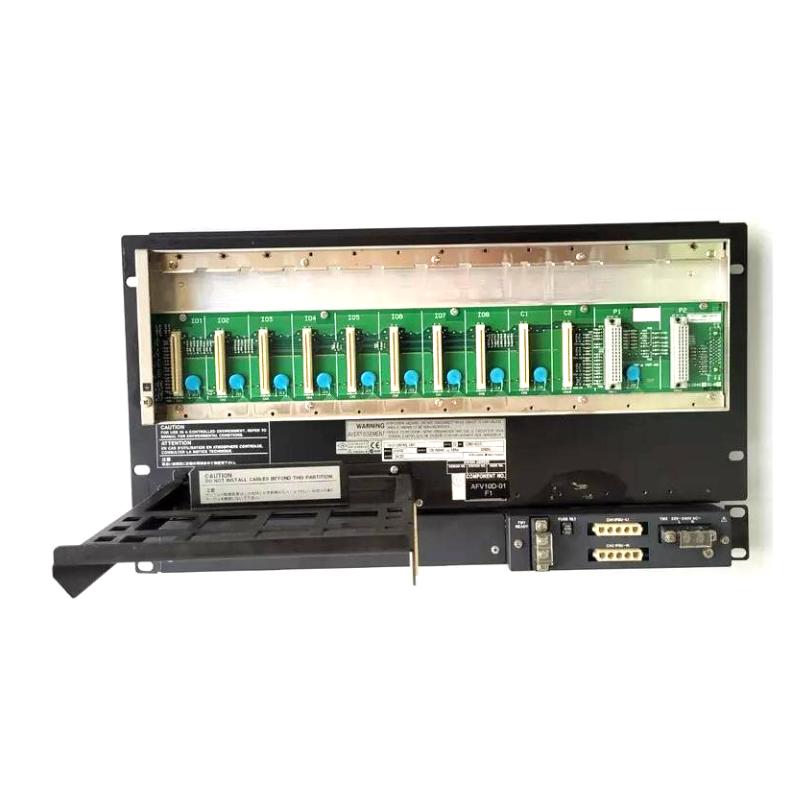
The Yokogawa AFV10D Duplex Field Control Unit is designed to execute process control tasks within distributed control systems used in large industrial operations. This controller provides a duplex architecture that enables redundant processing, allowing industrial processes to continue operating even if one control path encounters a failure.
Field control units serve as the central processing layer that interprets input data from sensors and executes control logic to regulate industrial equipment. In critical facilities where continuous operation is essential, redundancy significantly improves system stability and operational safety.
Typical industrial sectors where the AFV10D is deployed include:
-
Oil and gas production and refining facilities
-
Power generation control infrastructure
-
Chemical and petrochemical process plants
-
Large-scale manufacturing automation systems
-
Continuous processing environments such as pulp, paper, and steel plants
By maintaining uninterrupted process control, the unit helps ensure reliable and efficient plant operations.
Engineering Advantages
Duplex Redundant Architecture
Two synchronized processing paths allow the system to maintain control even if one processor becomes unavailable.
High System Availability
Designed for industries where control system downtime can cause operational disruption or safety concerns.
Advanced Field-Level Control
Handles automation logic, process data evaluation, and control signal generation within distributed control architectures.
Reliable Integration with DCS Platforms
Works within distributed control systems that include multiple I/O modules, controllers, and communication networks.
Continuous Industrial Operation Capability
Engineered to support industrial processes that run continuously for extended periods.
Technical FAQs
1. What is the primary function of the AFV10D field control unit?
It processes automation logic and manages control tasks within a distributed control system.
2. What does the duplex configuration provide?
It introduces redundancy so that the system can continue operating if one control processor fails.
3. How does the controller interact with field equipment?
Through connected input and output modules that transmit sensor data and control signals.
4. Why is redundancy important in process industries?
It ensures continuous plant operation and reduces the risk of production interruptions.
5. Which industries benefit most from duplex control systems?
Power generation, petrochemical processing, oil and gas, and heavy manufacturing.
6. Where is the controller typically installed?
Inside industrial control cabinets or automation racks.
7. Can the unit manage real-time process control?
Yes, it continuously evaluates system inputs and executes control commands.
8. How does the duplex system maintain reliability?
If one processor fails, the backup processor immediately maintains system control.
9. Is the controller suitable for large automation networks?
Yes, it is designed to operate within complex distributed control infrastructures.
10. Why are field control units essential in DCS architectures?
They provide localized processing power to manage process control functions efficiently.
 A DCS Q Co., Ltd. - PLC and DCS Industrial Control Equipment Wholesale